

No products in the cart.
Contents
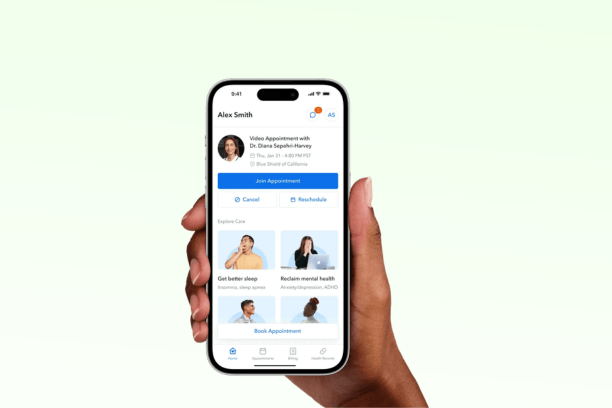 Circle Medical combines virtual healthcare with access to in-person clinics. It operates through an app-based system where you can book appointments, connect with licensed providers, and manage different aspects of your support without relying on multiple services.
The platform covers a range of primary care needs, including preventive services, annual checkups, prescription management, and support for ongoing conditions. It also claims to provide support for common day-to-day concerns such as allergies, fatigue, and sleep issues.
This review examines what Circle Medical offers and how it compares with similar platforms. We also evaluate how its reputation reflects user experiences, accessibility, and consistency in care.
About Circle Medical
As per the official website, Circle Medical gives access to care mainly through its mobile app, where appointments, provider communication, and medical records are managed in one place. It covers a broad range of primary care categories, including routine check-ups, annual physical exams, preventive care, and general consultations.
The brand’s service model focuses on flexibility. You can choose between video visits and in-person consultations, with appointments typically lasting 15 to 30 minutes. The platform also includes prescription services, where medications may be prescribed when appropriate and sent to your preferred pharmacy, along with dedicated visits for refills or adjustments.
Circle Medical combines several care management tools within its app. You can book appointments, review visit summaries, message providers between visits, and manage your care plan without relying on traditional clinic processes. This also supports continuity, since you can see the same provider across multiple visits.
The provider network includes over 400 board-certified clinicians across areas such as family medicine, internal medicine, and geriatrics. The brand works with many major PPO insurance plans and also offers self-pay options, making it accessible whether you use insurance or pay out of pocket.
Services Offered
-
Hybrid Primary Care
Circle Medical integrates virtual telemedicine with in-person clinical services, allowing you to access care through both digital and physical touchpoints. Within this model, the platform provides comprehensive general primary care, including annual wellness exams, preventative screenings, and the diagnosis and support for common acute concerns.
Circle Medical’s Primary Care service combines virtual care with in-person visits, allowing patients to receive ongoing medical care through a single provider. Care is delivered through video appointments, with in-person visits used when a physical exam or procedure is required.
The service also extends into behavioral and mental health services, offering structured care for conditions such as ADHD, anxiety, and depression, alongside evaluation and treatment for sleep-related disorders, including insomnia and sleep apnea.
Annual checkups are one of the components of the service, which are used for preventive care and baseline health evaluation. These visits include a review of medical history, current symptoms, medications, and lifestyle factors. Providers may order lab tests, such as blood panels, and recommend screenings based on age, risk factors, and existing conditions.
The company also provides chronic condition management. This includes conditions such as hypertension, where providers monitor high blood pressure over time. The process may involve prescribing medication, ordering lab tests, and tracking readings across follow-up visits. Adjustments are made based on response to plan, side effects, and changes in health status, with ongoing monitoring required to maintain control of the condition.
Urgent care is also provided through the service, available for non-emergency medical issues through same-day virtual visits. These visits cover conditions such as respiratory infections, urinary tract infections, skin conditions, allergies, and minor injuries. Providers assess symptoms, determine whether the plan can be managed remotely, and prescribe medication or order tests if needed. If symptoms require physical examination, imaging, or urgent intervention, you are directed to in-person care or emergency services.
Pros
- Same-day appointment availability.
- Offers virtual and in-person care.
- Integrated mobile app experience.
- Annual checkups available.
- HIPAA-compliant platform.
Cons
- Sudden provider unavailability reported.
- Customer support is often reported as unhelpful or dismissive.
- Long delays resolving technical issues are mentioned in independent reviews.
Advantages
-
Hybrid Care Delivery Model
Circle Medical follows a hybrid care delivery model that uses telehealth as the primary point of access, supported by selective in-person services when needed. Most interactions, including intake, consultations, follow-ups, and medication management, take place through video visits within its app, allowing routine care to be handled at scale without heavy reliance on physical clinics.
When your condition requires a physical exam, diagnostic testing, or procedures, you can transition to an in-person visit at an affiliated clinic. This creates a remote-first approach designed for efficiency and accessibility, and a secondary in-person pathway for cases that cannot be managed virtually.
It means you can manage most healthcare needs from home with quicker scheduling and fewer logistical hurdles compared to traditional care settings. In-person visits are only required when medically necessary, helping reduce time spent on routine care while still maintaining access to clinical services.
-
End-to-End Care Coordination System
Circle Medical uses a centralized, app-based system that combines both administrative and clinical processes into a single interface. From the start, you can complete digital intake steps such as insurance verification, identity checks, and medical history, then move directly into appointment scheduling, provider selection, and visit tracking within the same platform.
During and after your consultation, providers document notes, create care plans, and issue prescriptions through the app, which are sent electronically to pharmacies. Follow-ups, lab coordination, and communication are also managed within this system, so you do not need to switch between multiple portals or services. This setup combines functions that are typically fragmented, including billing, scheduling, medical records, and messaging, into one continuous workflow.
Potential Limitations
-
External Lab and Diagnostics Dependence
Circle Medical relies on external laboratories and diagnostic providers, as it does not operate a fully integrated system for services such as blood testing, imaging, or certain in-person evaluations.
When diagnostics are needed, your provider places external lab orders and directs you to partner or independent facilities. Results are then sent back into the platform, which introduces a break in the otherwise centralized workflow and depends on third-party systems with their own timelines and processes.
This setup can lead to longer turnaround times, coordination across multiple providers, and variability in how smoothly results are integrated into your records. You may need to schedule separate appointments, travel to different locations, and wait for results before your care plan is updated. Your overall experience can vary depending on how accessible and efficient diagnostic services are in your area.
-
Limited Medicaid Coverage Acceptance
Circle Medical does not accept Medicaid, including state programs such as Medi-Cal, which limits its insurance coverage model. The platform is built around private insurance networks like Blue Cross, Aetna, Cigna, and UnitedHealthcare, with its billing, verification, and cost estimation systems designed to work within these commercial plans. Medicaid, which follows state-managed reimbursement structures, is not integrated into this system, and there is no indication of partial acceptance across specific regions or services. Due to this, eligibility is determined by insurance compatibility rather than clinical need. Core features such as insurance verification and cost estimates only apply if your plan is supported. If you rely on Medicaid, you cannot use the platform through your insurance and would need to pay out of pocket or look for alternative providers. This creates a clear access barrier, even if the platform’s features align with your needs.
-
Short Appointment Duration Constraints
Circle Medical structures its care delivery around short, standardized appointment durations, typically ranging from 15 to 30 minutes per visit. This model is designed to optimize efficiency by enabling faster scheduling, higher patient throughput, and reduced wait times. This time-constrained structure can limit flexibility during the encounter, particularly for complex or multi-symptom cases that may require deeper evaluation or extended discussion beyond what the standard slot allows. This means your appointments are likely to be efficient and focused, which can be convenient for straightforward issues. However, if you have more complex concerns or want to discuss multiple topics in depth, the limited time may feel restrictive.
Alternatives To Circle Medical
-
Carbon Health
Carbon Health and Circle Medical both position themselves as accessible, tech-enabled healthcare platforms, but their structure, depth of services, and care priorities diverge in how you experience care over time.
As per its official website, Carbon Health is built around a hybrid urgent care model that combines physical clinics with app-based access, emphasizing speed and convenience for immediate needs. It allows you to book same-day appointments across multiple conditions, such as cold, flu, injury care, urinary tract infections, and skin rashes, with availability often extending to 9 PM. The platform also includes pediatric urgent care and workplace health services, expanding beyond individual care into employer-based offerings. In comparison, Circle Medical is structured around primary care continuity, focusing on long-term health management through categories like mental health, ADHD, sleep care, annual checkups, and preventive services. It highlights that same-day and next-day appointments are available, but the intent is less about urgency and more about consistent care over time.
The scope and depth of services further highlight this difference. Carbon Health integrates in-clinic diagnostics and procedures, offering on-site X-rays priced at $85 plus visit cost, lab tests such as blood glucose and chemistry panels starting at $10, and screenings including flu tests at $45. It also provides wound care services such as laceration repair with sutures or staples at $200, incision and drainage at $175, and foreign body removal at $125. Additional offerings include vaccinations like flu shots, orthopedic devices and crutches, and procedures like EKGs and gynecological exams. On the other hand, Circle Medical expands care through specialized programs such as PrEP, weight management, skin care, and functional medicine. It relies more on provider-led consultations and ongoing plans rather than in-clinic interventions.
Their digital platforms reflect different priorities in care delivery. Carbon Health features an app that is designed as a centralized system where you can chat with your care team, access full medical records, review test results immediately, and manage follow-up appointments. It also allows prescriptions to be sent either to your preferred pharmacy or can be delivered directly to your home. On the other hand, Circle Medical also offers an app that focuses more on provider interaction and care continuity, allowing you to select from over 400+ board-certified providers, view detailed profiles, and manage plans.
Carbon Health is structured to support immediate, episodic care with strong in-person infrastructure, transparent pricing, and integrated diagnostics. In comparison, Circle Medical is designed around continuity, provider choice, and structured programs.
-
PlushCare
PlushCare operates as a fully virtual platform, providing 24/7 urgent care via video visits, with appointments often available the same day and consultations lasting around 15 minutes. It is accessible in all 50 states, and you can connect through your phone or computer, then have prescriptions sent directly to a nearby pharmacy. Circle Medical, in comparison, blends virtual care with physical access, offering same- and next-day appointments, while also giving you the option to visit 20+ in-person clinics. This creates a more hybrid experience compared to PlushCare’s fully remote model.
The breadth and structure of services further highlight their positioning. PlushCare follows a wide, generalist care model, with a scope that covers acne, anxiety, high blood pressure, migraines, UTIs, sinus infections, while also covering pediatric care (ages 3+), chronic disease management, mental health therapy, sexual health, and preventive care. On the other hand, Circle Medical organizes its services around primary care with defined specialties, including ADHD, gender-affirming care, PrEP, menopause hormone therapy, sleep disorders (including at-home sleep studies), and lifestyle medicine, alongside urgent care and preventive checkups. This makes Circle Medical more structured for ongoing and specialized care, while PlushCare remains broad and condition-focused.
Prescription services show some operational differences. PlushCare enables you to request new prescriptions or refills with prescriptions sent electronically to your chosen pharmacy. Circle Medical, meanwhile, provides prescriptions when clinically appropriate and combines this into its broader care plans, including ADHD and mental health, which typically require more regulated prescribing and ongoing monitoring.
PlushCare is structured around fast, on-demand telehealth with strong prescription access and membership-driven affordability. On the other hand, Circle Medical offers virtual and in-person services, broader coverage, and a stronger emphasis on long-term health management.
How Did We Evaluate?
-
Brand Reputation
We evaluated Circle Medical’s brand reputation using publicly available information from the Better Business Bureau, where it has been accredited and currently holds an A+ rating. However, the company has received an average customer review rating of 1.15 out of 5 stars based on 60+reviews, which has reflected some dissatisfaction among users and has influenced the brand image.
Several complaints have been filed over the years, indicating ongoing customer issues requiring formal resolution. Common concerns shared have centered on billing and insurance-related issues. Customers have reported unexpected charges, higher-than-estimated costs, incorrect billing codes, and disputes related to insurance processing.
Many have also reported difficulty reaching support, reliance on in-app messaging systems, delayed responses, and a lack of direct human interaction. Concerns that are related to the quality of care and provider interactions have also appeared in some complaints. These have included reports of inaccurate medical records, prescription errors, lack of attention during consultations, and dissatisfaction with provider communication. Such details indicate unfavorable experiences, impacting overall brand reputation.
-
Real User Experiences
We evaluated the real user experiences of Circle Medical using publicly available customer feedback from Trustpilot, where the company holds a TrustScore of 4 out of 5 based on 1,200+ reviews, and a rating of 3.8 out of 5. People describe positive interactions with providers, often highlighting professionalism, attentiveness, and clear communication. Several reviewers mention that clinicians were thorough, patient, and took time to listen without rushing appointments. Many note that scheduling appointments through the app is straightforward, with same-day or quick availability.
However, some users report being asked to attend multiple follow-up visits before receiving treatment, or being told after a paid appointment that they were not eligible for certain services. They also describe limited responsiveness from customer support or delays in resolving billing or documentation issues. While many users highlight favorable experiences, others report feeling dissatisfied with decisions.
Frequently Asked Questions
- Does Circle Medical offer support for lab test interpretation?
Yes. The platform supports lab test interpretation through its board-certified providers. Results are reviewed during follow-ups, explained alongside next steps, and accessed digitally via the app. Providers can assess both new and past lab data while coordinating testing through partner labs. - Are Circle Medical prescriptions accepted at all pharmacies?
No. The brand offers prescriptions that are not guaranteed to be accepted at all pharmacies. While most major chains may fill them, pharmacists have final discretion. - Does Circle Medical offer support for prescription refills?
Yes. The brand supports prescription refills through scheduled video appointments with board-certified providers. Refills require clinical review, and controlled substances may need monthly follow-ups and an in-person visit. Notifications are sent through their app.
Final Words
Circle Medical lets you manage appointments, prescriptions, and follow-ups through a single app while maintaining continuity with the same provider. At the same time, certain limitations influence how the service functions in practice. Short appointment durations may limit the depth of evaluation for more complex concerns. Dependence on external labs and diagnostic services introduces additional steps and can affect turnaround times. Insurance compatibility is also restricted, as Medicaid is not accepted, which may limit access depending on your coverage.
Before using the platform and considering its services, it is essential to confirm insurance eligibility and review cost estimates during booking. Expect that some concerns may require multiple appointments, and plan for separate coordination of lab tests or imaging if needed. Consider whether a time-limited, app-based care model aligns with the complexity of your healthcare needs, as this structure may not suit all situations.

Rachel has been a freelance medical writer for more than 18 years. She graduated from the University of Tennessee at Knoxville in 2005 and is currently practicing as a Certified Registered Nurse Anesthetist at a Level I trauma center.
Leave a Reply