

No products in the cart.
Contents
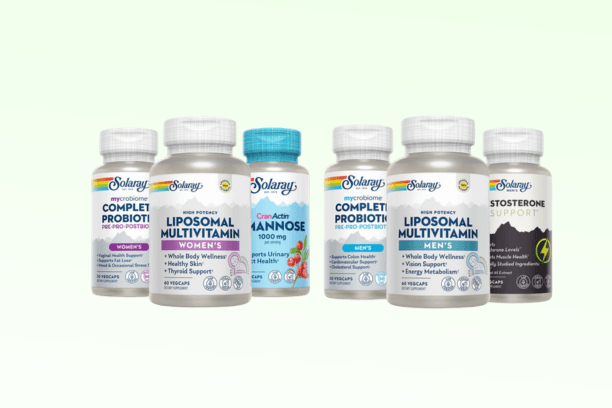 Solaray focuses on everyday support through a combination of vitamins, minerals, herbal extracts, and specialty formulations. The brand claims to provide formulations that align with general health maintenance, energy support, and lifestyle balance.
Its product range is extensive, covering multivitamins, single-ingredient nutrients, herbal blends, probiotics, amino acids, and condition-focused formulas. The brand offers products in multiple formats such as capsules, softgels, powders, and chewables.
In this review, we will explore what Solaray offers across its product categories and how it compares with similar brands in terms of range and positioning. We will also analyze how consumer feedback reflects real-world experiences with its formulations.
About Solaray
Established in 1973, Solaray operates under Better Being Co. and follows a vertically integrated model where it oversees sourcing, manufacturing, and testing within its Ogden, Utah, facility. It claims to work with over 375 ingredient suppliers across 61 countries, sourcing materials such as maca from Peru and elderberry from Europe.
Solaray also develops specific products, including women’s multivitamins, hormone-support blends, libido support formulas, and probiotics. Its catalog is structured around health interests as well as ingredient-based categories, covering immune support, digestive health, metabolic function, and women’s health.
The brand claims to conduct up to 15,000 lab tests per month across more than 580 protocols, using techniques such as chromatography, spectroscopy, and PCR testing. As per its official website, its facility is cGMP-certified, and selected products carry third-party certifications such as NSF, USDA Organic, and Non-GMO Project Verified.
Bestsellers
-
Magnesium Glycinate
Solaray Magnesium Glycinate may provide magnesium in the form of magnesium bisglycinate, along with a small amount of black pepper extract. The product may support functions related to muscle contraction, nerve signaling, and electrolyte balance. Along with it, the formulators have also included black pepper extract (BioPerine®), which may influence nutrient absorption by affecting digestive processes.
-
Vitamin D3 + K2
As per the official site, Vitamin D3 + K2 may provide vitamin D3 (cholecalciferol) alongside vitamin K2 (menaquinone-7), with calcium and phosphorus. Vitamin D3 in the formulton may contribute to calcium regulation through its role in increasing intestinal absorption of calcium. This could affect circulating calcium levels and maintain bone structure and other physiological functions linked to calcium balance. Vitamin K2, particularly in the MK-7 form, is involved in the activation of vitamin K–dependent proteins, which could contribute to bone mineralization.
-
Zinc
Solaray Zinc may support immune function, skin health, and general metabolic activity. This essential trace mineral is involved in numerous enzymatic processes in the body. Zinc functions as a cofactor for many enzymes, helping enable chemical reactions related to immune defense, protein synthesis, and cell repair. Such effects may contribute to maintaining normal immune responses and tissue integrity.
-
Calcium Citrate
Calcium Citrate may support bone and teeth health while also contributing to cardiovascular, muscle, and nerve function by providing calcium in a citrate form.
Calcium is required for maintaining bone structure and is also involved in muscle contraction and nerve signaling, so adequate intake may help support these processes depending on nutrient status. The formulators include calcium as calcium citrate, a form bound to citric acid that may be easier to absorb, particularly if you have lower stomach acid.
-
Calcium, Magnesium, Zinc
Calcium, Magnesium, Zinc formulation may support bone strength, teeth health, muscle function, and immune activity. The formulators include calcium for its potential contributions to bone mineralization and structural support.
Magnesium functions as a cofactor in many enzymatic reactions and is involved in muscle contraction, relaxation, and nerve transmission. Zinc has also been added to the product for its role in cellular processes related to immune signaling, skin health, and tissue repair. The makers have also added glutamic acid HCl, which may aid digestive support.
The makers also added alfalfa, dandelion root, parsley, and watercress, which may provide micronutrients and phytochemicals that may improve mineral absorption and metabolic processes.
The formulation may support skeletal integrity through calcium deposition, muscular and cardiovascular function through magnesium-mediated ion regulation, and immune and cellular repair processes through zinc-dependent enzymatic activity.
-
Zinc Copper
Zinc Copper may support immune function, cardiovascular health, and thyroid activity. The formulators include zinc, which may help in immune signaling and is associated with skin health and cellular repair.
Copper in the formulation contributes to cardiovascular and metabolic functions, and may help maintain support processes related to cardiovascular function and red blood cell formation.
The product also includes iodine, which plays a role in thyroid hormone production. It is required for the production of thyroid hormones, which regulate metabolic activity.
Pros
- Offers vitamins, minerals, and herbal formulas.
- Offers brain health formulas.
- Provides liposomal formulations.
- Manufactured under GMP conditions.
Cons
- Ingredient sourcing lacks transparency and depth.
- No clear clinical trial backing.
- Limited allergen transparency details.
Advantages
-
Legacy Brand Authority Positioning
Solaray’s identity is built on more than 50 years of continuous operation since its founding in 1973. Originally launched as Solar Products, Inc. in Utah, the brand expanded steadily into vitamins, minerals, and specialty formulations. It introduced category-specific developments such as cayenne cooling technology to reduce irritation, CranActin® cranberry extract for urinary health, and, later, vegan soft gel delivery systems. At the same time, the brand grew into a large product portfolio while retaining U.S.-based manufacturing.
This long-standing presence points to sustained product development and operational continuity over decades, which may contribute to stronger perceived reliability compared to newer companies.
-
Cross-Category Product Ecosystem
Solaray builds its product ecosystem around formulations designed to work together across multiple fitness areas. This approach comes from its early SP (Solaray Products) philosophy, which focused on combining complementary ingredients to support broader physiological functions. Its portfolio covers probiotics, vitamins, minerals, and targeted formulas such as prostate support, with many products intended for combined use.
For instance, the brand’s probiotic lines like Mycrobiome Complete and Multidophilus focus on gut health through multi-strain bacteria and prebiotic components. It also features prostate-focused formulas such as Prostate Blend SP-16, along with combinations including saw palmetto and cranberry extract, that address urinary and reproductive health.
This structure allows you to combine multiple Solaray products into a more comprehensive routine that targets different areas simultaneously. It also makes it easier to stay within a single brand when selecting products for digestion, immune support, or specific health concerns.
-
End-to-End Quality Control System
Solaray follows a vertically integrated, multi-stage quality control system that covers the entire production lifecycle, from raw material intake to finished product release. Testing is conducted in-house at its Ogden, Utah laboratory, where up to 15,000 tests are performed each month across more than 580 protocols.
The brand highlights that the process begins with intake testing of raw materials, verifying identity, physical characteristics, and potential contaminants. This is followed by in-process testing during manufacturing, where factors such as potency, disintegration, and microbial activity are monitored. Final product testing then confirms label claims, stability, and safety before release.
Solaray states that every batch undergoes testing rather than selective sampling. Analytical methods such as UPLC are used for potency and contaminant detection, ICP for heavy metals, GC for pesticides, and PCR for microbial screening at low detection thresholds. This system may reduce uncertainty when choosing and using products from the brand.
-
Multi-Standard Certification Alignment
Solaray highlights multiple recognized certifications that validate different aspects of its manufacturing and testing processes. It claims to hold NSF/ANSI 455-2 GMP certification, which covers facility-level quality control and manufacturing standards, as well as ISO 17025:2017 accreditation for its laboratory operations, confirming analytical testing rigor. These certifications collectively address manufacturing compliance and laboratory accuracy. This means the brand’s products are developed within a system that follows established manufacturing and testing standards, which might reduce the likelihood of contamination or labeling inconsistencies.
Potential Limitation
-
Packaging Compliance Irregularities
Solaray has reported packaging-related compliance issues, most notably a 2023 recall of over 85,000 Liposomal Multivitamin units due to failure to meet child-resistant packaging requirements under PPPA regulations. This points to a gap at the final stage of product release, specifically in packaging validation, despite the brand’s broader focus on GMP-certified manufacturing and multi-stage quality control.
The recall highlights that packaging and compliance checks may not always align with the brand’s manufacturing rigor. Independent review platforms also point to concerns such as unresponsive customer support and certain formulations, like unextracted root powders such as tongkat ali, not delivering expected potency.
This can translate to occasional uncertainty around safety features like packaging integrity and consistency in formulation outcomes. Even if the core product quality remains stable, gaps at the final stage may influence how much confidence you place in the brand’s overall reliability.
Alternatives To Solaray
-
Life Extension
Life Extension focuses on longevity, cellular health, and advanced wellness strategies, supported by its long-standing presence since 1980 and emphasis on research-backed formulations. Its catalog reflects this positioning through specialized categories such as anti-aging & longevity, NAD+, brain health, inflammation support, and integrated lab testing services. On the other hand, Solaray adopts a broader wellness approach, offering over 600 products across vitamins, minerals, and herbal formulas, with a strong presence in health food stores and a focus on accessibility and everyday nutrition.
This difference becomes more evident when you look at product structure and depth. Life Extension organizes its offerings across brain health, metabolic support, immune health, and hormone balance. It features products like Neuro-Mag magnesium L-threonate, Senolytic Activator, and AMPK Metabolic Activator. The brand also includes comprehensive formulas like the Two-Per-Day multivitamin with over 25 vitamins, minerals, and extracts. Solaray, on the other hand, leans toward a wider but less specialized catalog, featuring products like magnesium glycinate, vitamin D3 + K2, berberine, papaya enzyme, and zinc copper.
Life Extension highlights its involvement in clinical trials, third-party analysis, and active contributions to research, including funding studies and providing raw materials to health research initiatives. It also states that 99% of its products are manufactured in the USA and that many are non-GMO, gluten-free, and vegetarian. The brand states that it is GMP registered with NSF International, supporting its research-oriented positioning. Solaray, while also emphasizing quality, centers its claims around its 455-2 cGMP-certified 650,000 square-foot facility, where manufacturing processes, equipment, and quality systems are audited by third-party bodies. However, it does not emphasize clinical trials or research funding to the same extent.
Another difference lies in how each brand integrates additional services and guidance. Life Extension extends beyond formulas by offering at-home lab testing across blood sugar testing and genetic testing, along with health quizzes, wellness protocols, educational blogs, podcasts, and access to wellness specialists via support lines. Meanwhile, Solaray maintains a more traditional retail-focused model, providing product filtering by health interests, blog content, and bundle options, but without diagnostic tools, lab testing, or personalized wellness consultation services.
Pricing and value perception further highlight the contrast. Life Extension’s pricing ranges from more accessible options like zinc capsules at around $6.75 and vitamin D3 at approximately $7.50, to more advanced formulations at around $44.25. It also offers bulk discounts and structured programs like AutoShip & Save and LE Rewards. On the other hand, Solaray maintains a more consistent mid-range pricing structure. Its products include zinc at $9.59, magnesium glycinate at around $18.39, and liposomal multivitamins for women priced around $32–$40. Life Extension focuses on advanced formulations, longevity science, and integrated health tools. On the other hand, Solaray offers a broad, accessible portfolio centered on essential nutrients, traditional herbal blends, and formulations.
-
Terra Origin
Terra Origin and Solaray differ in how they position themselves within the product space, starting with their core philosophies. As per its official website, Terra Origin frames its identity around whole-body wellness, combining Ayurvedic principles with modern science to create formulas that support energy, digestion, and mental clarity. The brand emphasizes personalization, even offering a Wellness Finder tool that suggests products based on how you feel, such as tired, bloated, or sluggish. On the other hand, Solaray takes a more standardized, science-driven approach, focusing on delivering products with clearly defined compositions and measurable nutrient values. Its positioning is less about lifestyle personalization and more about consistency, formulation accuracy, and broad accessibility.
Ingredient philosophy also highlights some differences. Terra Origin emphasizes clean-label formulations, promoting attributes like non-GMO, gluten-free, and no fillers, while also aligning certain products with plant-based lifestyles. Its formulations are positioned as functional blends designed for outcomes like improved digestion or sustained energy. Solaray, in comparison, highlights certification-backed ingredient sourcing, including USDA Organic options for select products, ensuring ingredients are grown using organic farming practices without synthetic additives. While Terra Origin leans toward lifestyle compatibility and functional combinations, Solaray emphasizes traceability, ingredient verification, and adherence to regulated standards.
Terra Origin combines traditional practices with modern formulations and focuses on outcomes like energy, digestion, and recovery through multi-ingredient products. In comparison, Solaray operates as a large-scale manufacturer, prioritizing standardized formulations, third-party certifications, and an extensive catalog of products.
How Did We Evaluate?
-
Brand Reputation
We evaluated Solaray’s brand reputation using publicly available information from Trustpilot, where the brand currently holds a TrustScore of 3.2 out of 5 based on a limited number of 8+ reviews. The feedback available has shown recurring concerns. Common concerns shared have included customer service responsiveness, with some users reporting difficulty reaching the company through email or phone and not receiving timely replies.
Another recurring issue has involved order fulfillment and delivery, with complaints describing orders not being received despite payment, along with challenges in obtaining support or resolution. There have also been concerns related to product quality and packaging, including reports of leaking capsules and dissatisfaction with formulation or effectiveness.
The brand shows a moderate but uncertain brand reputation based on limited data. While the sample size is small, recurring concerns suggest some inconsistencies. Reddit discussions also describe Solaray as medium-quality without consistent third-party testing, supporting mixed credibility.
-
Real User Experiences
We evaluated Solaray based on publicly available customer reviews and ratings from Amazon. Its Vitamin D3 K2 holds a rating of around 4.7 out of 5 from 5,500+ reviews. Several users noted improvements in vitamin D levels after consistent use, along with benefits such as increased energy, stronger hair and nails, and general support.
The brand’s Magnesium Glycinate also maintains a 4.7 out of 5 rating from 7,500+ reviews, with many users emphasizing its role in sleep support and relaxation. Users commonly describe improved sleep quality, reduced muscle tension, and a calming effect when taken at night. However, not all experiences are consistent. While many users report no stomach discomfort, others mention side effects such as stomach pain or digestive issues.
Solaray Zinc shows a rating of 4.8 out of 5 from 2,800+ reviews, suggesting generally strong satisfaction among users. Users tend to value ingredient quality, perceived effectiveness, and consistency in the product.
Price and value appear to be moderately positive across products. Some users describe the brand’s products as reasonably priced for the quality offered, particularly when compared to similar formulations that combine multiple nutrients, such as D3 with K2. However, value perceptions still depend on individual expectations and how noticeable the effects can be over time.
Frequently Asked Questions
- Can Solaray products fill daily nutritional gaps?
Yes, to an extent. The brand positions its vitamins and blends (e.g., multivitamins, B-complex, vitamin D) as options to manage common nutrient gaps. However, they are meant to complement, not replace, a balanced diet, and effectiveness depends on individual deficiencies. - Does Solaray offer sustained-release options?
Yes, but limited. The brand includes select timed-release options like its Once Daily High Energy Multivitamin (two-stage release). However, sustained-release is not standard across the lineup, and most products use conventional immediate-release formulations. - Does Solaray offer guidance on stacking multiple formulas?
Yes, but at a basic level. The brand recommends starting with foundational products (e.g., multivitamins) and gradually adding targeted formulations. However, it does not provide detailed interaction charts or precise stacking protocols, leaving you to manage combinations cautiously.
Final Words
Solaray highlights its vertically integrated manufacturing, with in‑house testing and third‑party certifications, which reflect a controlled approach to production and quality checks.
However, the brand emphasizes breadth more than formulated depth. It offers a wide range of products, but many formulas are conventional (e.g., basic multivitamins, mineral salts, simple herbals) rather than consistently advanced or novel delivery systems.
Solaray states that it tests ingredients and finished products extensively, and some products carry third‑party certifications or NSF listing, but publicly accessible, product‑specific test reports or clinical‑trial data are not routinely posted for every formula. This means that, while the process is well‑documented, the evidence layer appears to be somewhat limited.
Before choosing Solaray, it is reasonable to review each product label, compare dosage levels, watch for overlap when combining multiple formulas (for example, magnesium, B‑complex, or vitamin D across several products), and check how transparent the label is about standardized extracts, herbal marker compounds, and ingredient sourcing.
The brand sometimes uses proprietary blends and may not always disclose exact amounts for every component, and the degree of standardization for herbal extracts can also vary by product.

Rachel has been a freelance medical writer for more than 18 years. She graduated from the University of Tennessee at Knoxville in 2005 and is currently practicing as a Certified Registered Nurse Anesthetist at a Level I trauma center.
Leave a Reply