

No products in the cart.
Contents
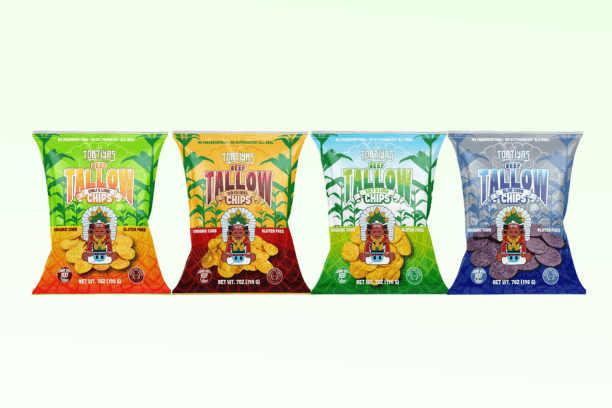
Tortiyas offers chips made with a simple, limited-ingredient approach and a focus on traditional preparation methods. It positions its products around corn-based recipes with an emphasis on traditional preparation techniques.
The brand highlights the use of the nixtamalization process, where corn is treated before being turned into masa and shaped into chips. In this review, we compare Tortiyas with similar brands and examine its chip offerings. We also assess its advantages and potential limitations to provide a more detailed analysis.
About Tortiyas
Founded as a family-owned brand in Los Angeles, Tortiyas emphasizes a three-ingredient formulation. It highlights corn sourced from family farms, grass-fed, hormone-free beef tallow, and hand-flaked sea salt as its complete ingredient base.
Along with its main product lineup, the brand also offers bundle packs that combine multiple flavors for mixed use. It also offers a Salsa Macha jar, typically used as a condiment or dip alongside the chips.
The brand emphasizes a strict ingredient philosophy that avoids seed oils, preservatives, artificial flavors, and other additives. It also states that its formulations are non-GMO verified.
Core Offerings
-
Chips
Tortiyas’ chips are offered in variants such as Tortiyas Original and Salt & Lime. They also come in bundled offerings like the 6-bag fiesta pack bundle, which is presented as varieties that deliver the same ingredient framework across multiple taste profiles.
The brand positions organic corn as the structural base of the chips, contributing the core crunch and tortilla texture while also providing naturally occurring fiber and carbohydrates that support energy density.
Beef tallow is associated with a richer mouthfeel and a toasty finish compared to seed oil–fried alternatives. Sea salt enhances flavor clarity and brings forward the natural corn taste without additional seasoning complexity. In flavored variants like Chili & Lime, the brand adds seasoning layers on top of this base system while maintaining the same underlying fat-and-corn structure.
Tortiyas Advantage
-
Minimal Ingredient Formulation Discipline
Tortiyas focuses on simple ingredient formulations and traditional food-based recipes. Its beef tallow corn chips use just three ingredients, such as organic corn, beef tallow, and sea salt, while also avoiding seed oils, preservatives, and glyphosates. The same approach extends to products like the brand’s salsa macha, which uses olive oil, guajillo chiles, árbol chiles, pasilla chiles, dried habanero chiles, pumpkin seeds, peanuts, sesame seeds, and garlic. It consistently emphasizes whole-food ingredients, traditional fats, chiles, seeds, nuts, corn, and salt while limiting artificial preservatives, industrial seed oils, emulsifiers, and long, additive-heavy ingredient lists. The products maintain a more transparent and easy-to-understand ingredient structure where you can clearly identify the core ingredients shaping flavor, texture, and fat composition. You can quickly screen the brand for fit with your preferences.
Tortiyas Limitation
-
Identity-Driven Positioning Constraints
Tortiyas builds much of its differentiation around a tightly interconnected identity framework that combines seed-oil-free wellness messaging, heritage-based storytelling, and beef tallow preparation methods. The brand invites you to evaluate its product through a wellness-oriented lens by linking a traditional fried tortilla chip to healing, inflammation, and modern dietary concerns. Much of the company’s competitive separation is tied to founder narrative, family manufacturing history, and culturally rooted authenticity.
You may need to separate the brand’s narrative from demonstrated outcomes. If you are choosing a snack company because you want a metabolic impact, an inflammatory response, or digestive tolerance, you will not find that level of evidence architecture clearly built into the brand.
Tortiyas Alternatives
-
Vaca Chips
Vaca Chips offers a wider and more segmented flavor lineup that includes Original, Classic Ranch, Zesty Lime, Cowboy Queso, Sweet & Spicy, and a Variety Pack. These variants are positioned around a distinct sensory direction, such as creamy ranch profile, citrus-forward cantina-style seasoning, or layered sweet and spicy heat with emphasis on crunch texture. Tortiyas maintains a narrower set of variants, including Original, Salt & Lime, Chili & Lime, and Blue Corn.
Ingredient positioning in Vaca Chips is presented through a repeated set of claims, including seed oil-free formulation, non-GMO corn, organic corn usage, zero preservatives, and hormone-free sourcing. Tortiyas defines its formulation more strictly through a three-ingredient structure while explicitly excluding seed oils, preservatives, gluten, and added flavors. It also expands explanation at the ingredient level, detailing processes such as overnight lime-water nixtamalization, masa formation through traditional pressing equipment, and the role of mineral-rich sea salt used only as a finishing element.
Distribution and commercialization models also reflect a clear structural contrast. Vaca Chips is positioned within premium retail ecosystems, including placements in Bristol Farms, Lazy Acres Natural Market, and Gelson’s. It also operates within a broader e-commerce infrastructure that includes subscription management, wholesale programs, and store locator tools. Tortiyas is structured primarily around direct-to-consumer sales with a stronger dependence on pre-orders, limited batch drops, and bundled releases such as 6-bag fiesta packs and multi-flavor kits. Its fulfillment model is explicitly tied to production cycles, with shipping timelines linked to batch completion.
Pricing structure and purchasing flow also differ in both consistency and positioning. Vaca Chips products, such as Original, Classic Ranch, and Cowboy Queso, are listed at around $59.99 for multi-bag configurations, with variety packs also falling within a similar range. The pricing structure remains relatively stable across flavors. Tortiyas, in comparison, uses a lower entry pricing structure based on bundled offers. The 6-bag Fiesta Pack is priced at around 35.99 and the 4-flavor bundle is priced at 20.99, indicating a consistently lower per-pack cost. Pricing is also more dynamic, shaped by pre-sale windows, limited-time promotions such as event-based sales, and coupon codes. This creates greater variation between the listed price and the transaction price depending on purchase timing.
-
Hola Mija Chips
Hola Mija Chips and Tortiyas both differ in how they structure their messaging, production transparency, and product organization. As per the official site, Hola Mija Chips is positioned around a tradition-oriented identity built on tortilla chips fried in grass-fed beef tallow using nixtamalized organic corn and finished with Celtic salt. It emphasizes the absence of seed oils and preservatives. The brand’s product can be integrated into everyday food use cases such as guacamole, chilaquiles, nachos with carnitas, tostadas, and tostilocos. Tortiyas is structured around a more defined formulation system. Its components are described with sourcing details, such as the beef tallow, which comes from US-raised cattle. This creates a more explicit operational structure compared to Hola Mija, which does not provide production-stage breakdowns.
The product structure also differs between the two brands. Hola Mija uses standardized bag sizes and multi-pack configurations, including 7 oz bags, along with 3-pack, 6-pack, and 12-pack bundles. Pricing scales across these formats from lower entry points to higher bulk packs, with examples including a 6-pack of 7 oz bags at $67.99 and a 12-pack neighborhood bundle at $129.99. Tortiyas organizes its products around flavor variants, including Original, Salt and Lime, Chili and Lime, and Blue Corn made from heirloom corn. Individual bags are priced at $31.99, with bundled offers such as 4-bag and 6-bag sets tied to scheduled release periods with defined shipping dates.
Pros
- Provides bundled pricing offers to encourage savings.
- The brand provides simple ingredient transparency.
- Strong anti-seed-oil positioning differentiates the brand.
Cons
- The brand offers a limited flavor range for its offerings.
- Premium positioning may limit mainstream accessibility.
How Did We Evaluate?
-
Brand Reputation
We assessed Tortiya’s brand reputation by reviewing its presence across consumer review platforms. The brand operates in the niche beef tallow tortilla chips industry, manufacturing its products in-house at a family-owned factory in Boyle Heights, Los Angeles.
At the time of writing, we did not find any meaningful presence of the brand on platforms such as BBB, Tenereteam, and Reviews.io. This limited visibility reduces access to consolidated ratings, complaint records, and documented customer feedback. The limited volume of reviews and small presence across major platforms make it difficult to form a comprehensive view of the brand’s reputation.
-
Real User Feedback
To evaluate real user feedback for Tortiyas’ offerings, we reviewed platforms such as Reddit and Trustpilot. At the time of evaluation, we did not find any meaningful discussions or user-generated conversations about the brand on these platforms. We also checked Amazon for product listings, but the brand does not appear to be present there. This limited visibility reduces the available insight into how the brand’s products perform in real-world usage and how they are received by consumers, making it more difficult for you to assess user experience and sentiment.
Conclusion
Tortiyas is built around a clear idea of clean ingredients and a simple product story. While this makes the brand easy to understand, it also means there is not much depth to examine beyond a few product types and a single consistent narrative.
Since the current product range is highly focused, it becomes harder for you to check how consistent the brand really is over time. With only a few chip variations, small changes in taste, texture, or ingredient behavior are difficult to compare against a wider internal product lineup. This makes it less clear whether differences come from real product changes or just normal batch variation.
There is not enough independent information available to fully assess how stable or reliable the brand is across different conditions. The company does not yet have a strong retail footprint or a large volume of third-party reviews and evaluations. Most available information is either brand-driven or based on limited customer feedback, leaving fewer external reference points to meaningfully validate consistency, quality, or long-term performance.

Rachel has been a freelance medical writer for more than 18 years. She graduated from the University of Tennessee at Knoxville in 2005 and is currently practicing as a Certified Registered Nurse Anesthetist at a Level I trauma center.
Leave a Reply