

No products in the cart.
Contents
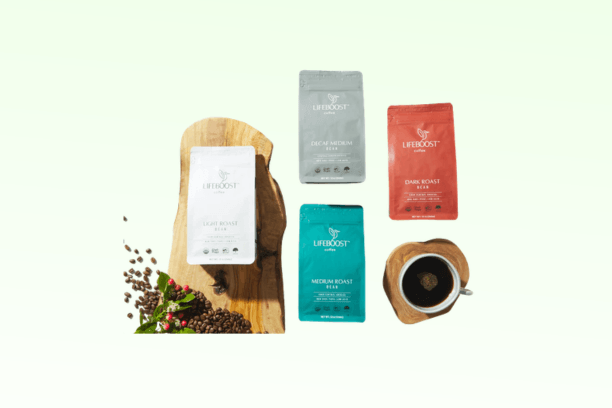
Lifeboost Coffee is a specialty coffee brand that focuses on low-acid, single-origin coffee products. Its offerings are designed for you if you experience issues such as stomach discomfort, acid reflux, bitterness, or sensitivity from regular coffee.
The brand highlights that its product range includes light, medium, and dark roasts. Other options include flavored coffees, espresso blends, mushroom coffee, decaf and half-caff options, cold brew varieties, and coffee pods.
In this review, we will examine Lifeboost Coffee’s product offerings, ingredients, sourcing approach, advantages, and potential limitations. We will also evaluate consumer feedback, brand transparency, and market positioning to better understand how the brand performs beyond its marketing claims.
About LifeBoost Coffee
Lifeboost Coffee combines specialty-grade Arabica coffee, emphasizing toxin screening, sustainable farming methods, and stomach-friendly coffee formulations. Its lineup includes Grata Medium Roast, Embolden Dark Roast, Optimist Light Roast, Espresso, Midnight Roast, and Medium Roast Decaf. The brand also extends into wellness-oriented coffee products through offerings such as Cognition Mushroom Ground Coffee and French Vanilla Cognition Mushroom Coffee.
As per the official website, the brand also offers multiple brewing and packaging formats, including whole bean coffee, ground coffee, pods, go bags, and capsules compatible with Nespresso machines. The company states that its beans are hand-selected, naturally sun-dried, mountain spring water-washed, and grown to full maturity before roasting. It also states that its coffees are USDA Organic certified and third-party tested for mycotoxins, molds, bacteria, pesticides, heavy metals, and more than 400 additional toxins.
LifeBoost Coffee Offerings
-
Standard Roasts
Standard roasts include Optimist Light Roast, Grata Medium Roast, and Embolden Dark Roast. The Optimist Light Roast is made to preserve the primary characteristics of the coffee beans, resulting in a brighter flavor profile with slightly higher acidity. Its lighter roasting process allows more of the bean’s natural tasting notes to remain noticeable.
The brand states that its Grata Medium Roast combines moderate body with smoother acidity while introducing fuller flavor development through the roasting process. It describes this roast with creamy, nutty, and chocolate-like characteristics along with subtle dried fruit notes.
The Embolden Dark Roast represents the boldest profile within the standard roast lineup. Dark roasts generally reduce the brightness found in lighter coffees while increasing smoky, bittersweet, and bold flavor characteristics.
-
Flavoured Coffees
Flavored coffees such as French Vanilla, Hazelnut, Crème Brûlée, and Caramel Macchiato are built on the brand’s medium roast, single-origin Arabica coffee beans. These beans naturally contain caffeine, which may help support alertness, focus, and energy levels, while also being known for a smoother taste, lower bitterness, and a more balanced flavor profile. Within its dessert-inspired lineup, the Crème Brûlée flavored coffee pairs low-acid medium roast with caramelized sugar and vanilla flavor extracts, creating a creamier and sweeter profile designed to resemble dessert-style coffee drinks.
-
Decaf Options
Decaf coffee options, such as Medium Roast Decaf and Dark Roast Decaf, are processed using the Swiss Water Process that helps remove most caffeine while preserving the coffee’s original flavor characteristics. This process is often associated with retaining more of the bean’s natural aroma and tasting notes compared to solvent-based decaffeination methods. Decaffeinated coffee provides almost the same functional benefits as coffee without caffeine.
The Medium Roast Decaf delivers rounded flavors, moderate acidity, and fuller body. Beans in this coffee also undergo multiple processing stages, including fermentation, spring water washing, drying, and toxin testing before roasting. Meanwhile, the Dark Roast Decaf in this range uses longer roasting times and higher temperatures to develop a heavier body and deeper roasted flavor profile.
-
Specialty & Espresso
Espresso coffee has a stronger and more concentrated brewing style. As per the official website, Espresso-style coffee contains concentrated caffeine levels, which support mental focus and short-term energy. Its concentrated brewing method also creates a richer texture and more intense flavor.
The espresso roast is positioned as a base for drinks such as lattes, macchiatos, and cappuccinos, where the stronger coffee profile is intended to withstand additions of dairy or alternative milks without becoming diluted in flavor.
-
Cognition Mushroom Coffee
Cognition Mushroom Coffee combines single-origin, shade-grown Arabica coffee with Lion’s Mane and Chaga mushroom extracts in a low-acid medium roast formula. As per the official website, Lion’s Mane in this formula may help support nerve growth factor activity, which plays a role in maintaining communication between nerve cells involved in focus, memory, and mental clarity. Chaga contributes antioxidant-rich compounds and beta-glucans that interact with immune-related cells and may help the body manage oxidative stress.
Alongside the mushroom extracts, the Arabica coffee provides caffeine and polyphenols that can support alertness by blocking adenosine receptors linked to fatigue. It is available in several variations, such as the original Cognition Mushroom Ground Coffee, French Vanilla Cognition Mushroom Coffee, Decaf Cognition Mushroom Coffee, and single-serve pod versions in regular, French vanilla, and decaf formats.
LifeBoost Coffee Advantage
-
Clean-Coffee Positioning
LifeBoost Coffee positions much of its product identity around extensive contaminant screening and purity-focused sourcing standards. Through its broader TrustPure™ process, the brand states that its coffee undergoes third-party testing for mycotoxins, mold exposure, pesticides, glyphosate, heavy metals, acrylamide, bacteria, and numerous additional contaminants commonly associated with coffee cultivation, storage, and processing environments.
The brand also claims to test for mycotoxins, which are mold-related compounds that can develop when coffee beans are improperly stored or processed. It frequently mentions mold screening, connecting these testing practices closely to its broader sourcing and quality standards. Its testing-focused approach can increase confidence in product purity, sourcing standards, and coffee quality.
LifeBoost Coffee Limitation
-
Supply-Chain Inflexibility
LifeBoost Coffee highlights a tightly controlled Nicaraguan sourcing network designed to preserve its low-acid flavor profile, shade-grown cultivation standards, and premium harvesting practices. It creates a concentrated regional dependency across the broader supply chain.
As the ecosystem relies heavily on a specific farming region, the company faces elevated exposure to regional weather disruptions, hurricanes, crop disease, transportation bottlenecks, labor fluctuations, and political or economic instability tied to Central America.
The concentrated sourcing model also limits the company’s ability to offset rising operational costs through lower-cost commodity sourcing or filler-region blending strategies.
Smaller-batch production methods and tightly controlled sourcing standards place sustained upward pressure on pricing, with many flagship bags remaining positioned above the $30 range. You may experience delayed subscriptions, temporary product shortages, higher coffee prices, and limited replacement options.
LifeBoost Coffee Alternatives
-
JP Organic Coffee
Java Planet presents itself primarily as a family-run organic coffee roaster. It is centered on certified organic specialty-grade Arabica beans, sustainable agriculture, and smoother coffee that may be easier on digestion. Lifeboost positions its coffee around toxin reduction, digestive comfort, and wellness-oriented routines.
The product catalogs of the two brands reflect these differences in positioning. Java Planet maintains a more focused coffee lineup built around traditional roasts and single-origin offerings. Its range includes Espresso Organic Blend, Good Morning Organic Blend, Black Magic Organic Blend, Ethiopia Organic, Sumatra Organic, and Papua New Guinea. The brand also offers green coffee beans for home roasting, which aligns with its specialty coffee and small-batch roasting identity. Meanwhile, Lifeboost operates with a much broader catalog that extends beyond standard coffee products. It offers medium, dark, light, espresso, and decaf roasts such as Grata Medium Roast, Embolden Dark Roast, Optimist Light Roast, Midnight Roast, and Medium Roast Decaf. The company also offers flavored coffees, mushroom coffee blends, pods, and capsules compatible with Nespresso machines. Seasonal and flavored products such as Pumpkin Spice, Crème Brulee, and Pineapple Upside-Down Cake further separate Lifeboost from Java Planet’s more traditional coffee-focused range.
Both companies emphasize low-acid coffee, but the explanations behind those claims differ. Java Planet attributes its lower-acid profile to certified organic beans grown slowly at high altitudes in mineral-rich soil. Lifeboost frames low acidity through its TrustPure process, shade-grown cultivation, mountain-grown beans from Central America, and roasting methods designed to reduce acidity and mold growth. Its website repeatedly references pH-tested beans and positions the coffee as stomach- and teeth-friendly.
Java Planet states that its beans are processed with minimal exposure to chemicals, molds, and heavy metals while emphasizing USDA-certified organic farming. It also highlights the absence of synthetic fertilizers, herbicides, fungicides, and pesticides. Lifeboost, in comparison, repeatedly highlights third-party testing for more than 400 to 450 substances. As per their official website, Java Planet remains more closely aligned with specialty organic coffee culture, emphasizing small-batch roasting, Bird Friendly sourcing, and traditional coffee quality. Lifeboost combines coffee with functional health messaging, toxin testing, proprietary processing systems, and wellness-focused product expansion.
-
Purity Coffee
As per its official website, Purity Coffee highlights USDA-certified organic arabica beans, fully traceable farms, and agricultural methods intended to support biodiversity, soil integrity, ecological balance, and carbon sequestration. It also states that farms using regenerative organic agriculture produced coffee naturally higher in antioxidants and CGAs during its testing process. Lifeboost focuses more on mountain-grown, shade-grown, single-origin arabica beans cultivated in Central America at elevations above 5,700 feet. The brand references hand-picked beans, spring water washing, sun drying, and fair trade sourcing while connecting high-elevation farming with lower acidity and reduced mold growth.
Their pricing structures also show some differences in catalog positioning. Purity Coffee’s standard whole bean products, such as Flow, Ease, Calm, Protect, and Balance, generally start from around $29 for regular bags. Its limited-release coffees, such as Gesha Coffee, are priced around $50, and specialty bundles like Sacred Cups collections reach around $60. Several single-origin releases, including Aponte Inga and Finca Santa Maria Decaf, are listed at around $32. However, Lifeboost operates across a wider pricing range due to its larger catalog and bundle-heavy structure. Core products such as Grata Medium Roast, Embolden Dark Roast, Espresso, and Optimist Light Roast generally range from about $28.99 to over $140, depending on bag size and subscription quantity. Its flavored coffees and mushroom blends, such as Cognition Mushroom Coffee, range from roughly $29.99 to nearly $150.
Both brands offer decaf coffee, but their messaging around decaffeination differs. Purity Coffee explains its use of the solvent-free Mountain Water® Process in detail, stating that it removes more than 99.9% of caffeine while preserving flavor compounds and antioxidants. The company also notes that roasting equipment is cleared before decaf production runs to avoid contamination from regular coffee beans. Lifeboost also sells decaf products, but decaffeination is less central to its positioning than maintaining low-acid and toxin-tested coffee across its product range. As per their official website, Purity Coffee is centered on antioxidant preservation, roast chemistry, and scientific testing. Lifeboost positions itself more around low-acid coffee, toxin screening, digestive comfort, and broad product variety.
Pros
- Low-acid coffee options available.
- Offers USDA organic certified products.
- The brand claims to follow a small-batch roasting process.
Cons
- Scientific claims may feel overstated.
- Premium positioning raises expectation pressure.
How Did We Evaluate?
-
Brand Credibility
To evaluate Lifeboost Coffee, we considered several factors, including the brand’s BBB accreditation status, complaint history, customer review patterns, and how the company publicly responds to consumer concerns. The brand has received an A+ BBB rating with a few complaints listed on the platform. Some users highlighted delayed order processing, delivery problems, or uncertainty around fulfillment timelines. In response, the company frequently cited carrier disruptions, seasonal order volume increases, or operational backlogs while also offering loyalty credits or refunds in some situations. These responses show an effort to resolve disputes, though they also highlight operational pressure points that affected customer satisfaction. Multiple customers felt that promotional offers were not fully transparent upfront or that subscription management was less straightforward than expected. Although the company often provided technical explanations or policy clarifications afterward, the repeated nature of these complaints suggests that parts of the purchasing process may create friction for some buyers.
Our evaluation suggests that Lifeboost Coffee has a real operational foundation and an established customer base. However, its aggressive promotional structure and subscription-focused sales model may create a purchasing experience that feels more complicated than consumers initially expect from a premium coffee brand.
-
Real User Experiences
We analyzed user experiences on Trustpilot to evaluate LifeBoost Coffee, where the brand currently holds a 4.7 rating based on 1,180 customer reviews. Many customers specifically mentioned switching to LifeBoost because traditional coffee caused acid reflux, heartburn, bloating, or stomach irritation. Some claimed they were able to continue drinking coffee comfortably after moving to LifeBoost’s low-acid blends.
We also evaluated the consistency of the product experience itself. Users repeatedly described the coffee as smooth, rich, non-bitter, and easier to drink compared to conventional grocery-store brands. Customers frequently praised flavored options, dark roasts, decaf selections, pods, and mushroom coffee blends. Several users mentioned maintaining subscriptions for years, which points toward sustained product satisfaction. However, a few consumers found certain roasts less bold or less robust than expected, particularly when compared to traditional dark roast coffees.
Based on our observation, LifeBoost Coffee seems to identify a very specific consumer frustration that mainstream coffee brands often ignore. However, much of the brand’s strength comes from perception-driven wellness positioning. We believe the brand’s long-term reputation will depend less on marketing and more on whether it can consistently deliver a smoother experience and make people feel the higher price is worth it over time.
Conclusion
LifeBoost Coffee places strong emphasis on high-altitude sourcing, specialty-grade beans, and third-party testing as part of its overall quality-control approach. However, scientific evidence supporting broader wellness-related claims tied to low-acid coffee remains limited, as personal responses to coffee vary based on factors such as caffeine sensitivity, digestive health, and overall diet.
Before considering Lifeboost’s offerings, it is important to consider that low-acid coffee still contains caffeine and may not fully prevent issues such as reflux, digestive discomfort, or sleep disruption for sensitive people. Functional blends containing added ingredients such as mushrooms or collagen may also require additional consideration if you have allergies, dietary restrictions, or supplement sensitivities.
It is essential to remember that purity testing does not eliminate natural variations in flavor, aroma, or consistency that can occur across coffee harvests and roast batches. The brand aims to combine specialty coffee sourcing with purity-focused positioning, though its scientifically limited wellness claims and broad product diversification remain important factors to evaluate.

Rachel has been a freelance medical writer for more than 18 years. She graduated from the University of Tennessee at Knoxville in 2005 and is currently practicing as a Certified Registered Nurse Anesthetist at a Level I trauma center.
Leave a Reply