

No products in the cart.
Contents
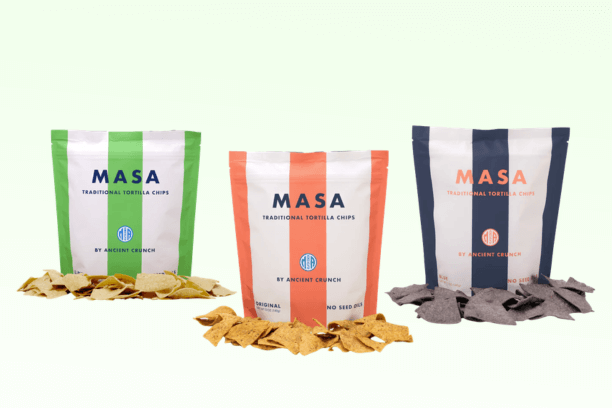
Masa Chips offers a simpler version of the traditional tortilla chip. It focuses on producing corn tortilla chips made with organic corn, grass-fed beef tallow, and sea salt.
The brand claims that it provides an alternative to conventional chips that often rely on refined vegetable oils and longer ingredient panels. Its product range includes classic options as well as flavored varieties, along with bundle packs designed for variety or bulk purchasing.
In this review, we will take a closer look at Masa Chips’ product range and compare it with similar snack brands. We will also evaluate its overall reputation based on available customer feedback and brand transparency.
About Masa Chips
According to the official website, Masa Chips is built around traditional preparation methods and a seed oil-free formulation. The brand operates within the packaged snack category, specifically tortilla chips. Its product range includes MASA Original, Cobanero, White, Hatch Chile, Blue, Lime, and Churro, along with bundle options for multi-pack purchases.
The makers state that Masa emphasizes the use of nixtamalized corn, in which corn is soaked and then cooked in an alkaline solution before being ground into dough. The company clarifies that it is not fully certified organic across every ingredient. Its corn is 100% certified organic and therefore non-GMO, while most spices are organic with a few exceptions noted on labels. As per the official website, Masa Chips prioritizes grass-fed sourcing for its tallow, explaining that many high-quality ranches are not certified organic.
Masa Chips Offerings
-
Masa Chips
Masa Chips is a seed oil–free tortilla chip made with corn, 100% grass-fed beef tallow, and sea salt. The chips are cooked in grass-fed tallow, which influences both flavor and fat stability.
As per the official website, corn in these chips is primarily a source of complex carbohydrates, which are broken down into glucose to supply energy for cellular processes. It may also support digestive function by adding bulk and promoting regular bowel movements. Corn provides trace minerals such as magnesium and phosphorus, which are involved in bone structure, enzyme activity, and energy metabolism.
The makers also used 100% grass-fed beef tallow, which is composed largely of saturated and monounsaturated fats, including stearic and oleic acids. These fats are structurally stable at higher cooking temperatures, making them less prone to oxidation during frying. Reduced oxidation can limit the formation of certain degradation compounds that may develop when highly polyunsaturated oils are heated. Grass-fed sources may also contain small amounts of vitamin A and vitamin K2, though levels can vary.
Masa Chips also has sea salt, which functions as an essential electrolyte in the body that might support nerve impulse transmission, muscle contraction, and fluid balance. The brand also offers other varieties such as Original, White, Lime, Cobanero, Churro, and Hatch Chile, each building on the same core ingredient structure.
Masa Chips Advantage
-
Anti-Industrial Food Brand Stance
Masa Chips highlights that it was launched after the founders struggled to find tortilla chips made with truly simple ingredients. The brand claims to keep its formula minimal and transparent. Its Original variety contains organic corn, grass-fed beef tallow, and sea salt, while flavored versions build on that same base without introducing seed oils, preservatives, or artificial additives.
Instead of frying in industrial seed oils like canola or sunflower oil, Masa uses grass-fed beef tallow. It deliberately avoids choosing a traditional cooking fat to align with a whole-food approach. This shift in fat source reflects the brand’s broader position against highly processed snack manufacturing.
The ingredient list remains short and easy to read. Every component is recognizable, without chemical-sounding additives or synthetic enhancers. That level of clarity makes it easier for you to understand exactly what you are eating and how it was prepared.
This can mean greater control over ingredient quality, fewer highly refined inputs in your diet, and a snack option that aligns more closely with whole-food preferences while still delivering crunch and flavor.
Masa Chips Limitation
-
Influencer-Led Brand Awareness
Masa Chips relies heavily on influencer-driven marketing to build brand awareness. Much of its visibility comes from digital platforms, where exposure depends on algorithm performance, influencer reach, and sustained online engagement. This structure keeps promotion concentrated within social media rather than across broader advertising channels.
The brand has limited presence in traditional mass media or large-scale in-store marketing campaigns. Recognition can fluctuate based on shifting social trends instead of steady, long-term advertising support. Visibility may rise quickly with online momentum but can also taper when attention moves elsewhere. If you do not follow relevant creators or frequently encounter sponsored content, you may not come across the brand during regular grocery shopping. This could mean lower awareness, limited product familiarity, and fewer opportunities to compare it alongside more widely marketed snack options.
Masa Chips Alternatives
-
Vaca Chips
Vaca Chips centers its identity on restaurant-style tortilla chips fried in 100% pure beef tallow. The brand specifies that its chips are made with organic corn, beef tallow sourced from cattle raised without any antibiotics or added hormones, and sea salt. It repeatedly highlights claims such as seed oil-free, non-GMO, zero preservatives, made in the U.S.A., hormone-free, and antibiotic-free. The ingredient list remains consistent and minimal across its lineup, supporting a tightly controlled formulation. On the other hand, MASA Chips also emphasizes seed oil-free tortilla chips cooked in tallow and references three natural ingredients as its base. However, the brand operates under the Ancient Crunch umbrella and combines a broader ingredient set in certain flavors. For example, its Hatch Chile variety includes green chiles, purple stripe garlic, onion, and oregano, expanding beyond a strictly three-ingredient framework.
The contrast becomes more visible in their flavor portfolios. Vaca Chips offers a concise selection, such as Original, Classic Ranch, Zesty Lime, and a Variety Pack. The Original flavor is described as crispy, classic restaurant-style chips with buttery tallow richness, while Ranch and Lime build on the base with creamy, tangy, or citrus notes. Meanwhile, MASA Chips presents a more diversified catalog, including Original, White, Blue, Lime, Cobanero, Hatch Chile, Churro, and Bundles. The addition of Blue corn and specialty peppers such as Cobanero and Hatch Chile reflects regional and ingredient-specific variations. The Churro flavor introduces a sweet profile, extending the brand beyond traditional savory tortilla chips.
Their functional messaging also differs in emphasis. Vaca Chips associates beef tallow with sustained energy, sharper focus, and satiety, stating that natural fats provide steady energy without crashes linked to seed oils. It also describes its ingredients as nutrient-dense and supportive of easy digestion. In comparison, MASA Chips highlights outcomes such as feeling fuller on fewer chips, clearer skin, and reduced bloating. While both brands promote seed oil avoidance and simplicity, Vaca focuses more on sourcing standards and fat composition, whereas MASA frames its messaging around experiential and consumer-perceived outcomes.
Retail presence further distinguishes the two. Vaca Chips features an extensive store locator listing specialty grocers, butcher shops, and premium markets across numerous U.S. states. Retailers mentioned include Bristol Farms, Gelson’s, and Herban Market. The brand also promotes free shipping on orders over $50 and supports wholesale distribution. On the other hand, MASA Chips lists select retail partners such as Sprouts Farmers Market and independent stores, but its website places greater emphasis on direct-to-consumer purchasing.
Vaca Chips maintains a narrower product range with strong emphasis on organic corn, hormone-free beef tallow, and traditional restaurant-style preparation. MASA Chips offers a wider flavor spectrum and a stronger focus on culinary integration and bundled online sales.
-
Hola Mija Chips
According to the official website, Hola Mija focuses on authentic Mexican flavor and Los Angeles production. It references traditional nixtamal techniques and emphasizes that its chips are made from organic corn tortillas fried in premium grass-fed beef tallow. It explicitly avoids seed oils and highlights gluten-free and non-GMO ingredients, along with the use of high-quality salt such as Celtic sea salt. The brand’s ingredient sourcing is tied to Southern California, strengthening a localized production focus and a stated goal of providing a healthier option.
On the other hand, MASA frames its identity around ingredient simplicity and functional clarity. The brand states that its chips contain three core ingredients such as organic corn, grass-fed tallow, and sea salt. It also explains that its corn is 100 percent certified organic. It clarifies that while the entire product line is not fully certified organic, organic ingredients are selected where considered most critical. For example, the brand prioritizes grass-fed sourcing for tallow even if it is not fully organic certified, and notes that most spices are organic, with exceptions labeled. This level of sourcing explanation is more detailed compared to the information provided by Hola Mija.
Product variety represents a significant contrast. Hola Mija maintains a focused lineup centered on its Original beef tallow tortilla chips, available in 2oz and 7oz formats. It also offers multi-packs in 3-pack, 6-pack, and 12-pack configurations. Flavor variation appears limited, with emphasis placed on a single core flavor profile rather than multiple seasoning options. Meanwhile, MASA offers a broader flavor portfolio that includes Original, White, Blue, Lime, Hatch Chile, Cobanero, and Churro varieties, along with bundles and additional merchandise categories. The addition of both savory and sweet options, such as Hatch Chile and Churro, indicates greater flavor diversification.
Pricing transparency also varies. Hola Mija lists its pricing clearly, with the 2-oz bag priced at around $4.99-$5.99 and the 7-oz bag at around $10.99-$15.00. Multi-pack options range from $32.50 for a 3-pack to $124.99 for a 12-pack. MASA provides more structured bulk pricing tied to box quantities. For example, a 6-bag box of 5oz chips is listed at $63.20 under its subscription model. You can select flavor, bag size, and box size, and choose between a one-time purchase or a subscription offering 20% savings with delivery every four weeks.
Both brands share foundational similarities in using grass-fed beef tallow and eliminating seed oils. However, Hola Mija presents a culturally rooted, tightly focused product line with localized sourcing emphasis, while MASA demonstrates broader flavor diversity and more detailed sourcing disclosures.
Pros
- Claims that its chips are cooked in grass-fed beef tallow instead of industrial oils.
- Promotes a small-batch production approach.
- Focuses exclusively on tortilla chips rather than multiple snack types.
- Maintains a short and transparent ingredient list.
Cons
- Some customers reported poor customer service communication in independent reviews.
- A few users in independent reviews reported occasional quality issues.
How Did We Evaluate?
-
Customer Feedback and Experiences
To evaluate Masa Chips, we reviewed verified Amazon customer ratings, where the brand’s Chips Snack Pack holds a 3.9 out of 5 average score from 849 reviews. Some users claimed the chips reflect a more traditional preparation style, while many customers highlighted the use of beef tallow instead of seed oils as a distinguishing feature. Several users referenced the short ingredient list and described the product as less processed compared to mainstream tortilla chips. Many customers highlighted the thickness and dense crunch, noting that the chips felt more filling than standard alternatives. A few users highlighted that they consumed smaller portions due to satiety, while others mentioned fewer digestive complaints compared to other brands.
However, some customers mentioned the salt level was higher than expected, and a few users described the chips as excessively salty relative to conventional options. Several users questioned the value relative to quantity, even if they acknowledged ingredient quality. Many customers also noted a distinct flavor profile associated with beef tallow, which may not align with all taste preferences.
On the other hand, the brand has limited availability on Trustpilot, which restricts broader cross-platform review analysis. This limits visibility into independent third-party sentiment outside marketplace-based feedback.
Based on available customer feedback, Masa Chips appears positioned as a premium, ingredient-focused chip brand. Many customers highlighted formulation and texture as strengths, while some users claimed that pricing and salt intensity reduced perceived value.
The brand seems to attract a specific group of users prioritizing preparation method and ingredient simplicity, though affordability and taste preference variability remain relevant considerations.
-
Brand Credibility
Masa Chips operates in the packaged snack category, offering masa-based chips that emphasize flavor, texture, or ingredient quality. The brand holds a 5.0 rating on Tenereteam, but this rating is based on a small review count. While the score itself is positive, the sample size is too small to provide statistically meaningful insight into overall customer satisfaction. A limited number of reviews does not offer sufficient information to evaluate consistency in product quality or service performance.
We also reviewed the brand’s presence on established business accountability platforms. Masa Chips is not currently listed on the Better Business Bureau. This absence does not indicate negative business practices, particularly for smaller or emerging brands. However, it does mean there is no accessible record of complaint history or dispute resolution data through that channel.
Our evaluation indicates that while early sentiment appears positive, the available data is not extensive enough to support strong conclusions regarding long-term credibility or operational track record.
Frequently Asked Questions
- Are Masa Chips’ offerings suitable for people who avoid highly processed snacks?
The brand states that its chips use non-GMO organic corn prepared through traditional nixtamalization, grass-fed beef tallow for frying instead of seed oils, and sea salt. They mention avoiding additives and preservatives, which may suit you if you are limiting ultra-processed foods. However, they are not vegetarian and still contain corn-based carbohydrates. - Is Masa Chips appropriate for portion-controlled snacking?
Yes, but only with active portion control. The brand’s chips provide around 150 calories and 8g of fat per 1 oz (28g) serving, which can be comparable to standard tortilla chips. They are not low-calorie, and pre-measuring is essential. Ingredient simplicity doesn’t reduce calorie density or overeating risk. - Do Masa Chips’ offerings contain whole corn kernels or finely milled masa?
The brand states that its offerings are made from finely milled organic corn masa rather than whole corn kernels. The corn undergoes traditional nixtamalization, where it is cooked in limewater and ground into a smooth dough before being shaped and fried, leaving no intact kernels in the final chips.
Conclusion
Masa Chips claims focus on whole-food sourcing, seed oil avoidance, and a stable fat source for frying rather than product diversification. However, despite ingredient simplicity, its products are still a fried snack with high caloric density. Beef tallow contributes saturated fat, which may be relevant if you monitor lipid intake. The use of animal-derived fat also excludes vegan or strictly plant-based dietary patterns. The brand’s visibility relies heavily on digital channels, with more limited large-scale retail distribution, which may affect accessibility.
If you value a short ingredient list and traditional preparation methods, the brand’s approach may align with your preferences. At the same time, factors such as saturated fat content, fried preparation, dietary restrictions, and online-focused availability may influence how well it works within your broader eating habits.

Rachel has been a freelance medical writer for more than 18 years. She graduated from the University of Tennessee at Knoxville in 2005 and is currently practicing as a Certified Registered Nurse Anesthetist at a Level I trauma center.
Leave a Reply