

No products in the cart.
Contents
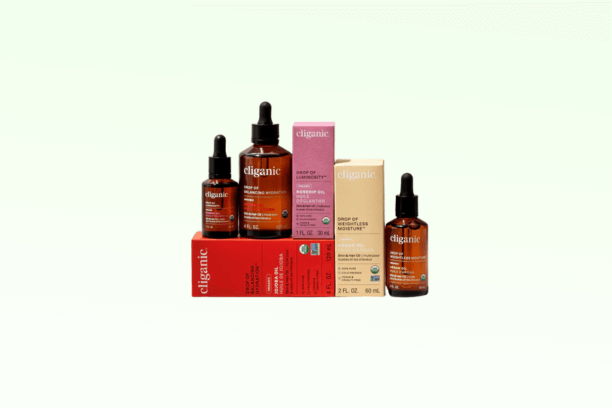
Cliganic focuses on plant-based formulations, and its catalog includes skin and hair oils, essential oils, mosquito repellents, lip balms, diffusers, and some dietary supplements.
Cliganic claims that its offerings may support better hydration, scalp support, or aromatherapy routines. It also offers mood-based essential oils that might help with relaxation, energy, or sleep.
In this review, you’ll learn more about the brand’s background, principles, and how it approaches product development. The guide also covers a breakdown of its product categories, examines both the brand’s advantages and limitations, and explores how it compares to other similar brands in the market.
About Cliganic
Cliganic offers a wide range of personal care products, including essential oils, carrier oils, mosquito repellents, lip balms, and wellness supplements. The brand claims that all its products use organic and non-GMO ingredients and emphasizes third-party certifications such as USDA Organic, EWG Verified®, Non-GMO Project Verified, GOTS, Cruelty-Free, and Vegan (with the exception of lip balms, which contain beeswax).
As per the official website, Cliganic’s product line includes single essential oils like lavender, peppermint, and tea tree, as well as carrier oils such as jojoba, argan, and castor. The brand also sells oil-infused mosquito repellent patches and bracelets, and basic wellness products like cotton rounds and diffusers. Cliganic also focuses on reducing landfill waste by using recyclable glass and post-consumer recycled plastics when feasible.
Cliganic Bestsellers
-
Cliganic Jojoba Oil
Cliganic’s Jojoba Oil is cold-pressed and can be used on your skin, hair, and nails. It may help hydrate without clogging pores or leaving a greasy residue.
Jojoba oil’s molecular structure is similar to human sebum, which makes it compatible with your skin’s surface. This allows it to support your skin’s barrier function, which may help balance oil production and reduce visible dryness. It may also help soften rough areas such as elbows, knees, and heels, and improve the appearance of fine lines caused by dehydration.
Jojoba Oil also contains natural forms of vitamin E, B-complex vitamins, and essential fatty acids, which could support skin repair, inflammation reduction, and wound healing.
The makers state that using this oil on your scalp may help soothe irritation, reduce flakiness, and support moisture retention. It could also help reduce visible frizz, coat dry strands, and prevent breakage caused by dryness. The official website states that Jojoba Oil can be applied directly to damp skin after bathing, mixed into moisturizers, used as a scalp oil, or massaged into dry hair ends.
-
Cliganic Rosehip Oil
Cliganic offers Rosehip Oil, which may help nourish your skin as it is naturally rich in vitamins A and E. It might help visibly improve your skin tone, smooth fine lines, and brighten dull complexions.
Rosehip oil is a natural source of phenolic acids, particularly p-coumaric acid, known for their antioxidant and anti-inflammatory properties that might help protect the skin from environmental stress and oxidative damage. It also has essential fatty acids such as linoleic and linolenic acids, which strengthen the skin’s moisture barrier, support hydration, and reduce visible redness and irritation.
Rosehip oil may contain ethyl esters, vanillin, and vanillic acid, compounds that offer subtle fragrance and added antioxidant benefits.
This oil may provide better hydration that targets common concerns such as flaky skin, uneven tone, and the appearance of wrinkles. It can also help nourish damaged strands, tame flyaways, and enhance natural shine.
The makers state that to combine Rosehip oil in your routine, apply it to clean skin after a shower for optimal absorption, focusing on dry areas like elbows and knees. For hair, smooth 2–4 drops onto damp or dry strands to condition and soften without weighing it down. You can also blend a few drops with Cliganic’s Jojoba or Squalane Oil for a custom serum that may support a soft, healthy glow.
-
Castor Oil By Cliganic
Cliganic’s Castor Oil contains a high concentration of ricinoleic acid, which has potent moisturizing and anti-inflammatory properties. It might help soften the look of wrinkles, soothe irritated areas, and support a smoother, healthier-looking complexion.
Castor oil may help improve blood circulation when massaged into the skin, which can support healthier follicles. Its antimicrobial properties, especially against common skin pathogens like Staphylococcus aureus, can also help maintain a cleaner scalp environment. Castor oil also contains vitamin E, sterols, and other triglycerides that support its emollient and protective actions. The makers state that the oil’s viscosity could help coat each strand, reducing friction, split ends, and moisture loss from the hair shaft. This sealing effect could help manage brittle or damaged hair.
-
Cliganic Argan Oil
Cliganic offers Argan Oil, which is rich in vitamin E (tocopherol), oleic acid (omega-9), and linoleic acid (omega-6) that might help maintain skin barrier function and support cellular repair.
Argan oil’s high concentration of tocopherol may work as an antioxidant, helping to neutralize free radicals and decrease oxidative stress that contributes to premature skin aging. The oleic and linoleic acids could assist in maintaining your skin’s lipid layer, enhancing moisture retention without clogging pores. This balance may support skin elasticity, helping you manage fine lines, dry patches, and uneven tone.
The makers state that Argan oil could also help reduce transepidermal water loss (TEWL), allowing your skin to retain hydration more effectively. When applied to hair, argan oil penetrates the hair shaft, where its lipid content helps smooth the cuticle, reduce breakage, and restore surface luster, especially in dry or damaged strands. It may also help reduce scalp dryness due to its emollient properties.
-
Cliganic Frankincense Essential Oil
As per the official website, Frankincense Essential Oil by Cliganic has a resinous, woody, and slightly spicy aroma, which may promote emotional balance. It contains bioactive compounds like alpha-pinene and boswellic acids, which have calming and anti-inflammatory properties. In aromatherapy, inhalation of its volatile terpenes may interact with the limbic system, an area of the brain involved in regulating emotions to help reduce feelings of stress and enhance mental clarity. The makers state that diffusing a few drops of Frankincense Essential Oil can subtly transform your space, promoting a centered and peaceful atmosphere.
-
Cliganic 100% Pure Vitamin E Oil
100% Pure Vitamin E Oil by Cliganic contains d-alpha tocopherol, the naturally occurring and most biologically active form of vitamin E. It may support your skin, hair, and nail health by targeting oxidative stress at the cellular level.
As per the official website, 100% Pure Vitamin E Oil might help protect skin lipids and cell membranes from free radical damage, which might support premature aging. It could help preserve collagen integrity and enhance skin barrier function by stabilizing reactive oxygen species, which may reduce transepidermal water loss (TEWL) and improve moisture retention. This antioxidant activity could support a smoother, more resilient skin texture, helping reduce fine lines, rough patches, and environmentally stressed skin. The makers state that 100% Pure Vitamin E Oil may also aid in tissue repair and inflammation modulation, which can assist with the appearance of sunspots, discoloration, or scarring.
-
Cliganic Peppermint Essential Oil
Cliganic’s Peppermint Essential Oil contains menthol, menthone, and 1,8-cineole, which offer a strong cooling effect and functional uses in topical and aromatic applications.
The makers state that the menthol in Peppermint Essential Oil activates cold-sensitive TRPM8 receptors on your skin, producing a cooling sensation that may help ease muscle tension and provide a refreshing effect on the skin or scalp.
When inhaled, compounds like menthol and 1,8-cineole interact with the olfactory system and trigeminal nerve pathways, stimulating areas of the brain such as the prefrontal cortex and brainstem. This activity is associated with increased alertness, improved cognitive performance, and a perceived ease in breathing.
The official website mentions that for topical use, Peppermint Essential oil should be diluted, typically 1 drop per 1 teaspoon (5 mL) of carrier oil, to lower the possibility of skin irritation due to its high concentration.
-
Cliganic Spearmint Essential Oil
Spearmint Essential Oil by Clinganic is a single-origin, USDA-certified oil extracted via steam distillation from the leaves of Mentha spicata. It has a sweet, herbal, and minty aroma, which makes it suitable for aromatherapy applications that may provide a refreshing feeling without overwhelming your senses.
Spearmint oil contains carvone and limonene, which could support cognitive alertness, ease mild digestive discomfort, and promote respiratory ease through topical or aromatic use. Carvone, in particular, can help with muscle relaxation and has antispasmodic effects, which can potentially help reduce tension or promote a calm, balanced mood.
Cliganic Advantages
-
Cruelty-Free Brand
Cliganic is certified cruelty-free, meaning the products you use haven’t been tested on animals at any stage. The brand also doesn’t outsource animal testing to third parties, and an external certification verifies this policy. If you’re looking to avoid products developed through animal testing, this gives you a clear standard to follow. It helps you make choices that match your values or lifestyle preferences, especially if you follow a cruelty-conscious or vegan routine.
-
Minimalist Packaging with Informative Labeling
Cliganic’s minimalist packaging provides specific, functional details that can help you use their products more confidently and safely. The brand offers products with labels including the botanical name (e.g., Mentha Piperita), plant part, and extraction method, along with clear usage directions, dilution guidelines, and safety warnings.
This reduces the need to search elsewhere for basic information and lowers the risk of misuse, especially if you’re new to essential oils. As per the official website, Cliganic uses recyclable amber-glass bottles to protect the oils from light exposure, which helps preserve their quality over time. Functional features like orifice reducer caps allow for controlled dispensing, making it easier to avoid spills and overuse. The brand also provides recycling instructions, which can simplify disposal if you’re trying to minimize waste. This setup gives you practical tools for safer, clearer, and more efficient use without unnecessary complexity.
Cliganic Limitations
-
Limited Ingredient Traceability
Cliganic offers broad claims around seed-to-shelf traceability and certifications like USDA Organic and Non-GMO, but it lacks specific sourcing details for its botanical ingredients. The brand does not disclose batch numbers, farm locations, or exact countries of origin for each product. For instance, peppermint oil may be labeled as sourced from “multiple countries depending on yield,” without clarifying where a particular bottle comes from or under what conditions it was produced. This limited transparency makes it difficult to verify the quality, ethical sourcing, or environmental impact of the product. This means you have less control over knowing what’s in your bottle, where it came from, and whether it aligns with your personal values or product standards.
Meanwhile, Plant Therapy publishes batch-specific GC/MS test reports and sourcing details directly on product pages, while Edens Garden lists country of origin and growing conditions such as soil and altitude. These disclosures help you assess purity, traceability, and sourcing practices more clearly, something Cliganic’s current approach does not offer. Without this level of detail, you may find it harder to make informed decisions if transparency and accountability matter to you.
-
Lack of In-House Aromatherapist Support
One limitation of Cliganic is the lack of in-house certified aromatherapist support. While Cliganic brand offers an extensive range of essential oils, it does not provide access to qualified professionals who can guide you on proper usage, safe dilution, or specific applications based on your needs. This gap can leave you without reliable, personalized information, especially important if you’re new to essential oils, managing sensitivities, or using them around children or pets. Without expert input, you may end up relying on generic advice or unverified online sources, which can increase the risk of improper use or adverse reactions.
Meanwhile, brands like Plant Therapy and Edens Garden offer in-house certified aromatherapists as part of their customer support. Plant Therapy allows you to contact their aromatherapist team directly for guidance via email or live chat, while Edens Garden provides access to certified experts for product advice, safety tips, and personalized recommendations. This kind of professional support gives you more confidence in how you use the products and helps reduce guesswork, something Cliganic currently does not offer.
Pros
- Certified cruelty-free with no animal testing at any stage of production.
- Uses minimalist packaging with detailed, informative labeling.
- Offers recyclable amber-glass bottles to protect oil quality from light.
- Shares USDA Organic and Non-GMO Project Verified certifications.
Cons
- Does not provide batch-specific sourcing details like farm or origin country.
- Does not include GC/MS test results with product listings.
- No in-house certified aromatherapists are available for customer guidance.
Cliganic Alternative Brands
-
Plant Therapy
Plant Therapy maintains a broader and more segmented product range. Its offerings include single essential oils, blends, roll-ons, CBD items, and a KidSafe® line formulated with use-case restrictions for children. Examples include the Germ Fighter Essential Oil Blend ($11.99 for 10 mL), Lavender Essential Oil ($9.49 for 10 mL), and Sniffle Stopper KidSafe Essential Oil ($13.99, discounted). On the other hand, Cliganic’s catalog is narrower, focusing primarily on single-ingredient personal care carrier oils. Its product range includes options such as Jojoba Oil ($12.99 for 4 oz), Rosehip Oil ($11.99 for 1 oz), and Peppermint Essential Oil ($8.99 for 10 mL), which reflect this minimal product structure. The brand does not offer proprietary blends, child-specific products, or oils labeled for targeted therapeutic use.
Plant Therapy provides public access to batch-specific test results that are reviewed by certified aromatherapists and chemists. Products like Tea Tree Essential Oil ($11.99 for 10 mL) and Lemon Essential Oil ($12.99 for 10 mL) are listed alongside their test documentation. Cliganic mentions third-party testing but does not provide access to batch-level lab reports. Certification scope also differs, as while both carry USDA Organic and cruelty-free labels, Plant Therapy adds Leaping Bunny, ECOCERT, and Non-GMO Project verification. Cliganic’s product certifications are fewer in comparison.
Plant Therapy includes detailed usage and safety data on its website, including dilution ratios, dermal limits, and phototoxicity risks based on IFRA and Tisserand guidelines. It also offers a library of usage charts and oil-specific references. Cliganic’s usage information is limited to general tips such as how to use oils in diffusers or with carrier oils. Products like its 100% Pure Vitamin E Oil ($12.99 for 1 oz) include basic application claims but lack specific safety parameters.
Cliganic’s pricing strategy focuses on affordability, with most oils priced under $15 and promotions like bundle discounts with free shipping on orders over $40. Its catalog includes bundles such as the Face, Hair, and Body Bundle ($32.82) and carrier oil trios. Plant Therapy’s pricing, on the other hand, varies more based on product type, certification, and blend formulation, with prices ranging from $7.99 to $18.99 for items like Frankincense Carterii Essential Oil. While priced higher in some cases, the brand’s structure reflects expanded certification and product segmentation.
Plant Therapy develops use-specific formulations such as Germ Fighter and Respir Aid, and its KidSafe® line includes oils with restrictions for younger users. Cliganic maintains a consistent model of single-origin oils and does not offer functional blends or niche-use lines. While both brands label their products as pure and organic, their offerings differ in depth, documentation, and use-case specialization.
-
Edens Garden
Edens Garden takes a clinical and documentation-heavy approach to essential oils. It offers over 175 single oils, such as Angelica Root Essential Oil (10 ml, $69.95) and Blue Tansy Essential Oil (10 ml, $47.95), alongside mid-range options like Basil-Lemon (10 ml, $15.95) and Bergamot (10 ml, $14.95). All oils undergo both in-house and third-party GC/MS testing, with batch-specific reports made publicly available. Additional testing methods include refractive index and organoleptic analysis, typically used to validate oil identity and stability. The brand’s catalog includes proprietary blends and category-specific products like the OK For Kids® line, developed with certified aromatherapists.
On the other hand, Cliganic markets a simplified range of USDA Organic-certified essential oils and plant-based carrier oils. Its product range includes options like Lavender (10 ml, $9.99), Peppermint (10 ml, $8.99), and Frankincense (10 ml, $9.99) that fall into a lower price bracket.
Edens Garden allows returns within 30 days of purchase without requiring a specific reason, including for lightly used products. You must include their order ID and handle the return shipping costs yourself. The brand does not reimburse original shipping charges. In comparison, Cliganic offers a 60-day return window but limits returns to unused items in original packaging. You must contact support in advance to obtain return instructions, and proof of purchase is required. Like Edens Garden, Cliganic does not cover return shipping.
In comparing Edens Garden and Cliganic based on their 2025 Amazon product reviews, several differences in user experience and product application stand out.
Reviews for Edens Garden’s Tea Tree Essential Oil, dated between May 9 and June 27, 2025, focus more on scent and general product satisfaction. One reviewer found the tea tree oil effective for facial use despite its strong smell. Another highlighted the peppermint oil’s wide range of uses but did not elaborate on specific results. However, most feedback lacked details about how the oils were used or what specific benefits were observed, suggesting more casual or traditional use centered around aroma and perceived quality.
On the other hand, Reviews for Cliganic’s Lavender Essential Oil, dated between July 13 and July 26, 2025, highlight its multi-functional use, especially in skincare and DIY routines. One reviewer described adding a few drops to their daily moisturizer, reporting noticeable improvements in skin texture, reduced redness, and a calming effect. Another user mentioned incorporating Cliganic’s clove bud oil into homemade hair oil, body butter, and natural deodorant. Across several reviews, users referenced the product’s organic and non-GMO certifications, indicating a preference for clean and trustworthy ingredients.
Edens Garden focuses on providing a wide range of clinically tested essential oils with detailed documentation and aromatherapist-developed blends, while Cliganic provides a simpler, organic-certified selection at lower price points, focusing on clean ingredients.
How Did We Evaluate Cliganic?
-
Brand Credibility
Our evaluation of Cliganic considered its brand history, third-party ratings, and customer feedback across verified platforms. Founded in 2016, Cliganic is a relatively young brand focused on organic and natural wellness products. It has expanded its product line to include essential oils, carrier oils, and self-care items. While the brand promotes a clean and minimalist approach, it lacks in-depth background or public leadership details, which may limit transparency.
Cliganic holds an A+ rating from the Better Business Bureau (BBB). This suggests a strong commitment to handling customer issues and maintaining reliable business practices, especially within the U.S. However, the brand is not listed on Trustpilot, a notable gap that restricts access to broader, global consumer reviews.
Cliganic is also rated on Tenereteam, where it has a 4.0 out of 5 average, based on just seven reviews. While the sample size is small, the breakdown indicates some strengths. It scores 5.0 for value and 4.5 for price and quality, showing customers generally feel they get good products at fair prices. The return policy (4.7) is another highlight, pointing to a consumer-friendly approach. Ratings for customer service (4.0) and shipping & delivery (4.0) are decent but don’t reflect standout performance in those areas.
Cliganic appears to offer good value and accessible wellness products backed by fair return policies and a high BBB rating. However, its relatively short history, limited public information, and minimal third-party review presence may make it harder to analyze its long-term reliability or global reputation.
-
Return and Refund Procedure
We reviewed Cliganic’s return and refund policy to assess the level of post-purchase support offered to customers. The brand provides a 60-day return window, which is more generous than the typical 30-day period most companies offer. This extended timeframe can be helpful if you need extra time to evaluate your purchase.
However, this flexibility comes with several limitations. Returns are only accepted if the product is unused, in its original package, and includes proof of purchase. Additionally, customers must cover the cost of return shipping, which adds both inconvenience and expense.
Replacements are only available for items that are defective or damaged, and these issues must be reported within 30 days of delivery. To qualify, customers must also submit photographic evidence. Order changes or cancellations are not guaranteed once an order is placed, meaning that if the item has already shipped, you’re left to navigate the return process on your own.
It’s also important to note that Cliganic does not handle returns or exchanges for products that are purchased through third-party retailers. In those cases, customers must work directly with the original seller.
While Cliganic’s extended 60-day return window is a plus, the policy is weighed down by several restrictions and added responsibilities for the customer. The requirement for unused condition, original packaging, and proof of purchase, along with no support for third-party returns, makes the policy less customer-friendly than it initially appears.
Frequently Asked Questions
- Can I use oils offered by Cliganic for internal consumption?
No. Cliganic does not recommend internal use of its essential oils. Their oils are intended for external use only, such as aromatherapy, topical use (with dilution), or household purposes. - Can Cliganic oils stain fabrics or surfaces?
Yes. Oils like Clove and Cinnamon Cassia from Cliganic’s range can stain light-colored fabrics or damage wood and plastic surfaces if used undiluted. To avoid this, apply them carefully and clean any spills right away. - Are essential oils offered by Cliganic safe to use around pets?
While Cliganic claims that its essential oils are USDA Organic and marketed as pure, oils like tea tree, eucalyptus, and peppermint can be harmful to pets, especially cats and dogs. Consult a vet before using them in diffusers or topically in a shared space.
Conclusion
Cliganic focuses on skin and hair oils along with essential oils that are USDA Organic, Non-GMO, and cruelty-free certified. Its range of cold-pressed carrier oils and steam-distilled essential oils is for external use across skincare, haircare, and aromatherapy.
However, the brand does not offer complex formulations, advanced blends in skin and hair oil lines, or targeted options. Ingredient traceability is limited as batch-specific sourcing and country-of-origin details are not disclosed. There is also no in-house aromatherapist support, which may affect you if you need professional guidance. Independent reviews remain limited due to the brand’s absence from major platforms like Trustpilot.
Cliganic offers oils that are not FDA-certified as food-grade and are marked for external use only. Organic status does not indicate suitability for ingestion unless the product is explicitly labeled GRAS (Generally Recognized As Safe) and used under qualified supervision.
Misuse, such as undiluted application or use on sensitive skin, can lead to irritation or adverse effects. You should evaluate intended use, follow dilution guidelines, and avoid applying oils around children and pets.

Rachel has been a freelance medical writer for more than 18 years. She graduated from the University of Tennessee at Knoxville in 2005 and is currently practicing as a Certified Registered Nurse Anesthetist at a Level I trauma center.
Leave a Reply