

No products in the cart.
Contents
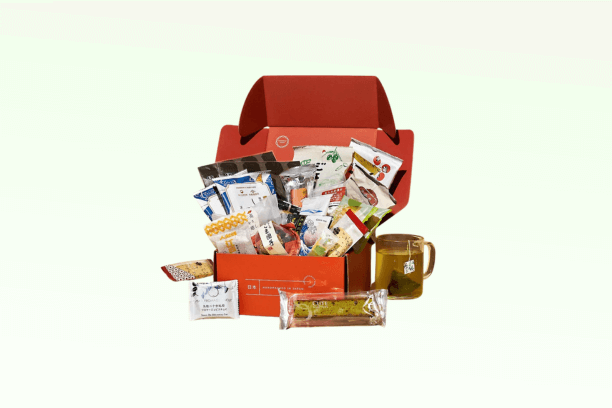
Bokksu is a Japan-focused snack subscription and online marketplace brand created to bring authentic Japanese food experiences worldwide. The company claims to partner directly with traditional snack makers across Japan to curate a monthly variety of regional sweets, savory snacks, and tea pairings. The brand highlights artisan snacks produced by small, multi-generational businesses known for preserving regional recipes and specialty techniques.
In this review, we take a closer look at Bokksu’s overall service model and the variety and uniqueness of its offerings. We will also examine real user experiences to understand how the brand performs in terms of value, product quality, and long-term customer satisfaction.
About Bokksu
Founded by Danny Taing in 2016, Bokksu offers curated snack boxes packed with products sourced directly from local Japanese makers. The brand’s core offering is the Bokksu Snack Box, a monthly subscription that includes 20–22 Japan-exclusive snacks, candies, and a tea curated around seasonal themes, Japanese festivals, or regional specialties. Beyond subscriptions, it also operates two additional retail extensions, such as Bokksu Boutique and Bokksu Market. Bokksu Boutique, launched in 2018, allows you to purchase Japanese snack collections, lifestyle goods, and curated gift boxes without a subscription. Bokksu Market, introduced in 2021, expands the brand into everyday Asian grocery essentials designed for cooking and daily consumption.
Snack Box Subscription
As per the official website, the Snack Box Subscription from Bokksu is a recurring delivery service that is available in 1-, 3-, 6-, and 12-month plans. The makers state that each box typically includes 20 to 22 curated snacks along with a tea pairing. You receive a mix of mochi, senbei rice crackers, cookies, cakes, chips, and regional sweets, offering a balance of sweet and savory flavors. Many selections are produced in limited batches or created exclusively for Bokksu, making them difficult to access outside Japan.
Your first delivery includes the Seasons of Japan welcome box, which introduces a variety of regional specialties such as Zawawa Sablé, Handmade Yuzu Sake Candy, Tsukisamu Anpan Chocolate, Vegetable Arare Tomato crackers, and Organic Genmaicha Tea. After the initial shipment, every monthly box follows a new themed curation inspired by Japanese seasons, festivals, or specific prefectures, allowing you to explore changing flavors throughout the year.
According to the brand, each delivery also contains a 20 to 24-page Culture Guide that explains snack origins, producer stories, flavor notes, and allergen details. This guide adds cultural context and helps you understand how each product connects to local traditions and regional food practices.
Bokksu Advantages
-
Century-Old Artisan Partnerships
Bokksu states that it partners directly with local, artisanal, and often family-owned snack makers across Japan, including several long-established, multi-generational businesses. Since 2016, the brand claims to support more than 100 makers who focus on maintaining regional food traditions and craft-based production methods rather than large-scale industrial manufacturing.
The brand presents maker stories through its box materials and product information, outlining where snacks come from and the people behind them. Many of these partnerships highlight small producers working within specific regional specialties, allowing traditional techniques and local recipes to remain part of modern distribution.
This structure adds contextual transparency by connecting each snack to its origin and maker. It can help you better understand the cultural background behind what you receive, making the experience feel more rooted in authentic regional craftsmanship rather than standardized snack sourcing.
-
Founder-Led Cultural Vision
Bokksu states that its founder, Danny Taing, launched the company in 2015 after spending four years living in Tokyo, where he discovered regional Japanese snacks that were difficult to find outside Japan. The brand describes its early growth as founder-led, noting that the first subscription boxes were packed by Taing himself before the company gradually expanded and secured outside funding in later years. Bokksu continues to present its development as mission-driven, with many of its sourcing and storytelling decisions linked to the founder’s original vision.
Bokksu also references Taing’s Cambodian Chinese heritage as part of its cultural narrative, connecting his multicultural perspective to the brand’s emphasis on food-based cultural exchange. This founder-led structure helps explain the consistency seen across its artisan partnerships, cultural booklets, and regional snack selection. It can help you better understand the intent behind the brand’s offerings, making your experience feel more purpose-driven and culturally focused rather than purely subscription-based.
Bokksu Limitations
-
Auto-Renewal Model Dependency
Bokksu structures most purchases around recurring subscriptions that renew automatically on monthly, 3-month, 6-month, or annual cycles. The company charges your stored payment method on the renewal date unless you cancel in advance through your account dashboard or customer support. The model centers on continuity by default rather than one-time flexibility.
The brand also ties promotional pricing, such as discounted first boxes, to subscription enrollment. This increases the likelihood that you enter an auto-renewal plan at checkout. Public customer feedback across independent review platforms also shows recurring complaints about missed cancellation windows and unexpected renewal charges.
This creates a dependency on active subscription management. You must monitor renewal dates and cancellation deadlines to avoid additional charges. It can reduce flexibility if you overlook timing or promotional terms, and billing continues automatically.
-
Limited Box Personalization Framework
Bokksu builds its brand around fully curated Japanese snack boxes selected by its internal team. It states that each box follows a set regional or seasonal theme. The company does not offer vegan-only varieties, low-sugar options, or detailed flavor preferences such as savory-only or no chocolate. You receive the variety exactly as assembled. Ingredient details appear in the cultural guide included with the box, not as part of a pre-selection system. This limits control over what arrives. You cannot remove specific ingredients or personalize the mix to match dietary needs before shipment. If you manage food allergies or follow a restricted diet, you must review ingredient lists after delivery rather than screening options in advance. This structure minimizes individualized customization.
Bokksu Alternatives
-
Sakuraco
Sakuraco and Bokksu both operate within the Japanese snack subscription space, but the way each brand structures its experience shows clear differences in cultural focus, product composition, and overall subscription value.
Sakuraco positions its subscription as a monthly Japanese cultural and tea-time experience rather than simply a snack delivery service. Each box is designed to help you explore a specific seasonal theme or regional tradition, such as the March 2026 Sakura in Bloom box, which highlights sakura-flavored sweets and cherry blossom tea inspired by Japan’s spring season. The brand places strong emphasis on traditional craftsmanship by collaborating with Japanese family-owned makers like Kikuichi Arare and Takayanagi Seicha, presenting snacks as part of Japan’s living heritage. The brand highlights that every delivery typically includes 20 authentic Japanese snacks and candies, a 24-page culture guide, and even Japanese home goods such as ceramics, chopsticks, or furoshiki. Tea culture is central to Sakuraco’s identity, with an optional Premium Tea Pairing add-on (+$10/month) featuring selections like Makinohara Hojicha, known for its roasted aroma, smooth finish, and low caffeine profile.
Bokksu, on the other hand, also supports Japanese family-run businesses, and approaches the experience from a more snack discovery and variety-driven perspective. Its subscription focuses on helping you taste a wide range of Japan-exclusive treats at home through rotating themes tied to festivals, holidays, and prefectures. A typical Bokksu delivery includes 20–22 Japanese snacks, candies, and tea, ranging from mochi and senbei to cookies, cakes, and chips, intentionally balancing sweet and savory flavors for broader appeal. New subscribers begin with the Seasons of Japan welcome box, which introduces year-round regional flavors alongside a 22–24-page culture guide detailing snack origins, flavor notes, and allergen information. Unlike Sakuraco, Bokksu keeps the experience primarily food-focused and does not regularly include household options, instead strengthening perceived value through promotional incentives such as a free Bokksu Snack Box worth $52.50 and two rare maker snacks for longer subscription plans.
Sakuraco treats tea as a cultural ritual that complements traditional wagashi and afternoon snacking, offering specialized upgrades dedicated entirely to tea appreciation. Meanwhile, Bokksu includes tea automatically in every box but presents it as part of the overall tasting variety rather than the central experience.
Pricing structures further reflect these differences. Sakuraco’s annual plan starts at $32.50 per month, emphasizing curated craftsmanship and added lifestyle options, whereas Bokksu’s $29.99 per month annual plan positions itself as a slightly more value-oriented option supported by bonus boxes and subscription rewards. Both services ship internationally and allow cancellation or plan adjustments, but Sakuraco focuses more on cultural immersion, while Bokksu highlights convenience, gifting potential, and promotional benefits.
Sakuraco is built around regional artisans, seasonal themes, tea culture, and Japanese home goods. Bokksu, meanwhile, emphasizes snack variety, broader flavor representation, and subscription incentives.
-
TokyoTreat
TokyoTreat focuses on delivering a pop-culture driven Japanese snack experience centered around mainstream, recognizable treats and entertainment value. It highlights that its every monthly box follows seasonal themes such as Sakura Festival, Halloween, or Christmas, and includes full-sized Japan-exclusive snacks from widely known brands like KitKat, Pocky, Hi-Chew, and Calbee. On the other hand, Bokksu positions itself around authenticity and cultural preservation, sourcing snacks directly from centuries-old Japanese family makers rather than large commercial snack brands.
The TokyoTreat box emphasizes variety through modern snack categories, including rare KitKat flavors, ramen, baked goods like melonpan and dorayaki, savory chips, mochi, jellies, and even seasonal Japanese drinks such as Ramune or Fanta. Bokksu, on the other hand, delivers a more curated tasting experience featuring 20 to 22 traditional snacks paired with Japanese tea and artisanal specialties created exclusively for Bokksu by local producers. The structure also reflects their difference in intent. TokyoTreat builds boxes around entertainment-focused monthly themes designed to recreate Japan’s seasonal excitement and novelty snacks throughout the year. Bokksu instead curates around Japanese regions, festivals, and seasonal craftsmanship, aiming to replicate a cultural tasting journey.
TokyoTreat subscriptions range from approximately $32.50 per month on annual plans to $37.50 on monthly billing, often promoting bonus deals such as gifts tied to themed campaigns. Meanwhile, Bokksu starts slightly lower at $29.99 per month on annual subscriptions and includes added value through incentives like a free Bokksu Snack Box worth $52.50 and rare maker snacks for longer subscription commitments. TokyoTreat claims to offer a vibrant, modern, and brand-heavy Japanese snack adventure focused on excitement and seasonal exclusives. In comparison, Bokksu offers a more traditional, artisan-led experience centered on authenticity, regional storytelling, and cultural immersion through carefully sourced snacks and tea pairings.
Pros
- Curates authentic Japanese snacks sourced directly from Japan.
- Partners with multi-generational family snack makers.
- Claims to support small regional Japanese artisans internationally.
Cons
- Users reported delivery delays in independent reviews.
- Customers highlighted that tracking updates are often unclear.
How Did We Evaluate?
-
Brand Reputation
To evaluate Bokksu Inc, we looked at the brand’s business expansion history, complaint trends on the Better Business Bureau, and third-party consumer ratings on Tenereteam. On BBB, the brand holds a D- rating and is not BBB accredited. Over the past years, some complaints were recorded, with a few closed in the last months. Multiple customers reported subscription confusion, unexpected renewals, billing disputes, cancellation difficulties, and limited access to live customer service. The recurring subscription-related concerns suggest possible structural clarity gaps in plan communication or billing processes.
On Tenereteam, Bokksu holds a 4.5 rating based on a limited number of reviews. This reflects positive experiences among a few customers, likely related to product quality and overall enjoyment of the snack curation. However, the review volume is limited, which makes it difficult to treat the rating as a broad indicator of consistent service performance.
The brand appears to be strong in concept, product curation, and brand storytelling, especially for customers interested in authentic Japanese snacks and cultural discovery. However, the BBB rating and recurring subscription-related complaints suggest operational and communication weaknesses, particularly around billing transparency and subscription management.
-
Real User Experiences
We analyzed customer reviews posted on Trustpilot throughout 2025 and early 2026, where the brand currently maintains a 4.0-star rating based on 700+ reviews.
Several users highlight the quality and authenticity of the snacks as Bokksu’s strongest advantage. Customers frequently describe the boxes as thoughtfully curated, culturally immersive, and visually appealing. The addition of culture guides and themed booklets is repeatedly mentioned as an important part of the experience, with users noting that the subscription feels educational and experience-driven.
Many users also report receiving prompt and professional responses when resolving address errors, subscription adjustments, tracking concerns, or order modifications. Support interactions are often described as helpful once contact is established, indicating that responsive service can improve customer sentiment when operational issues arise.
At the same time, a few users have also highlighted recurring concerns related to shipping delays, tracking inconsistencies, and delivery timelines. Numerous customers report late arrivals, particularly for seasonal or time-sensitive orders, along with unclear shipment updates. As Bokksu operates through multi-stage fulfillment and third-party carriers, delivery reliability appears to vary across orders, which affects perceived value.
Some users also highlighted confusion around auto-renewals, difficulty managing subscriptions, unexpected billing cycles, or complications during cancellations and refunds. Although customer service frequently steps in to address these situations, the feedback suggests that subscription management can create friction, especially for first-time buyers or gift purchasers unfamiliar with recurring plans.
Bokksu appears to have a strong product appeal supported by high satisfaction with snack quality, presentation, and cultural storytelling. However, customer perception is influenced by operational consistency, particularly delivery execution and subscription clarity.
Frequently Asked Questions
- Does Bokksu include freshly produced snacks in every box?
The brand does not explicitly guarantee that every snack included is freshly produced. It highlights authentic Japanese snacks sourced directly from makers and curated monthly selections of 20+ shelf-stable options. However, the brand focuses more on variety and partnerships rather than confirmed manufacturing freshness. - Does Bokksu clearly disclose artificial additives in all snacks?
The brand emphasizes curation and variety, while ingredient and additive details are typically deferred to individual packaging, creating limited upfront transparency before delivery. - Does Bokksu allow customization based on dietary restrictions?
No. The brand highlights that the subscription boxes contain a fixed variety due to limited inventory. It states that snacks may include allergens like dairy, nuts, or gluten, with no vegan or restriction-specific filtering options available.
Conclusion
Bokksu functions as a guided snack discovery service that prioritizes authenticity and regional representation rather than customization or convenience-driven variety. Many included products reflect typical packaged snack characteristics, such as refined carbohydrates, added sugars, sodium-based seasonings, and fried preparation methods. As frequent intake of processed snacks can increase overall sodium and sugar consumption, moderation remains an important consideration.
The brand also offers a fixed variety model that may limit flexibility. You cannot customize boxes based on dietary preferences, allergens, or ingredient sensitivities. Your satisfaction may vary depending on how well each month’s selection aligns with your taste preferences.
Before subscribing, it is essential to review ingredient information included with each delivery, especially if you manage food sensitivities or dietary restrictions. Monitoring renewal timelines and consumption frequency can also help prevent product accumulation or unnecessary recurring charges.
Bokksu may suit you if you are interested in structured cultural exploration through curated Japanese snacks. At the same time, limited personalization, subscription management requirements, and variable nutritional profiles remain practical limitations to consider when evaluating the brand’s long-term usability.

Rachel has been a freelance medical writer for more than 18 years. She graduated from the University of Tennessee at Knoxville in 2005 and is currently practicing as a Certified Registered Nurse Anesthetist at a Level I trauma center.
Leave a Reply