

No products in the cart.
Contents
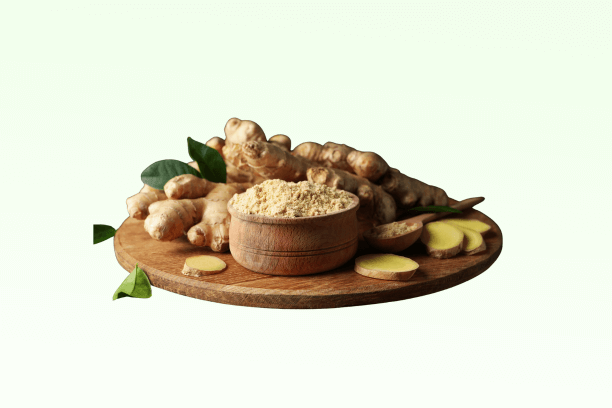
Ginger supplements contain a standardized dose of active compounds like gingerols and shogaols, which may help support digestion, promote a healthy immune response, and potentially minimize joint and muscle discomfort.
Ginger supplements can be a practical way to access ginger’s anti-inflammatory benefits without having to use fresh ginger daily.
Some ginger supplements contain pure ginger extract for maximum concentration, while others combine ginger with supportive herbs for a broader anti-inflammatory effect.
In this article, we will explain how ginger supplements work, review their potential benefits and side effects, and outline the key factors that you should consider before choosing the right product for your needs.
What Is a Ginger Supplement?
A ginger supplement provides a concentrated form of ginger root (Zingiber officinale). Depending on the form and concentration of the extract, ginger supplements typically contain 2–6% gingerols and related compounds. Gingerols contain antioxidant and anti-inflammatory properties, while compounds like zingerone may support metabolism and blood circulation.
You may find ginger supplements in several forms, including capsules, powders, tablets, liquid extracts, and even chewable gummies.
Some brands use concentrated ginger root extracts standardized to contain around 5% gingerols, ensuring a consistent profile of active compounds. Others use whole ginger powder, which may contain around 2–3% gingerols alongside plant compounds like shogaols and zingerone for a broader nutrient profile.
Some brands pair ginger supplements with turmeric (standardized to curcumin) to support joint health or with vitamin C to strengthen immune benefits. Ginger supplements may help soothe some signs of gastrointestinal discomfort, such as nausea, indigestion, or heartburn.
How Do Ginger Supplements Work?
Ginger supplements may work through their compounds, gingerols and shogaols. These compounds cause the characteristic flavor and therapeutic properties of ginger.
Shogaols and gingerols could help suppress the enzymatic action of cyclooxygenase (COX) and lipoxygenase (LOX) enzymes, which are responsible for producing pro-inflammatory chemicals called prostaglandins and leukotrienes. Suppression of these enzymes might help contribute to decreased inflammation in your body, including in the gut.
Active compounds in ginger supplements may stimulate the release of amylase and lipase enzymes, which may help break down carbohydrates and fats. They may also promote bile secretion, which could improve fat digestion and nutrient absorption. Such effects might contribute to better digestion and gut health.
Ginger’s bioactive compounds could stimulate white blood cells, including macrophages and NK or natural killer cells, which help detect and destroy harmful microbes. These benefits may help support immunity and safeguard your body’s natural defences.
Benefits of Ginger Supplement
-
May Ease Digestive Discomfort
Compounds like gingerols and zingerone in ginger supplements may stimulate gastric motility, the speed at which food moves through your stomach into the small intestine. The quicker emptying of the stomach may potentially help minimize the risk of digestive discomforts, such as bloating, indigestion, or excess gas production.
The anti-inflammatory and anti-nausea properties of ginger may help soothe irritation in your stomach lining and ease feelings of sickness. Such effects may be particularly helpful if you deal with nausea from motion sickness, morning sickness during pregnancy, or due to medication interactions. Decreased digestive discomfort may leave you with reduced abdominal heaviness, bowel regularity, and a more comfortable feel after meals.
-
Could Help Decrease Joint and Muscle Discomfort
Ginger supplements feature gingerols and shogaols compounds, which may decrease the levels of inflammatory substances like prostaglandins and leukotrienes in the body. The reduction in these pro-inflammatory compounds may help minimize swelling, stiffness, and the severity of pain in your joints and muscles.
Due to its antioxidant nature, ginger supplements may protect your joints and muscle tissues from damage caused by free radicals, which often build up during periods of physical stress or injury. A reduction in the free radical count might help lower post-exercise soreness and promote faster recovery. With better joint and muscle comfort, you may notice improved joint mobility, reduced muscle fatigue, and better adaptability to physical exertion.
-
May Support Immunity
Ginger supplements have potent antimicrobial effects due to gingerols and zingiberene. These compounds may damage the outer layer of bacteria and fungi, making it harder for them to survive and spread. Such effects might help lower the strain on your immune system so it may work more efficiently.
Shogaols and gingerols may reduce the levels of pro-inflammatory molecules (like TNF-α, IL-1β, and IL-6) while boosting anti-inflammatory ones like IL-10. The balance may help reduce the risk of long-term inflammation that may otherwise weaken your immune defenses, thereby supporting immunity. A stronger immunity could mean fewer sick days, faster recovery, and greater protection against seasonal or environmental changes (such as flus or colds).
-
Could Help Reduce the Severity of Menstrual Pain
During menstruation, the levels of prostaglandin hormone rise sharply, which may cause your uterine muscles to contract more strongly.
Ginger compounds may suppress the enzymes that produce prostaglandins and leukotrienes, which might help lower the intensity and frequency of menstrual cramps.
Ginger supplements may positively influence pain-signaling neurotransmitters, including substance P and serotonin. Such effects might help reduce the severity of menstrual pain experienced. A reduction in menstrual pain may help you focus on daily tasks and minimize sleep disruptions while supporting a more positive mood.
Side Effects of Ginger Supplement
-
Could Trigger Heartburn
Ginger supplements may increase the production of gastric acid, which is typically associated with better digestion. However, increased stomach acid production may irritate your esophageal lining, which may cause the stomach contents to reflux back into your esophagus. It may potentially cause a burning sensation in your chest and throat (termed as heartburn).
If you have a history of heartburn or pre-existing GERD (gastroesophageal reflux disease), then taking ginger supplements might trigger or intensify the symptoms. This may lead to a persistent burning sensation in the throat or a sour taste in your mouth.
-
May Cause Diarrhea
Although rare, ginger supplements may cause an overly rapid movement of stool, potentially resulting in diarrhea. Ginger supplements may also increase bile secretion, which could help break down fats, but may reduce your intestines’ ability to absorb water. It can make stools watery and contribute further to diarrhea.
How To Evaluate The Best Ginger Supplements?
-
Concentration of Active Compounds
When choosing ginger supplements, you should read the label to note the composition of their active compounds, primarily gingerols, shogaols, and paradols.
Typically, reputed brands may standardize their ginger supplements to around 5–10% gingerols. Meanwhile, shogaols are formed from gingerols during drying or heating, which are typically present at 1–3% in quality extracts.
Non-standardized ginger supplements may vary a lot in potency. Some brands may have only 1–2% gingerols, which could make them less effective. If you are looking for anti-inflammatory support or relief from menstrual pain, you could look for formulations with higher concentrations, around 7–10% gingerols.
Checking these values may ensure you are taking doses aligned with clinical studies, which may maximize the benefits of ginger supplements while avoiding unnecessary trial-and-error.
-
Absence of Additives
In evaluating ginger supplements, it’s essential to consider both purity and the presence of additives. Purity means checking if the formulation remains free from harmful contaminants, such as heavy metals (including lead, cadmium, and arsenic), pesticides, or microbial contamination.
Before making a purchase decision, you should observe the label to verify if the ginger supplement contains fillers, binders, artificial colors, or preservatives.
Common additives to avoid include artificial colors (like Red 40 or Yellow 5), synthetic preservatives (such as sodium benzoate or BHA/BHT), and fillers/binders (like magnesium stearate, microcrystalline cellulose, or silicon dioxide).
Choosing a ginger supplement with minimal or no unnecessary additives may help you access the full potency of the ginger extract while minimizing the risk of potential allergic reactions or digestive discomfort.
-
Third-Party Testing Standards
As supplements are not tightly regulated, choosing a reputable brand is especially important. To ensure a ginger supplement holds reputable quality and manufacturing standards, you should look for formulations that have undergone independent testing by third-party labs for potency, purity, and contaminants.
Ginger supplement brands with specific certifications may serve as a reliable indicator of quality. For example, the USP Verified Seal may confirm the formulation contains the ingredients listed on the label, in the stated amounts, and is free from harmful contaminants.
NSF Certification for Sports may help ensure that the product meets strict safety standards and does not contain any banned substances. Looking for Non-GMO Project Verified certification may ensure the formulation you choose does not contain any genetically modified organisms.
Choosing a ginger supplement brand with one or more of these recognized certifications may help ensure that your purchase is safe, quality-tested, and reliable.
These verifications might imply a decreased risk of contamination, inaccurate dosages, or substandard manufacturing practices.
Frequently Asked Questions
- Do Ginger Supplements Have a Strong Taste?
Yes, powdered or concentrated forms of ginger supplements may taste pungent or bitter. Ginger formulations in capsule or coated tablet form could typically mask the strong flavor. - Can Ginger Supplements Lose Potency Over Time?
Yes, gingerols and shogaols in ginger formulations may degrade with prolonged exposure to heat, light, or oxygen. Keeping supplements in a cool, dark environment might help maintain potency. - Do Ginger Supplements Have Medical Interactions?
Yes, it is possible. Ginger supplements may negatively interact with some medications, such as blood thinners (like warfarin), diabetes drugs (such as metformin), and antihypertensive medications. These interactions may alter drug efficacy or increase side effects.
Conclusion
Ginger supplements may support digestive health and provide anti-inflammatory benefits, which could positively impact immunity, joint health, and post-exercise recovery. They may also support blood circulation, promote vascular tone, and support metabolism.
However, ginger supplements might increase the production of gastric acid, which may cause a burning sensation in the chest or throat. Such instances might also trigger diarrhea, stomach cramping, and dehydration.
Given these considerations, it is important to exercise discretion when deciding to use ginger supplements. Factors such as pre-existing digestive conditions, concentration of active compounds, concurrent medication use, and dosage may influence both the safety and effectiveness of ginger supplementation.
To get the most from ginger supplements while minimizing side effects, try making a few simple lifestyle adjustments. Eating smaller, more frequent meals might reduce the likelihood of heartburn, while adding probiotic-rich foods such as yogurt, kefir, or fermented vegetables supports healthy gut flora and may ease digestive discomfort. Including stress management practices, like deep breathing, meditation, or progressive muscle relaxation, can also promote digestive comfort by reducing the impact of stress on your gut.

Rachel has been a freelance medical writer for more than 18 years. She graduated from the University of Tennessee at Knoxville in 2005 and is currently practicing as a Certified Registered Nurse Anesthetist at a Level I trauma center.
Leave a Reply