

No products in the cart.
Contents
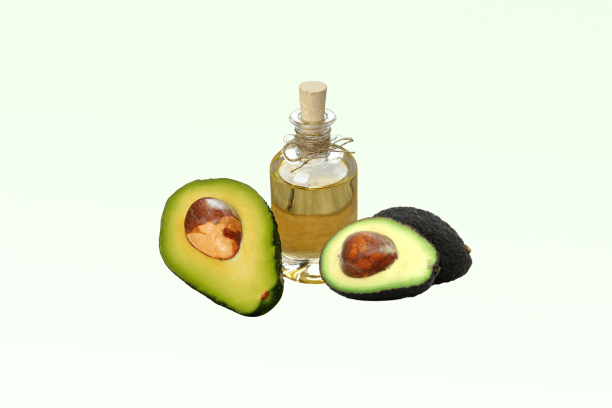
Avocado oil may provide therapeutic uses, such as supporting cardiovascular health, improving nutrient absorption, and nourishing the skin. It has a nutrient-rich profile that comprises polyunsaturated fats, oleic acid, and carotenoids. These nutrients in avocado oil may support blood pressure regulation, promote immunity, support eye health, and reduce inflammation.
In this article, we provide detailed insights into avocado oil, covering its nutritional composition, types available, benefits, and potential side effects. The article also discusses the potential factors you need to consider before selecting an avocado oil for your specific needs.
What Is Avocado Oil?
Avocado oil is extracted from the pulp or flesh of the avocado fruit (Persea americana). It is typically obtained through cold pressing, a process that involves mechanically pressing ripe avocado flesh without the use of heat or chemicals. The unrefined avocado oil has a greenish color and mild buttery flavor.
It primarily consists of monounsaturated fatty acids, especially oleic acid. The fatty acid profile may give avocado oil a high smoke point, which means it may be heated to high temperatures without breaking down, making it suitable for culinary uses.
Avocado oil also comprises saturated and polyunsaturated fats, along with fat-soluble vitamins like vitamin E and vitamin K. These compounds might help support heart health, provide antioxidant protection, and reduce inflammation.
Types of Avocado Oil
-
Cold Pressed Or Extra Virgin Avocado Oil
Cold-pressed or extra virgin avocado oil is known as the purest form of avocado oil. It is produced by mechanically pressing fresh avocado pulp without the use of heat or chemical solvents. Due to its minimally processed nature, unrefined avocado oil may retain a high concentration of beneficial compounds, including monounsaturated fats, vitamin E, carotenoids, and chlorophyll. It may aid in collagen metabolism, which could boost your skin quality.
Depending on quality and freshness, the unrefined avocado oil may have a typical smoke point of around 325°F–410°F (163°C–210°C). However, due to minimal processing, unrefined avocado oil may have a shorter shelf life and should be stored away from heat and light to avoid rancidity. It may also contain small amounts of pulp or sediment, which may give it a natural, unfiltered appearance.
-
Refined Avocado Oil
Refined avocado oil goes through added processing to remove impurities, odors, and color. The processing methods may typically include heat treatment, filtering, bleaching, and deodorizing. As a result, refined avocado oil may have a light yellow appearance and a neutral taste. Refined avocado oil contains a high smoke point, often up to 480°F (250°C) or higher, which could make it compatible for high-heat cooking methods, like frying, roasting, and grilling.
As refining removes chlorophyll, carotenoids, and some antioxidants, refined avocado oil is typically less nutrient-dense than unrefined varieties. Refined avocado oil may be used in cosmetic products that require a light, non-greasy oil base without strong natural scents.
-
Organic Avocado Oil
Organic avocado oil is made from avocados grown without synthetic pesticides, herbicides, or fertilizers, following strict organic farming standards. Reputable brands often display certifications to verify the organic status, such as USDA Organic or EU Organic. These labels may indicate that the avocado oil is produced, processed, and handled according to regulated organic guidelines.
The organic avocado oil may come in both refined and unrefined versions, which may offer versatility in culinary and personal care uses. Organic avocado oil may be a helpful choice if you prefer clean-label oils, mild taste, and ethical sourcing practices. It also has applications in the cosmetic industry, such as in moisturizers, hair treatments, and massage oils.
-
Blended Avocado Oil
Blended avocado oil may refer to a mix of avocado oil and other plant-based oils like extra virgin olive, sunflower, canola, grapeseed, or safflower oil. The blend ratio may depend on the brand and the purpose of the blend, be it lowering cost, changing flavor, improving stability, or adjusting the smoke point.
For example, blending avocado with olive oil may keep avocado’s smooth texture but add olive’s fruity taste, with a smoke point of around 400°F (204°C). Mixing avocado oil with sunflower oil may help create a neutral flavor, boost vitamin E content, and raise the smoke point. Beyond culinary uses, blended avocado oil (particularly lighter blends) may be used in massage oils, body oils, and hair care because they spread and absorb easily.
Nutritional Components Of Avocado Oil
As per the USDA, one tablespoon (14g) of avocado oil contains 124 calories, 1.62g of total saturated fatty acids, and 9.88g of total monounsaturated fatty acids. It also features polyunsaturated fatty acids, such as 1.75g of PUFA 18:2 and 0.134g of PUFA 18:3.
Unrefined avocado oil contains antioxidants like alpha-tocopherol (vitamin E) and carotenoids like lutein and zeaxanthin. However, the processed variants of avocado oil do not comprise vitamins A, D, and K in meaningful amounts and may also have a reduced vitamin E content.
How Does Avocado Oil Work?
Avocado oil primarily contains healthy fats and bioactive plant compounds. Most of these fats are in the form of triglycerides, which are three fatty acids joined to a glycerol chain. It might provide a steady energy source and support metabolic processes like hormone synthesis and nutrient transport.
Once ingested, the oleic acid in avocado oil may help reduce low-density lipoprotein (LDL) cholesterol by influencing how the liver packages and clears fats from the blood, while also raising high-density lipoprotein (HDL) cholesterol. Such effects might support cardiovascular health and minimize the chance of plaque buildup in your arteries.
Avocado oil also features polyunsaturated fatty acids like linoleic acid (an omega-6 fat), which may help build phospholipids in cell membranes and produce eicosanoids. These mechanisms could help promote blood circulation, improve vascular function, and support immunity.
Vitamin E (as alpha-tocopherol) may help stabilize the lipid layer in cells, while carotenoids (such as zeaxanthin and lutein) could protect eye tissues and skin from oxidative stress, especially from ultraviolet light exposure. When used topically, avocado oil might help strengthen the skin barrier, reduce water loss, and promote collagen stability, potentially supporting skin health.
Benefits of Avocado Oil
-
May Support Heart Health
Avocado oil contains compounds called phytosterols, which may suppress cholesterol (particularly low-density lipoprotein) reabsorption in your intestines to balance your cholesterol profile. The antioxidants (such as vitamin E and carotenoids) in avocado oil could help inhibit the oxidation of LDL (bad cholesterol), which may otherwise trigger inflammation and damage in blood vessels.
-
Could Promote Skin Health
Avocado oil may help keep your skin healthy by nourishing and protecting its natural barrier. The healthy fats and oleic acid in avocado oil may restore the lipids in your skin’s outer layer, called the stratum corneum. Such effects may help your skin stay hydrated, improve elasticity, and reduce dryness.
Vitamin E content in avocado oil acts as an antioxidant, which might help protect your skin cells from excessive damage caused by the UV rays and pollution. The protection may delay some signs of premature skin aging (such as wrinkles) and help keep collagen and elastin fibers strong, so your skin stays firm and smooth.
-
Might Improve Nutrient Absorption
Avocado oil contains monounsaturated fat that may help your body absorb vitamins A, D, E, and K. These vitamins require dietary fat to dissolve in the small intestine. Once dissolved in fats, they can pass through the intestinal lining and enter your bloodstream more effectively.
Avocado oil might also boost your body’s absorption of carotenoids like beta-carotene and lutein, which are naturally harder for your body to process without fat. When your body absorbs nutrients more efficiently, you might experience better energy levels, improved immune function, and better digestion.
-
May Reduce Inflammation
Oleic acid in avocado oil may suppress the activity of molecules like TNF-α and IL-6, which may otherwise trigger low-grade inflammation. This type of inflammation may increase the likelihood of developing concerns like arthritis, diabetes, and heart disease.
With reduced inflammation, you may experience decreased severity of joint pain, better movement, and faster recovery post-exercise. It might also help support heart health, keep blood sugar levels more stable, and promote skin health.
-
Could Support Eye Health
Avocado oil features lutein and zeaxanthin, which are plant pigments that naturally build up in your retina and macula. These compounds may help block harmful blue light and protect your eye tissues from oxidative damage. Oleic acid may further help increase blood circulation, including to the blood vessels in your eyes, which may ensure the retina gets a steady oxygen and nutrient supply.
Side Effects of Avocado Oil
-
Potential For Allergic Reactions
Although uncommon, allergic reactions to avocado oil are possible. It may occur in cases where your immune system could mistakenly identify some proteins (such as lipid transfer proteins) or plant compounds (like persin) in the avocado oil as harmful. The misidentification may trigger your immune cells to release histamine and other inflammatory chemicals, which may cause allergic reactions. Such allergic reactions may include hives (raised, red bumps) or itching, nasal congestion, or swelling of your lips, face, or throat.
Allergic proteins are typically present in unrefined or cold-pressed avocado oil because the oil retains natural plant residues. In cases of pre-existing food or plant allergies, the allergic reactions to avocado oil might spread beyond the skin and cause systemic issues, negatively affecting breathing, digestion, and blood circulation.
-
May Cause Skin Irritation
Although known for its moisturizing benefits, avocado oil may trigger skin irritation, especially if you have highly sensitive skin or a history of skin allergies. Your immune system may negatively interact with fatty acids or residual plant proteins (such as LTPs) in avocado oil, which might lead to inflammatory skin reactions.
Signs of skin irritation may include redness, itching, a burning sensation, or a rash. In some cases, reactions to avocado oil may cause your skin to feel warm or develop small bumps. Excessive topical use of avocado oil (particularly on broken or damaged skin) might worsen skin irritation.
Frequently Asked Questions
- Is Color an Indicator of Avocado Oil’s Quality?
No, color alone does not confirm the purity or freshness of avocado oil without chemical indices (peroxide value, free fatty acids). Green hues in unrefined avocado oils are derived from pigments like chlorophylls, while refined avocado oils are paler but not necessarily inferior to refined versions. - Does Avocado Oil Have A Non-Comedogenic Profile?
Yes, typically, avocado oil might not cause clogging of pores due to its rich oleic acid profile. However, personal experiences may vary based on skin type, oxidation state, and usage frequency, necessitating the need for patch testing beforehand. - Does Avocado Oil Provide UV Protection on Skin?
No, avocado oil cannot replace regulated sunscreens and should not be relied upon for SPF protection. Sunscreen use may remain necessary to support UV protection even when using oils.
Conclusion
Avocado oil provides a natural source of monounsaturated fats and antioxidants, which might provide emollient properties and support skin barrier function. It may also provide support for vision and heart health, due to its content of monounsaturated fats and carotenoids.
Depending on your needs (whether culinary or topical) and preferences, you may choose from unrefined (extra virgin), refined, and organic variants of avocado oil. Factors such as oil type (refined versus unrefined), processing methods, storage conditions, and frequency of use may influence both tolerability and outcomes.
Although well-tolerated, your immune system might negatively interact with natural proteins (such as lipid transfer proteins (LTPs)) or plant compounds (like persin) in avocado oil. These interactions could manifest as allergic reactions, such as hives, itching, nasal congestion, or swelling of facial tissues. You may also experience adverse skin reactions to avocado oil, such as rashes, a burning sensation, or redness.
When integrating avocado oil into your routine, some complementary practices may support its benefits. These may include limiting excessive intake of saturated fats by moderating consumption of fatty meats, butter, and processed snacks.
Performing physical activity, such as engaging in at least 75 minutes of moderate aerobic exercise weekly, may support cardiovascular health and endurance. Such practices may support the intended benefits of avocado oil while minimizing the risk of adverse reactions.

Rachel has been a freelance medical writer for more than 18 years. She graduated from the University of Tennessee at Knoxville in 2005 and is currently practicing as a Certified Registered Nurse Anesthetist at a Level I trauma center.
Leave a Reply