

No products in the cart.
Contents
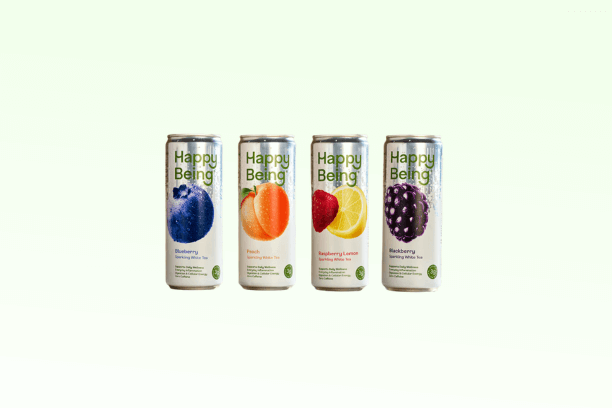
Happy Being offers ready-to-drink products, which offer antioxidant benefits and support immunity. Its offerings also emphasize antioxidant support, digestive balance, and steady energy levels. The brand’s product lineup consists of white tea drinks available in both carbonated and non-carbonated formats.
In this review, we examine the brand’s positioning, formulation approach, range of offerings, and real user experiences with its offerings. The review also compares the brand with competitive wellness drink brands.
About Happy Being
Happy Being offers functional drinks, which could help support relaxation, digestive health, and energy levels. The brand’s offerings contain white tea as a base, which could help preserve flavor and antioxidant content.
Its catalog is divided into Sparkling and Still lines. Flavor options listed across these lines include blueberry, peach, raspberry lemon, and blackberry. According to its official website, these offerings are described as free from common allergens like gluten, soy, nuts, and dairy. Brand materials state that such offerings are intended to provide an energy boost without caffeine-related jitters, while keeping sugar and calorie content low.
HappyBeing Product Lineup
-
White Tea
Happy Being’s core product line is a range of functional white tea drinks available in Still and Sparkling formats. Such offerings may help support gut health, cellular energy metabolism, and inflammatory balance through polyphenol-rich ingredients.
White tea is the foundational ingredient. It is minimally processed and harvested early to preserve polyphenols and delicate flavor. The brand highlights EGCG (epigallocatechin gallate), a catechin studied for antioxidant activity and potential cellular support. White tea is positioned as high in antioxidants, lower in caffeine, and gentle on digestion.
The teas also have turmeric for inflammation-related support, pterostilbene compound associated with antioxidant and cognitive-health research, elderberry for immune support, and vitamin C. The polyphenol blend is positioned as supporting cellular resilience, digestive balance, and sustained energy without glycemic spikes or stimulant crashes.
Under the range, the drinks come in Blueberry, Raspberry Lemon, Peach, and Blackberry flavor options. The brand also offers Variety Packs across White Tea and White Tea Sparkling lines.
Happy Being Advantages
-
Doctor-Formulated Brand Authority
Happy Being states that its formulations were developed with input from medical doctors, namely Dr. Gerald Lemole (MD) and Dr. Leo Galland (MD). Their involvement is presented as central to the brand’s ingredient selection and product design. The brand notes that it uses doctor-recommended compositions of research-supported nutrients and selects ingredients in bioavailable forms to support absorption. Such a focus on clinical experience frames the brand’s products as guided by a medical perspective.
-
Low-Sugar Wellness Positioning
Happy Being builds its drinks lineup around a no-added-sugar philosophy. Flavors like Blueberry and Peach highlight the use of natural fruit extracts and botanical ingredients instead of relying on added sweeteners for taste. As per its official website, the brand’s drinks contain around 3 grams of total sugar per 355ml (12oz can), with the brand stating that this sugar comes from whole fruit sources and that no added sugars are included.
Such a profile may reflect its focus on balanced sweetness rather than high sugar intensity. A lower sugar profile may help you avoid rapid blood sugar spikes, making the brand’s drinks easier to include in your daily, health-conscious routine.
-
Niche Market Approach
Happy Being adopts a niche market strategy through its functional drinks. It positions its products as ready-to-drink sparkling teas made with organic white tea, polyphenols from blueberry and elderberry, and selected botanicals. This framing, as stated by the brand, emphasizes clean-label ingredients, antioxidant content from polyphenols, and low-sugar formulation. This niche positioning makes product selection more straightforward if you prioritize organic ingredients, antioxidant content, and reduced sugar intake. You can choose from a brand structured around wellness-focused criteria. This may provide an option tailored to your specific needs and ingredient priorities.
Happy Being Limitation
-
Limited Large-Scale Retail Presence
Happy Being does not have a consistent placement across major retail chains like Whole Foods Market, Target, and CVS, instead focusing on online sales. Its limited retail reach could reduce shelf visibility in high-traffic grocery stores. If you shop at retail chains, you are unlikely to see the brand’s offerings during regular trips. Without broad retail distribution, it becomes difficult to remain aware of the brand’s offerings, especially if you prefer to evaluate products in-hand before purchase or are looking for an offline purchase experience.
Pros
- The brand’s offerings target diverse benefits, including immunity support, digestion, metabolism, and cognitive support.
- Offers free U.S. shipping on all purchases.
- Backs its offerings with a 30-day refund policy.
Cons
- Independent reviews indicate an off-putting and artificial aftertaste in the drinks.
- Delays in shipment and unresponsive customer support are highlighted in independent reviews.
Happy Being Alternatives
-
Olipop
Happy Being and Olipop diverge in formulation, delivery, and positioning. Olipop claims to replicate nostalgic soft drink experiences with digestive benefits, whereas Happy Being centers on polyphenol density for anti-inflammatory and immunity-oriented support through a tea-based system.
Olipop’s core formulation provides 9 grams of prebiotic fiber per 355ml can through a composite blend that includes cassava root fiber, chicory root inulin, Jerusalem artichoke, and botanicals such as nopal cactus and kudzu root. Total sugars are kept between 2–5 grams per can, with sweetness supported by stevia and other natural components. Caloric content typically ranges from 35–50 calories per serving, with approximately 16 grams of total carbohydrates, 9 grams of which are fiber. Sodium levels remain modest, sourced in part from Himalayan pink salt, and the product is marketed as vegan and paleo-friendly. Happy Being, by contrast, structures its drinks around polyphenol concentration derived primarily from white tea and fruit extracts. Rather than emphasizing fiber content, the brand prioritizes antioxidant-driven benefits linked to inflammation modulation, gut support, and immune function. The teas are carbonated and non-carbonated iced teas, delivering a smooth, tea-forward drinking experience without high fiber loads. Caloric content is positioned as low, around 20kcal, consistent with tea-based formulations, though specific fiber quantification is not central to the brand’s messaging. Happy Being’s approach leans on holistic polyphenol science rather than fiber certification frameworks.
Olipop quantifies its digestive support through fiber and clinical backing. However, high-fiber options may not suit those with sensitive digestion. Happy Being avoids heavy fiber claims and, in its still variants, potentially supports broader daily drinkability for those preferring lighter drinks without gastrointestinal load.
Olipop maintains consistent soft carbonation across its lineup, offering classic soda-style flavors such as Vintage Cola and Root Beer with herbal undertones and stevia-based sweetness. Happy Being expands beyond a strictly non-carbonated iced tea model by offering both still and sparkling white tea varieties. The still white tea options represent the smoothest end of its spectrum, emphasizing subtle fruit infusions such as blueberry and peach. These variants deliver a silky, light mouthfeel without bubbles, supporting clean antioxidant delivery centered on polyphenols. The sparkling white tea options introduce gentle carbonation, adding mild effervescence without approaching soda-level fizz. This format blends white tea smoothness with restrained bubbles, creating a lightly lifted texture that enhances fruit-tea vibrancy without dominating the palate. The carbonation is intentionally softer than Olipop’s, positioning the brand’s product between still tea and full soda mimicry.
Olipop claims to deliver structured soda fizz and bold flavor replication, and Happy Being provides greater format versatility with non-effervescent white tea and subtle sparkle, while maintaining its core emphasis on polyphenol-based functionality.
-
Halfday
Halfday and Happy Being both operate in the iced tea category, yet they highlight different priorities, ingredient architectures, and pricing strategies. The brand Halfday centers on gut-nourishing prebiotic fiber delivered through iced tea flavors, while Happy Being emphasizes antioxidant-dense, anti-inflammatory white tea formulations offered in both still and sparkling formats. Both maintain low-sugar positioning, but their functional mechanisms and economic models diverge meaningfully.
Halfday built around its proprietary GOODDAY Prebiotic Blend, delivering 6 grams of prebiotic fiber per 12-oz can. The fiber system includes cassava root fiber, fructan, and agave inulin, designed to nourish beneficial gut bacteria and support digestive regularity without bloating. Flavor offerings include Lemon Tea, Peach Tea, Raspberry Tea, Sweet Tea, Green Tea Honey, Half & Half, plus variety packs such as Classic Variety, Fruity Variety, Southern Variety, Fan Favorites, Refreshers, and Adrenal Love. The brand claims that its teas are brewed from organic black or green tea bases (~20-40mg natural caffeine per can) and promote keto-friendly, gluten-free, vegan, and non-GMO credentials.
Happy Being structures its offerings around polyphenols from wild blueberries, elderberries (pterostilbene), apples, high-curcumin turmeric, and organic white tea (0.02mg trace caffeine per can). Its formulations include vitamin D3 and 90mg vitamin C to support inflammation modulation, immune function, digestion (via EGCG and prebiotics), sustained vitality, and cellular recovery. The lineup includes flavors such as Raspberry Lemon, Peach, Blueberry, Blackberry, Cucumber Mint White Tea, and Peach Rose White Tea, offered in both still and sparkling formats (lightly effervescent). The brand emphasizes gluten-free, dairy-free, soy-free, and nut-free standards, excludes artificial additives, seed oils, and fillers (3g natural sugar, 20 calories, 5g carbs/can), with doctor-informed input primarily from Dr. Jay Lemole and advisory from Dr. Leo Galland.
Format also distinguishes the brands. Halfday produces exclusively non-carbonated iced teas with nostalgic flavor profiles resembling traditional Southern or fruit-infused teas. Happy Being offers both still and sparkling white tea options, with sparkling varieties described as lightly effervescent rather than soda-like. This gives Happy Being broader sensory versatility, while Halfday remains focused on familiar iced tea flavors. As per the pricing structure, it typically prices 12-can packs around $24–35, while Happy Being prices 16-packs at $55-65.
Halfday offers ice teas that contain fiber and caffeine, whereas Happy Being delivers functionally caffeine-free, polyphenol-dense white teas in still and sparkling formats, emphasizing inflammation control and immune support.
How Did We Evaluate?
-
Brand Credibility
In evaluating Happy Being, we analyzed its background, operational history, and standing across independent review forums. The brand appears to be a relatively young functional drinks brand with a narrow product focus and limited publicly available operating history.
When it comes to third-party feedback, the brand carries a 4.5 out of 5 score on TenereTeam based on a limited number of reviews. Positive feedback mentions the low sugar and calorie profile, favorable taste, and the brand’s focus on white tea drinks. However, TenereTeam also indicated repeated concerns around high pricing, limited availability outside the brand’s website, and mixed opinions about flavor authenticity.
In our evaluation, we found that the brand lacked an active presence across other major independent platforms like the Better Business Bureau, Trustpilot, and ConsumerAffairs. As a result, the brand indicates early positive signals but lacks the depth of reviews and long-term track record that typically support a strong, established reputation.
-
Real Consumer Reviews
To evaluate Happy Being, we reviewed verified user feedback shared on Amazon to understand how the brand’s white tea drinks perform in real-world use. Across variants like Peach White Tea, Blueberry, Raspberry Lemonade, and Blackberry Citrus under the Sparkling White Tea line, the products carry a 3.9 out of 5 score based on 340+ reviews on Amazon. Positive reviews frequently highlighted the flavor profile as refreshing, with several users describing the drinks as crisp, bubbly, and satisfying without tasting overly artificial or overly sweet. However, some users noted an herbal or medicinal aftertaste, which they often attributed to ingredients like turmeric. A few users also experienced an artificial-sweetener-like aftertaste.
Flavor offerings under the brand’s White Tea line, such as Peach, Raspberry Lemonade, Blueberry, and Blackberry, hold a 3.7 out of 5 score based on more than 630 reviews. Several users experienced digestion comfort, hydration appeal, and packaging reliability. However, a few users reported the drinks tasting watered-down or lacking strong flavor, while others cited high pricing as a barrier to repeat purchase.
Available feedback indicates that drinks from the brand hold a mixed taste reception alongside appreciation for ingredient simplicity and clean positioning. However, flavor balance, artificial aftertaste, and premium pricing are highlighted as the primary points of criticism.
Frequently Asked Questions
- Can Happy Being drinks ensure recovery from intensive exercises?
No. The brand describes its Still and Sparkling drinks for general hydration and nutrient support, not exercise recovery. No claims or evidence mention muscle repair, glycogen replenishment, or workout-specific recovery benefits associated with the brand’s offerings. - Do Happy Being products contain added sugars?
No. The brand states its drink offerings feature about 3g of total sugar per 12fl oz (355ml) can from naturally occurring sources like tea and fruit infusions. However, they do not include added/artificial sugars. - Can the Sparkling drinks from Happy Being cause discomfort?
Yes, they might. The brand’s sparkling drinks are carbonated, which may trigger bloating, gas, or mild stomach discomfort, especially in cases of digestive sensitivity. However, the brand does not report unique risks beyond typical carbonation effects, and reactions vary by personal tolerance.
Conclusion
Happy Being keeps its offerings around polyphenol-rich drinks intended for general hydration and nutrient support. The brand further emphasizes flavor diversity across its drinks and highlights its no-added-sugar positioning.
However, its product range is narrow and focused primarily on flavored drinks, which limits versatility for broader nutritional needs and format preferences. While the brand highlights clean label philosophy across its product lines, its offerings lack brand-specific clinical studies and peer-reviewed trials to back their safety/efficacy claims.
When considering the brand, it is important to note that personal experiences and outcomes might vary based on hydration status, gut microbiome balance, diet quality, and consistency of use. The brand’s polyphenol-rich drinks might also trigger nausea, bloating, or stomach cramps. Such considerations must be kept in mind when considering the suitability of the brand’s offerings for your needs.

Rachel has been a freelance medical writer for more than 18 years. She graduated from the University of Tennessee at Knoxville in 2005 and is currently practicing as a Certified Registered Nurse Anesthetist at a Level I trauma center.
Leave a Reply