

No products in the cart.
Contents
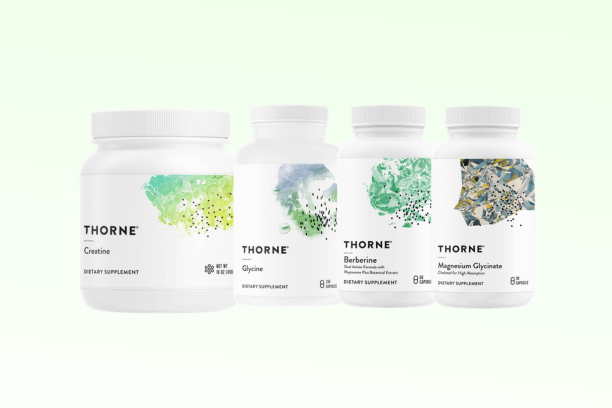 Thorne claims to provide products designed for performance support. It states that its formulations may support energy, immune function, sleep, cognitive performance, gut health, and sports performance. It also focuses on personalized wellness, offering tools and guidance to help you build routines based on individual goals.
This review evaluates Thorne’s formulation approach, quality standards, pricing structure, and customer feedback. It also examines strengths and potential limitations, including transparency, value, and how the brand compares with other similar brands.
About Thorne
Founded in the year 1984, Thorne focuses on scientific research, clinical validation, and controlled manufacturing processes. Leadership includes Colin Watts, Ken Rowe, and Nathan Price.
The offerings include sports performance, sleep, cognitive health, and condition-specific support. Key products include creatine, pre-workout formulas, electrolytes, and a range of vitamins, minerals, and targeted formulations. The company also offers personalized tools such as an AI-based assistant called Taia.
As per the official site, the brand highlights its manufacturing and quality control with four stages of testing, including raw material verification, in-process checks, finished product testing, and stability testing.
Thorne’s manufacturing systems comply with FDA current Good Manufacturing Practices (cGMP) and are audited by NSF International, including NSF Certified for Sport®, the Global Retailer and Manufacturer Alliance, and Australia’s Therapeutic Goods Administration.
Bestsellers
-
Creatine
Thorne Creatine Monohydrate may support cellular energy metabolism through replenishment of intramuscular creatine stores. It’s a 5-gram serving that provides 5 grams of micronized creatine monohydrate, which has a critical role in the phosphagen energy system. It may help boost energy levels, enable sustained power output, and delay the onset of muscular fatigue.
Beyond skeletal muscle, creatine plays a parallel role in neural tissue, where ATP turnover is similarly critical for maintaining ion gradients, neurotransmission, and cognitive function. Such effects may contribute to more stable energy dynamics during cognitively demanding tasks.
Creatine also influences intracellular water distribution through osmotic activity, as increased intracellular creatine concentrations draw water into the cell. This effect contributes to cellular hydration status, which is associated with volumization of muscle cells and may support structural integrity and metabolic efficiency.
-
Magnesium Glycinate
Thorne Magnesium Glycinate may aid in cellular energy production, protein synthesis, and nucleic acid stability. At the cellular level, magnesium is required for the proper function of ATP, as it stabilizes the ATP molecule in its biologically active form (Mg-ATP), enabling energy transfer across metabolic pathways. This role is particularly relevant in tissues with high energy demand, including skeletal muscle, cardiac tissue, and the nervous system.
Glycine interacts with NMDA receptors and supports inhibitory neurotransmission, contributing to a calming effect on neural activity. When combined with magnesium’s ability to regulate ion channels, the formulation may support improved sleep quality, reduced stress reactivity, and enhanced emotional regulation.
Magnesium facilitates relaxation by modulating calcium influx into muscle cells and supporting the activity of ATP-dependent pumps that restore ionic balance. This might help in reducing muscle tension, cramping, and post-exertional soreness.
-
Vitamin D-5,000
Thorne Vitamin D-5,000 provides 125 mcg of vitamin D3 (cholecalciferol) per capsule, formulated to support calcium metabolism, musculoskeletal integrity, and immune regulation. Vitamin D3 might help enhance intestinal absorption of calcium by upregulating the expression of calcium-binding proteins in the intestinal epithelium. In muscles, vitamin D influences protein synthesis and neuromuscular coordination. It may help improve muscle contraction efficiency and maintenance of lean muscle mass, likely mediated through calcium handling within muscle cells and regulation of gene transcription involved in muscle function.
Cardiovascular and neurological systems are also influenced by vitamin D. It contributes to endothelial function and may support normal blood pressure regulation through its effects on smooth muscle cells and inflammatory signaling.
-
Berberine
Berberine may help influence metabolic regulation, lipid homeostasis, and gastrointestinal ecology. It exerts its primary metabolic effects through activation of AMP-activated protein kinase (AMPK), which is a central regulator of cellular energy balance. Berberine can influence glucose metabolism by improving insulin sensitivity and facilitating more efficient glucose transport into cells.
Berbine might also support a healthy gut microbiome as it could boost the availability of good bacteria in the gut. This can contribute to improved microbial diversity and metabolic signaling, which is increasingly recognized as a factor in systemic metabolic regulation. These interactions may also indirectly affect short-chain fatty acid production and gut barrier integrity.
-
Super EPA
Super EPA influences membrane fluidity, receptor function, and intracellular signaling pathways. It may help modulate inflammatory signaling, vascular function, and neuronal communication. EPA may help in the regulation of inflammatory processes, helping in the production of eicosanoids and specialized pro-resolving mediators. Such effects may help in regulating inflammation, which is necessary for recovery. DHA also participates in the formation of neuroprotective compounds that may help maintain neuronal stability during metabolic stress.
Super EPA might also contribute to the maintenance of triglyceride levels by modulating hepatic lipid synthesis and promoting lipid clearance pathways. It may support nitric oxide-related vasodilation, which can enhance blood flow and contribute to vascular responsiveness.
-
Whey Protein Isolate
Whey Protein Isolate might support muscle development, recovery, and metabolic function. The bioavailability of whey protein isolate is characterized by rapid gastric emptying and efficient intestinal absorption, leading to a prompt elevation in circulating amino acid levels. This acute increase in plasma amino acids facilitates muscle repair processes following exercise by supplying substrates required for the reconstruction of damaged myofibrillar proteins. The presence of amino acids may also help in maintaining lean body mass.
The formulation includes a blend of proteolytic enzymes, bromelain, and papain. These enzymes function by hydrolyzing peptide bonds within protein structures. This enzymatic activity can aid in digestion and improve the efficiency of amino acid absorption in the small intestine. Mineral content, including calcium, potassium, sodium, and iron, provides additional support for electrolyte balance and physiological processes such as muscle contraction and oxygen transport.
-
Daily Electrolytes Variety Pack
Daily Electrolytes Variety Pack is a collection of single-serving stick packs that may promote cellular function through targeted electrolyte support. Each packet delivers sodium, chloride, potassium, magnesium, and calcium, supporting rehydration.
Sodium and chloride facilitate water absorption and retention, helping to re-establish fluid equilibrium following sweat-induced losses. Chloride also contributes to acid-base regulation and supports digestive processes through its role in gastric acid production.
Potassium may aid in both endurance capacity and post-activity recovery. Magnesium, provided as dimagnesium malate, acts as a cofactor in ATP-dependent reactions and stabilizes ATP in its biologically active form, directly linking electrolyte status to cellular energy production. It is involved in muscle contraction, contributing to controlled relaxation and reduced neuromuscular irritability. The variety pack includes multiple flavor options such as watermelon, blood orange, and mango limeade with a similar electrolyte composition.
-
Collagen Fit
Collagen Fit may support connective tissue integrity, musculoskeletal recovery, and cellular energy metabolism through the combined action of collagen peptides, nicotinamide riboside (NR), and betaine.
The formulation has hydrolyzed collagen peptides, which are derived from bovine sources, primarily consisting of type I and type III collagen. These peptides supply glycine, proline, and hydroxyproline amino acids that may work as structural precursors for collagen synthesis in connective tissues such as tendons, ligaments, cartilage, and skin. Collagen Fit supports tissue repair and structural maintenance following exercise-induced strain.
-
Basic B Complex
As per the official site, Basic B Complex supports cellular energy metabolism, neurological function, and hematological processes through the inclusion of B vitamins. It contains thiamin (vitamin B1), riboflavin, niacin, and pantothenic acid, which function as essential cofactors in mitochondrial energy production. The formulation also contains folate and vitamin B12, which are involved in DNA synthesis, methylation, and red blood cell formation.
Vitamin B6, provided as pyridoxal 5’-phosphate, is involved in the process of amino acid metabolism and in neurotransmitter synthesis, including the production of serotonin, dopamine, and gamma-aminobutyric acid (GABA). These processes are central to mood regulation, cognitive function, and nervous system signaling.
The formulation also includes biotin, which contributes to carboxylation reactions that are essential for fatty acid synthesis and gluconeogenesis. Choline, included as choline citrate, plays a complementary role in methylation and lipid metabolism.
Pros
- High-quality, clinically researched ingredients.
- Uses bioavailable nutrient forms.
- Strong NSF and TGA certifications.
- Highlight that some of its offerings are NSF Certified for Sport.
- Broad targeted product catalog.
Cons
- No public batch-specific COAs.
- Premium pricing versus competitors.
- Customer service and shipping issues.
- Not fully vegan across products.
- Limited sustainability initiatives.
Advantages
-
Long-established Brand Identit
Thorne’s brand identity is built on its long operating history in the industry. Founded in 1984, the company has accumulated more than four decades of presence in the market, positioning itself around science-backed formulations and practitioner-oriented products. Over time, it has developed relationships with healthcare professionals and research institutions, including collaborations with the Mayo Clinic since approximately 2013 (e.g., supplement studies and exclusive store partnerships). The brand emphasizes clinical-grade purity standards, third-party testing, and a strong record of quality control as central elements of its positioning. This extended track record differentiates Thorne from newer supplement companies that have less historical data, fewer institutional relationships, or shorter reputational histories. A brand with a multi-decade track record may appear more credible than newer entrants in a crowded market. Long-term practitioner relationships, institutional collaborations, and documented quality systems (e.g., NSF, no major recalls) can increase your confidence that the company has sustained operational standards over time.
-
Institutional Research Partnership Network
Thorne maintains a network of clinical research collaborations with major academic and medical institutions. Its clinical research page lists partnerships with organizations such as the Mayo Clinic, NIH, Johns Hopkins University, Duke University, Emory University, Columbia University, Mount Sinai, and the University of Minnesota, among others. The company states that these collaborations support ongoing clinical trials involving more than 40 products. Independent reporting also confirms specific trials conducted with partners, for example, randomized double-blind studies with the Mayo Clinic examining supplements such as SynaQuell for brain health in athletes beginning in 2015. Although Thorne does not formally label this system an Institutional Research Partnership Network, the documented collaborations function as a distributed research framework used to evaluate supplement efficacy. These collaborations suggest that some Thorne products are studied in structured clinical environments rather than being developed solely through internal testing. Research conducted with institutions like the Mayo Clinic or Johns Hopkins can increase your confidence that certain formulations are examined using recognized scientific methods such as randomized controlled trials. However, the presence of collaborations does not guarantee that every product has the same level of evidence, so you may still need to review the specific research tied to a product to understand how strong the supporting data actually is.
-
Personalized Wellness Guidance Platform
Thorne has developed a digital personalization ecosystem that integrates AI guidance, at-home health testing, and goal-based supplement routines. Its Taia AI Advisor functions as the central tool for delivering personalized recommendations based on user goals, health concerns, and lifestyle factors, while also offering product comparisons, ingredient education, and guidance derived from practitioner data and more than 40 years of company research. The platform supports continuity by incorporating user interactions and chat history to refine recommendations over time. In addition to AI guidance, Thorne offers at-home wellness tests, such as assessments for gut health or hormones, that can feed data into personalized supplement plans. These plans are structured into goal-oriented routines, including categories like sports performance, sleep support, or women’s health, creating an integrated system that combines testing, recommendations, and ongoing routine management. For you as a user, this ecosystem can make supplement selection more structured and data-informed than simply browsing individual products. Tools like Taia can help translate health goals or test results into specific supplement stacks and daily routines, potentially reducing the guesswork involved in choosing products. The integration of testing and AI guidance also allows recommendations to evolve as your goals or results change.
Potential Limitations
-
Restricted Physical Retail Presence
Thorne has a relatively limited presence in traditional brick-and-mortar retail. Its distribution model relies heavily on direct-to-consumer online sales, practitioner channels (e.g., authorized healthcare professionals), and selected specialty retailers rather than widespread placement in large physical retail chains like grocery stores or pharmacies. The brand’s products are not commonly found across typical mass-market stores, highlighting restricted in-store availability. This limited retail presence can make the products harder to access through local stores. You may need to purchase directly from the brand’s website, through healthcare practitioners with approved access, or from a smaller set of specialty retailers (e.g., select dispensaries like MV Retail Store listed on Thorne’s platform) instead of simply picking the product up during a regular store visit. This may reduce convenience for immediate in-store purchases or for comparing products physically before buying.
-
Independent Validation Transparency Gaps
Thorne’s quality system relies heavily on internal testing and facility-level certifications, which creates a potential transparency limitation regarding independent product-level validation. The company states that it conducts four rounds of in-house testing for each product and maintains certifications such as NSF GMP compliance and Australia’s Therapeutic Goods Administration (TGA) manufacturing standards. However, broader third-party product verification programs, such as USP or ConsumerLab testing, do not cover the company’s entire product lineup.Independent certification is confirmed for certain lines, such as approximately 20+ products under the NSF Certified for Sport® program, but this coverage does not extend across the full portfolio. Certificates of analysis are often internal or batch-specific and are not consistently published for universal public access, which can be questionable in terms of transparency compared with competitors that provide wider external verification. This means that you cannot always rely on publicly available independent testing for every product in the lineup. If you prioritize external verification from organizations like USP or ConsumerLab, you may need to check whether the specific supplement you are considering has a third-party certification such as NSF Certified for Sport®. Without that coverage, you are largely relying on the company’s internal testing claims and facility audits rather than independent product-level confirmation, which may affect how much trust or certainty you place in purity and potency claims.
Alternatives To Thorne
-
Momentuos
Momentous and Thorne both diverge in product breadth, formulation philosophy, testing infrastructure, transparency models, personalization, and ecosystem design. The brand Momentous is positioned around performance optimization with a curated, stack-based system, while Thorne operates as a large-scale, clinical-grade manufacturer with vertically integrated infrastructure, extensive product coverage, and institutional-level quality controls.Momentous maintains a broad but curated product range focused on performance, recovery, cognition, sleep, gut health, and foundational nutrition. Its core lineup includes creatine, grass-fed whey protein isolate, omega-3, magnesium L-threonate, and Fiber+. It also includes adaptogens such as ashwagandha and rhodiola, nootropics like Alpha GPC and tyrosine, and compounds including tongkat ali and berberine.
Thorne operates at a significantly larger scale, with products including multivitamins, amino acids, minerals, botanicals, hormone support, prenatal care, cardiovascular and GI health, cognitive support, and specific formulas, delivered across capsules, powders, liquids, and gelcaps.
Formulation philosophy reinforces this divide. Momentous prioritizes simplicity and performance relevance, typically using single-ingredient or tightly scoped formulas while reserving multi-ingredient complexity primarily for stack bundles. Thorne follows a clinical formulation model, frequently developing multi-ingredient complexes designed around biochemical specificity, including chelated minerals, methylated B vitamins, and highly bioavailable nutrient forms.
The separation becomes most pronounced in testing, manufacturing control, and certifications. Momentous emphasizes third-party testing and NSF Certified for Sport® status across creatine, whey, omega-3, magnesium L-threonate, and stacking products. It highlights sourcing quality (Creapure®, Norwegian fish oil, European grass-fed whey) and promotes a no proprietary blends stance. A key distinction is its more visible Certificate of Analysis (COA) approach, allowing batch-level transparency.
Thorne operates a vertically integrated manufacturing system at a U.S. facility with in-house laboratories and a four-stage testing process to ensure label accuracy. Its compliance stack includes cGMP (with no FDA Form 483 findings), NSF certification, TGA certification from Australia (one of the strictest global regulators), and GRMA certification.
Momentous leans on performance credibility, with collaborations involving experts like Andy Galpin and Stacy Sims and adoption across more than 150 professional and NCAA teams, including all NFL teams, as well as Olympians and military groups. Thorne positions itself closer to clinical and institutional science, with clinical trials and partnerships with organizations such as the Mayo Clinic and NIH.
These differences also extend into product architecture and experience. Momentous structures its offering around predefined routines and bundles, using tools like Build My Routine. This system is static, with no dynamic intake or adaptation based on user-specific biomarkers or longitudinal data. Thorne, by contrast, integrates personalization directly into its ecosystem through structured intake flows like AI-driven assistant, Taia. Its ecosystem also includes a dedicated app for shopping, subscription management, educational content, and access to lab testing, including Biological Age, thyroid, fertility, vitamin D, and gut health diagnostics.
Thorne combines large-scale manufacturing, deep testing infrastructure, an extensive product range, formal certifications, diagnostic tools, and an AI. Momentous simplifies decision-making by using curated stacks, formulations, and clear labeling.
-
Gnarly
Gnarly Nutrition, when compared with Thorne, differs not just in positioning but in specific product composition, ingredient forms, certifications, and technological capabilities. It claims to support performance, offering products such as Gnarly Hydrate, Gnarly Whey, Gnarly Vegan Protein, Gnarly Creatine, and Essential Aminos. These are structured around timing, such as pre-, intra-, and post-workout. In contrast, Thorne provides a broader and more clinically oriented catalog, including Creatine Monohydrate, Magnesium Glycinate, Vitamin D-5000, Basic Nutrients 2/Day, Super EPA, and CoQ10 for cellular energy. These products are said to be built around biological function and system-level optimization.Scientific validation further differentiates the two at a granular level. Gnarly highlights using third-party testing and NSF certification for select products, and maintains full label transparency without proprietary blends, but lacks the same scale of clinical research, institutional collaboration, and pharmaceutical-grade validation infrastructure. Thorne claims that its products are frequently NSF Certified for Sport, manufactured under strict FDA-compliant conditions, and meet additional global standards such as Australia’s TGA requirements.
In terms of functional performance, Gnarly highlights intra-workout scenarios, where products like Gnarly Hydrate and Fuel₂O provide electrolyte replenishment and carbohydrate support during endurance or high-intensity training, and recovery products like Gnarly Whey deliver fast protein intake post-exercise. Thorne’s equivalent offerings, such as Daily Electrolytes and Whey Protein Isolate, are clean and certified but less optimized for heavy sweating or long-duration activity. However, in daily formulations, Thorne offers products to support sleep (magnesium glycinate), immune function (vitamin D + C), cardiovascular health (omega-3 with CoQ10), and metabolic regulation (berberine), which are currently not available under Gnarly’s lineup.
Thorne also integrates an AI system called Taia, which provides personalized recommendations based on your goals, explains ingredient functions, compares products, and helps build routines. Gnarly currently does not offer an AI advisor, no app-based personalization, and no data-driven feedback loop.
Despite these differences, both brands share clean ingredient profiles, transparent labeling, and third-party testing. Thorne offers clinically validated compounds, superior bioavailable ingredient forms, extensive certification standards, and AI-driven personalization. Meanwhile, Gnarly delivers options for athletic usability, including better-tasting formulations, higher-sodium hydration options, and products explicitly designed for consumption during training.
How Did We Evaluate?
-
Brand Reputation
We reviewed Thorne across third-party platforms, including the Better Business Bureau and Trustpilot. The brand is not BBB accredited and currently holds a C rating, with complaints filed over the past few years. The record primarily centers on customer service delays, difficulty reaching support, order cancellations, delivery issues, and refund-related friction. While several cases show that the company ultimately issued refunds or replacements, responses often occurred only after escalation, indicating inconsistent responsiveness rather than systematic resolution efficiency.BBB complaints frequently highlight long wait times, unresponsive communication channels, and friction in subscription or return handling, with some users reporting difficulty canceling orders or obtaining timely assistance. Product-related complaints also appear, including concerns about expiration dates and labeling inconsistencies.
On Trustpilot, the brand holds a TrustScore of approximately 2.3/5 based on 50+ reviews, indicating predominantly negative user sentiment. Customer feedback consistently emphasizes poor customer service responsiveness, delayed or missing orders, tracking issues, and difficulty canceling subscriptions. While a smaller portion of reviewers report satisfaction with product quality, many indicate operational inefficiencies rather than product performance, with repeated mentions of long response times and lack of communication.
Thorne presents a mixed reputation profile, where product trust and formulation credibility are impacted by recurring service-related concerns. While it maintains recognition for product quality, customer experience, and support infrastructure remain key areas of concern within third-party evaluations.
-
Real User Reviews
To assess real customer sentiment toward Thorne products, we reviewed publicly available feedback on Amazon. The brand’s Creatine Monohydrate has a rating of 4.7 out of 5 stars from around 15,650 global ratings. People frequently highlight high ingredient quality, fine micronized texture, and ease of mixing, with many noting that the powder dissolves well without clumping and has no noticeable taste. However, value for money receives mixed feedback, with some customers considering it expensive relative to other creatine options. Stomach tolerance varies, with most users reporting no issues, while some describe discomfort or bloating.Magnesium Glycinate has a 4.7 out of 5 rating, which is based on 1,470+ global ratings. Customers commonly report improved sleep quality, muscle relaxation, and reduced tension. The product is frequently described as gentle on the stomach and well-tolerated.
Berberine holds a rating of 4.4 out of 5 stars based on 6,050+ ratings. Users shared that they noticed changes in their appetite and weight management. Additional feedback includes increased energy levels and improved metabolic response, though energy-related effects are inconsistent across users. However, many stated experiencing a bitter taste, gastrointestinal side effects such as nausea or discomfort.
Vitamin D-5000 has a 9,080+ global rating with users consistently reporting improvements in vitamin D levels, energy, mood, and immune support. The product is frequently described as easy to take due to its small capsule size and is well-tolerated without stomach issues. Negative feedback is minimal but includes higher potency concerns for some users and occasional nausea.
These experiences highlight that the brand has a consistently strong product-level satisfaction across quality, formulation transparency, and effectiveness, while price sensitivity and occasional gastrointestinal tolerance issues represent the primary concerns.
Frequently Asked Questions
- Does Thorne Integrate Product Use With Health Testing?
Yes. The brand links at-home tests (e.g., gut, hormones, biological age) to your accounts and generates product recommendations based on results. However, personalization remains platform-guided, not fully individualized. - Can I stack Multiple Thorne Formulations?
Generally, yes, but with caution. The brand claims that its products and bundles (e.g., multis, omega-3s, sport stacks) could be used together. However, stacking multiple formulations can increase overlap in nutrients or dosing, so label review or professional guidance is still necessary. - Can Thorne Aid Muscle Fatigue And Exercise Performance?
Yes, to an extent. The brand offers products with ingredients like beta-alanine, creatine, and electrolytes that might improve exercise capacity and recovery. However, benefits depend on dosing, training, and diet, as products do not replace a structured workout routine.
Final Words
Thorne is focused on quality, research-backed formulations, and long-term fitness support. Its products reflect an emphasis on bioavailable ingredients and structured usage, supported by cGMP standards and certifications like NSF and TGA.
The brand’s broad, system-based approach covers performance, recovery, sleep, and general wellness, while its AI assistant and at-home testing could guide your routines. However, its batch-level third-party test results are not consistently published. You could also experience mild digestive discomfort depending on the formulation.
The brand offers structured formulations and quality standards, but its products are best used alongside proper nutrition, training, and recovery rather than relied on as a standalone option.

Rachel has been a freelance medical writer for more than 18 years. She graduated from the University of Tennessee at Knoxville in 2005 and is currently practicing as a Certified Registered Nurse Anesthetist at a Level I trauma center.
Leave a Reply