

No products in the cart.
Contents
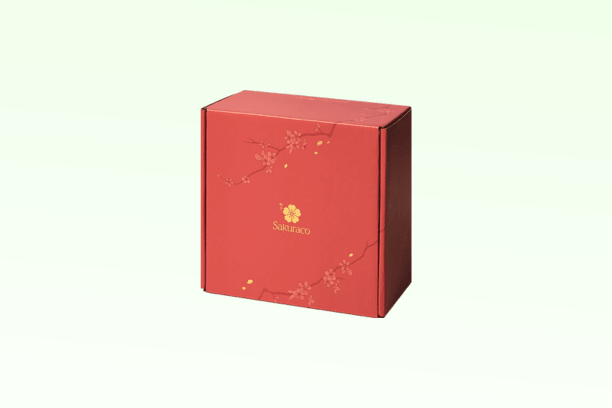 Sakuraco offers curated boxes that feature traditional Japanese snacks, sweets, and teas. The platform presents its service as a way to explore the food culture through monthly deliveries, connecting food discovery with cultural storytelling and seasonal themes.
The brand offers monthly subscription boxes that typically include a selection of Japanese snacks, such as wagashi sweets, matcha/hojicha tea, konpeito, and home goods like chopsticks, furoshiki, and ceramics.
In this review, we examine the brand’s position in the snack subscription market, including its subscription structure, cultural focus, and breadth of offerings. The review further compares how the service compares with other snack box providers.
About Sakuraco
Founded in 2021 by Ayumi Chikamoto, Sakuraco is a subscription- based brand that focuses on delivering Japanese snacks, tea, and home goods through monthly boxes shipped worldwide. Its subscription model is structured around a monthly box experience that includes around 20 offerings.
The brand organizes its offerings into categories that feature Mochi and Daifuku, Japanese Tea and Matcha, Cakes and Pastries, Senbei and Arare, and Kimono and Home Goods. Each box also includes a 24-page culture guide that explains the origin of the snacks, the makers behind them, and broader cultural themes.
Beyond the subscription box, the brand also operates Sakuraco Shop, which allows you to purchase selected snacks individually without subscribing. Orders from the shop are shipped separately from the monthly box.
According to its official website, the brand positions itself around supporting Japanese family-owned businesses and preserving traditional snack-making practices. It claims to work with local makers, including multi-generational producers.
Bestsellers
-
Snack Box
Snack Box is a monthly subscription box intended to provide a curated selection of traditional snacks, sweets, and teas while offering a cultural experience centered around Japan’s regional specialties and seasonal themes. It works as a recurring delivery that may allow you to explore different aspects of Japanese cuisine and food traditions through a rotating assortment of items sourced from various prefectures and local makers.
According to the official site, each box contains a mix of wagashi (traditional Japanese sweets), rice crackers, candies, cakes, and tea. These products are said to be sourced from different regions of Japan, such as Hokkaido, Kyoto, Tokyo, and Okinawa, and may reflect local cuisines and preparation methods.
The assortment may include items such as mochi, which is a rice-based confection made by steaming and pounding glutinous rice, senbei and arare, which are rice crackers that provide a crunchy texture, and traditional sugar-based confections like konpeito. Cakes, jellies, and regional specialties are also included, with variations depending on the monthly theme.
Some boxes may also include Japanese home goods such as ceramics or utensils. An optional tea pairing can also be included, which may feature varieties such as matcha or hojicha selected to complement the snacks.
Pros
- Features traditional artisanal snacks from local makers.
- Includes Japanese tea selections and a cultural guide booklet.
- Supports small, local Japanese snack businesses.
- Features 20+ offerings per box, including teas, sweets, and home goods.
- Maintains gift-oriented presentation and packaging design.
Cons
- Subscription cost is higher than that of typical snack boxes.
- Limited customization of snack selections.
Sakuraco Advantages
-
Authentic Japanese Cultural Experience Platform
Sakuraco pairs traditional Japanese snacks, tea, and a small home‑good item with a 24‑page culture guide explaining makers, seasonal themes, and the cultural context of the foods.
The brand selects snacks such as mochi, dango, taiyaki, and senbei, along with Japanese tea and a craft object like ceramics or furoshiki, and then organizes each month around a specific regional or seasonal concept, so the contents are shaped by a chosen theme rather than assembled at random.
The included guide adds text on how certain foods are traditionally eaten, which festivals or customs they relate to, and where the makers are located, which frames the box as an ongoing cultural‑immersion experience rather than a pure snack‑of‑the‑month service.
This can make the subscription feel more like a guided exploration of Japan, because you receive a consistent format each month that combines tasting and reading. You are not only exposed to different flavors and textures, but also to explanations of why certain items appear at particular times of year or in specific regions, which can help you build a more coherent understanding of Japanese food culture over time.
-
Local Artisan Partnership Network
Sakuraco positions its sourcing around identifiable Japanese makers and family‑run businesses. It emphasizes working with local producers across Japan, including many family‑owned shops whose recipes and methods have been developed over long periods, and it highlights that products are chosen for their ties to specific regions and smaller‑batch production.
This can make the subscription feel more anchored in people and places, because you can track which snacks come from recognizable local producers and how their offerings change across months. It may help you distinguish between products that reflect regional craftsmanship and those that follow more commercial, mass‑market approaches.
Over multiple boxes, you may notice recurring makers or regions, which can help you form a more detailed mental picture of how different parts of Japan approach sweets, snacks, and small household goods.
-
Seasonal Thematic Rotation Framework
Sakuraco organizes its offerings around a recurring calendar‑based pattern, where each month is tied to a specific festival, season, or regional motif in Japan. The brand designs the snack mix, tea selection, and sometimes the included home good to align with that month’s theme, so the contents are not rotated purely for variety but to echo a chosen cultural or seasonal idea. The accompanying guide then explains how that theme is expressed in Japanese life, such as particular foods for the New Year, cherry‑blossom‑season treats, or festival‑style snacks, which gives the box a clear temporal rhythm rather than a disconnected, ever‑changing assortment. This can help you roughly anticipate how the product mix will shift across the year. It may help you use the box as a way to mark Japan’s cultural calendar, noticing how flavors, textures, and serving styles change with spring, summer, autumn, and winter. It also reduces the impression that products are swapped in and out for novelty alone, since each month’s composition is anchored in a specific seasonal or ceremonial context that you can track over time.
Potential Limitations
-
Flavor Profile Preference Limitations
Sakuraco is built around a specific set of Japanese flavor profiles, moderate sweetness, rice‑ and bean‑based textures, preserved fruits, subtle savory notes, and tea‑forward pairings, rather than a broad, globally‑diverse snack palate.
The brand emphasizes traditional sweets like mochi, dango, taiyaki, yokan, and sakura‑flavored treats, along with matcha and hojicha, which skews the experience toward a more restrained, culturally specific taste spectrum. This can feel less appealing to those who primarily seek very sweet, very salty, or strongly Western‑style snack profiles such as ultra‑sweet candies, salty snacks, or chocolate‑heavy assortments. Some months feel less enjoyable if your personal taste leans away from Japanese‑style textures and flavors, or if you’re not accustomed to the balance of sweetness and texture offered by wagashi.
You may notice that certain snacks repeat in type (rice‑based, bean‑paste, or tea‑paired) even if the specific brands change, which can create a sense of limited flavor diversity if you were expecting a wider range of international or Western‑style snacks. If you are sensitive to texture (for example, gummy, sticky, or chewy foods) or prefer more intense sweetness, this flavor‑profile orientation may become a practical constraint on how consistently satisfying the brand’s snack box feels over time.
-
No Customization Box Model
Sakuraco delivers a fixed, pre‑selected set of items each month rather than letting you choose flavors, exclude ingredients, or adjust the mix. The brand highlights curation and surprise, framing the box as a monthly discovery rather than a configurable service, and there is no visible option to swap out certain snacks, request substitutions, or adjust the number or type of items you receive. The structure is built around a standard format, about 20 snacks, tea, and a small home good, all chosen by the brand to fit a seasonal theme, which means the experience is bound by the brand’s own selection criteria rather than your personal preferences. This can limit how much control you have over what shows up in the box, especially if you have strong dislikes, allergens, or flavor aversions that are not accommodated. If you would rather build your own snack profile or rotate only certain categories (such as strictly savory or non‑rice‑based items), the lack of variant‑choices and limited customization may feel restrictive. You may find that the value of the box depends heavily on how well the brand’s default curation aligns with your palate, since you cannot reshape the mix to better fit your taste.
Alternative To Sakuraco
-
Bokksu
When comparing Bokksu and Sakuraco, both operate within the Japanese snack subscription space. However, the brands differ in how they structure their snack range, cultural framing, pricing models, and ecosystem depth.
Bokksu maintains a tightly curated snack-focused catalog focused on Japanese confectionery, savory snacks, and tea pairings, typically delivering around 20–22 products per box. Its range covers categories like mochi, senbei, cookies, cakes, and regional specialties, but remains mostly confined to edible products. While it extends into adjacent channels through Bokksu Boutique and Bokksu Market, these expansions still revolve around food and pantry-style products rather than lifestyle goods.
Meanwhile, Sakuraco presents a broader and more layered product ecosystem, providing around 20 products per box. Beyond Japanese-style traditional snacks such as wagashi, senbei, Japanese tea/matcha, and pastries, the brand also consistently integrates non-food offerings like tableware, drinkware, and culturally inspired home goods. This expands the range beyond edibles into a more holistic cultural package.
Operationally, Bokksu claims to maintain direct partnerships with over 100 local Japanese producers, focusing on long-term relationships with family-run businesses and exclusive sourcing. Its system extends beyond subscriptions into a multi-channel ecosystem that includes direct purchasing through Bokksu Boutique and grocery-style access via Bokksu Market. Sakuraco, while also sourcing from regional artisans, operates with a more subscription-centric model. The brand’s e-commerce layer (Sakuraco Shop) functions primarily as a complementary channel rather than a fully expanded marketplace ecosystem.
In terms of subscription pricing structures, there are further differences between the brands. Bokksu typically prices its subscriptions at around $39.99 per month, with annual subscription plans reducing the cost to around $31.99 per month. Meanwhile, Sakuraco follows a similar premium baseline with a $39.99 monthly plan, but offers more segmented tiering, with mid-range plans at $36.99 (3 months) and $29.99 (12 months).
Bokksu presents a snack-centric, artisan-driven model with a strong emphasis on direct sourcing and ecosystem expansion into food retail. Meanwhile, Sakuraco offers a broader, more experience-oriented system that integrates snacks with cultural artifacts and tea selections, supported by a more flexible subscription structure.
How Did We Evaluate?
-
Brand Reputation
We have evaluated Sakuraco’s brand reputation using publicly available information from third-party platforms, including Reviews.io and Reddit. On Reviews.io, the company has received a 4.8 out of 5 rating, which is based on over 1,600+ reviews.
Customer feedback has indicated that many users have appreciated the presentation, variety, and cultural aspect of the subscription boxes. Some customers have also noted that the products arrived in good condition and provided an enjoyable way to experience Japanese snacks and culture. At the same time, some have reported delayed deliveries or longer-than-expected shipping times.
On the other hand, customer discussions on Reddit have detailed concerns regarding shipping reliability and customer support. Some have reported missing deliveries despite tracking showing items as delivered, along with challenges in obtaining refunds or replacements. Others have described difficulties canceling subscriptions or being charged unexpectedly due to auto-renewal settings. Unclear communication around subscription terms, auto-renewal policies, and inconsistent handling of lost or delayed shipments appear to be recurring concerns that can potentially impact overall trust among subscribers.
-
Real User Experiences
To understand user experiences, we looked for responses shared on Trustpilot, where Sakuraco holds a TrustScore of 4.6 out of 5 based on about 2,400+ reviews. Many describe positive experiences with the curated snack boxes, frequently highlighting the freshness, taste, and variety of the products.
Customers often note that the items feel authentic and reflective of traditional Japanese flavors, with a mix of sweet and savory snacks as well as teas. The inclusion of booklets explaining the cultural background of the items is commonly appreciated, with some users describing the unboxing experience as engaging and informative. However, some report shipping delays, missing or damaged items, or packages arriving later than expected, occasionally affecting product freshness.
Subscription management is another area of concern, with a number of users noting automatic renewals without clear reminders or difficulty canceling subscriptions. A few report dissatisfaction with customer service response times or the resolution of issues such as refunds or missing items. The feedback indicates a broadly positive reputation, with opportunities for improvement in logistics, communication, and subscription handling.
Frequently Asked Questions
- Are Sakuraco snack boxes customizable?
No. The brand does not describe options to select specific snacks or personalize box contents, indicating boxes are pre-assembled rather than customizable. It highlights that boxes are curated monthly selections of Japanese snacks, teas, and occasional home goods based on seasonal themes. - Does Sakuraco offer calorie or nutrition tracking features?
No. The brand does not provide any calorie tracking resources, nutrition dashboards, or apps for monitoring intake. Nutrition details may appear on individual packaging, but no centralized tracking feature is described. - Are Sakuraco offerings compatible with dietary restrictions?
Not completely. Sakuraco boxes are pre-curated, and the brand does not offer fully customized boxes for dietary needs. Some products may be vegetarian, but snacks may contain allergens like wheat, soy, dairy, or eggs. Compatibility with different dietary restrictions is not accommodated by the brand.
Final Words
Sakuraco’s service is built around cultural discovery and curated variety rather than individual customization. Even though the brand presents general ingredient information, you cannot customize the snack boxes based on your taste preferences, dietary restrictions, or allergens.
When considering the brand, it is important to note that shipping costs are typically separate from the base subscription price. Automatic renewals also require careful tracking to avoid unintended charges. Your overall experience depends on comfort with recurring deliveries, prepaid commitments, and satisfaction with limited customization. It is also crucial to have realistic expectations about billing structure, dietary fit, and budget before subscribing to the brand’s services.
Sakuraco may function best as a cultural subscription experience rather than a purely snack-focused service. If you value discovery, storytelling, and traditional Japanese flavors, it offers a distinctive and engaging option. However, in terms of customization, consistency, or mainstream snack appeal, its model may feel limiting over time.

Rachel has been a freelance medical writer for more than 18 years. She graduated from the University of Tennessee at Knoxville in 2005 and is currently practicing as a Certified Registered Nurse Anesthetist at a Level I trauma center.
Leave a Reply