

No products in the cart.
Contents
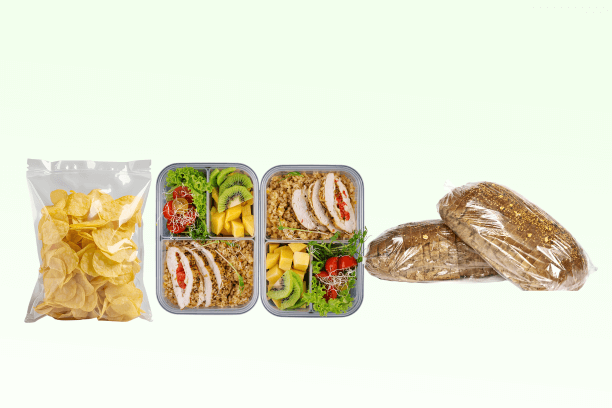
GLP-1 medications are changing how packaged foods are developed, positioned, and consumed. They may change eating frequency, portion tolerance, and macronutrient preference by influencing appetite signaling, gastric emptying, and post-meal glucose response. These formulations could slow digestion and boost satiety signals in the brain while improving insulin response.
Foods designed for frequent snacking or oversized servings often no longer fit these eating patterns. Packaged food companies are responding by adjusting sizes, nutrient balance, and ingredient choices.
This article discusses 6 structural shifts GLP-1s are driving in packaged foods, examining how metabolic biology is reshaping product design, category structure, and long-term food system priorities.
6 Structural Shifts GLP-1s Are Driving in Packaged Foods
-
Accelerated Product Reformulation
GLP-1s adoption is forcing packaged food companies to change recipes faster and with clearer intent. Products designed around large servings or repeated snacking no longer perform the same way, so brands are reformulating to make a smaller size feel sufficient. This has shortened reformulation timelines, with updates happening within months instead of the multi-year cycles that were common before.
Specific ingredient changes are driving this shift. Protein content is being pushed higher using whey isolate, milk protein concentrate, pea protein, and soy protein because protein stimulates gut hormones such as peptide YY and cholecystokinin, which send fullness signals to the brain, allowing smaller portions to feel more physically and neurologically satisfying. Soluble fibers such as inulin, oat beta-glucan, and resistant starch are being added to improve mouthfeel and help products feel more filling in smaller amounts. Fats are being reformulated toward nut butters, seeds, and dairy fats that carry flavor longer, rather than relying on added sugars.
Sugar reduction is happening through concrete swaps rather than simple removal. Refined sugars are being replaced with allulose, monk fruit blends, or reduced-sugar syrups paired with fiber to maintain texture. Refined flours are giving way to almond flour, chickpea flour, and whole-grain blends that slow digestion.
You also see accelerated reformulation in ready meals and snacks, where sauces are thickened with protein or fiber instead of starch. The medication is pushing food brands to rebuild products quickly so each bite delivers more structure, nutrition, and staying power than before.
-
Innovation Shifts to Core Redesigns
Innovation is shifting away from surface-level updates and toward rebuilding how packaged foods are designed and used. As GLP-1s use changes eating behavior, you may no longer feel the need to snack all day or eat large meals. Brands now focus on creating products that fit into shorter eating windows and smaller, more planned meals, which pushes changes far beyond flavor or branding.
One clear shift is in product architecture. Foods are being made denser, more compact, and more layered so they deliver more sensory impact. You see this in things like dual-texture bars, filled crackers, thicker smoothies, and spoonable bowls that feel more like a light meal than a snack. These formats help a small serving feel complete instead of leaving you wanting more.
Manufacturing and testing are changing as well. Companies now measure how many bites a product takes to finish, how long flavor stays on the tongue, and how full people feel 30 to 90 minutes after eating a single serving. These tests help brands see whether a product still feels complete when portions are smaller.
To meet those targets, production settings are being adjusted. Grind size is made coarser, so particles take longer to break down when you chew. Moisture levels are tuned so foods do not dissolve too quickly in the mouth. Mixing and extrusion steps are changed to create thicker, more layered textures that release flavor more slowly instead of all at once.
-
Higher-Value Pricing Focus
GLP-1s use changes how often people eat, not just how much they eat. With fewer eating occasions across the day, packaged foods are being designed to deliver more nutritional and metabolic impact in each serving. That pushes pricing away from low-cost snack foods and toward higher-priced, more concentrated products.
They also increase how strongly the brain and body respond to nutrient quality rather than just sweetness or portion size. Foods that provide steady energy, stable blood sugar, and longer-lasting fullness reduce the need for another eating event soon after. Creating this type of response requires more complex ingredient systems than refined starch and sugar, which raises both production costs and retail prices.
This is why many products now fall in the $3 to $6 range for a single bar, shake, or bowl, and $8 to $14 for small multi-serve packs. These price points reflect products designed to function closer to a meal than a casual snack. The market is shifting away from pricing based on quantity and toward pricing based on how long one serving supports satiety and energy stability. That change in how value is defined is a core structural shift these medications are driving in packaged foods.
-
Demand Planning Reduces Volume Dependence
Using GLP-1s also changes how much packaged food you may buy at one time, which forces brands to rethink demand planning. As appetite and portion size drop, sales no longer come from moving large quantities of low-cost chips, cookies, or sweetened drinks. Demand shifts toward smaller, more filling options like protein bars, shakes, and ready-to-eat bowls that are purchased less often but used more reliably. This creates steadier weekly and monthly buying patterns even as total units sold decline.
As these medications keep the stomach feeling full longer and slow how fast hunger returns, shopping trips become more focused. You are more likely to leave the store with a short list of foods that support several meals instead of adding extra snack packs or multi-serve desserts. This means order volumes reflect actual eating behavior more closely, reducing the gap between what ships to stores and what gets consumed. The shift lowers the need for large multipacks, clearance pricing, and frequent promotional cycles that were once used to move excess inventory.
-
Precision-Focused Supply Chains
As eating patterns become smaller and more regular with GLP-1 use, your buying behavior becomes easier to predict. Instead of big swings between snack foods and large meals, you tend to repurchase the same formats, such as protein shakes, single-serve bowls, and compact bars. That allows brands to plan around narrow volume ranges, like how many 300 to 400-calorie meal replacements or 20 to 30-gram protein products you are likely to buy each week, instead of relying on broad food category estimates.
This forces supply chains to operate with much tighter control. Ingredients such as whey isolate, milk protein concentrate, specialty fibers, and structured fats cost more and do not store as long as flour or sugar. To avoid waste and quality loss, manufacturers order these inputs in smaller, more frequent shipments and run shorter production batches so each unit has the same texture, taste, and performance.
Distribution also becomes more exact. When a product is meant to replace a full meal for you, it cannot sit in a warehouse for long periods. Companies move these foods through faster and more controlled shipping paths so protein quality, fat stability, and moisture levels stay where they need to be.
-
Performance Measured by Usage Quality
In a GLP-1-shaped food system, performance is judged by how well a product works during the few times you actually eat. Brands measure whether their product shows up in real meal slots, like replacing breakfast three to five days a week or being used as a mid-day meal instead of a snack. A product that holds one of those eating windows is seen as high-performing because its users no longer eat many times per day.
Another usage signal is portion control inside the package. Single-serve meals, measured cups, and clearly defined bars now perform better than large bags or loose-serve foods. When your appetite is smaller, you rely on built-in portioning to avoid waste and discomfort, so products designed for one clean eating moment score higher.
Packaged food brands also focus on how well each serving fits into fewer, critical eating moments. Products that are easy to use, feel consistent, and hold their place in your routine are the ones that may perform best.
How GLP-1 Usage Intersects With Food Choices?
GLP-1s can change food choice by acting on digestive physiology and central appetite regulation. They slow emptying, and food remains in your stomach longer before entering the small intestine. This prolongs mechanical fullness and increases gastric stretch signaling, which makes large portions and high-volume meals feel uncomfortable rather than appealing.
These medications also alter food reward processing in the mesolimbic dopamine system. Dopamine release in response to highly palatable foods, particularly those high in sugar and fat, is reduced. As a result, foods that once felt highly rewarding may seem overly rich or less desirable, while simpler foods feel more tolerable.
Glp-1s may also improve post-meal glucose handling by potentially enhancing glucose-dependent insulin secretion and suppressing glucagon release. More stable blood glucose reduces rapid hunger rebounds and craving cycles, often driven by glucose fluctuations. This stability supports a natural shift away from refined carbohydrates and toward foods that provide slower, sustained energy.
Conclusion
As GLP-1 adoption becomes more common, packaged foods are adjusting to fit smaller and more regulated eating patterns. Reduced tolerance for large meals, combined with slower digestion and earlier fullness, limits how much food feels comfortable at one time. This drives a shift toward products that concentrate nutrition into smaller value, with greater emphasis on protein density and controlled sugar levels rather than sheer volume.
Many packaged food brands prioritize protein, fiber, and ingredients that support glucose control, while scaling back components that can feel heavy or trigger discomfort. Value is increasingly measured by how effectively a product supports satiety and metabolic balance within a smaller serving. These changes can influence how you prefer your packaged foods. Consumption becomes more deliberate, with attention shifting from quantity to functional payoff.
GLP-1 adoption is driving durable changes in food purchasing patterns, portion expectations, and product value definitions. Brands that adapt to lower-volume, higher-intent consumption appear to be better positioned than those reliant on traditional scale-driven demand.

Rachel has been a freelance medical writer for more than 18 years. She graduated from the University of Tennessee at Knoxville in 2005 and is currently practicing as a Certified Registered Nurse Anesthetist at a Level I trauma center.
Leave a Reply