

No products in the cart.
Contents
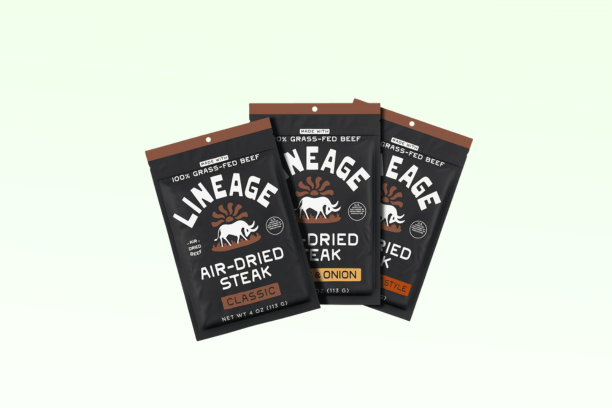
Lineage Provisions focuses primarily on meat-derived, high-protein snack products, alongside a limited selection of clean-label formulations and pantry staples. Its core offerings include beef sticks, protein powder, beef tallow, and collagen products.
The brand also offers add-ons like raw organic honey, coffee blends, and creatine monohydrate mixes. However, are the brand’s offerings compatible and safe to integrate into your daily routines?
This review will examine how the brand’s offerings fit into the premium clean meat snack segment. It also covers information around sourcing standards, quality framework, associated brand advantages, and potential limitations.
About Lineage Provisions
Co-founded by Dr. Paul Saladino (MD) and Anthony Gustin, Lineage Provisions is built around the idea of making clean nutrition routines easier through protein-focused meat snacks and formulations.
The brand emphasizes grass-fed, regeneratively raised sourcing, alongside strict avoidance of additives it associates with packaged foods such as stabilizers, preservatives, flavoring systems, and seed oils. Its product lineup blends meat snacks and foundational products, with signature offerings including options like Grass-Fed Beef Sticks, Air-Dried Steak, Animal-Based Complete Protein Powder, and Grass-Fed Nose-to-Tail Collagen. Beyond these core offerings, the brand also offers products like the Creatine Monohydrate, Raw Organic & Unfiltered Honey, Immunity Support Kit, and Rewild Roast Coffee.
According to its official website, Lineage Provisions reports conducting third-party testing for more than 390 potential contaminants. The listed testing scope includes heavy metals, mycotoxins, glyphosate, pesticides, herbicides, and microbial contaminants. These claims are presented as part of the brand’s quality control framework.
The brand states that it works with Light Labs, an ISO-17025 accredited laboratory, and reports the use of analytical techniques such as ICP-MS, LC-MS, and GC-MS for product testing. According to the company, testing results are provided on a batch-by-batch basis rather than presented as generalized quality assurances.
Lineage Provisions Offerings
-
Grass-Fed Beef Sticks
Grass-Fed Beef Sticks are minimally processed, shelf-stable snacks that are made from grass-fed and grass-finished beef. As per its official website, one stick (28g) provides about 90 calories, 16g of protein, zero added sugars, and 2.5g of total fats.
Grass-fed beef contains higher proportions of omega-3 fatty acids and conjugated linoleic acid (CLA), both of which support inflammatory signaling, lipid metabolism, and cellular membrane integrity. These fats are integrated into cell membranes, where they help support mitochondrial function and immune responses.
Grass-Fed Beef Sticks also features B vitamins like vitamin B12, niacin, riboflavin, and vitamin B6. These B vitamins support metabolic pathways that convert macronutrients into usable cellular energy currency called adenosine triphosphate (ATP). Vitamin B12, in particular, could support red blood cell formation, neurological function, and methylation reactions involved in gene regulation.
In the Ancestral recipes, the inclusion of organ meats integrates added fat-soluble vitamins such as vitamin A and vitamin E, along with trace minerals and peptides that are involved in antioxidant defense, immune modulation, and cellular repair. For instance, vitamin A supports epithelial tissue integrity and immune signaling, while vitamin E acts as a lipid-phase antioxidant that protects cell membranes from oxidative damage.
-
Grass-Fed Air-Dried Steak
Grass-Fed Air-Dried Steak intends to preserve the structural, nutritional, and metabolic properties of whole steak while extending shelf stability through a traditional air-drying approach rather than high-heat cooking or curing.
The base ingredient features grass-fed beef that provides the nine essential amino acids, which promote muscle protein synthesis. Beef protein could stimulate the release of hormones like peptide YY (PYY) and glucagon-like peptide-1 (GLP-1), which may help minimize post-meal blood sugar spikes. Such effects may improve satiety and suppress snack cravings while also supporting muscle growth.
The steak contains naturally occurring zinc, which functions as a catalytic or structural component for multiple enzymatic reactions involved in DNA synthesis, immune cell signaling, and tissue repair.
Grass-Fed Air-Dried Steak also contains creatine and carnitine. Creatine helps support rapid ATP regeneration in muscle and neural tissue, while carnitine may promote the transport of long-chain fatty acids into mitochondria. These compounds may contribute to muscular performance, fatigue resistance, and improved energy utilization.
-
AB Complete Beef Protein Powder
Lineage Provisions’ Animal-Based Complete Protein Powder is formulated to function as a concentrated, whole-food protein source. According to its official website, one scoop (23g) contains 90 calories, 20g of protein, 250mg of grass-fed bovine whole colostrum, and 250mg each of beef liver powder and heart (bovine) powder.
Grass-fed beef protein offers a rich amino acid profile that features leucine, isoleucine, valine, lysine, and glycine. These amino acids are absorbed through standard intestinal peptide and amino acid transporters and contribute to muscle protein synthesis, connective tissue maintenance, and enzymatic turnover via pathways such as mTOR and nitrogen balance regulation.
Inclusion of grass-fed beef organs, specifically liver, heart, kidney, spleen, and pancreas, adds biologically active micronutrients that are not present in isolated protein powders. Liver contributes preformed vitamin A (retinol), vitamin B12, iron, and folate, which may support red blood cell production, DNA synthesis, and neurological function. Heart tissue is a natural source of CoQ10, a lipid-soluble compound essential for mitochondrial electron transport and ATP generation. Kidney and spleen provide trace minerals and peptides involved in immune signaling and iron recycling.
Animal-Based Complete Protein Powder also contains colostrum, which contains immunoglobulins, lactoferrin, and growth factors such as IGF-1 in low concentrations. These compounds interact with the gut-associated lymphoid tissue (GALT), where they help support intestinal barrier integrity, improve immune resilience, and support epithelial function.
The carbohydrate content in the formula is derived from whole-food sources, including organic fruit, berries, maple, dates, and coconut water powder. Such sources provide small amounts of glucose, fructose, and potassium that support glycogen replenishment, cellular hydration, and electrolyte balance without producing the rapid glycemic spikes associated with refined sugars.
-
Nose-to-Tail Collagen
Nose-to-Tail Collagen may provide the structural amino acids and connective-tissue–specific peptides required for ongoing tissue repair, extracellular matrix maintenance, and barrier integrity.
As per its official website, one scoop (17.6g) contains 60 calories, 16,300 mg of bovine collagen peptides, 250mg each of bovine scapula and tracheal cartilage, alongside 100mg of vitamin C from acerola fruit powder.
The primary protein fraction consists of hydrolyzed bovine collagen, which is enzymatically broken down into small peptides rich in glycine, proline, and hydroxyproline. Such amino acids are absorbed intact or as di- and tri-peptides via intestinal peptide transporters such as PEPT1.
Type I collagen, sourced mainly from bovine collagen and scapula, is the dominant structural protein in skin, bone, and tendons. It provides tensile strength by forming tightly packed fibrils that resist mechanical stress. Type III collagen, also contributed by scapula and connective tissue sources, is more elastic and helps support skin flexibility, vascular integrity, and wound repair. Meanwhile, Type II collagen is derived primarily from bovine trachea, which is a major structural component of cartilage and joint surfaces, where it contributes to compressive strength.
Nose-to-Tail Collagen also contains eggshell membrane, which may provide hyaluronic acid, elastin, and glycosaminoglycans. Hyaluronic acid could bind water within the extracellular matrix, thereby supporting tissue hydration, lubrication, and shock absorption in joints and skin.
-
Creatine Monohydrate
Lineage Provisions Creatine Monohydrate may support short-duration, high-intensity physical performance. It might improve training output, delay fatigue, and support cellular energy availability. The product provides 5 g of creatine monohydrate per scoop (5.1 g total), alongside 40 mg of sodium derived from sea salt.
Creatine is absorbed in the small intestine and transported into muscle cells through sodium- and chloride-dependent transporters. Once inside the cell, it is converted into phosphocreatine, which serves as a rapid reserve of high-energy phosphate groups.
Higher phosphocreatine levels in skeletal muscle help maintain ATP availability during repeated contractions, supporting greater force output, higher training volume, and delayed fatigue. Creatine may help in drawing water into the muscles and supporting cellular hydration, which may provide improved recovery and anabolic signaling.
-
Organic Raw Honey
Organic Raw Honey features an unheated, unfiltered form of honey that retains its naturally occurring enzymes, bioactive compounds, and micronutrients, which are typically degraded or removed during commercial pasteurization and filtration. According to its official website, a one-ounce (28g) serving contains 60 calories and 17g of total sugars.
The primary carbohydrates in raw honey are glucose and fructose. Glucose is absorbed directly through sodium-dependent glucose transporters (SGLT1) in the small intestine, while fructose is absorbed via GLUT5 transporters. This dual absorption pathway could reduce acute intestinal overload and may contribute to a more gradual glycemic response compared to refined sucrose.
Organic Raw Honey also contains polyphenols and flavonoids that act as antioxidants. These compounds may lower reactive oxygen species and decrease oxidative stress at the cellular level. Such effects may indirectly reduce inflammatory signaling pathways, including those mediated by NF-κB and pro-inflammatory cytokines. These mechanisms are responsible for honey’s observed anti-inflammatory effects across metabolism, immunity, and tissue-repair pathways.
-
Grass-Fed Beef Tallow
Grass-Fed Beef Tallow refers to a rendered animal fat composed primarily of long-chain saturated and monounsaturated fatty acids. Tallow is produced by slowly heating beef fat to separate pure lipids from water, connective tissue, and residual proteins. Such low-temperature rendering preserves the native fatty acid structure and fat-soluble micronutrients while removing unstable components that may otherwise promote oxidation.
The dominant fatty acids in beef tallow are stearic acid, palmitic acid, and oleic acid. Stearic acid is unique among saturated fats because it is rapidly converted in the liver to oleic acid through the action of stearoyl-CoA desaturase. The conversion may limit stearic acid’s impact on circulating LDL cholesterol and allows it to function primarily as an energy source rather than a lipoprotein-raising fat.
Stearic acid also influences mitochondrial fat oxidation by signaling through pathways involved in energy expenditure and cellular fuel preference. Oleic acid, a monounsaturated fat, contributes to membrane fluidity and supports insulin signaling by improving lipid composition within cell membranes.
Beef Tallow also contains fat-soluble vitamins, including vitamins A, D, E, and K, which are naturally stored in animal fat. Vitamin A could support epithelial function, immune signaling, and visual function through its role in gene transcription via retinoic acid receptors. Meanwhile, vitamin D plays a regulatory role in calcium balance, immune modulation, and inflammatory control. Vitamin K could support calcium transport and the proper activation of proteins involved in supporting bone density and vascular health.
-
Rewild Roast Coffee
According to the official website, Rewild Roast Coffee is made from organic Arabica coffee beans, which are described as regeneratively grown on small farms in Nicaragua. The flavor profile is presented as bold yet smooth, with notes including brown sugar, chocolate, walnut, and citrus.
The product’s functional effects are framed around coffee’s naturally occurring caffeine and polyphenol content. Caffeine acts primarily through adenosine receptor antagonism, which reduces perceived fatigue and increases alertness. Coffee polyphenols contribute antioxidant activity that may help limit oxidative stress signaling, and they may also influence metabolic pathways linked to glucose handling and vascular function. The manufacturers highlight that the product has passed third-party screening for mold, mycotoxins, glyphosate, and metals.
Lineage Provisions Advantages
-
Founder-Led Brand Identity
Lineage Provisions is built around its co-founders, Paul Saladino, MD, and Anthony Gustin, DC. Both are known for their work in animal-based nutrition and for promoting nose-to-tail eating as a core dietary principle.
Dr. Saladino brings a medical background and research focus on animal-centered diets. Meanwhile, Dr. Gustin adds clinical experience from treating athletes and building minimalist nutrition brands like Equip Foods and Perfect Keto. Their combined perspectives shape how the brand defines quality, sourcing, and product purpose.
The founders stay closely involved in product development by helping guide decisions on ingredient selection, regenerative sourcing, and processing methods such as air drying. Products reflect the same ancestral nutrition ideas they share publicly through education and research. Such a hands-on role keeps the brand consistent, including areas like product design, messaging, and sourcing standards.
-
Multi-Format Whole Food Nutrition
Lineage Provisions claims to deliver nutrition through several real-food formats rather than a single formulation type. The brand’s lineup includes collagen powders, meat sticks, beef tallow, air-dried steak, animal-based protein powders, and pantry offerings such as roast coffee and raw honey. Such offerings are presented as fitting into drinks, snacks, and cooking routines, while the brand claims to avoid capsules and heavily processed forms.
Each format is claimed to serve a specific role. Collagen powders are described as mixing easily into coffee, smoothies, or meals. Meat sticks are positioned as a portable protein option made from grass-fed beef and organs. Beef tallow is presented as a cooking fat for everyday meal preparation.
Such a structure is claimed to support nose-to-tail eating in daily life. Nutrition is presented as showing up through sipping, snacking, and cooking rather than a single intake method. Each format is described as drawing from grass-fed, regeneratively raised animal sources.
Lineage Provisions Limitations
-
Brand Recognition Still Emerging
Lineage Provisions entered the market around 2023 under founders Paul Saladino and Anthony Gustin. The brand initially launched with products like meat sticks and beef tallow, then expanded into collagen powders in late 2025. Such recent expansion indicates growth but also highlights a short time in the market compared with long-established nutrition brands.
Brand awareness remains concentrated in direct consumer channels. Growth comes mainly from podcasts, founder-led education, social media, and carnivore or regenerative nutrition communities. The brand has limited exposure through retail chains or mass media. Recent hires, including its first general manager and in-house designer, suggest the company is still building formal brand and operational systems.
This early stage limits recognition across broader audiences. It is important to note that the brand’s animal-based and nose-to-tail focus appeals to a niche audience but may feel unfamiliar to general shoppers.
-
Minimal In-Store Presence
Lineage Provisions sells mainly through its official website. You can buy products one time or through subscriptions. Offerings such as collagen powders, meat sticks, and beef tallow do not appear to have consistent placement in grocery stores, health food chains, or nutrition retailers.
The limited in-store presence may reduce hands-on product evaluation. You cannot see packaging, compare portion sizes, or taste food-based products before buying. This can matter for nutrition formats where texture and flavor influence purchase decisions. The absence of retail shelves also limits impulse buying and easy comparison with competing brands.
Without traditional retail partners, the brand avoids third-party shelf standards and distribution oversight that often support large-scale visibility. While the brand’s online distribution model helps preserve control over sourcing and brand messaging, it also narrows access and slows adoption, especially if you prefer buying nutrition products through familiar brick-and-mortar stores.
Pros
- Claims sourcing of grass-fed and finished beef and organs from small family farms, promoting regenerative agriculture practices and nutrient density.
- Emphasizes minimalistic philosophy and clean ingredients, excluding the use of fillers, seed oils, stabilizers, or preservatives in its offerings.
- Conducts rigorous testing for over 390 contaminants, including heavy metals, mycotoxins, glyphosate, and pesticides, to ensure product purity.
- Offers free U.S. shipping on purchases worth $99 or more.
Cons
- Targets animal-only/carnivore diets, making the brand’s offerings unsuitable for vegetarians or vegans.
- A few users noted delays in order shipment and refund processing.
Lineage Provisions Alternatives
-
Carnivore Snax
When comparing Carnivore Snax and Lineage Provisions, both brands emphasize animal-based protein offerings, clean ingredient standards, and packaged products designed to fit modern routines without relying on processed snacks. However, the brands have some differences across areas like their core focus, product breadth, quality standards, and accessibility.
Brand story and identity also differ between the brands. Carnivore Snax keeps its identity on craft and process, highlighting a long research and development period and a secret cooking process designed to transform cuts like ribeye, pork loin, and eye round into a pocket-friendly snack format. The production method is framed as a two-step process that takes longer than typical jerky production, and it is repeatedly tied to the brand’s defining proposition of light, airy, crisp-but-melty texture.
On the other hand, Lineage Provisions ties brand identity more directly to founder association and philosophy, positioning Dr. Paul Saladino and Dr. Anthony Gustin as the guiding figures behind product standards and ancestral framing. The brand emphasizes how difficult it is to find packaged foods without stabilizers, fillers, preservatives, processing aids, seed oils, or overprocessing.
Carnivore Snax places significant emphasis on regenerative agriculture in its sourcing narrative, stating that its products are made in the United States using meat sourced exclusively from U.S.-based farms that apply regenerative farming practices. The brand characterizes these farms as humane and environmentally beneficial, citing natural grazing systems and carbon sequestration as core attributes. These assertions are presented as part of the brand’s sustainability positioning rather than through independently quantified environmental metrics. Lineage Provisions similarly emphasizes regenerative sourcing, noting that its grass-fed and grass-finished beef and organ ingredients are sourced from small family farms with vetted supply chains. The brand also states that comparable sourcing standards are applied, where feasible, to non-beef ingredients. However, the extent to which these standards are uniformly defined, audited, or externally certified varies by ingredient category.
Product structure and catalog depth are where the brands separate most clearly. Carnivore Snax structures its catalog largely by protein source and product format, with navigation categories such as Best Sellers, Beef, Pork, Lamb, and Sliders. This approach prioritizes meat type over functional or nutritional segmentation. The core product lineup includes single-ingredient or minimally processed items such as Ribeye, Brisket, New York Strip, Pork Loin, Skirt Steak, Leg of Lamb, Duck Cracklings, and various slider formats made from beef, chicken, and bison. In addition to individual products, Carnivore Snax offers bundled assortments, including the Beef Bundle, Best Seller Bundle, and Try It All Bundle, which function primarily as sampling options rather than distinct formulations.
Meanwhile, Lineage Provisions covers multiple product categories, including snacks, bulk powders, and pantry staples, which makes the brand feel closer to an animal-based nutrition storefront. Some core offerings include products like Grass-Fed Beef Sticks, Animal-Based Complete Protein Powder, Micronized Creatine Monohydrate, Grass-Fed Beef Tallow, and Grass-Fed Nose-to-Tail Collagen. Beyond meat products, the brand also offers products like Organic Raw Honey and Rewild Roast Coffee.
-
Heart & Soil
Heart & Soil and Lineage Provisions brands maintain a shared emphasis on ancestral eating principles, regenerative sourcing, and clean-label products, which are intended to make nutrient-dense animal foods easier to include in daily routines. A major difference lies in the category focus and delivery format, with Heart & Soil offerings tied to organ-based supplementation through capsules and goal-oriented stacks. Meanwhile, Lineage Provisions expands the animal-based framework across snacks, powders, supplements, and pantry staples.
Founder identity plays a visible role in both brands, though expressed differently. Founded by Paul Saladino (MD), Heart & Soil’s identity is anchored in his animal-based nutrition philosophy and emphasis on organ meats as supporting foundational nutrition. Similarly, Lineage Provisions also shares the same Saladino connection but presents a dual-founder identity by also positioning Dr. Anthony Gustin as a guiding figure. The brand’s identity leans into the difficulty of finding packaged foods without stabilizers, fillers, preservatives, seed oils, or overprocessing.
The product catalog indicates further points of difference between the brands. Heart & Soil organizes the catalog around goal-based categories such as energy, fat loss, mood, and immune support, presenting its offerings as targeted stacks designed for specific needs. Some featured offerings include the Beef Organs, Whole Package, Firestarter, Her Package, Warrior, Grass-Fed Colostrum, Grass-Fed Thyroid+, and Lifeblood. The brand also offers protein options, such as Animal Based Protein, Grass-Fed Whey Unflavored, and Grass-Fed Whey Chocolate Sea Salt.
On the other hand, Lineage Provisions builds the platform around a mixed catalog of convenience snacks, targeted formulations, powders, and pantry staples. Some signature offerings in the brand’s catalog include the Grass-Fed Nose-to-Tail Collagen, Micronized Creatine Monohydrate, Raw Organic & Unfiltered Honey, Grass-Fed Beef Sticks, Animal-Based Complete Protein Powder, Immunity Support Kit, and Rewild Roast Coffee.
Sourcing and regenerative agriculture are central pillars across both brands. Heart & Soil considers regenerative farming practices as a defining mission layer rather than only a quality claim. The brand states its organ-based offerings are sourced from regeneratively raised, grass-fed, and grass-finished cattle free from hormones, pesticides, and artificial ingredients. It further highlights sourcing from regenerative farms in New Zealand and the United States. Regenerative education is presented as ecosystem recreation through rotational grazing, with a detailed discussion of soil health, biodiversity, rainfall retention, and feedlot systems.
Meanwhile, Lineage Provisions also emphasizes strict sourcing, stating it uses 100% grass-fed and finished beef and organs from small family farms while vetting non-beef supply chains to meet high standards. The messaging is similarly positioned against processed snack culture and big food shortcuts, but Lineage places heavier emphasis on testing rigor and supply chain verification as the proof layer supporting those sourcing standards.
How Did We Evaluate?
-
Brand Credibility
To evaluate Lineage Provisions, we analyzed the brand’s background and standing across independent and authentic review forums.
On TenereTeam, the brand holds a 4.4 out of 5 score based on a limited number of reviews. Many users appreciated the brand’s sourcing quality, clean ingredient positioning, and nutrient density, including the range of animal-based products. However, negative criticism revolved around areas like variability between batches and the brand’s limited retail availability.
Beyond TenereTeam, it appears that the brand maintains minimal visibility across larger independent complaint or review forums like Better Business Bureau and ConsumerAffairs. Due to such absence, our evaluation of the brand is concentrated in smaller review ecosystems, making it harder to validate customer experience patterns at a larger scale.
-
Real User Feedback
To evaluate Lineage Provisions, we analyzed verified consumer reviews for two of the brand’s core products on Amazon, assessing their real-world performance and criticisms.
On Amazon, the brand’s Creatine Monohydrate product carries a 4.6 out of 5 score, which is based on over 140 reviews. Many users described the formulation as pure, unflavored, micronized, and noted that it dissolves easily with no grittiness in water, smoothies, and post-workout shakes. Users repeatedly claimed noticeable improvements in strength, explosivity, endurance, and recovery. However, one user noted that the creatine packaging felt lower quality than expected for the brand. Another user stated that the package did not disclose the origin of the creatine formulation and that they learned through direct outreach that it was sourced from China.
Grass-Fed Beef Tallow maintains a 4.5 out of 5 score based on 65+ reviews. The consumer feedback leans positive around sensory quality and usability, repeatedly describing the tallow as soft, creamy, and smooth, with a good fat content. Some users frame it as compatible for cooking, including high-heat use. However, a few users mentioned a yellow tint and faint beef-fat scent, with one user explaining that these characteristics made it unsuitable for skincare use like body butter.
Based on the available Amazon feedback, it appears that many users appreciated the brand’s offerings for their effectiveness, usability, and perceived benefits. However, some points of criticism arise from issues related to sourcing disclosure, packaging/presentation misalignment, and product expectation clarity.
Frequently Asked Questions
- Are Lineage Provisions offerings compatible for travel or on-the-go use?
Yes, the brand’s offerings, such as 100% grass-fed beef meat sticks (Original and Spicy Southwest), air-dried steak, and grass-fed beef protein powder, are made with simple ingredients, no fillers, and short-term shelf stability for on-the-go use. - Do meat and organ products from Lineage Provisions carry food safety risks?
They carry minimal safety risks when handled and stored as directed. Lineage Provisions states that its air-dried meat and organ products are shelf-stable when unopened and are tested for harmful contaminants, like heavy metals and pesticides, and other contaminants. However, standard food safety practices still apply after opening, such as timely consumption or refrigeration. - Are Lineage Provision offerings nutritionally complete?
No. The brand positions its products as nutrient-dense snacks rather than complete meals. Meat and organ offerings provide high-quality protein and bioavailable micronutrients like vitamin A, B12, iron, zinc, and CoQ10. However, they do not supply adequate carbohydrates, fiber, or the full range of vitamins and minerals needed to meet daily nutritional goals.
Conclusion
Lineage Provisions positions itself as an animal-based nutrition brand focused on grass-fed, regeneratively raised sourcing and minimal processing across protein snacks and functional pantry products. The brand also highlights batch-by-batch third-party testing for contaminants and the avoidance of harmful additives commonly found in packaged foods.
However, the brand’s narrow nutritional philosophy creates clear fit limitations depending on dietary goals and preferences. Offerings like meat snacks and tallow might introduce tolerance-related considerations, including sensitivity to higher protein and fat intake, sodium exposure in shelf-stable formats, and natural variation in taste or aroma.
It is important to note that the brand maintains a limited in-store presence, which might reduce hands-on product evaluation and make comparison less convenient. These considerations must be kept in mind before opting for the brand’s offerings.

Rachel has been a freelance medical writer for more than 18 years. She graduated from the University of Tennessee at Knoxville in 2005 and is currently practicing as a Certified Registered Nurse Anesthetist at a Level I trauma center.
Leave a Reply