

No products in the cart.
Contents
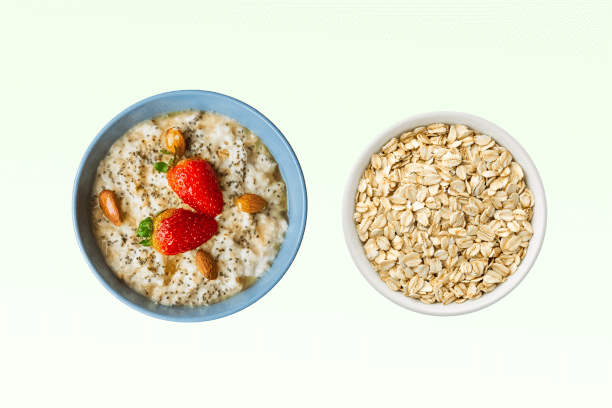
Oats are a staple in breakfasts, snacks, and baked goods, yet many wonder if they truly count as a cereal grain. The confusion comes from their versatile use and association with processed breakfast foods.
Oats play a role in supporting heart health, digestion, and balanced blood sugar. Despite being familiar on the plate, they hold unique qualities that could set them apart from other grains. They contain fiber and nutrients that can support wellness, but their potential is often overlooked.
Choosing whole, minimally processed options over packaged cereals can make a noticeable difference in how they affect your fitness goals.
This article will explore whether oats are truly a cereal, what makes them unique, and how they compare to other grains. We discuss their nutritional profile, potential benefits, practical uses in meals, and key considerations.
Composition of Oat Grains
Oats contain a unique combination of vitamins, minerals, and bioactive compounds that support overall health. At the cellular level, they have high concentrations of manganese, phosphorus, magnesium, and iron, each playing specific roles in enzymatic reactions, bone health, and oxygen transport in your body.
The germ of the oat seed houses B vitamins such as thiamin (B1) and pantothenic acid (B5), which are crucial for optimal energy metabolism and nervous system function.
Antioxidants like avenanthramides may protect cells from oxidative stress and help maintain vascular function. The bran layer is a natural source of phytochemicals that may support anti-inflammatory pathways, contributing to long-term wellness.
Oats also provide zinc, copper, and selenium, which influence immune function, thyroid health, and antioxidant enzyme activity. The endosperm contains starches that release energy gradually and plant proteins that supply essential amino acids in a balanced ratio.
-
Nutritional Profile (Per 100g Approx.)
Nutrient Value & Role Energy 370–380 kcal, Provides sustained energy Protein 12–14 g, Supports muscle repair and fullness Total Fat 6–7 g, Mostly healthy fats for metabolism Saturated Fat 1–1.2 g, Low, minimal cholesterol impact Carbohydrates 66–68 g, High, steady energy source Fiber 9–11 g, Aids digestion and gut health Sugars 0.9–1.1 g, Very low, minimal sugar load -
Vitamins
Vitamin Value & Function Thiamin (B1) 0.45–0.5 mg, Energy conversion Riboflavin (B2) 0.15–0.16 mg, Supports metabolism Niacin (B3) 1–1.2 mg, Skin and nerve health Vitamin B6 0.09–0.11 mg, Amino acid metabolism Folate 30–35 µg, Cell growth & DNA support Vitamin E 0.4–0.45 mg, Mild antioxidant Vitamin K 1.5–2.5 µg, Blood clotting support -
Minerals
Mineral Value & Role Calcium 50–55 mg, Bone support Iron 4–4.5 mg, Oxygen transport Magnesium 135–140 mg, Muscle & energy support Phosphorus 400–420 mg, Bone & energy metabolism Potassium 360–370 mg, Fluid & heart balance Sodium 5–7 mg, Naturally very low Zinc 3.5–3.7 mg, Immunity & healing Copper 0.38–0.4 mg, Iron metabolism Manganese 3.5–3.7 mg, Bone & metabolism Selenium 28–30 µg, Antioxidant & thyroid support
How Oats Grow: Traits of a True Cereal Grain
Oats develop as seeds enclosed in a protective husk, preserving the bran, germ, and endosperm, which supply fiber, protein, and essential micronutrients. The plant grows in dense, grassy clusters and prefers cooler climates, reflecting the growth patterns characteristic of cereal grasses. The fibrous root system penetrates soil deeply, enhancing soil structure and nutrient availability, which may contribute to the grain’s nutrient density.
Reproduction primarily occurs through self-pollination, maintaining consistent genetic traits that influence the nutritional quality of the seeds you consume. Throughout the growth cycle, from germination to flowering, oats display biological stages similar to wheat and barley. Their structural and physiological traits, including nutrient-rich seeds and ecological adaptability, highlight oats’ classification as a true cereal grain.
Why Oats Are Often Misunderstood
Oats are frequently underestimated because most of your dishes involve oats in processed forms such as instant oatmeal, granola bars, or flavored cereals. These forms may mask the structural integrity of the seed, which is key to fiber, protein, and antioxidant content.
Oats are sometimes overshadowed by other grains like wheat or rice in popular diet discussions. They contain avenanthramide antioxidants that could help reduce inflammation, setting them apart from other common cereals.
Cultural and historical perceptions have also influenced their reputation. Oats were traditionally considered a secondary grain in certain Western European regions, leading you to undervalue their metabolic and functional aspects.
Comparing Oats to Wheat, Barley, and Rice
-
Oats vs. Wheat
Wheat is higher in gluten-forming proteins, which give baked goods structure but can pose challenges for gluten-sensitive individuals. Oats have avenins, which are a type of protein similar to gluten but generally tolerated by most people with mild sensitivities.
Fiber content in oats, especially beta-glucan, surpasses that of wheat, supporting cholesterol reduction and gut health more effectively. The carbohydrate profile of oats also favors slower digestion, contributing to steadier blood sugar levels compared to wheat’s faster-digesting starches.
-
Oats vs. Barley
Barley shares many functional traits with oats, including high soluble fiber content, particularly beta-glucan. Both grains may support cardiovascular and metabolic health.
The barley grains are hulled and can be pearled, which removes some bran and germ, reducing fiber and micronutrient density. Oats retain a higher proportion of bran in most forms, giving them an edge in antioxidant content and slow-release energy.
Texture and cooking characteristics also differ. Oats provide versatility in preparation and can be used in porridge and granola as well as baked goods, whereas barley often requires longer cooking and may be less adaptable to varied recipes.
-
Oats vs. Rice
Rice is a staple carbohydrate source worldwide, but its fiber and protein content is lower when compared to oats. The biological structure of rice allows for rapid digestion, which may cause quick spikes in blood sugar, whereas oats digest more slowly due to their intact fiber matrix.
Different types of rice contain varying antioxidant compounds. Brown rice has the bran and germ, which may provide antioxidants like ferulic acid, γ-oryzanol, and tocotrienols, while white rice lacks most of these components, reducing its nutrient density. Oats contain avenanthramide antioxidants, which are absent in rice, which may offer cardiovascular and anti-inflammatory benefits.
Oats have a more balanced profile, combining fiber, protein, and unique antioxidants, whereas rice may primarily serve as a rapid-energy carbohydrate, especially in its refined forms.
What Makes Oats a Cereal Grain?
A cereal grain is known as the edible starchy seed from grass family plants (Poaceae). It contains carbohydrates, proteins, vitamins, and minerals, forming a key energy and nutrient source in your diet. Oats fit this definition clearly as the seeds you consume have bran, germ, and endosperm.
Seeing how the oat plant grows, such as thriving in cooler climates, reproducing through self-pollination, and developing fibrous roots that improve soil, highlights its characteristics shared by cereal grains.
However, you can easily get confused with oats’ classification because usually, you often consume them as oatmeal, in granola, or in other processed forms rather than raw seeds.
Benefits of Eating Oats
-
May Improve Gut Microbiota
Oats are rich in soluble fibers, particularly viscous fibers, which could significantly impact your gut microbiota. These fibers act as prebiotics, providing nourishment for beneficial bacterial species like Bifidobacterium and Lactobacillus. Oats may help i ncrease the production of short-chain fatty acids (SCFAs) such as propionate, acetate, and butyrate by promoting the growth of these microbes.
SCFAs may help in maintaining the integrity of the intestinal lining and reducing intestinal inflammation. Studies indicate that regular intake of oats could shift the gut microbial balance toward a more favorable composition, potentially lowering the risk of gastrointestinal disorders and metabolic inflammation.
The fiber in oats may act as a fermentation substrate, supporting microbial diversity, which is often associated with improved immunity, lower systemic inflammation, and enhanced digestive comfort. This could be particularly meaningful if your diet is otherwise low in plant-based fibers, as its soluble fibers may provide unique microbial substrates not usually present in other grains.
-
Could Support Cardiovascular Health
The soluble fibers in oats could bind to bile acids in the gut, potentially leading to their excretion. This process might stimulate the liver to convert more cholesterol into bile acids, thereby lowering circulating LDL cholesterol levels.
Clinical studies suggest that consuming at least 3 grams of oat soluble fiber daily may reduce LDL cholesterol by up to 10–15%, which could substantially decrease the risk of developing atherosclerosis and related heart conditions.
Oats also contain polyphenolic compounds, which have antioxidant and anti-inflammatory effects. They could improve endothelial function by reducing oxidative stress within blood vessels, potentially promoting better blood flow and reducing arterial stiffness.
Oat proteins might also contribute to cardiovascular support by producing bioactive peptides during digestion, which could help regulate blood pressure.
-
May Support Digestion
Oats may significantly improve digestive function. Its fiber content may help retain water in the intestines, forming a viscous gel that softens stools and facilitates easier passage through the colon. This could help relieve mild constipation and improve bowel regularity. The insoluble fibers in oats can add bulk to stool, stimulating peristalsis, which may further enhance gut motility.
Research also suggests that regular consumption of oat fibers may reduce symptoms of gastrointestinal discomfort, such as bloating or irregular bowel movements, by normalizing stool consistency. The fiber in oats could also act as a substrate for gut microbes, producing short-chain fatty acids that nourish colon cells and support gut barrier integrity. Including oats in a daily diet might help establish consistent digestive patterns, reduce gastrointestinal inflammation, and improve nutrient absorption.
-
May Help Maintain Blood Sugar Levels
Oats contain starches and viscous fibers that may help modulate postprandial glucose responses. They can slow gastric emptying and delay carbohydrate absorption in the small intestine, potentially reducing blood sugar spikes after meals.
Clinical studies suggest that regular consumption of oats could modestly reduce fasting glucose and HbA1c levels, contributing to better glycemic control. They might also improve insulin sensitivity by promoting a more gradual release of glucose into your bloodstream, which could reduce the workload on pancreatic beta cells.
Oats may provide a steady energy source, which might support metabolic balance throughout the day. Combining them with other protein or healthy fat sources could further enhance glycemic regulation.
-
Could Help Provide Satiety and Aid Weight Management
Oats may help increase feelings of fullness and prolong satiety after meals. This effect occurs through delayed stomach emptying, allowing nutrients to be absorbed gradually and sending fullness signals to the brain over an extended period.
Oats might contribute to long-term weight management by naturally controlling hunger and reducing the tendency to snack between meals. This effect could be particularly useful when integrated into a balanced diet and active lifestyle, supporting both energy regulation and healthy body composition.
Research also indicates that consuming oats may result in reduced appetite and lower calorie intake during subsequent meals. It’s complex carbs, fiber, and protein that could stabilize blood sugar levels, which may decrease cravings and prevent overeating. However, more research is required to understand its significance on appetite.
-
Additional Benefits for Skin
Oats contain bioactive compounds, including saponins and phenolic acids, which may offer dermatological support. These compounds could reduce inflammation, oxidative stress, and itching when applied topically or consumed as part of the diet. Colloidal oatmeal has been shown to improve symptoms of eczema, atopic dermatitis, and general skin irritation, soothing pruritus and enhancing skin barrier function. Antioxidants in oats may help protect skin cells from excessive damage caused by free radicals, contributing to healthier, more resilient skin.
Regular consumption of oats might also provide trace minerals such as zinc and selenium, which are critical for skin repair and immune function.
Possible Side Effects
-
Gastrointestinal Discomfort
Consuming oats, especially in large quantities or for individuals unaccustomed to high-fiber diets, may lead to gastrointestinal discomfort. The soluble fiber in oats, particularly β-glucan, undergoes fermentation in the gut, producing short-chain fatty acids and gases. This fermentation process can cause bloating, flatulence, and abdominal cramps in some individuals.
A study reported that while β-glucan intake can improve gut health, it might also lead to transient gastrointestinal symptoms like bloating and gas in certain individuals. To mitigate these effects, it’s advisable to increase oat consumption and ensure adequate hydration gradually.
-
Gluten Contamination Risk
Although oats are naturally gluten-free, cross-contamination during processing can pose a risk for people with celiac disease or non-celiac gluten sensitivity. A study by Rodríguez et al. (2022) found that a significant proportion of commercial oats labeled as gluten-free were contaminated with gluten, potentially triggering adverse reactions in sensitive individuals. To minimize this risk, individuals with gluten sensitivities should opt for certified gluten-free oats and be cautious of cross-contact during preparation.
-
Potential For Oat Allergy
While rare, some may have an allergic reaction to oats. This is often due to a sensitivity to avenin, a protein in oats similar to gluten. Purified oat protein could trigger acute immune responses in some people, particularly those with celiac disease. Gut Symptoms of an oat allergy can include skin rashes, swelling, or more severe reactions. Individuals suspecting an oat allergy should consult with a doctor for proper diagnosis and guidance.
Oats vs. Commercial Cereals
-
Fiber That Supports Digestion
Oats are naturally rich in β-glucan fibers, which may support gut health by promoting beneficial microbiota and producing short-chain fatty acids. This fiber could slow nutrient absorption, helping you feel full longer and supporting stable blood sugar levels.
Many commercial cereals, such as Corn Flakes, Rice Krispies, and Frosted Mini-Wheats, contain less than 2 grams of fiber per serving and primarily offer insoluble fiber. They also often have added sugars ranging from 8 to 12 grams per 30–40 g serving, which may reduce the functional benefits for digestive health and satiety.
-
Blood Sugar Regulation
Oats typically have a moderate glycemic index ranging from 40 to 55, allowing glucose to enter the bloodstream gradually. This may help maintain steadier energy levels and reduce spikes in insulin.
Highly processed cereals, such as corn flakes, rice puffs, and instant varieties, often have a GI above 70, which could cause rapid blood sugar fluctuations and increased insulin demand. Choosing oats over high-GI cereals may better support glucose regulation and metabolic balance throughout the day.
-
Protein And Bioactive Compounds
Oats provide plant-based proteins with a relatively balanced amino acid profile, along with unique polyphenolic compounds called avenanthramides. These compounds have antioxidant and anti-inflammatory effects, potentially supporting cardiovascular health.
Many commercial cereals, particularly pre-sweetened or heavily processed options, often contain lower protein levels and lack these beneficial bioactive molecules, limiting their functional contribution beyond basic caloric energy.
-
Micronutrients And Additives
Oats contain essential minerals such as manganese, phosphorus, copper, magnesium, iron, and zinc. Minimally processed oats retain these nutrients while avoiding added sugars, sodium, and preservatives commonly found in commercial cereals. Even fortified cereals may not provide the same functional value due to processing and additive content. Choosing steel-cut or rolled oats may ensure that you maximize nutrient intake while minimizing exposure to unnecessary additives.
Frequently Asked Questions
- Are sprouted oats biologically more beneficial than regular oats?
Yes, sprouted oats may improve nutrient availability, including vitamins, amino acids, and antioxidants. They might also enhance protein digestibility and gut tolerance compared to non-sprouted oats. - Can oats contribute to mineral absorption efficiency?
Possibly. Phytates in oats may mildly reduce the absorption of minerals like iron and zinc. However, soaking or cooking oats may improve mineral bioavailability, supporting nutrient intake. - Are All Oat Varieties Equally Nutritious?
Not exactly. Steel-cut, rolled, and instant oats differ in fiber retention and antioxidant content. Less processed oats, like steel-cut or groats, may retain higher β-glucan and polyphenol levels, which could enhance gut and cardiovascular benefits. Instant oats offer convenience but might have slightly reduced bioactive compound levels. - Are Oat-Based Products Equally Healthy as Whole Oats?
Not always. Products like instant oat cereals or flavored oat bars may contain added sugar, salt, or refined ingredients, which could diminish their potential benefits. Whole or minimally processed oats may better preserve fiber, protein, and bioactive compounds, offering more consistent physiological effects.
Final Words
Oats are a true cereal, like wheat or rice, and they are a natural source of energy, fiber, and nutrients that can be part of your balanced diet. They can give you a combination of fiber, protein, and bioactive compounds that may support your gut, heart, and metabolic health.
Including them in your diet could help maintain steady energy levels, promote satiety, and provide antioxidants that may reduce inflammation. You can include oats in your diet routine by starting your day with steel-cut or rolled oats as porridge, adding them to smoothies or yogurt bowls, or using them in homemade granola, energy bars, or savory oat dishes. Even swapping packaged breakfast cereals for whole oats is a simple way to benefit from their natural fiber, protein, and slow-release carbohydrates.

Rachel has been a freelance medical writer for more than 18 years. She graduated from the University of Tennessee at Knoxville in 2005 and is currently practicing as a Certified Registered Nurse Anesthetist at a Level I trauma center.
Leave a Reply