

No products in the cart.
Contents
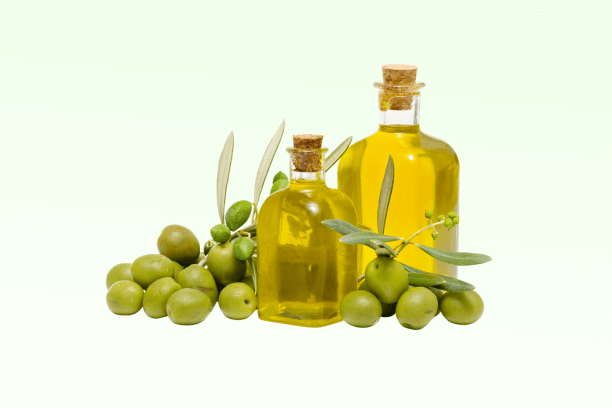
Extra Virgin Olive Oil (Info) Review – SUS AI
Extra virgin olive oil has potent antioxidants and anti-inflammatory compounds that may help support cardiovascular health, promote improved blood sugar control, and reduce inflammation.
While regular or refined olive oil undergoes processing that could strip away beneficial nutrients, extra virgin olive oil is generally cold-pressed and minimally processed, which may help preserve its nutritional content and distinctive flavor.
In this article, we provide a breakdown of EVOO, including its nutritional content, working mechanism, associated benefits, and possible drawbacks.
What Is Extra Virgin Olive Oil?
Extra virgin olive oil may represent a premium variant of olive oil, made exclusively from the fruit of the olive tree (Olea europaea). It contains monounsaturated fats, particularly oleic acid, which may support heart health. It also has polyphenols like hydroxytyrosol, oleuropein, and tyrosol, which might offer antioxidant and anti-inflammatory benefits.
The production of the oil begins with carefully sourced olives, typically harvested when green to slightly ripe and handled gently to avoid bruising. Post-washing, the olives are crushed into a paste and slowly mixed at low temperatures in a process called malaxation.
The oil is then separated from solids and water, usually via centrifugation or mechanical pressing, and allowed to settle before decanting. Its flavor profile might range from fruity, grassy, or herbaceous to slightly bitter or pungent. It is highly sensitive to light, heat, and air exposure, which may accelerate degradation and reduce flavor and bioactive content.
Therefore, it is typically stored in dark glass bottles, stainless steel containers, or airtight, opaque vessels. For culinary applications, you can add extra virgin olive oil in your salad dressings, use it over cooked vegetables, or use it for low- to medium-heat sautéing.
Benefits of Extra Virgin Olive Oil
-
Could Support Heart Health
Monounsaturated fats, primarily oleic acid, in extra virgin olive oil may help support vascular health and circulation. These monounsaturated fats may raise high-density lipoprotein (HDL) cholesterol levels while lowering low-density lipoprotein (LDL) oxidation, which could help decrease artery stiffness and minimize the risk of plaque buildup. Such effects may improve the efficiency of the heart muscles, reduce arterial inflammation, and potentially lower the risk of concerns like heart attacks or strokes. Improved heart health may also support cellular health, metabolism, and vitality.
-
May Contribute to Healthy Blood Pressure Levels
Extra virgin olive oil contains polyphenols like hydroxytyrosol and oleuropein, which may support nitric oxide production. It may stimulate the relaxation of smooth muscles in blood vessel walls, thereby supporting vasodilation and contributing to lower systolic and diastolic blood pressure levels over time. Such benefits might decrease peripheral resistance in blood flow, supporting more stable blood pressure levels. As a result, it may lower the strain on your heart muscles, decrease the risk of developing hypertension, and contribute to a reduced risk of headaches.
-
Might Support Cognitive Health
Extra virgin olive oil may protect the integrity of the brain cell membranes, allowing signals to pass smoothly between neurons. The support may positively impact memory retention, focus, and mental performance. Compounds like oleocanthal and hydroxytyrosol may lower oxidative stress and inflammation in brain tissues, both of which might contribute to a reduced risk of age-related memory loss and conditions like Alzheimer’s disease. These compounds may also assist in the removal of harmful proteins like beta-amyloid from brain cells, which could further support brain function. With better cognitive health, you may experience clearer thinking, better mental acuity, reduced brain fog, and decreased mood fluctuations.
-
Could Lower Inflammation
Chronic inflammation is associated with multiple health concerns, including arthritis development, heart disease, and neurological disorders. Extra virgin olive oil contains anti-inflammatory properties due to its polyphenols, which may help calm the immune system and restrict the release of inflammatory molecules such as interleukin-6 and TNF-alpha. The antioxidants may lower damage triggered by free radicals, which may otherwise worsen inflammation in the body. With reduced inflammation, you may experience benefits such as decreased joint stiffness, reduced severity of pain, improved digestion, and stronger immunity.
-
May Support Bone Health
Extra virgin olive oil could support bone health by influencing how your body maintains bone density and strength. It may lower inflammation, while compounds like oleuropein and hydroxytyrosol may protect bone-forming cells (osteoblasts) and reduce the activity of bone-breaking cells (osteoclasts). The balance might help preserve your bone structure and slow down bone loss over time. Extra virgin olive oil is also a potent source of monounsaturated fats, which could improve the absorption of vitamin D, which aids in optimal calcium absorption and bone mineralization. As a result, it may support improved bone density, better posture, stronger joints, and a reduced risk of developing osteoporosis. It may also support joint mobility and minimize joint strain.
Potential Side Effects of Extra Virgin Olive Oil
-
May Cause Gastrointestinal Discomfort
Using extra virgin olive oil sometimes might lead to digestive discomfort. The high concentration of monounsaturated fats may force your small intestine to release more bile acids and pancreatic enzymes to handle digestion. The stronger activity may overstimulate your intestinal lining, which might result in cramping, bloating, or a faster gut transit that could lead to diarrhea or loose stools. Overconsumption may also irritate your enteric nervous system and trigger abdominal rumbling, queasiness, or nausea. Its high fat content may relax your lower esophageal sphincter, a muscle that usually keeps stomach acid from flowing back into your esophagus. When the muscle weakens, stomach acid may rise upward and trigger a burning sensation in your chest or throat, called heartburn.
-
Might Have Blood Thinning Effects
Extra virgin olive oil might interfere with normal blood clotting, especially if overconsumed. Its polyphenols, such as hydroxytyrosol and oleocanthal, may reduce the activity of platelets by lowering the production of thromboxane A2. Such effects may cause delays in coagulation time and make you more prone to bleeding-related risks, which might manifest as nosebleeds, easy bruising, gums that bleed more easily, or cuts that take longer to stop bleeding. Extra virgin olive oil may intensify their effects if you already use blood-thinning medications like warfarin or other anticoagulants.
-
Could Trigger Acne Flareups
Topical use of extra virgin olive oil may sometimes interfere with your natural skin barrier. Its content of triglycerides and long-chain fatty acids may create an occlusive layer on the skin surface. The layer may trap sebum, sweat, and dead skin cells within pores, creating an environment where acne bacteria may thrive. Such bacterial overgrowth and blocked follicles may contribute to inflammation, potentially resulting in red, painful pimples or pustules. These flare-ups can be more pronounced if you are already prone to oily skin or acne.
Frequently Asked Questions
- How can you tell if the extra virgin olive oil is authentic?
You should check for quality certifications on the label, such as PDO (Protected Designation of Origin) or COOC (California Olive Oil Council) seals, harvest date, and dark glass packaging. Authentic oils typically offer a fresh, grassy, or fruity aroma, not waxy or stale. - Is cloudy olive oil a sign of spoilage?
No. Cloudiness typically results from natural waxes or low storage temperatures, especially in unfiltered olive oil. The oil typically clears when brought to room temperature. However, a sour or stale smell may indicate true spoilage. - Can I add extra virgin olive oil to other oils for cooking?
Yes, you may pair the oil with neutral oils like avocado or canola, which may increase its smoke point and reduce cost. However, it may slightly dilute olive oil’s flavor and antioxidant potency. - Are all green-colored olive oils better than golden ones?
No. The color of olive oil may not be a reliable indicator of quality. It mainly depends on olive variety, harvest time, and ripeness. Greener oils come from early-harvest olives, while golden ones are from riper fruits. - Is cooking with extra virgin olive oil safe?
Yes. The oil is compatible with most cooking methods, including sautéing and baking, because it may remain stable up to around 375–410°F (190–210°C). While very high heat may reduce its antioxidants and aroma, it does not make the oil unsafe.
Conclusion
Extra virgin olive oil has a nutritional value and practical versatility. It may help lower oxidative stress, support heart health, promote bone strength and density, and support brain health. Beyond its culinary use, you may also use the oil topically as a mild moisturizer for the skin or hair. Its stability and mild flavor might make it suitable for various cooking methods such as drizzling, baking, and light sautéing.
However, excess intake can add extra calories, which may negatively affect your fitness goals. It might also trigger gastrointestinal discomfort such as bloating, heartburn, nausea, or stomach upset. You may also experience mild skin irritation or breakouts when using the oil topically, especially if you have highly sensitive or acne-prone skin when you apply it directly.
Extra virgin olive oil may be a helpful option for your everyday routine, provided you use it in moderation and pay attention to its quality.

Rachel has been a freelance medical writer for more than 18 years. She graduated from the University of Tennessee at Knoxville in 2005 and is currently practicing as a Certified Registered Nurse Anesthetist at a Level I trauma center.
Leave a Reply