

No products in the cart.
Contents
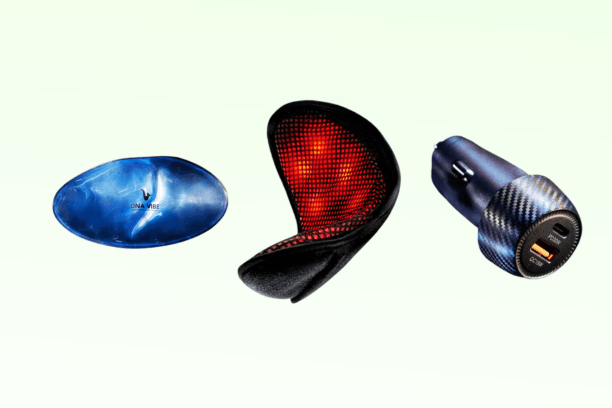
DNA Vibe focuses on devices designed to support pain relief and physical recovery. The brand’s products provide multiple functions such as light therapy, micro-vibration, and magnetic signaling. It mainly addresses muscle soreness, joint pain, inflammation, and stiffness.
In this review, we look at some of DNA Vibe’s main offerings and provide a comparison of the brand with similar alternatives. We also examine the brand’s advantages along with potential limitations to provide you with a detailed assessment of the brand.
About DNA Vibe
DNA Vibe was founded in 2016 by Perry Kamel in collaboration with molecular biologist Dr. Max Rempel. The brand operates in the wellness technology and performance recovery market, offering non-invasive recovery and pain-relief support. Its product lineup includes wearable devices such as the Jazz Band Mega Vibe, Jazz Band Live Pro, Jazz Band Splash, and Jazz Band Light, along with bundled recovery kits. These devices are designed to be wrapped around different parts of the body and used across scenarios like pre-activity preparation, active use, post-exercise, and relaxation.
The brand’s technology combines multiple modalities within a single device. This system is intended to support biological processes such as circulation, cellular energy production, and tissue recovery without generating significant heat, which may contribute to reduced discomfort and improved mobility over time.
Top Offerings
-
Jazz Bands
Jazz Bands are wearable recovery devices that combine multiple physical therapies into flexible wraps designed for different body areas. Products like the Jazz Band Mega Vibe and Jazz Band Live Pro combine four modes, including red light, near-infrared light, micro-vibration, and magnetic pulse. Meanwhile, the Jazz Band Light focuses on dual light therapy. Red light primarily interacts with surface tissues to support circulation, while near-infrared reaches deeper into muscles and joints, where it can influence cellular energy production in the form of ATP, helping your tissues respond more efficiently to physical stress.
The micro-vibration element in models like the Mega Vibe introduces rhythmic mechanical stimulation that can support fluid movement through muscles and joints, which may reduce stiffness and improve mobility.
As per the official website, design variations across the range focus on usability and environment. The range features Jazz Band Splash, which is fully submersible for bath or water-based recovery. The Live Pro uses USB-C power with flexible bands for hands-free application across joints, extremities, or the torso.
-
Jazz Band Kits
According to the official website, Jazz Band Regeneration Kits are bundled systems that build around its higher-end devices while adding accessories that support more consistent and flexible use. Options like the Mega Vibe Regeneration Kit and Mega Vibe Regeneration Plus include the Jazz Band Mega Vibe along with a car adapter, gel pack, and a 1-year subscription to the Athletic Gaines training app. The Plus version adds an instrument case, which improves portability and storage. These additions focus less on introducing new therapy modes and more on making it easier for you to maintain regular sessions across different settings.
Variants such as the Mega Vibe Splash Regeneration Kit and Mega Vibe Splash Regeneration Plus replace the standard device with the submersible Mega Vibe Splash, allowing use in bath or water-based environments.
Pros
- The brand’s LAMP model supports U.S. community manufacturing standards.
- HSA and FSA eligibility supports accessibility.
- Bridges clinical-grade photobiomodulation technology into a wearable consumer format.
Cons
- Some users report device malfunction issues.
- Independent reviews mention delays in refund processing after returns.
- No live chat support option limits support channels.
Advantages
-
Multi-Modal Technology Platform
DNA Vibe structures its product ecosystem around a patented multi-modal therapy platform that combines red light, near-infrared light, magnetic signaling, and micro-vibration standardized signal categories. The brand publishes operating specifications across the platform, including red light at approximately 650–675 nm and near-infrared at 825–850 nm. It also states that the system uses low-intensity delivery, frequency stabilization, and a proprietary Harmonic Excitation of DNA signaling framework. This same signal architecture is also used by the brand across its Jazz Band line. The brand’s product system maintains the same underlying framework across devices, reducing variability in mechanisms, operating logic, and architecture as you move between products within the brand.
-
Domestic Manufacturing and Access Model
DNA Vibe positions its manufacturing and operational structure as part of its broader clinical-wellness identity. The brand states that it uses localized manufacturing infrastructure through its Local Advanced Manufacturing Pods (LAMPs), which support shorter production cycles, tighter hardware iteration, and faster adjustment of its proprietary signaling architecture.
Domestic manufacturing, combined with clinical partnerships and wellness-device classification, aligns with HSA/FSA eligibility pathways. It may also support faster servicing, replacements, and product support.
The company also extends this positioning through initiatives such as the SHINE movement and athlete/community distribution programs. This structure may support purchasing eligibility, faster hardware iteration cycles, and shorter servicing timelines through domestic manufacturing and supply-chain proximity.
Potential Limitations
-
Unclear Regulatory and Certification Detail
DNA Vibe does not clearly list device-class regulatory status, FDA clearance numbers, or third-party device certifications such as IEC electrical safety testing. The site highlights safety and reimbursements, yet it does not provide a transparent compliance detail that shows which standards or authorizations apply across the brand.
The absence is noticeable because the brand provides wearable light therapy devices and presents strong safety and performance claims. You may have to contact the company directly if you want formal compliance documentation before purchase.
-
Theory-Heavy Brand Communication
DNA Vibe uses proprietary concepts such as Harmonic Excitation of DNA, genomics-linked wave patterns, gentle molecular excitation, and frequency stabilization. It explains some operating parameters, but many of the core explanations remain brand-specific constructs that are not translated into standard clinical terminology with side-by-side references to established photobiomodulation frameworks.
The brand consistently differentiates its low-power, non-thermal signaling model from conventional red-light systems, but it does not provide a simplified comparison framework showing how its mechanisms map to established categories, contraindications, use concepts, or commonly recognized therapeutic protocols. You may need to spend more time interpreting the brand’s terminology if you want a straightforward explanation of what its devices are doing.
Alternatives To DNA Vibe
-
Joovv
Joovv and DNA Vibe differ in how they approach recovery technology, starting with their core methods. As per its official website, Joovv builds its systems around red and near-infrared light therapy using clinically studied wavelengths such as 660 nm for surface-level skin interaction and 850 nm for deeper tissue penetration. These wavelengths are absorbed by mitochondria, supporting ATP production and cellular energy balance, which connects to recovery, circulation, and performance. In comparison, DNA Vibe expands beyond light alone by combining red and near-infrared light with micro-vibration, magnetic signaling, and infrared energy. This multi-modal setup is designed to influence ATP production alongside DNA expression and RNA activity.
The delivery of this technology further separates the two. Joovv emphasizes consistent, higher-powered light output engineered to deliver energy efficiently into tissues. This approach can produce mild topical heating, which may temporarily relieve minor muscle and joint discomfort, support local blood flow, and relax muscles. Its panels are designed for even light distribution to ensure consistent exposure. DNA Vibe uses low-intensity signals in its products to stimulate recovery pathways without overheating tissue or causing irritation, aligning with a non-thermal approach that supports regeneration through subtle biological activation.
Their product formats reflect these approaches. Joovv offers a modular system that ranges from the handheld Go 2.0 for targeted use to larger configurations such as Solo 3.0, Half-Max 3.0, and Elite 3.0 for full-body therapy. Its patented modular design allows you to expand your setup by connecting multiple panels, supported by Generation 3.0 upgrades and accessories. However, DNA Vibe focuses on wearable formats through its Jazz Band lineup, including Live Pro, Splash, and Mega Vibe. These devices can be worn directly on your body, with features such as waterproof construction in the Splash model and intensified vibration modes in the Mega Vibe. The difference in format also shapes how you use each brand’s system. Joovv states that its offerings are typically used in structured sessions where you position yourself in front of a panel or apply a handheld device for a defined period. This is often supported by app-based controls that allow customizable procedure times. Meanwhile, DNA Vibe combines more fluidly into your routine, offering preset modes such as Precover for 15 to 30 minutes before activity, Recover for 20 to 30 minutes twice daily, and Relax as needed. These modes are designed to align with different phases of activity, allowing use during workouts, work blocks, or recovery without interrupting movement.
Joovv emphasizes its medical-grade positioning by detailing compliance with multiple international standards. This includes IEC 60601 series for safety and performance, IEC 62471 for photobiological safety, and ISO 13485 for quality management. Its devices are independently tested, include safety certifications such as Intertek, and are supported by a scientific advisory team with extensive research backgrounds. DNA Vibe highlights patented technology, multiple awards, and adoption by athletes and healthcare professionals. It focuses on the safety of its low-intensity design, noting that it avoids overheating, UV exposure, and ionizing radiation.
Joovv provides a structured, high-output system built around scalable light therapy, detailed safety standards, and full-body coverage. DNA Vibe takes a different direction with a wearable, lower-intensity, multi-signal approach that emphasizes continuous use.
-
Novaalab
Novaalab and DNA Vibe differ in how they define recovery technology and its role in performance. As per its official website, Novaalab builds its system around red and near-infrared light therapy, positioning it as a method to reduce fatigue, accelerate healing, and stay pain-free in as little as 20 minutes a day. DNA Vibe, however, frames its approach as going beyond traditional light therapy by combining red light, near-infrared light, magnetic signaling, and micro-vibration into a single system. It emphasizes that its patented technology works at up to 400 times lower power, focusing on non-thermal regenerative signaling.
As per the brands’ design approaches, Novaalab offers targeted devices such as the Novaa Light Pad, the Novaa Pulse R, and the Novaa Light Boot, along with joint-specific options like the Knee Ultra. These are built for localized applications, covering areas like knees, elbows, feet, and muscles. Meanwhile, DNA Vibe structures its lineup around wearable systems like the Jazz Band Live Pro, the waterproof Jazz Band Splash, and the Mega Vibe, along with full-body kits that include accessories and app integration. These devices are designed for continuous wear, portability, and adaptability across environments, including water-based therapy and active movement.
The intended usage pattern further highlights how differently these systems fit into your routine. Novaalab positions its devices as session-based recovery tools, typically used for 10 to 20 minutes after workouts or injury. Its messaging is centered on reducing inflammation, activating blood flow, and preparing you to train the next day again. The brand emphasizes consistency, suggesting daily use to maintain recovery and prevent fatigue-related injuries. DNA Vibe introduces a four-mode system consisting of precover, performance, recover, and relax, where you can use its device 15 to 30 minutes before activity to prime circulation, during activity or work blocks for support, and 20 to 30 minutes twice daily for recovery. This allows the device to remain part of your routine throughout the day.
As per their official website, Novaalab provides a focused, clinically referenced red light therapy system designed for targeted, session-based recovery and athletic performance. Meanwhile, DNA Vibe offers a multi-modal, wearable recovery platform built around continuous use, precision signaling, and a broader regenerative and community-driven approach.
How Did We Evaluate?
-
Brand Credibility
We evaluated DNA Vibe’s reputation using information from the Better Business Bureau and customer discussions on Reddit. On the BBB, the brand holds an A+ rating, with a relatively small number of complaints. However, within those complaints, recurring concerns include delays in refund processing, with some customers reporting the need for multiple follow-ups despite returning products within the stated trial window.
The brand also has a limited presence on other review platforms such as Reviews.io and TenereTeam, which makes it harder to assess its reputation using a broader and more representative dataset. The reported issues around refunds, long-term usability, and support indicate that you may need to be cautious about the post-purchase experience.
-
Real User Experiences
We assessed the real user experiences for DNA Vibe by reviewing discussions on Reddit and customer feedback from Trustpilot. The available feedback is relatively limited, which makes it difficult to form a broad assessment based on a large pool of reviews.
From the user experiences available, some users describe relief from pain and inflammation while using the brand’s products. There are mentions of improvements in knee pain, lower back discomfort, and recovery support. A few users also report that the devices helped them remain active while reducing reliance on pain medication.
On Trustpilot, discussion appears limited, with a user describing its DNA Jazz Band Mega band as effective for ongoing pain management. However, there are concerns about long-term reliability and product support. There are also reports that the device stopped functioning after extended use despite careful handling, and one user mentions connection problems with the companion app.
In our assessment, we find that the brand’s products are viewed positively for short-term pain relief and ease of use when functioning properly. However, you should consider the limited review volume and recurring concerns around device longevity, app dependence, and ongoing support.
Frequently Asked Questions
- Does DNA Vibe offer clarity on maintenance requirements?
The brand provides basic maintenance guidance, such as cleaning the Jazz Band’s white silicone portion with mild soap and water while avoiding submersion. It also advises safe storage away from pets, though long-term care details remain limited. - Does DNA Vibe support different intensity preferences?
The brand supports different intensity preferences through models like the app-controlled Jazz Band Vibe and the Jazz Band Mega Vibe with stronger micro-vibrations. Standard devices use fixed low-intensity frequencies, while some models allow limited customization via selectable therapy modes. - Can DNA Vibe devices be used alongside other recovery tools?
The brand offers devices that are intended to complement other recovery tools like physical therapy, exercise, and nutrition routines. Non-thermal options can be used with accessories such as the DNA Vibe Gel Pack, though combining with topical options or electrical stimulation requires professional guidance. - Does DNA Vibe support use across multiple body areas equally?
The brand supports use across multiple body areas through its Jazz Band, designed with flexible, computer-optimized geometry. Its medical-grade silicone and interchangeable bands enable hands-free application on joints, torso, and extremities, though effectiveness may still vary by area.
Final Words
DNA Vibe presents its devices as patented options with claims of optimized light delivery and DNA-level interaction. However, while photobiomodulation has an established scientific basis, there is limited independent evidence specifically validating the brand’s DNA-focused claims beyond general light-therapy effects.
You may need to consistently use the brand’s devices to notice effects. Caution is also advisable if you have light sensitivity, are using photosensitizing medications, or are applying the device near sensitive areas. The brand offers a structured wearable light-therapy approach, but its reliance on proprietary claims with limited independent validation may influence its suitability.

Rachel has been a freelance medical writer for more than 18 years. She graduated from the University of Tennessee at Knoxville in 2005 and is currently practicing as a Certified Registered Nurse Anesthetist at a Level I trauma center.
Leave a Reply