

No products in the cart.
Contents
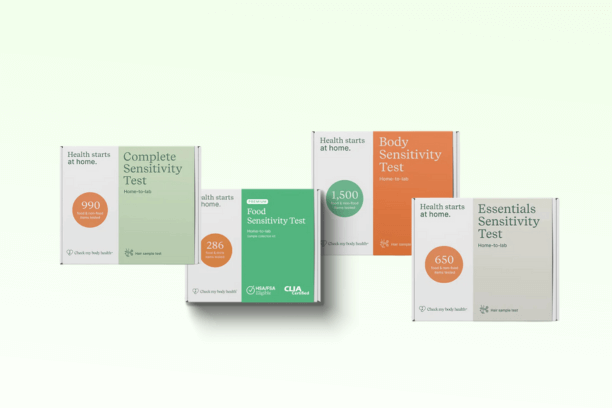
Check My Body Health focuses on at-home health testing to help you understand how your body responds to various foods, environmental triggers, and lifestyle factors.
Its core offering covers food intolerance and sensitivity tests, allergy assessments, nutritional evaluations, and broader wellness screenings.
These tests may give you clarity around issues like recurring digestive discomfort, unexplained fatigue, skin irritation, bloating, or difficulty identifying foods that may be affecting their daily comfort.
In this review, we’ll take a closer look at the brand’s offerings, how it compares with similar wellness and testing brands, and the advantages and limitations of its approach. We will also explore what existing consumer reviews explain about the overall experience.
About Check My Body Health
As per the official website, Check My Body Health offers a range of tests that include hair-based sensitivity and intolerance tests that review up to 1,500 food and non-food products, IgG blood intolerance tests that measure reactivity to key food and drink groups, and IgE allergy tests that assess responses to a wide selection of food and environmental allergens. These offerings are designed to give you clearer insight into everyday concerns such as digestive discomfort, low energy, or skin-related issues.
In addition to its testing kits, the brand also provides products like Diet Drops Ultra, Fat Burner with MCT, Probiotic 40 Billion with CFU, and Keto BHB that may support areas commonly highlighted through test results, including digestion, immune function, and general wellness. It also offers a structured meal-planning service that allows you to personalize your diet to your specific sensitivities or fitness goals.
Check My Body Health highlights, focusing on three pillars. You begin with an at-home test that aims to give you detailed information about your fitness. Then, you have the option to use products that align with your needs. This step is then followed by access to ongoing dietary support through meal plans and virtual consultations with certified nutritionists, which are included with IgG and IgE tests.
The brand highlights that all this testing is conducted through accredited laboratories that follow recognised standards such as UKAS and various ISO certifications.
Check My Body Health Offerings
-
Intolerance Tests
-
Body Sensitivity Test
The Body Sensitivity Test uses a small hair sample to assess your reactivity to 1,500 food, environmental, and compound-based things.
Hair contains stable protein structures that can hold biochemical residue for weeks, allowing laboratories to detect patterns of cellular interaction with different substances. The results classify it into high, moderate, or no reactivity, helping you identify which exposures may correlate with your ongoing symptoms.
The food and drink categories cover gluten-containing grains, dairy proteins, fruit sugars, plant compounds, fats, and fermentation byproducts. When your body shows reactivity to foods like wheat, barley, or rye, it often reflects how their structural proteins, such as gluten, interact with the intestinal barrier.
Environmental testing covers pollens from trees, grasses, and flowering plants, in addition to materials like wool, nylon, latex, and rubber. Reactivity in this category may correspond to how airborne or contact particles bind to receptors in the respiratory or skin barrier systems.
Organic compounds, including omega fatty acids, flavonoids, carotenoids, nicotinic acid, and amino acid derivatives, are assessed to understand how your system interacts with biochemical nutrients and plant metabolites. These molecules play roles in antioxidant regulation, mitochondrial activity, and cell signaling.
The test also measures vitamins, minerals, and metals, each of which plays a biochemical role. Minerals like magnesium and zinc serve as enzyme cofactors, while iron and copper influence redox balance and oxygen transport.
Elevated reactivity may reflect how your body handles trace element exposure rather than a deficiency or excess. Metals such as nickel, chromium, or cadmium can bind to proteins and alter cellular responses, sometimes prompting heightened sensitivity.
-
Complete Food Sensitivity Test
As per the official website, the Complete Food Sensitivity Test helps examine your reactivity to 990 commonly encountered food, drink, environmental, and nutrient-based products.
The test also analyzes Gut-health markers to examine your relationship with common bacterial species that support digestion, immune regulation, and short-chain fatty acid production.
Differences in reactivity can signal disruptions in microbial balance or altered communication between gut microbes and epithelial cells. Digestive enzymes such as lipase, amylase, and trypsin are also measured, offering insight into how your body metabolizes carbohydrates, fats, and proteins. Reactivity here may relate to digestive efficiency or enzyme-related irritation.
-
Essentials Food Sensitivity Test
The Essentials Food Sensitivity Test aims to assess your reactivity to 650 food and non-food items. Sensitivities often develop gradually and may involve interactions between diet, environmental exposures, and the body’s metabolic or immune systems.
While they do not follow the rapid immune reactions seen in immediate allergies, they can still influence physiological processes. For example, digestive discomfort may occur when certain food components, such as proteins, natural plant chemicals, or fermentation byproducts, interact with the gut lining or digestive enzymes.
This test evaluates reactivity to a wide range of foods, including grains, dairy proteins, fruits, vegetables, nuts, seeds, herbs, and spices. Reactivity within these groups may be connected to biological compounds such as gluten, casein, lectins, histamine, oxalates, or salicylates. These molecules can influence digestion, enzyme activity, or immune modulation depending on how your system processes them.
Non-food options such as pollens, molds, household materials, and environmental particulates are also assessed, as their proteins or chemical components can interact with respiratory or skin receptors.
-
Food Sensitivity Test
The Food Sensitivity Test measures IgG antibodies (IgG1–4) in a small finger-prick blood sample to assess your body’s immune response to 286 common foods and drinks. IgG antibodies are part of the adaptive immune system and can increase when your body is repeatedly exposed to certain food proteins. Elevated IgG levels do not diagnose an allergy, but they can indicate heightened immune interaction with specific foods.
This test covers 13 major food groups, including grains, dairy, meats, fish, fruits, vegetables, nuts, seeds, herbs, spices, drinks, and processed-food components. When IgG reactivity is observed, it may reflect how food proteins pass through the digestive system, interact with intestinal immune cells, or influence inflammatory signaling.
As per the official website, each test includes a one-on-one virtual consultation with a qualified nutritionist who may help you interpret results in the context of your eating patterns and symptoms. You also receive one month of access to a meal-planning and health app designed to help you explore food substitutions and track how dietary changes affect your overall well-being. Ongoing support from clinicians and nutritionists is also available to help guide next steps.
-
-
Vitamins & Supplements
-
Diet Drops Ultra
Diet Drops Ultra is a liquid formula designed to support weight-management habits by targeting appetite signals, metabolic activity, and energy use. It focuses on helping you regulate hunger cues associated with leptin, maintain steadier glucose patterns, and sustain daily metabolic function.
As per the official website, the formula combines African mango fruit extract with maca root extract. African mango (Irvingia gabonensis) may influence adipocyte activity, and its fiber and polyphenol components could help slow carbohydrate absorption, which in turn can support more stable post-meal glucose responses.
Diet Drops Ultra also has maca root extract, which contains plant sterols, amino acids, and glucosinolates. It may support energy metabolism by influencing how your cells utilize glucose and respond to mild stressors. Maca’s adaptogenic properties are linked to the way it interacts with the hypothalamic–pituitary axis, which may regulate energy, mood, and physiological resilience.
-
Fat Burner with MCT
Fat Burner with MCT may support fat metabolism, appetite regulation, and overall metabolic efficiency. It could assist your body’s natural pathways involved in energy production, lipid transport, and nutrient utilization, while also supporting liver and cardiovascular function.
The formula includes vitamin C that participates in carnitine synthesis, which helps transport long-chain fatty acids into the mitochondria, where they are oxidized as energy. It also has vitamin B6, which contributes to amino acid metabolism and neurotransmitter synthesis.
As B6 is involved in converting stored glycogen to usable glucose, it may help maintain steady energy, which can influence appetite control and reduce fluctuations that lead to overeating.
As per the official website, Fat Burner with MCT combines choline, which supports liver function and lipid metabolism. It might help prevent the accumulation of triglycerides within liver cells, supporting both metabolic balance and organ health.
-
Probiotic 40 Billion with CFU
Probiotic 40 Billion with Prebiotics is formulated to support gut balance, digestive comfort, and overall microbiome resilience. According to the official website, Probiotic 40 Billion with Prebiotics features a proprietary blend of probiotic bacteria delivered through MAKTREK Bi-Pass Technology that protects microorganisms from stomach acid so they can reach the intestines more effectively. This can improve bacterial viability, which is important because probiotics must colonize or interact with intestinal surfaces to exert their effects.
Lactobacillus acidophilus in this formula helps break down lactose and produce lactic acid. This acidic environment can limit the growth of less desirable microbes. It also combines
Bifidobacterium lactis, which primarily resides in the large intestine and assists in fermenting dietary fibers into short-chain fatty acids like acetate and butyrate. These compounds serve as fuel for colon cells, support intestinal barrier integrity, and play a role in modulating inflammation.
The makers state that Lactobacillus paracasei in Probiotic 40 Billion with Prebiotics may support immune responses by interacting with mucosal tissues in the gut. Its metabolites may help maintain microbial balance and support the body’s natural defenses.
-
Keto BHB
Keto BHB could support your body during the shift toward ketosis, a metabolic state where fat becomes a primary fuel source. During this transition, energy levels and electrolyte balance can fluctuate, and the formula may provide biochemical support for fat metabolism, cellular energy production, and overall metabolic stability.
According to the official website, Keto BHB also has calcium citrate, which supports normal muscle and nerve function. Calcium plays a role in cellular signaling and metabolic enzyme activity that remain important when your body adjusts to using ketones instead of using glucose.
The addition of MCT powder in this formula provides medium-chain triglycerides that are absorbed and transported to the liver. As MCTs bypass typical fat digestion and are rapidly converted into ketone bodies, they offer an immediate energy source and may help ease the early stages of transitioning to a low-carbohydrate pattern.
-
Magnesium Glycinate
Magnesium Glycinate provides a form of magnesium bound to the amino acid glycine. This may support sleep quality, muscle relaxation, and nervous system balance as both magnesium and glycine participate in pathways related to calming neurotransmission and muscle function. Magnesium sourced from magnesium glycinate could support energy production, nerve signaling, and muscle contraction.
Glycine itself is an inhibitory neurotransmitter that functions by interacting with NMDA receptors in the central nervous system. This formula may support a calmer neural environment by helping settle overactive signaling in the brain, contributing to improved sleep patterns and a sense of relaxation.
-
Complete Multivitamin
According to the makers, Complete Multivitamin provides a broad spectrum of vitamins, minerals, and supportive nutrients that assist in maintaining daily metabolic function and immune readiness. The formula may support energy production, antioxidant activity, bone maintenance, and cellular signaling.
Complete Multivitamin features vitamin A, which supports the maintenance of epithelial tissues, including those lining the skin, respiratory tract, and gut. Vitamin C, in this formula, could support connective tissue formation and protect biomolecules from oxidative stress.
The makers also added calcium carbonate in Complete Multivitamin, which supplies elemental calcium essential for bone mineralization and also plays a role in muscle contraction and nerve transmission.
Vitamin D in this formula also interacts with vitamin D receptors throughout the immune system, which contributes to normal immune signaling. Complete Multivitamin also has vitamin E (as DL-alpha tocopherol acetate), which acts as a lipid-soluble antioxidant, helping protect cell membranes from oxidative damage.
-
Check My Body Health Advantage
-
Nutritionist-Guided Support Model
Check My Body Health provides access to qualified nutritionists seven days a week through phone or video consultations so you can discuss your results and receive personalized advice rather than having to interpret complex findings on your own. This positions the service as a guided educational experience focused on understanding potential wellness triggers, dietary patterns, and lifestyle factors.
A medical advisory board supports this framework, bringing expertise from professionals including Dr Gareth James, Sian Baker, and Jaci Salley. Their involvement adds clinical and nutritional oversight to the testing resources and the guidance made available to you.
Check My Body Health Limitation
-
Minimal Clinical Oversight
Check My Body Health positions its hair-based bioresonance tests as wellness-oriented tools rather than medically validated diagnostics, and there is no indication of routine oversight from licensed physicians, clinical laboratory directors, or regulated diagnostic bodies. Although the company provides access to qualified nutritionists for general guidance, this support is not equivalent to practitioner-led medical interpretation or follow-up care.
The scientific community does not recognize hair bioresonance testing as a clinically reliable method for detecting intolerances or sensitivities, and organizations such as the FDA do not endorse it as a diagnostic technology. This places the service firmly within the wellness category rather than evidence-backed clinical testing.
This limitation applies consistently across the brand’s offerings, including the Body Sensitivity Test, Complete Food Sensitivity Test, Essentials Food Sensitivity Test, and standard Food Sensitivity Test. All rely on proprietary hair-analysis methods rather than clinically validated biomarkers or blood-based assays, and results do not come with medical recommendations or doctor-reviewed insights.
Pros
- Offers at-home food sensitivity and intolerance testing.
- Uses non-invasive hair samples for sensitivity testing.
- Provides blood-based IgG and IgE testing options.
- Claims laboratory processing through ISO/UKAS-accredited facilities.
Cons
- Some customers report registration or kit-receiving issues.
- Many users report inconsistent customer service responsiveness.
Check My Body Health Alternatives
-
EverlyWell
EverlyWell takes a medical-adjacent, biomarker-driven approach by offering more than 30 at-home kits. It provides several options, such as the At-Home Food Sensitivity Test (96 foods), Comprehensive Food Sensitivity Test (204 foods), Women’s Health Test for Hormones & Wellness, Men’s Health Test, Metabolism Test, Thyroid Test, Heart Health Test, and HbA1c Test.
The brand also provides access to multiple STD screenings, such as the Chlamydia & Gonorrhea Test, the Syphilis Test, and the rapid Visby PCR Female STD Test. It highlights that all the samples are analyzed in CLIA-certified labs using validated methods such as dried blood spots, saliva, urine, or rapid PCR. These order includes clinician oversight, and several diagnostic panels include eligibility-based follow-up and prescriptions when medically appropriate. This places EverlyWell closer to a clinical testing experience, although most tests are still positioned for wellness and informational use. EverlyWell also underscores its HITRUST and SOC 2 certifications, privacy protections, and clinical compliance.
Check My Body Health takes a different direction by centering its platform around food-related sensitivities and wellness-oriented insights. Its primary lineup includes the Essentials Food Sensitivity Test, Complete Food Sensitivity Test, Body Sensitivity Test, and the Food Sensitivity Test (IgG blood-based). These tests evaluate reactivity to hundreds or even 1,500+ options when using hair bioresonance analysis.
The brand also combines IgG blood testing processed in CLIA-certified labs with non-diagnostic hair testing methods categorized under Complementary and Alternative Medicine. Their reports focus on identifying potential triggers for symptoms such as bloating, fatigue, skin irritation, or digestive issues and provide practical elimination guidance rather than clinical follow-up. This positions the brand firmly in the personal-wellness space rather than medical testing.
Pricing reflects these distinctions. EverlyWell’s clinically aligned tests range from affordable options like the Cholesterol & Lipids Test, around $49-$55, to premium panels such as the Comprehensive Food Sensitivity Test for $299 to $350. Check My Body Health offers more cost-accessible sensitivity tests, with hair-based packages starting around $35 to $62, while its IgG blood test is priced comparably higher at $229.
EverlyWell offers clinically validated, biomarker-driven insights through a wide range of medically relevant tests, whereas Check My Body Health provides accessible sensitivity testing and wellness support through broad options, reactivity screening, and complementary products.
-
Test My Food Sensitivity
Test My Food Sensitivity focuses entirely on bioresonance hair testing and builds its offering around extremely large test panels and quick processing. The Optimum Health Test remains their most expansive option, testing up to 1,600 options, while the Ultimate Individual Test covers 1,000 items, and the Individual Sensitivity Test includes 600 items covering food, environmental triggers, metal toxicity, and nutritional balance.
The brand highlights that all its tests use a simple hair-sample method, with processing completed within 3–5 business days after the sample reaches their lab. They also reference the MARS III Quantum Response System and highlight five years of internal development in bioresonance technology.
On the other hand, Check My Body Health offers a broader range of testing options and gives you the choice between hair-based bioresonance analysis and blood-based IgG intolerance tests processed in a CLIA-certified laboratory. Their hair-based options include the Essentials Food Sensitivity Test, Complete Food Sensitivity Test, and Body Sensitivity Test, which assess reactivity levels to around 1,500 food and non-food options depending on the kit. Along with results, the brand includes elimination guidance and offers optional nutritionist support, plus additional wellness tools such as supplements and meal plans.
The key differences between the brands fall mainly in methodology, range of services, and test flexibility. Test My Food Sensitivity works exclusively with hair samples and focuses on very large test panels at accessible price points, making their Optimum, Ultimate, and Individual kits appealing if you want the broadest list of potential triggers. Meanwhile, Check My Body Health gives you more options by combining hair tests with CLIA-lab blood testing, expanding the scientific framing if you prefer measurable biological markers.
Test My Food Sensitivity highlights a maximum panel size and a straightforward hair-only process. Meanwhile, Check My Body Health offers a more flexible path focused on hair and blood testing, along with structured aftercare and a more clinical context.
How Did We Evaluate?
-
Real Customer Experiences
Our evaluation of Check My Body Health is based on Trustpilot reviews, where the brand holds an overall 4.0-star rating based on more than 11,000.
Numerous users describe the service as accessible and helpful for gaining insight into potential food or environmental sensitivities. Others mention noticeable improvements after adjusting their diet based on the findings, such as reduced digestive issues, better symptom awareness, and a clearer sense of direction when managing ongoing fitness concerns.
Some customers, however, express disappointment when they realize the tests identify sensitivities through bioresonance rather than diagnosing medical intolerances or allergies. A few users also highlighted experiencing difficulties related to refunds, subscription terms, activation steps, or delays in processing samples.
The feedback indicates that Check My Body Health provides a user-friendly service that many people find genuinely helpful for exploring potential triggers and adjusting their lifestyle. However, the concerns around scientific validity, occasional inconsistencies in results, and policy-related frustrations highlight areas where customer expectations and the testing methodology may not fully align.
-
Brand Credibility
Check My Body Health appears to be a relatively modern wellness brand focused on at-home intolerance and sensitivity testing, reflecting the growing trend of self-guided fitness tools. The brand offers mail-in hair sample tests that screen for potential food and environmental triggers, as well as panels that examine digestive stressors and nutrient imbalances.
It has received an A- rating on the Better Business Bureau, which indicates that the company generally responds to concerns and meets BBB expectations around transparency and customer communication. At the same time, the presence of complaints highlights mixed experiences, particularly regarding test expectations, delivery issues, and support responsiveness.
Our evaluation suggests the brand offers accessible at-home testing, with experiences that may vary depending on individual expectations and how much weight you place on alternative testing methods.
Frequently Asked Questions
- Can Check My Body Health results diagnose a medical condition?
No. The brand’s results cannot diagnose medical conditions. The reports highlight potential sensitivities or imbalances for personal wellness insight, but they are not clinical findings. Any medical diagnosis requires review by a qualified healthcare professional who can interpret the results alongside your symptoms and fitness history. - Does Check My Body Health offer medical support after delivering results?
The brand offers post-result support through free access to registered nutritionists who help interpret your report and suggest potential lifestyle or dietary adjustments. Certain functional medicine tests, such as IgG and IgE panels, also include a one-to-one virtual consultation for a deeper discussion of your findings. This support is wellness-focused only and does not provide medical diagnosis or clinical guidance. - Does Check My Body Health test for allergens?
The brand does offer an IgE-based allergy test, such as the Advanced Allergy test that screens for reactivity to 117 common food and environmental allergens using a finger-prick blood sample. However, traditional clinical allergy diagnosis should still be confirmed through a medical professional, even when IgE reactivity is identified.
Conclusion
Check My Body Health provides at-home tools that help you explore potential food-related and environmental triggers through hair-based sensitivity assessments, IgG intolerance panels, and IgE allergy tests. You may find value in the ongoing nutritionist support, which helps contextualize broad or ambiguous findings, and the advisory input that shapes the guidance available across the platform.
However, hair-based bioresonance, used in many of the brand’s core tests, is currently not supported by clinical research and does not measure validated biomarkers, making results informational rather than diagnostic.
While IgG and IgE blood tests follow more conventional processes, IgG reflects immune exposure rather than confirmed intolerance, and IgE alone cannot capture the full scope of allergic conditions.
As you interpret your results, it is essential to consider avoiding strict food elimination based solely on hair analysis and tracking symptoms alongside test findings to identify inconsistencies. Make sure to confirm concerning reactions through medically validated testing, and revisit any long-term dietary or supplement changes with a qualified professional.

Rachel has been a freelance medical writer for more than 18 years. She graduated from the University of Tennessee at Knoxville in 2005 and is currently practicing as a Certified Registered Nurse Anesthetist at a Level I trauma center.
Leave a Reply