

No products in the cart.
Contents
- 11 Best Potassium Supplements
- Pure Encapsulations Potassium Citrate
- Life Enhancement Potassium
- Nature Made Potassium Gluconate
- Now Foods Potassium Citrate
- Vykee Potassium Supplement
- Nature’s Bounty Potassium
- Nutricost Potassium Citrate
- Puregen Labs Potassium Bicarbonate
- Horbaach Potassium Gluconate
- BulkSupplements Potassium Bicarbonate
- Vitacost Potassium & Magnesium
- Side Effects Of Potassium Supplements
- How Did We Evaluate?
- Frequently Asked Questions
- Final Words
Maintaining optimal potassium levels is essential for your fitness levels, but it’s not always easy to get enough through diet alone, especially if you follow a restricted eating pattern, sweat heavily, or take medications that affect electrolyte balance.
Potassium supplements may offer targeted support in such cases, helping you replenish what’s lost and sustain essential biological functions. These supplements may help you maintain a healthy blood pressure, improve muscle function, balance hydration, or enhance nerve signaling.
Many potassium supplements are formulated with different salt forms, such as citrate, gluconate, or bicarbonate, which might serve distinct purposes. For example, potassium citrate might reduce the risk of kidney stones by alkalizing the urine, while potassium bicarbonate could support acid–base balance and bone health. Some products also combine potassium with other minerals like magnesium to broaden their impact on muscle relaxation and neuromuscular control.
In this article, we made a list of the best potassium supplements that vary in dosage, formulation, and function. As supplement quality and bioavailability can vary, understanding how each form may work in your body is key to making an informed choice.
11 Best Potassium Supplements
-
Pure Encapsulations Potassium Citrate
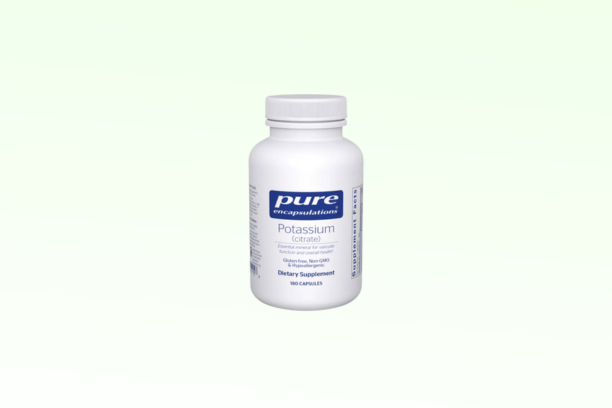
Pure Encapsulations Potassium Citrate may provide you with a controlled source of potassium in the citrate salt form. This formulation emphasizes high purity and minimal excipients, consistent with Pure Encapsulations’ focus on hypoallergenic, science-based supplements.
Potassium citrate is a biologically active, alkalinizing compound that may help support your body’s acid-base balance, especially if you consume a high-protein diet or are prone to metabolic acidosis.
Pure Encapsulations Potassium Citrate could be helpful in the prevention of kidney stones, particularly calcium oxalate stones. By increasing urinary citrate levels and raising urinary pH, this supplement could reduce the risk of crystal formation in your urinary tract. If you have low urinary citrate (hypocitraturia) or tend to experience recurrent kidney stones, this citrate form may be more beneficial than potassium gluconate or chloride, which do not effectively alkalinize urine. Beyond supporting renal health, Pure Encapsulations Potassium Citrate may assist your neuromuscular function, as potassium plays a central role in generating electrical impulses in nerve and muscle tissue.
Maintaining adequate potassium levels might help regulate your heart rhythm, reduce muscle cramps, and support muscle performance during physical activity or periods of electrolyte loss. This can be particularly relevant if you take diuretics, engage in intense exercise, or experience excessive fluid loss. A single Pure Encapsulations Potassium Citrate capsule may provide you with 200 mg of potassium. The capsules are vegan and free from common allergens, including wheat, soy, dairy, eggs, artificial colors, sweeteners, GMOs, and preservatives.
Pros
- May support cardiovascular health.
- Aids in modulating vascular tone and reactivity.
- Essential for ATP production and energy metabolism.
Cons
- Can cause gastrointestinal irritation (nausea, vomiting, diarrhea).
- May interfere with heart rhythm if overdosed.
-
Life Enhancement Potassium
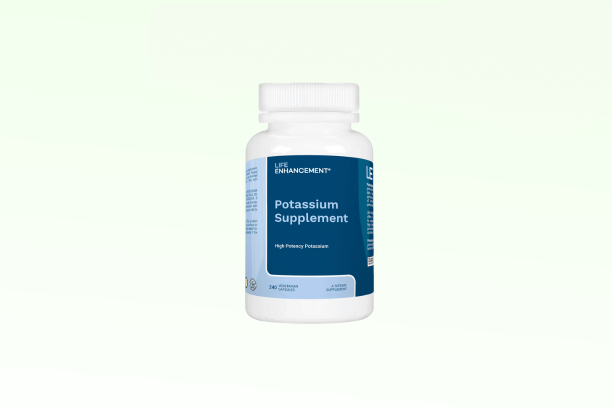
Life Enhancement Potassium delivers potassium in the bicarbonate salt form, offering 510 mg per capsule and 1020 mg per two-capsule serving. It may boost your daily sodium intake, especially in situations when your lifestyle demands increase mineral loss.
Potassium bicarbonate serves dual purposes. It may function as a key source of potassium for maintaining the intracellular environment that enables optimal nerve and muscle communication. The bicarbonate portion contributes to systemic pH regulation by buffering excess hydrogen ions, which may be particularly helpful for individuals consuming acid-forming diets or managing low-grade metabolic acidosis.
Potassium supports the establishment and resetting of membrane potentials, which are essential for transmitting nerve impulses and initiating muscle movements. Its role in blood pressure regulation derives from its ability to counterbalance sodium’s effects and promote vasodilation by influencing smooth muscle tone. The manufacturer recommends taking one to two Life Enhancement Potassium capsules daily with meals to minimize gastric irritation.
Pros
- Helps regulate fluid and electrolyte balance
- Supports normal blood pressure levels
- Assists in nerve signal transmission
Cons
- Can mask underlying metabolic or endocrine issues if overused.
- Some users may forget dosing consistency.
-
Nature Made Potassium Gluconate
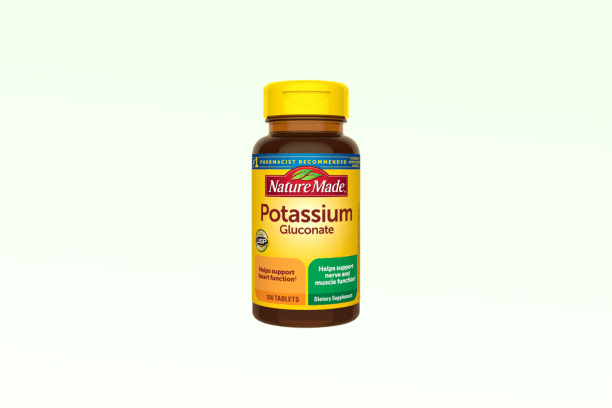
Nature Made Potassium Gluconate may provide you with a way to supplement potassium, especially if you’re not consistently meeting your daily needs through diet. One tablet contains 550 mg of potassium gluconate, which could give you 90 mg of elemental potassium. This form of potassium, bonded to gluconic acid, is generally well-tolerated and dissolves easily. It may help you gradually increase your potassium intake without overwhelming your body’s ability to regulate electrolyte levels.
By supporting your body’s potassium levels, this supplement may help maintain the balance of ions across your cell membranes. This balance is critical for generating nerve signals, supporting normal heart rhythm, and keeping your muscles functioning properly.
Pros
- Contributes to proper muscle contraction.
- Aids in heart rhythm regulation.
- Supports kidney function and waste filtration.
Cons
- Can lead to muscle weakness if taken in excess
- Increases the risk of cardiac arrest if misused
-
Now Foods Potassium Citrate
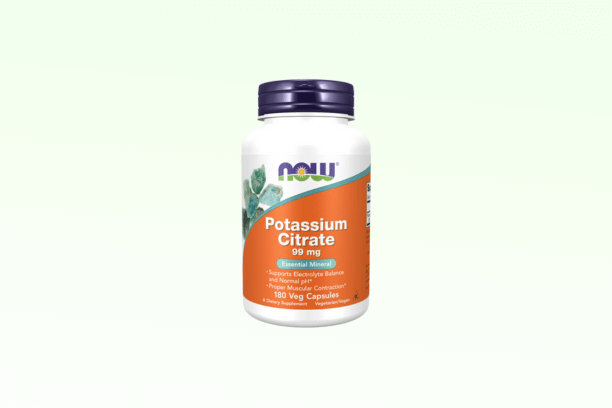
The Now Foods Potassium Citrate delivers potassium in the form of potassium citrate. According to the brand, each capsule contains 99 mg of potassium, which is derived from 310 mg of potassium citrate. Potassium citrate is a highly bioavailable compound, meaning your body could efficiently absorb and utilize it.
The manufacturer claims it can support electrolyte balance, normal acid-base (pH) regulation, muscular function, and cardiovascular and nerve health.
Now Foods Potassium Citrate may help maintain electrolyte balance, which is important for fluid regulation at the cellular level. Potassium works alongside sodium to maintain osmotic pressure and water distribution throughout your body. By helping to regulate fluid within and outside of cells, potassium plays a direct role in blood pressure control and cardiovascular stability.
Potassium is also involved in acid-base homeostasis, which is a critical balance between acids and bases in your body that helps maintain an optimal pH level for enzymatic and metabolic functions.
Another function the brand attributes to the Now Foods Potassium Citrate supplement is its support for normal muscle contraction. It may support muscle functioning, including skeletal muscle (such as limbs), smooth muscle (like the digestive tract), and cardiac muscle (your heart).
Pros
- Helps regulate intracellular fluid volume.
- Supports mitochondrial efficiency and energy output.
- May assist in reducing insulin resistance when paired with magnesium.
Cons
- Excessive supplementation can suppress aldosterone production.
- Risk of rebound hypokalemia after stopping high doses suddenly.
-
Vykee Potassium Supplement
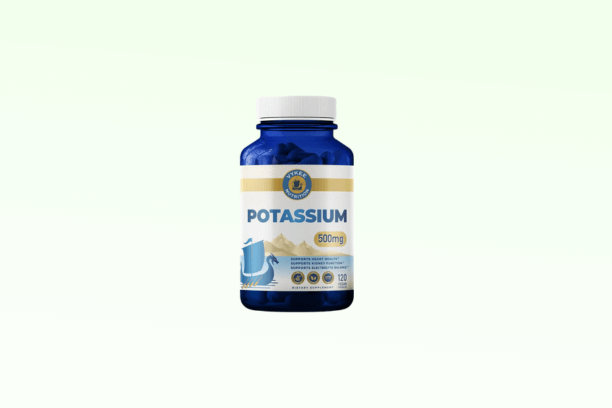
Vykee Nutrition offers a Potassium Citrate supplement that could boost your heart health, energy metabolism, and muscle performance.
According to the brand, each serving contains 500 mg of potassium citrate. It may maintain proper electrolyte balance, especially in cases where your dietary intake of potassium may be insufficient.
Vykee claims this product plays a role in stabilizing blood pressure, enhancing nerve communication, and supporting fluid regulation throughout your system.
Vykee Potassium Citrate may aid in maintaining intracellular fluid levels by interacting with sodium to control osmotic pressure across your cells. This regulation is fundamental to maintaining normal cardiovascular function. This may manage sodium levels, which in turn support healthy blood pressure.
Vykee promotes the supplement as beneficial for muscle and nerve activity. Potassium is necessary for electrochemical signaling, which allows your brain to transmit messages to muscles. The brand suggests that consistent intake of this supplement may reduce the likelihood of muscle cramps, support normal heart rhythm, and prevent energy dips associated with potassium deficiency.
Vykee highlights that the product is made in the USA, conforms to GMP (Good Manufacturing Practices), and is gluten-free. The brand asserts that the supplement is rigorously tested for quality, purity, and potency, aiming to offer you a clean and consistent experience with each use.
Pros
- Could help counteract acidosis in metabolic syndrome.
- May improve cognitive function through enhanced cerebral blood flow.
- Plays a role in modulating inflammatory cytokine release.
Cons
- Some people may experience paradoxical muscle cramps or fatigue.
- May cause bloating or flatulence depending on the salt form used.
-
Nature’s Bounty Potassium
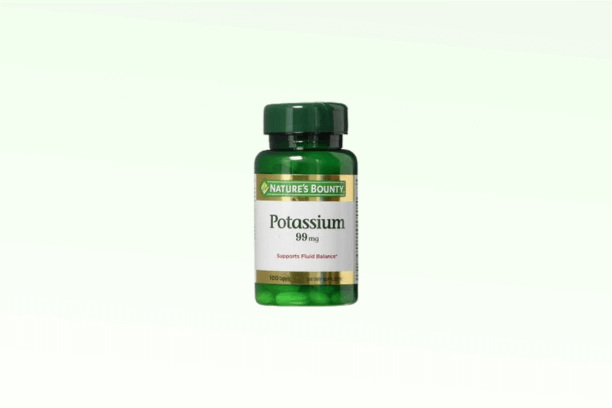
Nature’s Bounty Potassium Gluconate comes in a caplet form, with each caplet delivering 99 mg of potassium. It is intended to help support a range of essential bodily functions, including fluid regulation, muscle performance, and nutrient metabolism.
The source of potassium used, potassium gluconate, is a compound made by combining potassium with gluconic acid. Nature’s Bounty Potassium Gluconate may assist in maintaining your body’s fluid balance.
Nature’s Bounty also claims the product helps maintain mineral and electrolyte balance in the bloodstream, which is important for pH regulation and the functioning of enzymes critical to everyday cellular operations.
Nature’s Bounty Potassium Gluconate may also help in supporting proper nerve signal transmission and muscle contractions. This includes skeletal muscles used for movement as well as the cardiac muscle that controls your heartbeat.
Nature’s Bounty Potassium Gluconate could also help in aiding the metabolism of carbohydrates and proteins. It also supports the protein synthesis process by enabling ribosomes to build proteins from amino acids, functions that are essential for cell repair and growth.
Pros
- Supports endothelial function in vascular health.
- May lower urinary calcium excretion, protecting against stone formation.
- Helps support regular bowel movements through muscle tone regulation.
Cons
- Some forms may have poor palatability or a metallic aftertaste.
- Requires regular blood monitoring.
-
Nutricost Potassium Citrate
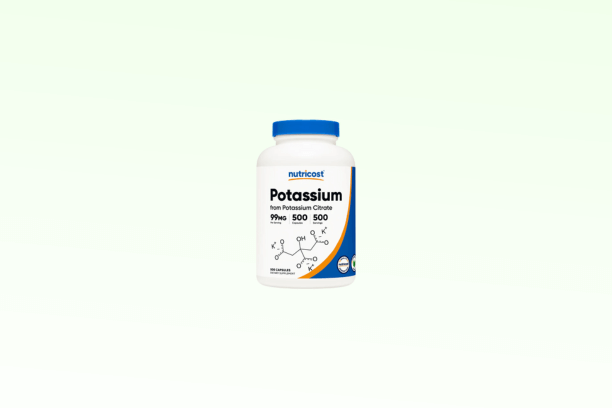
Nutricost Potassium Citrate may support critical bodily functions related to fluid balance, muscle activity, and metabolism. Potassium helps in regulating nerve impulses and muscle contractions, including those of the heart muscle.
Potassium citrate is known as the potassium salt of citric acid and is also recognized for its ability to alkalize urine. This property may help reduce the risk of kidney stone formation by preventing the crystallization of certain compounds in the urinary tract. Potassium Citrate by Nutricost could aid in supporting healthy blood pressure regulation and cellular health.
Nutricost Potassium Citrate Capsules could support your body’s fluid regulation, muscle function, and metabolism by delivering potassium in a bioavailable form. The potassium citrate form may also aid urinary health by modifying urine pH.
Pros
- May reduce the risk of stroke.
- Helps buffer pH and maintain acid–base balance.
- Plays a role in glucose metabolism.
Cons
- Might induce minor headaches.
- Could trigger stomach upset or make you feel nauseous.
-
Puregen Labs Potassium Bicarbonate
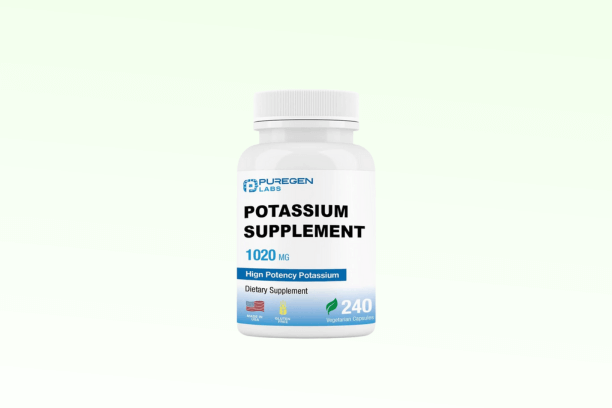
Puregen Labs Potassium Bicarbonate delivers a buffered form of potassium to support your body’s electrolyte and acid-base equilibrium.
One serving consists of two vegetarian capsules, providing a total of 1020 mg of potassium bicarbonate. This alkaline compound consists of potassium and bicarbonate ions, and according to the brand, may help neutralize dietary acid load, promoting internal pH balance.
Puregen Labs Potassium Bicarbonate may help you sustain appropriate potassium concentrations in the bloodstream. It could aid in buffering metabolic acids, which may benefit you, especially if you have a high protein intake.
The brand highlights potassium’s involvement in intracellular fluid management, which indirectly supports hydration and organ system stability. It also emphasizes potassium’s capacity to influence muscle coordination, including the mechanical rhythm of the heart. Potassium bicarbonate could aid nerve responsiveness by helping maintain membrane potential.
Pros
- Assists in nerve impulse transmission.
- Might aid in maintaining blood pressure within a normal range.
- May help prevent or manage hypertension.
Cons
- Can lead to kidney strain or damage in susceptible individuals.
- Not suitable for people with kidney disease.
-
Horbaach Potassium Gluconate
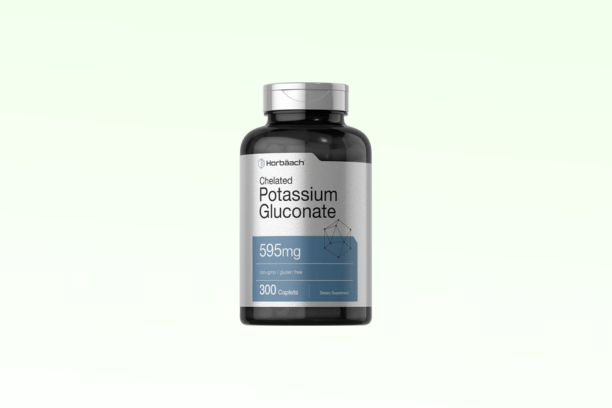
As per its official site, Horbaach Potassium Gluconate is formulated to supply elemental potassium in a bioavailable form. One vegetarian caplet provides 595 mg of potassium gluconate, yielding approximately 99 mg of elemental potassium per serving.
The brand focuses on potassium’s role in sustaining the electrical and contractile activities of muscle and nerve tissues. As an electrolyte, potassium could transmit impulses between neurons and across muscle fibers, allowing for coordinated movements and reflexes. By supporting smooth heart contractions, Horbaach Potassium Gluconate may contribute to cardiovascular function and promote rhythm stability. Potassium gluconate is a chelated salt where potassium is bound to gluconic acid, a sugar acid derived from glucose.
Pros
- May reduce the risk of stroke when combined with a balanced diet.
- Helps manage symptoms of chronic fatigue and muscle weakness.
- May support bone health.
Cons
- Can exacerbate gastrointestinal ulcers or lesions.
- Overuse may result in electrolyte imbalances.
-
BulkSupplements Potassium Bicarbonate
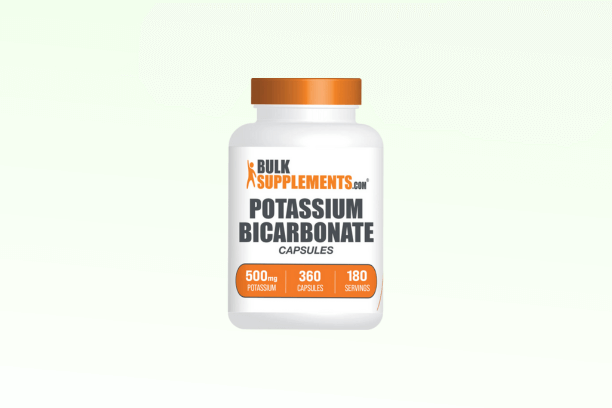
BulkSupplements Potassium Bicarbonate Capsules provide potassium in the form of potassium bicarbonate, with each serving of two capsules delivering 500 mg of this compound. The container includes 180 servings, allowing for extended use.
Potassium is a key mineral responsible for regulating fluid levels within your cells, which supports hydration and helps sustain healthy blood pressure. The brand highlights that supplementing with potassium bicarbonate may help maintain your body’s mineral balance, aiding optimal cellular function.
Your nervous system relies on potassium to generate the electrical impulses necessary for nerve communication. By contributing to these electrical gradients, potassium supports proper nervous system activity. The manufacturer suggests that adequate potassium levels may also promote muscle function, as potassium ions participate in the electrical signaling needed for muscle contraction and relaxation.
This supplement is intended to help you increase potassium intake, particularly if your diet lacks sufficient amounts or if certain conditions increase your potassium requirements. The product is designed to provide potassium without unnecessary additives, offering a straightforward option for supplementation.
Pros
- May help reduce symptoms of brain fog linked to low potassium.
- Supports cognitive alertness by aiding nerve signal conduction.
- May reduce the risk of stroke-related brain damage when potassium is balanced
Cons
- Chronic overuse can desensitize the cell membrane potassium channels.
- Potential to mask underlying conditions that cause potassium loss (e.g., GI bleeding, endocrine disorders).
-
Vitacost Potassium & Magnesium
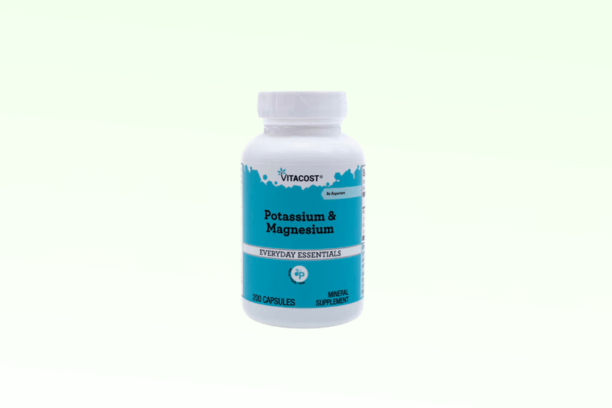
Vitacost Potassium & Magnesium might assist with various physiological functions. It’s serving of two capsules supplies 40 mg of magnesium and 120 mg of potassium, both in the aspartate salt form. The brand indicates this formulation aims to support cardiovascular health, bone strength, and electrolyte balance.
Magnesium contributes to hundreds of enzymatic reactions in your body. It is involved in muscle and nerve regulation, maintaining a stable heart rhythm, and potentially supporting the structural integrity of bones.
Magnesium plays a part in energy production within your cells and assists in protein synthesis for tissue repair. This mineral also helps control potassium movement across cell membranes, a process crucial for cell function and electrical activity.
Potassium is known as a vital electrolyte that helps regulate cellular fluid levels and maintains your body’s acid-base equilibrium. These processes are critical for normal muscle contractions and heart activity.
The use of aspartate forms may promote better mineral absorption, although individual health status can influence uptake. This supplement is intended to complement dietary intake, particularly in people whose magnesium or potassium consumption is inadequate. The brand advises taking two capsules daily with meals.
Pros
- May reduce muscle twitching or spasms in potassium-depleted individuals.
- Supports faster recovery after dehydration or fluid loss from illness.
- May improve exercise endurance by optimizing electrolyte balance.
Cons
- Sudden withdrawal after high intake may cause muscle cramping or weakness.
- Its capsule form could be difficult to swallow for some people.
Side Effects Of Potassium Supplements
-
Gastrointestinal Discomfort
Potassium supplements, especially those containing potassium chloride or citrate, may irritate your stomach lining due to their chemical nature. Potassium salts are highly soluble electrolytes that, when concentrated in the stomach, can disrupt the mucosal barrier and increase local acidity. This irritation can stimulate gastric sensory nerves, leading to symptoms such as nausea, abdominal pain, or cramping. Potassium’s osmotic effect draws water into the intestines, which may accelerate transit time and cause diarrhea. If you take large doses at once without food, the concentrated exposure can exacerbate these effects. If you have preexisting gastrointestinal conditions, such as gastritis or ulcers, your risk of experiencing these symptoms may be higher. Monitoring your symptoms and adjusting your dosing strategy can help you maintain supplementation without discomfort.
-
Hyperkalemia
Your kidneys regulate potassium homeostasis by filtering and excreting excess potassium to maintain serum concentrations typically between 3.5 and 5.0 mmol/L. Supplementing with potassium increases plasma potassium, but if your kidney function is impaired or overwhelmed, extracellular potassium can accumulate, causing hyperkalemia. Elevated serum potassium reduces the resting membrane potential of cardiac myocytes, slowing repolarization and increasing the risk of dangerous arrhythmias. This electrophysiological disruption may manifest as peaked T-waves or widened QRS complexes on an ECG, and clinically as muscle weakness, fatigue, or palpitations. Medications like ACE inhibitors or potassium-sparing diuretics inhibit renal potassium excretion, compounding this effect. Regular monitoring of your serum potassium and kidney function is critical during supplementation, especially if you have chronic kidney disease or take interacting medications. Maintaining potassium within a safe range ensures its vital role in cellular function without risking cardiac toxicity.
-
Muscle Weakness
Potassium is critical for maintaining the electrochemical gradient across your muscle cell membranes, which drives muscle contraction and relaxation. An imbalance, whether low or high potassium levels, can disrupt this gradient. Elevated potassium reduces the difference between intracellular and extracellular ion concentrations, impairing the ability of muscle cells to depolarize efficiently. This can decrease calcium release from the sarcoplasmic reticulum, resulting in weaker muscle contractions and fatigue. Moreover, low potassium causes hyperpolarization, making it harder for muscles to activate. Potassium’s role in modulating the Na+/K+ ATPase pump is fundamental for restoring the resting membrane potential after contraction. If you supplement improperly, you might disturb this balance, leading to neuromuscular symptoms like generalized weakness or rapid fatigue during activity. These effects can affect skeletal muscles and, in severe cases, respiratory muscles, posing health risks.
-
Allergic Reactions
Allergic reactions to potassium supplements can arise either from the potassium compound itself or, more commonly, from excipients such as binders, fillers, dyes, or preservatives used in manufacturing. Your immune system may recognize these foreign substances as antigens, triggering a Type I hypersensitivity response mediated by IgE antibodies. This immune activation may lead to the release of histamines and other inflammatory mediators, causing urticaria (hives), angioedema (swelling beneath the skin), pruritus (itching), and in severe cases, anaphylaxis. Hypersensitivity to specific components varies individually and can develop over time with repeated exposure. If you have a history of allergies or sensitivities to supplement additives, reading product labels carefully and choosing hypoallergenic or pure potassium formulations might reduce your risk. Promptly discontinuing the potassium supplement and seeking medical care at the first sign of an allergy reaction is critical to prevent complications.
-
Interactions With Medications
Certain medications influence your body’s potassium regulation by altering renal excretion or cellular uptake, which may interact adversely with potassium supplements. Drugs like angiotensin-converting enzyme (ACE) inhibitors and angiotensin receptor blockers (ARBs) reduce aldosterone secretion, decreasing potassium elimination by the kidneys. Potassium-sparing diuretics (e.g., spironolactone) inhibit sodium reabsorption in the distal tubule, further reducing potassium clearance. When combined with potassium supplements, these medications can increase serum potassium to dangerous levels, risking hyperkalemia and cardiac arrhythmias. Beta-blockers and nonsteroidal anti-inflammatory drugs (NSAIDs) may also impair renal potassium excretion. Because these pharmacological effects affect kidney function and electrolyte balance, simultaneous use with potassium supplements demands careful medical supervision.
-
Digestive Issues
Taking potassium supplements might sometimes overwhelm your intestinal absorption capacity, leading to digestive disturbances. Potassium salts exert an osmotic effect, pulling water into the intestinal lumen, which can increase stool liquidity and frequency, causing diarrhea. Conversely, high doses may irritate the enteric nervous system and smooth muscle layers, inducing cramps or spasms. Your gastrointestinal tract absorbs potassium primarily in the small intestine, but excess potassium that surpasses absorptive thresholds can reach the colon, disrupting normal microbiota and motility. Slow-release formulations and dose fractionation throughout the day could mitigate these effects by moderating intestinal exposure. Adequate hydration and fiber intake support healthy digestion during supplementation.
How Did We Evaluate?
-
Real User Reviews
We evaluated the best potassium supplements by examining thousands of customer reviews on Amazon to assess their effectiveness, ease of use, dosage, and overall value. Their ratings ranged from 4.8 to 4.1 stars, reflecting different levels of user satisfaction and product performance.
Pure Encapsulations Potassium Citrate has a 4.8-star rating based on over 9,200 reviews. Customers reported that it supported potassium levels and helped reduce leg cramps. The capsules were noted for being easy to swallow and causing minimal stomach discomfort.
BulkSupplements Potassium Bicarbonate holds a 4.7-star rating from 430 reviews. Users mentioned the small capsule size and absence of aftertaste. Opinions about value for money varied, though many found the product effective.
Nutricost Potassium Citrate also has a 4.7-star rating with over 13,500 reviews. Customers commented on the large bottle size and described the capsules as small, tasteless, and useful for preventing muscle cramps and maintaining potassium levels.
Nature’s Bounty Potassium, with a 4.7-star rating from 3,194 reviews, was noted for ease of swallowing and being gentle on the stomach. Some users reported fewer leg cramps during use.
NOW Foods Potassium Citrate received 4.7 stars from more than 20,400 reviews. Users found it helpful for muscle cramps and blood pressure support, although some noted the potassium content per capsule (99 mg) as relatively low. The capsules were generally considered easy to swallow.
Life Enhancement Potassium Supplement has a 4.6-star rating from 180 reviews. The higher potassium dosage per capsule was mentioned, with some users noting the larger capsule size as a drawback. It was reported to assist muscle function and fluid balance.
Vykee Potassium Supplement also has a 4.6-star rating based on 225 reviews. Reviewers mentioned the 500 mg potassium dose, non-GMO and vegan formulation, and suitability for post-workout use. Capsules were generally described as easy to swallow despite their size.
Horbaach Potassium Gluconate holds a 4.6-star rating from 1,700 reviews. Users found it helpful for muscle cramp relief and maintaining potassium levels, though some noted that tablets dissolved quickly in the mouth, impacting swallowing comfort.
Puregen Labs Potassium Bicarbonate has a 4.6-star rating from 671 reviews. It was recognized for delivering a sufficient potassium dose, with some users noting benefits for heart health. Concerns were raised about the lack of a protective seal on the packaging.
Nature Made Potassium Gluconate carries a 4.5-star rating from 1,111 reviews. Users reported it helped relieve cramps and maintain potassium levels. Some mentioned tablets dissolved quickly in the mouth, which affected swallowing comfort.
Vitacost Potassium & Magnesium has the lowest rating among the group at 4.1 stars from 54 reviews. It combines potassium with magnesium, and while some users found it helpful for muscle cramps and reducing bloating, others questioned product consistency and potency.
The reviews indicate that factors such as potassium dosage, capsule size, ease of swallowing, and packaging can influence user experience. Higher-rated supplements generally reported a balance of sufficient dosage and manageable capsule size, while lower ratings sometimes reflected concerns about product consistency or packaging.
-
Brand Reputation
To evaluate the reputations of these potassium supplement brands, we looked at their ratings and customer reviews on Better Business Bureau (BBB) and Trustpilot. These platforms help us understand how well each brand handles business, supports customers, and delivers reliable products by showing complaints, accreditation, and user feedback.
Pure Encapsulations holds an A-rating from the BBB, with a number of complaints reported over recent years. There is no significant Trustpilot presence for the brand. The available information suggests it operates with standard business practices expected of supplement companies, but lacks broad public consumer reviews.
Life Enhancement is currently not rated on BBB. Complaints recorded are minimal and mostly related to order processing or shipping, with resolutions reported. There is no active Trustpilot profile, limiting access to wider customer feedback.
Nature Made currently does not have a BBB accreditation or a dedicated Trustpilot profile. The brand is widely available through retailers but does not have formal customer service ratings on these platforms.
Now Foods is currently not accredited but holds an A+ rating from the BBB. Some customer complaints primarily concern shipping and customer service issues, which appear to be addressed. The Trustpilot profile for Now Foods is unclaimed, containing mixed reviews with varying user experiences related to service and product satisfaction.
Vykee Potassium Supplement has minimal online presence, with no BBB accreditation or Trustpilot reviews. There is little consumer discussion available, making it difficult to assess its reputation or reliability.
Nature’s Bounty is not accredited by the BBB, but has an A+ rating. Complaints received mainly involve delivery or customer service, with reported resolutions. However, Nature’s Bounty does not currently have a claimed Trustpilot profile.
Nutricost is an accredited business with the Better Business Bureau (BBB) since April 18, 2023, and has been operating since February 2017. According to BBB records, Nutricost holds a B rating. Over the past three years, there have been complaints filed against the business.
Puregen Labs Potassium Bicarbonate has no BBB accreditation or Trustpilot presence, and consumer feedback is scarce. There is insufficient information to evaluate the brand’s reputation.
Horbaach holds an A rating from the Better Business Bureau (BBB), which reflects its long-standing presence and operational stability. The Trustpilot profile is unclaimed with a TrustScore of 2.9 out of 5, which is based on 23 reviews, often referencing shipping and customer service concerns.
BulkSupplements has operated since 2011 and holds a B rating from the BBB, with complaints filed against the business. On Trustpilot, BulkSupplements has 280+ reviews and a TrustScore of 1.9 out of 5. Customers have reported issues including lower-than-expected active ingredient levels, undisclosed fillers, and inconsistent product quality. Some long-term users, however, have expressed satisfaction with their purchases.
Vitacost has been operating since 1994 and sells over 40,000 health and wellness products, including supplements, organic foods, and personal care items. It currently holds an A+ rating from the Better Business Bureau. On Trustpilot, though unclaimed, Vitacost has 1,713 reviews with a 3.8 out of 5 TrustScore. Customers praise its wide product range, competitive pricing, and fast shipping. Some negative reviews mention slower delivery due to recent changes in shipping locations.
Frequently Asked Questions
- Do all potassium supplements have the same bioavailability?
No. Bioavailability varies by salt form and formulation. Citrate and gluconate generally have good absorption, but slow-release or capsule forms might influence uptake speed and tolerance. - Can potassium supplements replace dietary potassium?
No. Potassium supplements may help meet daily requirements, but should not replace potassium-rich foods, which provide additional nutrients and fiber important for overall health. - How do potassium supplements support kidney stone prevention?
Potassium citrate raises urinary citrate, which binds calcium and inhibits stone formation, lowering kidney stone risk in susceptible individuals. - How do slow-release potassium supplements differ from immediate-release?
Slow-release forms release potassium gradually, potentially improving tolerance and reducing peak serum potassium spikes. - Can excessive potassium supplementation cause toxicity?
Yes, hyperkalemia from overdose can be life-threatening, causing cardiac arrhythmias. Safe dosing and medical supervision are critical. - Can potassium supplements affect blood pressure medications?
Yes, they may potentiate the effects of antihypertensive drugs, so monitoring is important to avoid hypotension or electrolyte imbalance.
Final Words
Potassium supplements, such as the citrate, gluconate, and bicarbonate forms discussed in this article, offer specific benefits tailored to different fitness concerns.
For instance, potassium citrate may help support kidney health, potassium gluconate generally aids electrolyte replenishment, and potassium bicarbonate might assist in buffering acid loads for bone support. These supplements promise to help maintain a healthy potassium balance, supporting muscle function, nerve signaling, and cardiovascular well-being.
However, potassium supplementation is not without potential risks. You may experience gastrointestinal discomfort or, in some cases, elevated potassium levels, especially if you have kidney issues or take medications that affect potassium metabolism. As potassium is tightly regulated in the body, both insufficient and excessive intake can disrupt important physiological processes.
Your kidney function, medication use, diet, and activity level should guide your supplementation decisions. Consulting a doctor before starting potassium supplements can help ensure safe and effective dosing that can work for your needs.
Potassium supplements are best used to complement, not replace, a balanced diet rich in natural potassium sources like bananas, leafy greens, and potatoes. You can support your body’s complex potassium needs by balancing dietary intake with responsible supplementation.

Rachel has been a freelance medical writer for more than 18 years. She graduated from the University of Tennessee at Knoxville in 2005 and is currently practicing as a Certified Registered Nurse Anesthetist at a Level I trauma center.
Leave a Reply