

No products in the cart.
Contents
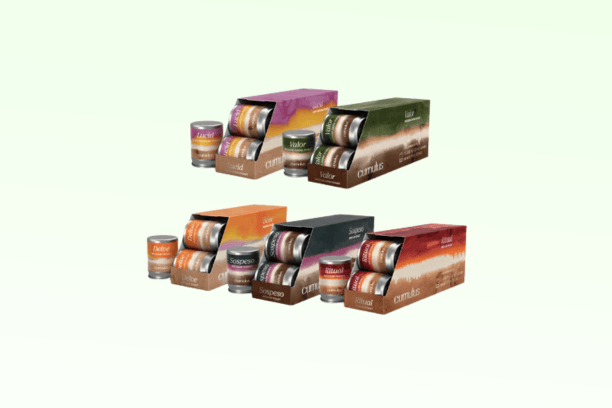
Cumulus Coffee is a specialty coffee brand based around a home brewing system intended specifically for cold coffee preparation. It aims to create café-style cold brew, nitro-style coffee, and chilled coffee drinks through its product ecosystem.
The brand emphasizes convenience, consistency, and temperature-specific brewing technology, aiming to provide an alternative to store-bought cold brew and coffeehouse drinks while reducing preparation time and complexity.
In this review, we examine the brand’s brewing system, coffee offerings, flavor variety, and convenience-focused approach. The review also explores how it compares with other cold coffee brewing brands.
About Cumulus Coffee
Founded by Mesh Gelman, Cumulus Coffee positions itself as a cold coffee-focused company based on equipment, coffee, and drink customization products. Its product lineup includes the Cumulus Machine, proprietary coffee capsules in multiple roast profiles, limited-edition coffee releases, flavored syrups, recipe kits, glassware, and machine maintenance essentials. The brand also offers a flexible coffee subscription program that allows you to adjust, pause, skip, or cancel recurring deliveries. Delivery interval options feature periods of every 4, 6, or 8 weeks.
As per its official website, the brand outlines roast levels, tasting notes, and intended flavor characteristics across its coffee range, providing a relatively transparent view of its offerings. It also claims to utilize recyclable coffee capsules and provides dedicated cleaning and maintenance products intended to support long-term machine performance.
Cumulus Coffee Offerings
-
The Cumulus Machine
The Cumulus Machine is a countertop coffee system designed exclusively for cold coffee preparation. It brews and dispenses cold coffee from start to finish. It is designed to prepare three distinct drinks in under 60 seconds, eliminating the long steeping times typically associated with cold coffee. One of the machine’s defining features is its ability to produce nitro cold brew using the brand’s proprietary Cold Cloud technology. It creates a smooth, velvety texture and layered flavor profile that resembles the experience of nitro cold brew served in specialty coffee shops. The machine dispenses a 10-ounce serving, emphasizing mouthfeel and consistency without requiring separate nitrogen equipment.
For standard cold brew, the machine offers a faster alternative to conventional methods that often require 12 to 24 hours of steeping. The machine also introduces cold espresso, a pre-chilled 2-ounce concentrate that differs from both traditional hot espresso and standard cold brew. As per the official website, the Cumulus Machine measures 19 inches deep, 6 inches wide, and 16 inches high, giving it a relatively narrow footprint despite its height. It holds up to 80 ounces of water, weighs 30.6 pounds, and operates on a standard 120-volt North American electrical outlet.
-
Coffee Capsules
Cumulus Coffee offers proprietary coffee capsules designed for use with its cold-brewing system. The selection includes light roasts such as Sospeso Light and the limited-edition Gilded 003: Lonya Grande, medium roasts such as Ritual Medium, Sospeso Medium, Delve, and Ritual Decaf, and darker roasts including Ritual Dark and Valor. Most capsule varieties contain naturally occurring caffeine from coffee, which may help support alertness and focus. Caffeine content varies by blend.
The company also offers bundle options, including the Discovery, Ritual, Dark Roast, Sospeso, Expedition, and Signature Bundles. These bundles combine multiple coffee varieties, allowing customers to sample different roast levels and flavor profiles. The brand also periodically releases limited-edition coffees, such as Gilded 003, featuring seasonal or small-batch selections.
-
Syrups
Artisanal syrups complement cold coffee drinks and encourage customization at home. The brand states that its syrups do not contain artificial flavors or additives. The lineup includes Madagascar Vanilla, Cinnamon Demerara, Dark Chocolate, and Orange Piloncillo, along with an Artisanal Syrups Variety Pack. Depending on the variety, the syrups are crafted with ingredients such as Madagascan vanilla pods, whole cinnamon sticks, South American semi-sweet dark chocolate, raw cane sugar, orange zest, citric acid, and Mediterranean sea salt. These ingredient combinations are intended to create distinct flavor profiles that can be used to boost coffee and other drinks at home.
Cumulus Coffee Advantage
-
Strong Retail Partnerships
Cumulus Coffee has expanded beyond direct-to-consumer sales through partnerships with established retailers, increasing the brand’s accessibility and market presence. The company highlights its launch partnership with Williams Sonoma and has since expanded into Bloomingdale’s and Nordstrom, giving the Cumulus system exposure across several premium retail channels. These partnerships provide you with additional ways to discover and purchase the system outside of the brand’s website. Multiple retail channels can also offer greater flexibility when comparing availability and customer-service policies.
Cumulus Coffee Limitations
-
Closed Ecosystem Purchase Commitment
Cumulus Coffee’s brewing system is built around proprietary hardware and Cumulus Capsules, creating a closed ecosystem that limits flexibility after purchase. Its machine does not support third-party capsules, reusable capsules, ground coffee, or alternative brewing formats, making the brand the sole source for the products. As a result, you are limited to the capsule varieties offered by the company and cannot use coffee from preferred roasters or experiment with compatible alternatives. The long-term experience is also tied to the brand’s product roadmap and distribution strategy. If the company discontinues certain blends, changes capsule pricing, or reduces product availability, you have few practical alternatives within the system.
-
Proprietary System Switching Costs
Cumulus Coffee combines its brewing hardware with Cumulus-exclusive capsules, limiting compatibility with products outside its platform. It makes you continue purchasing capsules from the company to use the system. You cannot simply buy capsules from another brand and continue using the brand’s machine. Instead, you would need to replace the hardware and move to an entirely new ecosystem. It creates a strong lock-in effect and limits your flexibility over time. The more you invest in the platform, the harder it becomes to justify leaving it, even if better alternatives become available.
Pros
- Cold-focused brewing technology creates distinct brand positioning.
- Offers cold brew, nitro, and cold espresso blends.
- A recyclable aluminum capsule system may support sustainability efforts.
- Maintains transparency around roast levels, taste, and flavor profile across blends.
- Provides the flexibility to pause, skip, and cancel coffee subscriptions anytime.
Cons
- Capsule dependency may reduce brewing flexibility and customization.
- Offers limited control over manual brewing variables.
Cumulus Coffee Alternatives
-
Bruvi
Bruvi and Cumulus take different approaches to the home coffee market. As per its official website, Bruvi operates as a multi-drink single-serve system designed to prepare coffee, espresso, Americanos, cold brew, iced coffee, infused coffee, matcha lattes, and hot water from one machine. Its ecosystem includes proprietary B-Pods, optional auto-delivery subscriptions, a mobile app, and a range of partner coffee brands. Cumulus, in comparison, is focused exclusively on cold coffee preparation. The company has built its system around three drink formats such as Nitro Cold Brew, Cold Brew, and Cold Espresso. Its machine, capsules, and accessories are developed as a dedicated cold coffee platform.
The brewing technologies behind the two brands reflect these priorities. Bruvi emphasizes automated brewing optimization through pod recognition technology. Brewer scans each B-Pod and automatically adjusts multiple brewing variables, including temperature, brew time, pre-infusion, water bypass, water bypass temperature, and contact time. Its machine also combines a 15-bar pressure pump, a flow-through heater rated at 1550 watts, and brewing temperatures ranging from 120°F to 200°F. However, Cumulus focuses on cold extraction technology instead. Its proprietary Cold Cloud system is used to create Nitro Cold Brew with a creamy texture and chilled serving temperature while avoiding the extended steeping process commonly associated with traditional cold brew preparation. The brand highlights that its machine produces a 10-ounce Nitro Cold Brew, a 10-ounce Cold Brew, and a 2-ounce Cold Espresso without requiring separate chilling or nitrogen equipment.
The coffee programs of the two brands are structured differently. Bruvi highlights collaborations with Equator, Lamill, Joyride, Joe Coffee, Klatch, Bulletproof, Go Get Em Tiger, and Saka Matcha. Its B-Pods contain sustainably sourced 100% Arabica coffee and promote the ability of its brewing system to reproduce roaster-specific brewing parameters. In comparison, Cumulus develops its coffee lineup specifically for cold brewing applications. Its portfolio includes Ritual Medium, Ritual Dark, Ritual Decaf, Lucid, Sospeso Light, Sospeso Medium, Delve, and Valor. Flavor profiles are prominently featured, with Lucid described through citrus, cherry, and honey nectar notes, and Delve through cherry, chocolate, and caramel characteristics. The company also offers limited-edition releases such as Gilded 003: Lonya Grande.
Bruvi is designed to accommodate multiple consumption preferences within a single household. Beyond standard coffee and espresso drinks, it offers Americanos, cold brew, iced coffee, infused coffee, matcha lattes, and a dedicated hot water function. Its machine supports eight cup-size options ranging from 1 to 12 ounces and includes settings such as Stronger, Hotter, Iced, and Low Acid. However, Cumulus offers a much narrower selection but places greater emphasis on cold coffee specialization. Its Cold Espresso is presented as a standalone drink as well as a base for drinks such as iced lattes, affogatos, and espresso martinis.
-
Cometeer
Cometeer offers pre-brewed coffee concentrate that is flash-frozen after brewing and stored in recyclable aluminum capsules. Its coffee can be prepared by melting a capsule into hot water, cold water, milk, or ice, allowing you to make hot coffee, iced coffee, hot lattes, iced lattes, and affogatos without additional brewing equipment. Cumulus, however, is built around a dedicated machine that prepares cold brew, nitro cold brew, and cold espresso at home. While Cometeer’s system is designed to work without a coffee maker, grinder, or espresso machine, Cumulus requires the purchase of its machine and related maintenance products to access its coffee offerings.
The brands also differ in how they structure their coffee portfolios. Cometeer acts as a platform for coffees sourced from a large group of specialty roasters, including Onyx, Intelligentsia, Proud Mary, Counter Culture, Regalia, Black & White, Joe Coffee, Klatch, Birch Coffee, and Red Bay. Its catalog includes blends, single-origin coffees, microlots, seasonal selections, decaf coffees, and half-caff options sourced from countries such as Ethiopia, Colombia, Nicaragua, Costa Rica, Zambia, and Brazil. Meanwhile, Cumulus relies primarily on its own lineup of coffees, including Ritual Medium, Ritual Dark, Lucid, Sospeso Medium, Ritual Decaf, and limited-edition releases such as Gilded 003: Lonya Grande. It focuses on a smaller collection developed specifically for its brewing system.
Sourcing and product development strategies also reflect some differences. Cometeer states that its offerings highlight distinct origins, processing methods, and flavor characteristics. Examples include Ethiopia Kirite from Intelligentsia with notes of honeysuckle, red currant, and green apple. Cumulus states that its coffees are sourced, cultivated, and roasted with cold brewing in mind. Products such as Lucid, Sospeso Light, and Valor are presented according to how they perform when brewed cold. The drink formats supported by each brand further distinguish their offerings. Cometeer’s frozen concentrate can be used across several drink styles, including hot coffee, iced coffee, hot lattes, iced lattes, and coffee-based desserts. Preparation typically involves combining a melted or frozen capsule with six to eight ounces of water or milk. Cumulus concentrates on cold coffee formats and promotes its machine as a way to produce cold brew, nitro cold brew, and cold espresso in less than a minute. The brand’s coffee lineup, machine design, and supporting products are all centered on cold coffee preparation.
Pricing structures highlight another distinction. Cometeer’s standard coffees generally range from about $2 to $2.31 per cup, while Select Series coffees are commonly priced around $3.12 per cup, and some Stellar Series releases reach $7.50 per cup. Its World Mug Collection is available as a membership purchase at $79 or as a one-time purchase at $99, with membership renewals providing additional coffee deliveries. Cumulus prices most of its standard coffees between $25 and $29 per pack of 10 capsules, while Gilded 003: Lonya Grande is priced at $64 for a 10-capsule pack. You must also purchase the Cumulus Machine and periodically replace filters and cleaning supplies. As per their official website, Cometeer centers its offering on specialty coffee variety and flexibility, whereas Cumulus centers its offering on a controlled cold coffee preparation system and related products.
How Did We Evaluate?
-
Real User Feedback
When assessing Cumulus Coffee, we looked at the available Reddit discussions and threads, which reflected a mix of appreciation for the brand’s convenience-focused concept and concerns about its long-term practicality.
Across the discussions, the Cumulus Coffee Machine was the most frequently discussed product, particularly for its ability to prepare cold coffee and Nitro Cold Brew using pre-brewed coffee capsules. Several users questioned the machine’s overall value, noting that it relies on concentrated coffee instead of brewing coffee from fresh grounds.
Feedback from users who used the machine firsthand was more nuanced. The Nitro Cold Brew setting received the most positive attention, with users describing it as creamy, thick, and capable of producing a café-style foam layer without additional nitrogen equipment. However, recurring criticisms focused on the machine’s large size, heavy footprint, awkward water tank design, lengthy cooling and preparation process, and the ongoing cost of its coffee capsules. Concerns about long-term affordability and dependence on a closed capsule system appeared repeatedly throughout discussions.
The available feedback suggests that the brand delivers a highly specific coffee experience that may suit preferences for a dedicated at-home specialty drink system. You should carefully consider available counter space, ongoing ownership costs, and whether the brand’s ecosystem aligns with your daily coffee habits. Overall satisfaction appears likely to depend more on personal preferences, usage frequency, and expectations than on the machine alone.
-
Brand Reputation
To evaluate Cumulus Coffee’s brand reputation, we looked at its presence on major consumer review platforms, reviewed feedback from independent product testers and coffee experts.
The brand has received attention from coffee publications, appliance reviewers, and industry experts who have tested its machine firsthand. Its proprietary cold-brew technology and premium positioning have been featured in several independent reviews, helping establish credibility within the specialty coffee and luxury appliance space. The brand’s availability through established retail channels also adds another layer of market validation.
Across expert reviews and hands-on testing, the feedback is generally consistent. Reviewers frequently praise the machine’s ability to produce cold nitro-style coffee with a rich foam layer, its fast brewing process, and its ability to dispense chilled beverages without requiring external nitrogen cartridges. However, the users point out the machine’s large countertop footprint, which may not suit every kitchen. Ongoing capsule costs, fixed drink formats, and required cleaning cycles are additional factors that some users may view as drawbacks.
Cumulus Coffee’s reputation appears to be driven more by product performance and expert evaluations than by a large volume of consumer reviews. Based on the information available, the brand is generally viewed as a legitimate premium coffee appliance company, with most criticisms focused on cost, ecosystem restrictions, and practicality.
Conclusion
Cumulus Coffee delivers a focused experience built around providing a convenient way to prepare specialty cold coffee at home. However, the brand relies on its machine-and-capsule model that requires ongoing purchases of brand-specific capsules, which may limit flexibility compared to traditional brewing methods. If you are looking to explore a wide range of roasters, origins, or brewing styles, you may find the available options limited.
Before investing, it is worth evaluating ongoing capsule costs alongside the initial machine investment, especially if multiple coffee servings are part of your daily routine. Counter space requirements, capsule availability, and preferred blend selection are also important factors to consider.
The brand appears best suited if you are looking for a dedicated cold coffee ecosystem. A clear understanding of your coffee preferences, desired flexibility, and long-term ownership costs may help determine whether the Cumulus experience remains practical and worthwhile over time.

Rachel has been a freelance medical writer for more than 18 years. She graduated from the University of Tennessee at Knoxville in 2005 and is currently practicing as a Certified Registered Nurse Anesthetist at a Level I trauma center.
Leave a Reply