

No products in the cart.
Contents
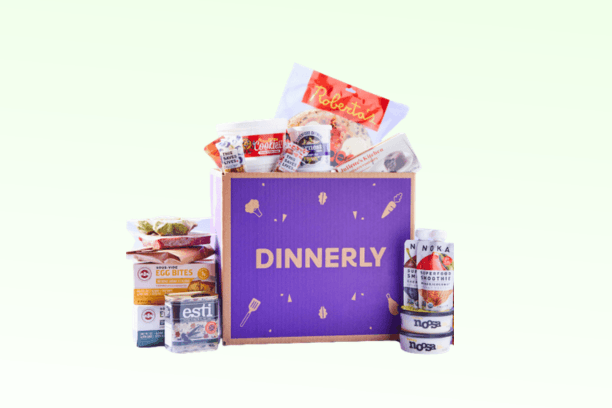
Dinnerly is a meal kit delivery brand that focuses on providing simplified home-cooking options to manage busy schedules. The brand offers meal plans that include pre-portioned ingredients and step-by-step recipes designed to reduce the time that is spent on grocery shopping, meal planning, and preparation. Its product range includes weekly meal options across categories such as vegetarian meals, low-calorie recipes, family-friendly dishes, low-carb selections, and fast-prep meals.
In this review, we will explore the service’s meal kit offerings, pricing structure, recipe variety, customization options, and subscription flexibility. We will also examine the brand’s potential advantages, areas where its simplified approach may feel limiting, and how consumer reviews reflect experiences related to meal quality, delivery consistency, and convenience.
About Dinnerly
Dinnerly is built around weeknight convenience, offering you ready-to-cook meal kits. As per the official website, it offers rotating recipes each week. It also includes categories such as Quick & Easy meals, Picky Eater Approved recipes, Kid Friendly dishes, and Climate Hero meals designed around plant-based or lower-impact ingredients.
Dinnerly’s menu covers multiple cuisines and comfort-style meals. Its offerings include dishes such as Indian-Style Butter Chicken with Turmeric Basmati Rice, Chicken Chaat Masala Tacos, and various rice bowls, pasta dishes, burgers, tacos, salads, and skillet meals. The platform also occasionally includes breakfast-style recipes and desserts like overnight oats, cupcakes, and baked treats, expanding its offerings beyond standard dinner kits.
Offerings
-
Meal Plans
Meal plans are designed around household size, cooking frequency, and recipe customization. You can choose plans for 2, 4, or 6 people and select between 2 and 6 meals per week depending on your schedule and dining needs. The subscription operates on a recurring weekly model, but you can skip deliveries, pause plans, or cancel future boxes directly from your account before the weekly cutoff date.
The platform gives you access to more than 100 rotating recipes, with meal plans structured around different dietary preferences and cooking styles. During signup, you can select multiple preference categories such as Gluten-Free Friendly, Low Calorie, Low Carb, and Vegetarian. Dinnerly states that its Gluten-Free Friendly meals are designed without gluten-containing ingredients, although cross-contact risks may still exist. If you prefer a wider variety, you can choose the I like everything option, which provides recipe suggestions across the entire menu while still allowing full manual recipe selection each week.
The service’s menu includes Saver, Customizable, and Premium recipe tiers that affect pricing and ingredient flexibility. Saver meals are designed as lower-cost options, while Customizable recipes allow protein swaps and alternate ingredient selections for a more personalized meal setup. Its menu includes protein sources such as beef, fish, lamb, pork, poultry, vegetarian proteins, and plant-based alternatives. Animal-based proteins are commonly associated with protein intake, iron, and amino acids that support muscle maintenance and satiety.
Dinnerly also categorizes meals with Kid Friendly, High Protein, Nutritious, Climate Hero, Optional Spice, Low Carb, and Low Calorie options to help you narrow down recipes according to household preferences. The menu regularly includes family-oriented comfort meals alongside lighter dishes, plant-based options, seafood recipes, and internationally influenced flavors.
Dinnerly Advantages
-
Large-Scale Rotating Menu Infrastructure
Dinnerly structures its meal-kit ecosystem around a high-volume rotating recipe framework that regularly exceeds 100+ weekly meal options. It organizes the menu into multiple practical dietary and household categories. This menu system reduces repetitive meal cycling across long-term subscriptions.
The brand continuously rotates week to week, giving households substantially more flexibility when managing changing schedules, dietary goals, family preferences, or cooking fatigue over time.
The platform’s Market by Dinnerly can help you add supplementary options such as breakfasts, lunches, desserts, snacks, and ready-to-heat foods. That structure creates a more consolidated meal-planning system by reducing the need to split grocery sourcing across multiple retailers or food-delivery platforms throughout the week.
This approach may give you more flexibility to choose meals that fit your schedule, dietary preferences, and cooking comfort level each week. The broad rotating menu and filtering system may also help reduce meal repetition and make weekly meal planning easier.
-
App-Based Meal Management
Dinnerly has a centralized app-based management system that consolidates recipe browsing, subscription controls, scheduling, order tracking, and cooking instructions into a single mobile platform. The app allows you to manage core subscription logistics directly from your phone, including selecting recipes, skipping weeks, pausing deliveries, updating account preferences, adjusting shipment schedules, and monitoring upcoming orders.
The cooking experience can remain either app-centered or partially physical, depending on individual preferences. You can preview weekly menus, upcoming deliveries, and recipe details while navigating the broader catalog through searchable tags and planning tools.
You can download the app and browse active weekly menus, upcoming recipes, ingredient lists, allergen disclosures, cooking instructions, and recipe complexity before creating a paid subscription.
This approach may make it easier for you to manage meal planning, scheduling, and recipe access from one place. The app-based system may also help simplify weekly organization while keeping the meal kit experience more flexible and convenient.
Dinnerly Limitations
-
Minimal Service Packaging Constraint
Dinnerly operates with a highly stripped-down packaging and fulfillment structure that creates several noticeable organization, preparation, and pantry-management concerns. It ships most weekly ingredients loose inside a single consolidated delivery box. Produce, proteins, sauces, dairy packets, aromatics, and dry goods frequently arrive intermixed without full recipe-by-recipe segmentation, creating what many users describe as a Chaos Box unpacking experience.
You cannot simply remove a pre-organized meal kit and begin cooking immediately. The structure requires additional upfront labor to unpack the shipment, identify ingredients, sort components manually, and organize recipes yourself before preparation even begins.
The brand also omits foundational cooking staples beyond basic salt and oil. Recipes can require you to already have ingredients such as eggs, butter, milk, flour, vinegar, sugar, garlic, or other core cooking components available separately in your kitchen. That means you cannot consistently assume the delivery box contains everything necessary to complete a meal from start to finish. You often need to review digital recipe cards in advance to identify missing household staples before cooking day, which can introduce additional grocery trips or last-minute preparation friction. The service’s lower-cost operating model functions as a direct trade-off between affordability and service intensity.
-
Outsourced Fulfillment Infrastructure Instability
Dinnerly works within the broader Marley Spoon corporate ecosystem, but its U.S. fulfillment infrastructure became increasingly dependent on outsourced backend manufacturing and logistics following the January 2024 transfer of Marley Spoon’s American operational assets to third-party food-production company FreshRealm. That structure creates a significant operational vulnerability because the day-to-day execution of nationwide deliveries has become heavily tied to an external manufacturing partner. The limitation became substantially more serious following FreshRealm’s April 2026 Chapter 11 bankruptcy filing. Due to this, the brand now faces elevated uncertainty surrounding backend logistics continuity, manufacturing stability, operational restructuring, and long-term U.S. distribution reliability.
Delays, warehouse transitions, supply interruptions, packaging inconsistencies, or restructuring-related logistics failures can quickly impact delivery timing, ingredient freshness, inventory coordination, and subscription continuity.
You may want to factor in that Dinnerly’s customer experience depends on the parent brand and external operations setup. The delivery execution can be shaped by broader corporate transitions that are outside the Dinnerly label.
Dinnerly Alternatives
-
Hello Fresh
HelloFresh builds its platform around menu segmentation, premium-style recipes, and broader dietary targeting. Meanwhile, Dinnerly centers its service around affordability, simplified preparation, and lower-effort weeknight meals. Although both brands offer 100+ weekly recipes and flexible subscriptions, the way they execute those offerings reflects different priorities and customer expectations.
HelloFresh organizes meals around dietary goals, preparation styles, and cooking formats. It includes Mediterranean Diet Meal Kits, Low Carb Meal Kits, Pescatarian meals, Veggie & Plant-Based options, Family Menu recipes, and Fit & Wholesome meals. The menu also categorizes meals using labels such as High Protein, Carb Conscious, Fiber Powered, Sodium Smart, Dietitian-Approved, Gluten-Free Friendly, GLP-1 Friendly, and Super High Protein. In comparison, Dinnerly approaches meal planning differently by positioning itself primarily as an affordable meal kit service with meals starting around $5.99 per serving. Instead of emphasizing nutritional segmentation, it focuses on fast preparation, familiar flavors, picky-eater-friendly meals, and simplified home cooking.
The two brands also differ in recipe complexity and culinary presentation. HelloFresh includes multiple specialized recipe collections such as Premium Picks, Global Feast, Sizzle & Drizzle, Prep & Bake, Build-A-Plate, Big Batch Dinner, and Low-Lift Dinner. These categories introduce recipes that often involve premium proteins, multiple components, or partially prepped ingredients. Dinnerly includes internationally influenced meals as well, such as Vietnamese-Style Shrimp Lettuce Wraps, Sweet Soy Steak Lo Mein, Coconut Chicken Curry, and Miso-Honey Glazed Chicken, but the menu structure remains more streamlined overall. A large portion of its catalog focuses on burgers, wraps, sandwiches, rice bowls, soups, and skillet meals designed around simpler preparation and broader family appeal.
HelloFresh also places a stronger emphasis on customization and meal flexibility. The platform allows protein swaps, portion adjustments, ready-made meal integrations, and market add-ons alongside weekly meal selection. Its convenience-oriented categories include recipes labeled Easy Prep, Easy Prep & Clean, 20 Min or Less, and Low-Lift Dinner, where meals like Low-Lift Chicken Marsala Grain Bowls use partially prepped ingredients to reduce preparation time. However, Dinnerly supports editing recipes, selecting delivery days, and pausing or canceling subscriptions, but its operational focus is more centered on reducing kitchen workload through fewer preparation steps and simplified ingredient handling. The brand markets its process around avoiding excessive chopping, slicing, and mixing, which aligns with its lower-effort positioning.
As per their official website, HelloFresh provides broader dietary segmentation, premium ingredients, more recipe categories, and a larger variety of culinary formats. Meanwhile, Dinnerly reduces much of that complexity by prioritizing affordability, simpler preparation, and familiar meal structures.
-
EveryPlate
EveryPlate and Dinnerly both operate in the meal kit category, but the structure of their services and focus differ considerably. As per its official website, EveryPlate places stronger emphasis on pricing and simplified meal planning, repeatedly highlighting meals priced below $7 per serving, and weekly $1, $2, and $3 deal drops. However, Dinnerly also targets affordability, but its messaging focuses more on uncomplicated weeknight cooking, flexible subscriptions, and large recipe variety.
The menu size and recipe organization create one of the clearest contrasts between the two brands. EveryPlate offers more than 35 rotating weekly meals grouped into categories like Smart & Fit, Meat & Veggie, Quick & Easy, Family Friendly, Vegetarian, Premium, and Calorie Smart. Its recipes mainly center around familiar comfort-style meals such as Cheeseburger Crunchy Wraps with Potato Wedges and Special Sauce, Philly Cheesesteak Baked Pasta, and Loaded Baked Potato–Style Pizzas with bacon and scallions. Meanwhile, Dinnerly operates with a much larger catalog of recipes and provides filtering by dietary preferences, allergens, cuisine type, protein selection, cook time, spice level, and nutritional categories.
EveryPlate focuses on mainstream comfort foods and simplified weeknight staples built around tacos, burgers, wraps, flatbreads, and rice bowls. Even recipes categorized under Bold New Flavors, such as Gochujang Sloppy Joes, Chili Crisp Mac ’N’ Cheese, and Sweet Soy–Glazed Burgers, remain relatively familiar in structure and preparation. Dinnerly combines a wider range of globally influenced meals and more varied ingredient combinations, including Chicken Chaat Masala Tacos with Mint Raita, Harissa Lamb Pita Wraps with Tahini Sauce, and Greek-Inspired Vegan Cauliflower Gyro.
Both brands prioritize convenience, but the execution differs. EveryPlate centers its service around reducing cooking stress through pre-portioned ingredients, six-step recipes, and meals designed for roughly 30-minute preparation times. In comparison, Dinnerly also emphasizes simplicity but places a stronger focus on speed and flexible preparation times. Many Dinnerly meals fall within 10–20 minute ranges, including Creamy Pesto Chicken Pasta, Ranch BLT on Sourdough, and Italian Sausage Ragù. Some recipes, such as Indian-Style Butter Chicken, are listed at 5–10 minutes, while several meals combine readymade proteins and Heat & Eat components to reduce preparation steps further.
Pros
- Features a large weekly recipe variety.
- Flexible meal plan customization available.
- Pre-portioned ingredients included.
- The brand offers customizable protein selections.
Cons
- Limited allergy-friendly transparency.
- Customer support response delays are reported.
- Ingredient quality inconsistencies are reported in independent reviews.
How Did We Evaluate?
-
Real User Experiences
We evaluated Dinnerly by analyzing customer reviews on Trustpilot, where the brand currently holds a 3.5 out of 5 TrustScore based on 5,000 reviews. Customers frequently praised the low per-plate cost, flexible ordering system, easy-to-follow recipes, and broad weekly meal rotation that includes plant-based, gluten-free, and under-30-minute options. Many users described the meals as flavorful, simple to prepare, and beginner-friendly, with some mentioning that the service helped them cook at home more regularly or reduce spending on takeout.
However, repeated complaints pointed to operational inconsistencies that affected the experience. Customers reported missing ingredients, damaged produce, leaking sauces, absent recipe cards, delayed deliveries, melted ice packs, and incorrect substitutions. Several also felt the brand had gradually reduced portion sizes and protein quantities while relying more heavily on pantry staples to maintain lower pricing.
Customer support produced mixed feedback as well. While the brand responds publicly to most negative reviews and some customers appreciated the credits or resolutions offered, others described frustrating experiences involving cancellations, refund denials, auto-renewal cutoffs, and unresolved delivery problems that reduced the convenience expected from a meal kit service.
Based on these reviews, Dinnerly seems capable of delivering affordable, approachable meals with enough variety. However, the repeated concerns mentioned suggest the brand still struggles with reliability and quality control. Our overall take is that the service works best if you approach it with practical expectations. If your main priority is affordability and easy home cooking, it may feel worthwhile. If you expect strong consistency, smoother operations, and a more refined experience, the brand still has noticeable gaps to address.
-
Brand Credibility
To evaluate Dinnerly, we considered the brand’s market presence, subscription model, customer feedback trends, complaint history, and transparency in handling consumer concerns.
The brand currently holds a D- rating on Better Business Bureau alongside an average customer review score of 1.21 stars from consumers. Multiple users stated that they entered payment information simply to browse meal selections, only to later discover that an order had already been placed or processed automatically. Several complaints also described situations where customers believed canceling their account would stop shipments, but the first order was still processed because the cancellation request allegedly did not meet the company’s billing cutoff requirements.
The shared complaints further highlighted frustration surrounding the brand’s recurring subscription structure. Some consumers reported receiving meal kits with pre-selected meals they never personally chose.
Meanwhile, others claimed they were charged despite canceling within minutes or hours of signing up. A few complaints even referenced accounts being sent to collections over unpaid balances tied to shipped orders, which raised concerns among users about how payment failures and subscription renewals are handled.
Customer service quality was another major factor in our evaluation. Several users described difficulty reaching support representatives, disconnected chats or calls, and dissatisfaction with how disputes were handled. Some felt the company relied heavily on policy explanations instead of offering flexible resolutions when billing misunderstandings occurred. However, the records also show that Dinnerly does actively respond to complaints on BBB, and in certain cases, the company issued refunds, credits, waived balances, or acknowledged communication issues.
Based on our evaluation, the service has successfully built an accessible price-driven meal kit model, but affordability may be prioritized more heavily than customer experience refinement. This structure may work smoothly for users already familiar with meal-kit subscriptions, but it may create friction if you are expecting a more flexible or guided onboarding experience.
Conclusion
Dinnerly allows you to manage deliveries, select meals, and adjust weekly orders from a single interface. However, the nutritional quality of the experience can still vary depending on recipe selection, sauce content, ingredient balance, and preparation habits.
Before subscribing, you should review delivery cutoff schedules, auto-renewal terms, portion expectations, and ingredient storage requirements carefully. If you have any food allergies or dietary preferences, you may also need to verify recipe ingredients each week because menu availability can change frequently.
Meal kits still require refrigeration space, consistent cooking schedules, and timely ingredient use to avoid unnecessary food waste. These factors may become more noticeable if your schedule changes often or if you prefer fully prepared meal options instead of ingredient-based cooking kits.

Rachel has been a freelance medical writer for more than 18 years. She graduated from the University of Tennessee at Knoxville in 2005 and is currently practicing as a Certified Registered Nurse Anesthetist at a Level I trauma center.
Leave a Reply