

No products in the cart.
Contents
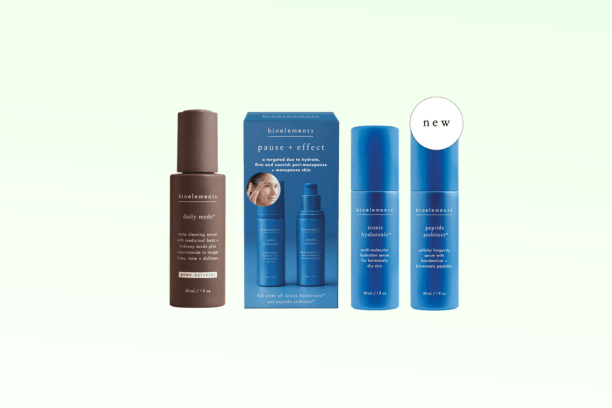 Bioelements is a professional skincare brand developed with a strong focus on customization and targeted support.
The brand claims to support areas such as aging, acne, dryness, sensitivity, and uneven skin tone. Its approach emphasizes customization, with products and professional formulations that could suit different skin needs.
In this review, you will explore Bioelement’s product offerings and what sets it apart in terms of formulation and customization. We will also explore where it may fall short depending on your expectations, and how real users respond to its products based on available consumer feedback.
About Bioelements
Founded in 1991, Bioelements is known for making clinical formulas used in both spas and at-home routines. It follows a balance of science and nature approach, combining lab-innovated ingredients with naturally derived components that could support skin health.
The brand covers different skincare categories personalized to different skin types and concerns. You can find cleansers, toners, moisturizers, serums, exfoliators, masks, and targeted treatments within its lineup. It also includes specialized options such as acne-focused formulas, multi-molecular hyaluronic hydration serums for hormonally dry skin, and firming options powered by biomimetic mini-proteins and peptides. For simplified routines, the brand offers sets and kits, including 3-step starter systems curated by skin type.
As per the official site, you can use skin quizzes to identify suitable products. Through its Skin Journal, ingredient glossary, and esthetician-led guidance, you get insights into topics like skin aging, biotechnology in skincare, and routine building.
Bestsellers
-
Firmwear
Firmwear serum is intended to improve the appearance of skin firmness, elasticity, texture, and fine lines. The formulation consists of oligopeptide-1, which may aid in growth factor receptors involved in collagen, elastin, and hyaluronic acid production. These structural components are essential for maintaining skin density and firmness, and their stimulation may contribute to improved skin resilience and reduced appearance of expression lines.
Myristoyl nonapeptide-3, referred to as a retinopeptide, is also included and may provide effects similar to retinoic acid. It could increase cell turnover and collagen synthesis, which may help improve skin texture and reduce fine lines. The makers have also added bakuchiol, which may provide antioxidant activity and support improvements in fine lines, elasticity, and skin tone.
-
Iconic Hyaluronic
Iconic Hyaluronic may replenish moisture, improve skin barrier function, and reduce the feeling of dryness and tightness, particularly in skin affected by dehydration related to hormonal changes. According to the brand, the product may deliver moisture while supporting skin softness, elasticity, and comfort.
The product contains a multi-molecular hyaluronic acid combination that supports skin hydration. Hyaluronic acid can bind water within the skin, which may contribute to a plumper appearance and reduction in the visibility of fine lines associated with dehydration.
Poria cocos polysaccharide combined with gluconolactone is also highlighted as a key component and may support hydration and skin structure. Poria cocos could potentially target dermal structures affected by hormonal changes, while gluconolactone, a polyhydroxy acid (PHA), may provide mild exfoliation and antioxidant support.
According to the website, the makers have also added Sepitonic M3.0 complex, which may support skin vitality by contributing to cellular energy processes and protecting against oxidative stress. It contains copper, zinc, and magnesium, which are associated with enzymatic functions in the skin.
-
Peptide architect
Peptide Architect may improve skin firmness, elasticity, hydration, and the appearance of fine lines by targeting collagen loss and barrier function. Its formulation centers on trifluoroacetyl tripeptide-2, which helps in targeting collagen degradation associated with aging and hormonal shifts. This peptide may influence cellular processes related to collagen maintenance and cell longevity, potentially helping to reduce the appearance of sagging and fine lines over time.
The makers have also added sr-hydrozoan polypeptide-1 as a bioidentical marine collagen peptide to support skin firmness and elasticity by contributing to collagen-related pathways. It could also cause improved hydration, which may enhance skin plumpness and reduce the visibility of fine lines.
Omega-rich botanical oils in Peptide Architect may support the skin barrier by supplying essential fatty acids. These oils can help reduce transepidermal water loss and improve moisture retention, which may contribute to smoother and more resilient skin.
-
Vc10 Dark spot solution
Vc10 dark spot solution intends to reduce the appearance of dark spots, discoloration, and uneven skin tone by focusing on pigmentation and oxidative stress. The product may improve hyperpigmentation caused by sun exposure, aging, or post-acne marks through a combination of vitamin C derivatives and pigment-regulating ingredients.
The product consists of a 10% triple-sourced vitamin C complex, which includes sodium ascorbyl phosphate, ascorbyl glucoside, and acerola cherry. They function as antioxidants and neutralize free radicals while also influencing melanin production. Vitamin C may contribute to a brighter and more even skin tone over time by targeting oxidative stress and pigment formation.
Niacinamide at 3% is added to the formulation to potentially regulate pigment transfer within the skin. It is associated with reducing the appearance of hyperpigmentation by interfering with how melanin is distributed to skin cells, which may lead to a more even complexion. It could also support the skin barrier and reduce visible redness.
The formulators also include tranexamic acid, which may help reduce the appearance of persistent discoloration such as melasma or post-inflammatory hyperpigmentation by interfering with signaling processes involved in pigment formation.
-
Daily meds
Daily Meds serum could clear breakouts, improve skin texture, and address uneven tone and dullness through exfoliating acids and skin-conditioning ingredients. The formulation is centered on 2% salicylic acid, which helps dissolve excess sebum and debris within pores, and may reduce the formation of blackheads, whiteheads, and active breakouts.
Glycolic acid is also included as a secondary exfoliating component and may act on the surface of the skin by loosening the bonds between dead skin cells. This might improve skin texture, reduce roughness, and support a more even appearance by promoting the removal of surface buildup. The makers also included Niacinamide, which may support skin barrier function while improving the appearance of uneven tone, enlarged pores, and dullness.
-
Peel breaker
Peel Breaker may help reduce pore congestion, smooth skin texture, and improve clarity. It is positioned as a liquid exfoliator that may help break down pore-clogging oils and dead skin cells while maintaining skin comfort. The formulation has salicylic acid, which functions as a beta-hydroxy acid that may help reduce the formation of blackheads and whiteheads.
The formulators have also included gluconolactone as a polyhydroxy acid (PHA), which provides exfoliation. This may help dissolve surface dead skin cells, improve texture, and support hydration due to its humectant properties.
-
Pore Thing
Pore Thing may clear clogged pores, reduce excess oil, and improve skin texture through a combination of exfoliating and clarifying ingredients. The formulation’s salicylic acid content may help dissolve excess sebum and debris.
The makers have also added azelaic acid, which could provide mild exfoliation by dissolving the bonds between dead skin cells while also contributing to improved skin tone. It is commonly associated with reducing the appearance of redness and uneven pigmentation.
-
Spot Defy
Spot Defy might reduce active breakouts, absorb excess oil, and also help manage the appearance of blemishes. The makers have added colloidal sulfur as the key active ingredient. Sulfur is commonly used in acne concerns due to its ability to reduce excess sebum and create an environment less favorable for acne-causing bacteria. It may also help promote mild exfoliation by loosening dead skin cells, which can contribute to unclogging pores and reducing the size and visibility of blemishes.
Bentonite and kaolin clays are also included and may help absorb oil and draw out impurities from the skin. The product also contains niacinamide to potentially support the skin barrier while improving the appearance of redness, uneven tone, and post-acne marks.
Pros
- Professional-grade skincare formulations.
- Targets multiple skin concerns.
- Focus on personalized skincare options.
- Cruelty-free approach.
Cons
- Received mixed reviews on value for money.
- Not minimalistic, routine-friendly.
Bioelements Advantages
-
Longstanding Industry Heritage
As per the official site, Bioelements was founded in 1991 by Barbara Salomone, an early licensed esthetician who began her career in 1978. This foundation anchors the brand’s longstanding industry heritage, built over 35+ years through continuous evolution from basic spa formulations to more advanced, treatment-oriented products like Age Activist serums.
The brand has maintained strong ties to the professional skincare ecosystem, with widespread use in spas and distribution through channels such as SalonCentric. Rather than following short-term trends, it has developed its portfolio through iterative refinement based on esthetician practice and real-world outcomes. This means you are choosing products grounded in decades of professional experience and ongoing spa-based feedback. This can result in more consistent and predictable performance across common concerns like dryness, sensitivity, or aging, reducing reliance on trial-and-error. The brand’s longevity also adds a layer of trust, especially if you prefer skincare that has been tested and refined in practical, real-world settings.
-
Personalized Skincare System
Bioelements is built around its professional SkinReading® diagnostic method. This goes beyond basic skin typing to assess factors like texture, hydration, tone, and underlying stressors such as environment or lifestyle. The diagnostic-first approach feeds directly into its in-spa Custom Blend methodology, where estheticians combine foundational base formulas with targeted boosters to address specific, real-time concerns like congestion, sensitivity, or dullness. It also highlights digital tools like the Skin Quiz and Product Finder, which translate professional assessment frameworks into guided at-home routine recommendations, maintaining consistency between clinical formulas and daily care. This means your skincare routine is more likely to be personalized to your actual skin concern rather than based on guesswork or generic categories.
Bioelements Limitations
-
R & D Bottlenecks
Bioelements develops bioactive skincare formulations that combine botanical extracts with mineral‑based components, but this approach faces R&D constraints due to fragmentation across life‑science research.
Scientific literature shows that plant‑derived actives and mineral‑based components are often studied in largely separate domains within biology, chemistry, and dermatology‑focused cosmetic science. This limits the ability to build a unified mechanistic understanding of how these different actives interact within living skin. It also requires multiple layers of analytical validation, including stability testing, compatibility assessments, and both preclinical and clinical evaluation across disciplines. Cross‑domain validation becomes necessary to ensure that combined ingredients do not adversely interact and that their effects remain measurable, reproducible, and consistent across batches. This increases the technical burden compared with single‑pathway, single‑mechanism formulations.
Producing clear, unified evidence for multifactorial claims, such as anti‑aging or skin‑barrier repair, becomes more difficult, as these outcomes depend on multiple interacting mechanisms.
-
Regulatory Compliance Barriers
Bioelements highlights a multi-component formulation strategy, which blends botanical extracts, mineral-derived ingredients, and chemically synthesized actives within single products. Global regulatory frameworks, such as U.S. FDA cosmetic/OTC guidelines and EU cosmetic regulations, tend to evaluate these ingredient classes separately, each with distinct safety thresholds, permitted uses, and labeling requirements. When Bioelements combines these into unified formulations, compliance becomes more complex, requiring alignment across multiple overlapping regulatory standards. This means even if a brand’s product targets multiple concerns, like hydration, barrier repair, and anti-aging, the way its effects are communicated is often constrained by what can be clearly substantiated under regulatory standards.
Alternatives To Bioelements
-
Sanitas Skincare
Sanitas features categories such as aging and fine lines, dryness, oily or blemish-prone skin, and targeted areas like dark circles and night care. At the same time, the brand lets you shop by ingredient, with options like vitamin C, hyaluronic acid, ceramides, glycolic acid, niacinamide, peptides, and retinol prominently listed. On the other hand, Bioelement guides you through skin type-based navigation supported by skin quizzes and spa recommendations, making the process feel more routine-oriented rather than ingredient-driven.
The difference becomes more apparent when you look at how their product ranges are presented. Sanitas offers a comprehensive lineup that includes cleansers and scrubs, serums, moisturizers and mists, masks, exfoliants, toners, and body care. Its specific products, such as the Vita C Serum, PeptiDerm Firming Serum, and Brightening Peel Pads, reflect a focus on targeted formulas with clearly defined functions. Meanwhile, Bioelements also covers a wide range but frames its products as part of cohesive systems, with recognizable names like Sleepwear, Age Activist Clinical Youth Serum, and Barrier Fix Daily Hydrator. This creates a more routine-focused experience where products are often positioned as part of a complete skincare routine.
Ingredient communication is another clear point of difference. Sanitas places strong emphasis on clinically recognized actives, making it easier for you to identify what each product is built around. You see this in offerings like GlycoSolution 5 percent, Hyaluronic Concentrate, and Vitamin C Moisturizer, where the ingredient itself plays a central role in product identity. Bioelements, while still combining ingredients like peptides and vitamin C in products such as Peptide Architect and VC10 Dark Spot Solution, focuses more on the result, such as hydration, brightening, or firming, rather than highlighting ingredient categories upfront. In terms of formulation and production, Sanitas highlights that all its products are formulated, manufactured, and distributed from its headquarters in Boulder County, Colorado. On the other hand, Bioelements emphasizes a different strength by highlighting clinical evaluation, responsible testing, and its connection to professional spa environments. The presence of features like a spa locator and professional site access supports its positioning within esthetician-led skincare rather than a purely direct-to-consumer model.
Sanitas gives you a more ingredient-focused, customizable approach with transparency in formulation. Meanwhile, Bioelements provides a structured, professional skincare system built around routines, clinical backing, and spa integration.
-
Revision Skincare
Revision Skincare and Bioelements differ in how they structure their formulations, product ranges, and support skin goals, even though both operate in the professional skincare space.
As per its official website, Revision Skincare centers its approach on long-term skin longevity, focusing on how your skin functions at a biological level. Its philosophy highlights working with the skin’s natural regenerative ability by reawakening cellular energy, reconnecting skin communication, and maintaining the microbiome and pH balance. Bioelements, in comparison, leans more toward a results-driven approach, offering products that may address visible concerns like acne, pores, dehydration, and uneven tone through its Spot Defy, Pore Thing, and vc10 dark spot solution.
The difference also shows in how each brand uses ingredients. Revision Skincare emphasizes high-performance, bioavailable actives like Vitamin C (THD Ascorbate), hyaluronic acid, and retinol, often combined with peptides and microbiome-supporting technologies. Products like C+ Correcting Complex 30%® focus on brightening, collagen support, and smoothing fine lines, while D·E·J Daily Boosting Serum® is designed to energize skin at the dermal-epidermal junction for long-term firmness and resilience. Bioelements, on the other hand, uses similar ingredient categories such as peptides, hyaluronic acid, and exfoliating acids, but applies them in a more segmented way. For example, its Peptide Architect focuses on firming, and products like Peel Breaker and Quick Refiner address exfoliation, allowing you to tackle concerns individually instead of relying on multi-pathway formulations.
Their product portfolios further highlight this contrast. Revision Skincare offers cleansers, moisturizers, and sunscreens with multifunctional products designed to work together in layered routines. Its lineup includes targeted yet comprehensive options such as Intellishade® Original and Nectifirm® Advanced, which uses microbiome technology to improve neck firmness and texture. On the other hand, Bioelements provides a broader catalog of nearly 40 products, covering cleansers like Flash Foam Cleanser, moisturizers such as Crucial Moisture and Absolute Moisture, and specialized options like Oxygen Boost Barrier Treatment and Sleepwear. This wider range gives you more flexibility to build a routine step by step based on specific concerns.
Revision Skincare takes a more science-driven and longevity-focused approach with fewer but multifunctional products designed to support skin at multiple levels over time. Meanwhile, Bioelements provides a wider and more flexible range of targeted options that let you address specific concerns individually.
How Did We Evaluate?
-
Brand Reputation
To understand the brand reliability of Bioelements, we looked for platforms like BBB, Tenereteam, Reviews.io, Sitejabber, Thingtesting, and Reddit. The brand appears to have a limited presence on these platforms but has some discussion on Reddit. The discussions also appear to be limited and have reflected mixed but generally moderate feedback. Some users indicate perceptions around positioning or professional use rather than retail performance.
Others have reported satisfactory experiences with certain products, particularly masks and cleansers. Recurring themes have included variability in perceived effectiveness and positioning rather than widespread product quality concerns.
Due to limited visibility of detailed review records, it has been difficult to identify consistent patterns in formal grievances such as shipping, billing, or customer service disputes. The lack of comprehensive information on various platforms has also made it challenging to understand the overall brand reputation.
-
Real User Experiences
We evaluated user experiences for Bioelements by reviewing publicly available customer feedback from Amazon. Its offerings, including Peptide Architect and Daily Meds, hold ratings of 4.9 out of 5 from 10+ reviews each. These products are often described as effective for improving skin texture and supporting hydration or skin clarity when used consistently. Users frequently mention that the formulas feel lightweight and integrate well into existing routines without heaviness or residue.
Pore Thing has a lower rating of 4.2 out of 5 from around 14+ reviews, showing slightly more mixed experiences, with some noting benefits for managing pores and oil while others report less noticeable results. Common experiences shared across the products include ease of application, compatibility with daily skincare routines, and gradual improvements in skin appearance over time. Unfavorable experiences appear to be relatively limited but include mentions of inconsistent results, particularly for pore-related concerns, and occasional uncertainty about whether the products justify their price.
Frequently Asked Questions
- Does Bioelements support anti-aging skincare routines?
The brand supports anti-aging routines through targeted products like Age Activist Clinical Youth Serum and Firmwear. These formulas include ingredients such as retinol, bakuchiol, and vitamin C, which may help improve firmness, barrier function, and the appearance of fine lines over time. - Are Bioelements products used for dry skin concerns?
The brand offers products for dry and extremely dry skin, including Moisture Positive Cleanser, Crucial Moisture, and Really Rich Moisture. These formulas use ingredients like ceramides, squalane, and shea butter to support hydration and help maintain the skin barrier. - Does Bioelements offer travel-friendly sizes?
Yes. The brand offers travel-friendly options such as 3-Step Starter Sets personalized to skin types, along with trial sizes (around 1 oz or 0.25 oz). Some portable tools like the De-Puff Eye Roller are also designed for on-the-go use.
Final Words
Bioelements focuses on customization and layered routines. You build your routine based on your skin’s needs using ingredients like hyaluronic acid for hydration, peptides that support skin structure, and exfoliating acids such as AHAs and BHAs that help remove dead skin cells. This reflects the brand’s focus on creating a routine that works through multiple steps instead of relying on a single product.
At the same time, using multiple ingredients and products together can make it harder for you to figure out what is actually working. Ingredients like peptides and acids can be effective, but their results depend on how they are formulated and how they interact with other ingredients. Layering several active products may also increase the risk of irritation or damage to your skin barrier if not used carefully. The brand’s system-driven routine often requires using several products at once, which can make it more expensive and time-consuming.
If you prefer a structured routine with multiple targeted steps, this approach may work for you. However, it’s important that you watch ingredient overlap, introduce new products slowly, and pay attention to how your skin reacts.

Rachel has been a freelance medical writer for more than 18 years. She graduated from the University of Tennessee at Knoxville in 2005 and is currently practicing as a Certified Registered Nurse Anesthetist at a Level I trauma center.
Leave a Reply