

No products in the cart.
Contents
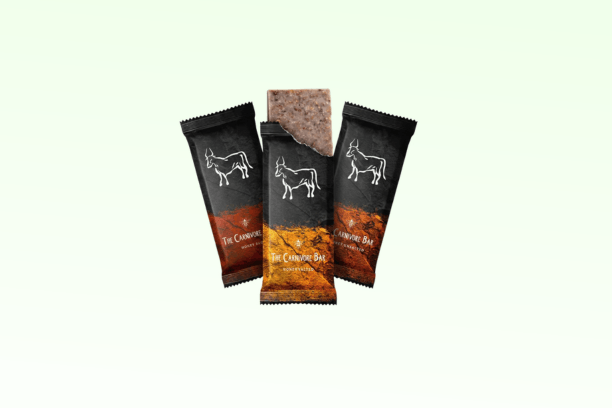 Carnivore Bar focuses on animal-based, ready-to-eat products designed for simplicity and convenience. Its core offering revolves around meat-based bars that function as portable meal options.
The brand states that its products are particularly suited if you are following low-carbohydrate or carnivore-style eating patterns. It offers a focused lineup that prioritizes convenience, minimal processing, and animal-based nutrition.
In this review, we will explore Carnivore Bar’s core offerings in detail, along with its key advantages and limitations based on formulation, positioning, and usability. You will also get a closer look at consumer feedback to understand how these products perform in real-world use.
About Carnivore Bar
Carnivore Bar claims that its products are personalized for carnivore, keto, paleo, and ancestral diet communities. It centers its entire offering around meat-based bars designed to function as complete meals rather than snack-style protein bars.
As per the official website, the brand emphasizes a minimal ingredient approach. It uses grass-fed, grass-finished beef sourced from regenerative American ranches, beef tallow for fat content, Redmond mineral salt, and optional additions like raw honey and spices, depending on the variant.
The brand builds its identity around ancestral living and nutritional simplicity, promoting formulations free from seed oils, fillers, preservatives, and added sugars. It also combines subscription-based purchasing for repeat consumption and maintains a narrow product portfolio centered almost entirely on meat-based meal replacement bars.
Offerings
-
Carnivore Bars
Carnivore Bars consist of meat-based bars made primarily from grass-finished beef, beef tallow, and mineral salt, with some variants including honey and spices. The formulation is built on grass-finished beef, beef tallow, and mineral salt, with optional inclusion of raw honey in some variants. The dehydration of beef preserves its protein structure, which may provide a concentrated amino acid source. These amino acids, including essential and branched-chain amino acids, may support muscle protein turnover and tissue maintenance.
In honey-containing options, carbohydrate (approximately 7 g per bar) introduces glucose and fructose, which are absorbed via intestinal transporters and can provide a rapid, glycolytic energy source. This may provide fat for sustained energy and carbohydrate for immediate availability.
The makers have added mineral salt to the bars, which contributes to electrolyte intake and flavor, while certain variations incorporate additional elements. For example, honey salted and honey BBQ add carbohydrates, which may slightly alter energy delivery and taste compared to zero-carbohydrate options. Other flavors, including zesty garlic and apple pie, have spices to modify taste without substantially altering the nutritional structure.
The low-moisture preparation contributes to shelf stability, which may allow storage without refrigeration for extended periods. This could make the product suitable for travel or situations where perishable food is less practical.
Carnivore Bar Advantages
-
Minimalist Nutrition Brand Identity
Carnivore Bar positions itself around simplicity, using a short ingredient list and avoiding complex formulations. The company emphasizes that its products are built on core animal-based ingredients rather than layered or highly engineered blends.
It states that its bars contain no fillers, seed oils, or synthetic additives. Some variants include small additions like honey or seasoning blends, but these are presented as minor enhancements rather than a move toward more complex recipes.
The brand also highlights a straightforward nutrition profile, centered on high fat, moderate protein, and low to zero carbohydrates in its core offerings. Instead of relying on added vitamins or engineered nutrient mixes, it focuses on delivering energy through whole-food-style animal sources. It means you can assess the product more directly, especially if you prefer simple, animal-based options without extensive formulation complexity.
-
Ancestral Nutrition Brand Philosophy
Carnivore Bar frames its philosophy around ancestral eating, which it defines as an animal-based approach focused on fatty cuts of meat with little to no plant-based inputs. The brand presents this as a return to simpler dietary patterns rather than modern, highly processed food systems.
It positions its product as pemmican perfected and an original survival food, describing it as a modern interpretation of pre-industrial nutrition practices. This framing connects the brand to historical eating patterns that existed before contemporary processed diets became widespread.
The company references pemmican, a traditional food used by Indigenous groups in North America, including the Cree. It explains that pemmican combined dried meat and rendered fat to deliver calorie-dense, long-lasting energy during travel and harsh seasonal conditions, and states that its bars replicate this concept in a more convenient format.
Carnivore Bar also aligns its sourcing with this ancestral narrative by using regeneratively raised, grass-finished beef, including partnerships such as Joyce Farms in North Carolina. It presents this approach as supportive of soil health and animal welfare, while contrasting it with industrial farming practices.
The brand suggests that this pemmican-based framework simplifies product evaluation. With a clear, traditional structure and minimal reliance on additives or complex formulations, you can assess the product more directly, especially if you prefer straightforward, animal-based options.
-
Emergency Nutrition Brand Positioning
Carnivore Bar positions its product as a long-term emergency food, emphasizing durability and extended storage. The brand claims a shelf life of up to 25 years, attributing this to low moisture levels that may help reduce spoilage, and states that third-party testing supports this stability.
It also highlights convenience, noting that the bars require no refrigeration, cooking, or preparation. According to its messaging, you can store and use them across a range of conditions, which the brand links to scenarios like travel, outdoor use, or resource-limited environments. The brand further claims that its animal-fat-based formulation may offer a longer shelf life compared to many plant-based bars, using this comparison to support its preparedness-focused positioning. It suggests that you can rely on it in situations where access to fresh or cooked food is limited by emphasizing long storage, minimal preparation, and portability.
Carnivore Bar Limitation
-
Restricted Cross‑Cultural Dietary Relevance
Carnivore Bar follows a strictly animal-based approach, with its core products built around beef and rendered animal fat. This narrow format can limit how well the product aligns with diverse global eating patterns, particularly in regions where diets are more varied or plant-inclusive.
Cultural and religious considerations further affect its relevance. Many people follow vegetarian or plant-forward diets, while others adhere to halal or kosher guidelines. Without clear certification, the product may not meet these requirements from a consumer acceptance standpoint. Some areas show a lower preference for red meat, which can further reduce its appeal across different populations.
The brand’s product format also differs from typical snack expectations. In many cultures, snacks include a mix of flavors, textures, and food groups, often reflecting local tastes and traditions. A single-focus, beef-based bar does not naturally align with these patterns, making it less familiar compared to more diverse snack options.
Pros
- Minimal ingredient formulation.
- Keto-friendly macronutrient profile.
- Regenerative farming emphasis.
- Travel-friendly product design.
Cons
- High price is frequently criticized in independent reviews.
- Limited flavor range perception.
Carnivore Bar Alternatives
-
Lineage Provisions
Lineage Provisions and Carnivore Bar both operate within the animal-based nutrition space, but they differ significantly in how they structure their offerings and define their purpose. As per its official website, Lineage Provisions functions as a multi-category brand, offering products such as animal-based complete protein powders, grass-fed nose-to-tail collagen, micronized creatine monohydrate, and a variety of meat-based snacks. It also extends into raw organic honey, beef tallow for cooking, and mold-tested coffee. On the other hand, Carnivore Bar is built around a single-product ecosystem, centered on its pemmican-style bar made from grass-fed beef, tallow, and salt, with variations like honey salted, honey BBQ, zesty garlic, and apple pie. It also offers bulk formats such as 6-packs, 24-packs, and a 50-bar ammo box designed for long-term storage.
As per their positioning, Lineage Provisions emphasizes nutrient density with functional variety, offering products that support daily protein intake, recovery, and general wellness. Its protein bar is positioned as a lighter option with under 200 calories and 20g of grass-fed protein, while powders and sticks are designed for repeat use throughout the day. Meanwhile, Carnivore Bar takes a different approach by offering bars that deliver a high-fat, calorie-dense meal replacement, with each bar providing 400 to 420 calories, 35g of fat, and 20g of protein.
Ingredient philosophy further highlights the contrast. Lineage Provisions promotes real-food formulations, including honey-sweetened products, flavored protein powders, and blended products that combine multiple functional ingredients. The brand emphasizes 100% grass-fed and finished beef and organs, avoids seed oils, and incorporates nose-to-tail nutrition concepts. Meanwhile, Carnivore Bar follows a stricter minimalist model, which includes grass-finished beef, beef tallow, and Redmond mineral salt, with raw honey added only in select variants. This highlights Lineage’s formulated and diversified product range and Carnivore Bar’s simplicity and single-focus formulation.
The way both brands process and deliver their products also differs. Lineage Provisions uses a variety of formats, such as powders, capsules, snack sticks, protein bars, and air-dried meat to support flexibility in daily routines. It offers bundles like the Clean Power Trio that combine collagen, creatine, and protein for structured supplementation. On the other hand, Carnivore Bar relies on a traditional pemmican preparation method, where meat and fat are combined and preserved without moisture. The brand highlights that its every bar is ready to eat immediately, requires no preparation, and is designed for portability in situations like travel, outdoor activity, or emergencies.
Sourcing and quality assurance are important for both brands, but they communicate these aspects differently. Lineage Provisions highlights rigorous third-party testing, screening products for over 300 to 390 contaminants, including heavy metals, glyphosate, pesticides, and mycotoxins. It emphasizes sourcing from small family farms and maintaining transparency in ingredient quality. On the other hand, Carnivore Bar also uses regeneratively raised, American-sourced grass-fed beef, but places less emphasis on lab testing and more on ingredient transparency through simplicity.
As per its official website, Lineage Provisions provides a diversified, formulation-driven approach that combines into everyday nutrition and supplementation. Meanwhile, Carnivore Bar focuses on a single, highly specialized product designed for maximum simplicity, caloric density, and long-term storage without compromise.
-
Carnivore Snax
Carnivore Snax and Carnivore Bar both operate within the animal-based food category, but they differ significantly in how they structure their products and define their use cases.
As per its official website, Carnivore Snax is built around snack-style consumption, offering meat chips made from specific cuts such as ribeye, brisket, pork loin, and New York strip. It also features options like lamb, eye of round, and chicken sliders.
The brand states that its products are positioned as crispy and airy, designed to melt in your mouth, with each 5-oz bag delivering roughly 1 lb of meat. It emphasizes portability and frequent use, supported by features like a mobile app, subscription savings, and free U.S. shipping on orders above $125. On the other hand, Carnivore Bar is structured around a meal-replacement format, offering 2-oz bars that deliver around 400 to 420 calories each, available in bundles intended for long-term supply.
The ingredient composition highlights another key difference in formulation strategy. Carnivore Snax limits its products to just two ingredients, meat and salt, using Redmond’s Real Salt while preserving the natural marbling of each cut. Its production involves a two-step process that takes longer than typical jerky preparation, allowing the product to remain nutrient-dense while achieving a light and airy texture. Meanwhile, Carnivore Bar also promotes simplicity but expands to three core ingredients, including grass-finished beef, beef tallow, and salt, with optional additions like raw honey and spices in variants such as honey BBQ, honey salted, zesty garlic, and apple pie. The addition of tallow enables a deliberate high-fat composition, rather than relying on the natural fat variation found in whole cuts.
Shelf life and intended use cases also differ significantly. Carnivore Bar states that its products are designed for long-term durability, offering a shelf life of over 25 years with no need for refrigeration, cooking, or water. It is positioned for scenarios such as travel, emergency preparedness, and military-style rations where consistent caloric intake is required. Meanwhile, Carnivore Snax, while shelf-stable and portable, does not emphasize extreme longevity. Instead, it is positioned for everyday use, supported by messaging around meat on the go, convenience, and frequent consumption rather than storage or survival scenarios.
According to their official website, the pricing structure introduces another clear contrast. Carnivore Snax offers individual bags typically priced between $29.97 and $39.97, depending on the cut, with ribeye and New York strip on the higher end and pork loin on the lower end. This allows flexible, single-product purchases based on preference. In comparison, Carnivore Bar highlights that its products are priced around $95 for a 6-pack, with larger bundles such as 24-packs offering better per-unit value and a 50-bar ammo box priced around $700. This shifts the purchasing model toward bulk buying and longer-term use rather than occasional snacking.
Carnivore Snax prioritizes variety, texture, and snack convenience through whole-cut meat products designed for frequent and casual consumption. On the other hand, Carnivore Bar focuses on consistency, caloric density, and long-term usability, offering a standardized, high-fat bar designed to function as a complete meal.
How Did We Evaluate?
-
Brand Reputation
To assess Carnivore Bar’s brand reputation, we reviewed several platforms, including BBB, ConsumerAffairs, Thingtesting, Trustpilot, Tenereteam, and Reviews.io. However, we did not find verified or active listings for the brand on these platforms. This limited visibility across widely recognized channels restricts access to aggregated ratings, formal complaint records, and independently documented customer experiences, making third-party validation difficult. The low volume of reviews and minimal presence across major platforms make it challenging to form a comprehensive and well-rounded assessment of the brand’s reputation.
-
Real User Experiences
We evaluated the brand using publicly available user discussions and reviews from Reddit. Honey Salted Carnivore Bar is described as rich and buttery because of its high fat content, with small crunchy bits from honey and salt adding some variation. The flavor was characterized as a mix of beef, fat, salt, and light sweetness. At the same time, pricing came up repeatedly across user discussions as a major concern. Multiple users pointed out that the bars felt expensive for the portion size, especially when compared to buying whole cuts of meat like ribeye. Some also framed the product as difficult to justify for everyday use, even if the quality is acceptable.
There were also mixed reactions to the product’s usability and purpose. Some users emphasized that the brand’s offering serves a specific role as a convenient, shelf-stable option for travel, hiking, or situations where cooking meat is not practical. Others, however, questioned whether that convenience offsets the cost and portion size.
Taste and texture received a mixed response as well. While a few users appreciated the dense, fatty consistency and found it filling, others described the texture as unusual or difficult to enjoy, particularly at room temperature.
There were also some users noting that the honey version may not fully align with strict carnivore expectations due to its small carbohydrate content, which some users viewed as a concern.
Frequently Asked Questions
- Does Carnivore Bar offer options without sweeteners like honey?
The brand offers unsweetened options like Original Salted, No Salt, and Zesty Garlic, which contain no honey or artificial sweeteners. It states that these zero-carb, pemmican-style bars are made from grass-finished beef and tallow, aligning with strict carnivore diet preferences. - Can Carnivore Bar products be used for high-protein diets?
The brand highlights that its products can be used for high-protein diets, offering around 20g of protein and 35g of fat per bar. Made from grass-finished beef and tallow, it states to follow a ribeye-like macronutrient profile suited for ketogenic eating. - Can Carnivore Bar support endurance training?
Conditionally. The brand provides bars that have high-fat and low-carb (~35g fat, 20g protein) content that can support steady energy for fat-adapted endurance athletes. However, they lack carbohydrates, making them less effective for athletes relying on glycogen during higher-intensity efforts or mixed training.
Conclusion
Carnivore Bar centers on a highly specific approach to animal-based nutrition, offering a single-format product designed as a portable, calorie-dense meal. However, the brand’s same formulation introduces some limitations. A strict reliance on animal-based ingredients excludes dietary fiber and plant-derived compounds, which may affect overall dietary balance if used frequently.
The beef-centric format also limits compatibility with different dietary preferences. Limited flavor variety and relatively higher pricing may also influence repeat use over time. When considering Carnivore Bar, assess the dietary diversity, portion control due to high caloric density, and individual tolerance to high-fat foods. While shelf-stable, maintaining appropriate storage conditions can help preserve product quality. The brand offers a focused, purpose-driven product built around simplicity, shelf stability, and animal-based nutrition. Its suitability depends on how well its narrow formulation aligns with personal dietary preferences, nutritional priorities, and expectations around variety and cost.

Rachel has been a freelance medical writer for more than 18 years. She graduated from the University of Tennessee at Knoxville in 2005 and is currently practicing as a Certified Registered Nurse Anesthetist at a Level I trauma center.
Leave a Reply