

No products in the cart.
Contents
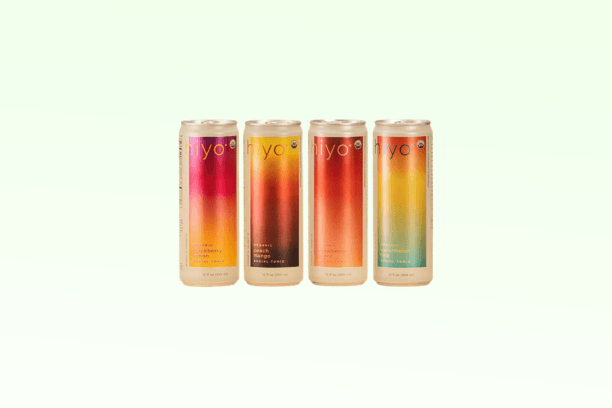 Hiyo offers sparkling, ready-to-drink options designed to help you stay relaxed and present while enjoying social moments. It focuses on providing a balanced experience that fits into social settings. The brand’s lineup includes flavored sparkling options made with a blend of adaptogens, nootropics, and botanicals. It claims that its drinks can support better mood, stress response, and mental clarity.
In this review, we will explore Hiyo’s offerings and what sets the brand apart. We will also evaluate where it may fall short, and how consumers describe their experiences with its products.
About Hiyo
As per the official website, Hiyo operates in the functional space, offering organic, ready-to-drink tonics. Its formulas include ingredients like ashwagandha, lion’s mane, L-theanine, lemon balm, passion flower, and ginger. The brand highlights a light, uplifting effect referred to as the float, which is intended to deliver a feel-good experience without alcohol.
Hiyo’s product range includes six fruit-forward flavors. You can choose single-flavor packs or variety options like the classic pack and tropical pack. The brand highlights that each can contains about 1.7 grams of functional ingredients, around 30 calories, and 0% alcohol. The drinks are also described as USDA-certified organic, non-GMO, gluten-free, and vegan.
The brand also offers different purchase formats, including 12-pack, 24-pack, and 48-pack options, along with a subscription model that allows flexible delivery schedules and savings. It includes a rewards system for repeat purchases and sells through both its website and retail stores such as Target, Whole Foods, Costco, and The Vitamin Shoppe.
Hiyo Offerings
-
Non-Alcoholic Drinks
The non-alcoholic drinks offered by the brand reflect its approach to creating functional, non-alcoholic options that focus on relaxation, cognitive balance, and everyday usability. Offered in variants such as Classic Pack, Tropical Pack, Blackberry Lemon, Passion Fruit Tangerine, Peach Mango, Strawberry Guava, Watermelon Lime, and Pineapple Coconut, the drinks are positioned as alternatives to alcohol that fit into social or evening routines without relying on intoxicating effects.
The formulations are built around a combination of adaptogens, nootropic compounds, and botanicals selected to support the body’s stress and nervous system responses. Ingredients such as ashwagandha and passion flower are included to potentially help with stress regulation and relaxation during periods of mental or physical demand.
The drinks also include L-theanine, which may help support a composed mental state by influencing neurotransmitter activity linked to relaxation and focus. The inclusion of lion’s mane mushroom in the products could aid nerve health and mental clarity.
These drinks also contain lemon balm, which may provide mild calming effects, potentially highlighting the brand’s focus on maintaining balance within the nervous system without significantly reducing alertness.
The brand’s non-alcoholic category aims to deliver a functional, non-alcoholic alternative that emphasizes subtle, supportive effects and ingredient-driven functionality, positioning the products as practical options for everyday use.
Hiyo Limitations
-
Limited Occasion-Based Positioning
Hiyo does not extend its positioning into everyday needs. It focuses on mindful unwinding and presents its offering as an alternative to alcohol. The brand states that its drinks are not designed for morning hydration, post-workout recovery, or consistent all-day use, and its messaging stays centered on specific social rituals rather than broader lifestyle integration. Due to this, you may find yourself reaching for it only in certain situations instead of combining it into your daily routine. This can limit repeat usage, making it feel more like an occasional choice rather than something you rely on regularly.
-
Subjective Float Effect Positioning
Hiyo builds its identity around the idea of float, using the term across its website, packaging, and messaging to describe a light, elevated, and relaxed state. While the concept is central to the brand, it does not have a recognized definition in nutrition science or functional products, and there are no clinical benchmarks or standardized ways to measure it.The brand’s formulas include ingredients like L-theanine, ashwagandha, and lion’s mane, but there is no clear evidence that this specific combination consistently produces a defined float effect. This means the experience can feel inconsistent. You might notice different effects each time, or in some cases, no noticeable change at all. This variability makes it harder for you to predict what you will feel, which can reduce your confidence in the products and make them less reliable.
Hiyo Alternatives
-
Heywell
Heywell and Hiyo operate within the same functional drink space, but they are built around different intentions and use cases. As per its official website, Heywell offers functional sparkling waters designed to support energy, hydration, immunity, focus, and stress support. On the other hand, Hiyo frames its offerings as a social tonic, created to replace traditional drinking experiences. It focuses less on broad daily wellness and more on helping you unwind, socialize, and enjoy a mood-lifting experience. This difference carries into how you are expected to use each product. Heywell highlights that its drinks are built for multiple moments, whether you are running low on energy, trying to stay hydrated, or looking to stay focused. Its lineup is segmented by function, with options like calm + hydrate sparkling lime, calm + restore blackberry ginger and green apple pineapple, energy + focus strawberry lemon, energy + hydrate lemon fizz, and energy + immunity grapefruit. It also includes energy + lift options like cherry limeade and orange mango, along with a mixed pack for variety. Hiyo, on the other hand, is more occasion-based. Its offerings revolve around flavor-forward options such as blackberry lemon, peach mango, strawberry guava, and passion fruit tangerine, along with curated packs. Instead of assigning different functions to each flavor, Hiyo provides a consistent functional base across all products, making it more about the experience than targeted outcomes.
The ingredient approach further highlights some differences. Heywell combines adaptogens, antioxidants, minerals, herbs, electrolytes, and organic caffeine. For example, it uses amla berry as a natural source of vitamin C, schisandra as an antioxidant that supports stress response and sustained concentration. It also combines lemon balm to calm frazzled nerves and L-theanine to promote tranquility while sharpening focus. Meanwhile, Hiyo takes a more focused formulation route centered on mood and mental clarity. It highlights that each can contains around 1.7 grams of functional ingredients, combining adaptogens, nootropics, and botanicals. Unlike Heywell, Hiyo does not highlight electrolytes or hydration support, and it does not position itself around caffeine-driven stimulation.
Caffeine content is also a point of separation. Heywell actively combines caffeine in its energy-focused variants, using organic green coffee beans to deliver a noticeable lift when you need it. This makes it suitable for daytime productivity, especially when paired with L-theanine to avoid overstimulation. Hiyo, in comparison, does not emphasize caffeine as a core feature. Its effects are positioned as gentle and calming rather than energizing, making it more aligned with evening use or moments when you want to relax.
As per their official website, Heywell functions as a versatile, daily-use option that combines hydration, energy, and stress support through a wide ingredient profile and clearly segmented product range. Meanwhile, Hiyo takes a more specialized approach, focusing on mood, relaxation, and social experiences with a consistent formulation designed to deliver a subtle lift.
-
Hop WTR
Hop WTR positions its offerings as a clean, hop-infused sparkling option with a strong emphasis on simplicity and variety. Its catalog includes a wide selection of flavors such as Blood Orange, Mango, Lime, Peach, Ruby Red Grapefruit, and Classic, alongside newer additions like Raspberry Iced Tea, Iced Tea & Lemonade, and Double Hopped. The brand also expands heavily into formats, offering standard 12-packs, larger bundles like Best Sellers 24-pack, and 36-pack bundles like Flavor Faves or OG Bundle. It also includes 16-oz tall boys like Black Cherry and Lemonade. On the other hand, Hiyo keeps its range more curated, with flavors such as blackberry lemon, peach mango, strawberry guava, watermelon lime, passion fruit tangerine, and pineapple coconut, along with structured packs.
The formulation approach shows a strong contrast between minimalism and functionality. Hop WTR emphasizes what it excludes, clearly stating that its products are non-alcoholic, non-GMO, vegan, sugar-free, and contain 0 calories. It also highlights packaging choices like BPA-free liners and fully recyclable cans, supporting a clean-label and lifestyle-friendly positioning. Hiyo, on the other hand, builds its identity around what it includes. It states that each can contains 1.7 grams of functional ingredients. Specific ingredients such as ashwagandha for stress support, L-theanine for focus, and ginger for digestion are clearly listed, making the product more complex and purpose-driven rather than minimal.
There is also a clear difference in how both brands approach pricing and value. Hop WTR follows a bundle-driven pricing model, where most 12-packs are priced around $36.99, and value increases with larger bundles like 24-packs and 36-packs that offer discounts. Hiyo, in comparison, prices its products at $44.99 for a 12-pack, which comes to about $3.19 per can, with better per-can value at higher quantities, such as $2.98 per can for a 24-pack and $2.77 per can for a 48-pack.
Product structure further reflects these differences. Hop WTR offers extensive bundle customization options such as Ultimate Flavor Bundle, Hopped Up Bundle, Party Pack, Month Supply, and Citrus-focused bundles, along with options like Build a Bundle and Amazon-exclusive packs. This creates a more flexible purchasing system centered on volume and variety. Hiyo maintains a more streamlined structure, focusing on fewer but more defined options like the classic mixed pack with three cans each of four flavors, and individual flavor packs. Hop WTR focuses on delivering a clean, zero-calorie, sugar-free option with a wide range of flavors, multiple formats, and strong bundle economics. Hiyo, meanwhile, builds a more ingredient-driven product that combines adaptogens and nootropics to create a specific mood-oriented experience.
Pros
- Highlights zero alcohol content (0% ABV) in its drinks.
- Claims low calorie per can (~30 calories)
- Claims to offer vegan-friendly formulations.
Cons
- Limited transparency on sourcing specifics.
- No detailed third-party testing visibility.
- Adaptogen interactions are not fully detailed.
How Did We Evaluate?
-
Brand Evaluation
Hiyo focuses on providing an alternative to alcohol, aiming to support relaxation, mood balance, and a more engaged social experience without intoxication.
To evaluate the brand, we reviewed its presence across multiple third-party platforms, including BBB, Tenereteam, Consumer Affairs, Reviews.io, and Yelp. At the time of writing, the brand was not listed on any of these platforms, indicating limited visibility in formal consumer feedback and complaint-tracking systems.
Additional insight comes from Thingtesting, where the brand has a rating of 3.4 out of 5 based on 70+ reviews, with users highlighting mixed experiences, where many report value, while others note less consistent or varied experiences.
-
User Experiences
We evaluated user experiences for Hiyo by analyzing customer reviews from Amazon to assess patterns in product performance, taste, usability, and satisfaction. Products such as Hiyo Organic Social Tonic hold a 4.0 out of 5 rating, which is based on 755+ ratings. Users highlight subtle taste, with many describing the rink as refreshing, lightly carbonated, and not overly sweet. However, pricing is a recurring concern, with multiple reviewers indicating the product is expensive relative to quantity. Functional effects show some users reporting a subtle calming sensation, while others note little to no noticeable effect.
The brand’s Organic Peach Functional Seltzer has a 4.5 out of 5 stars, which is from 49+ global ratings. Customers most frequently highlight taste and positioning with a mild energy or mood lift. However, some people shared experiencing adverse reactions, such as headaches and dissatisfaction with specific ingredients, including sweeteners. These user reviews suggest that Hiyo is positively received for its taste as a non-alcoholic drink alternative, while functional outcomes may vary across users.
Frequently Asked Questions
- Do Hiyo’s offerings provide immediate noticeable effects?
The brand claims that its offerings include adaptogens and nootropics aimed at relaxation and mood support. However, noticeable effects are generally subtle. Some people may experience a light float sensation, though the onset and intensity can vary depending on individual response. - Can Hiyo be consumed during workouts or active routines?
The brand offers functional seltzer with adaptogens and nootropics. While these support general hydration, it does do not position their offerings as a workout drink or provide specific guidance for active routines. - Does Hiyo offer caffeine-free options?
The brand highlights that its entire lineup is caffeine-free. It states its social tonics contain no caffeine and instead use organic L-theanine from decaffeinated green tea. This allows you to enjoy them without affecting sleep or adding stimulant-related effects.
Conclusion
Hiyo offers organic, low-calorie tonics in multiple flavors and formats, designed to support a light, relaxed experience without alcohol. While some ingredients included in the brand offerings have been studied individually for stress and relaxation, their effects depend on dosage and context, which are not clearly established in this format. At the same time, the brand’s concept is not scientifically defined, which makes the experience subjective and variable. This means consistency may also differ across people and usage occasions.
When considering Hiyo and its offerings, it is essential to consider ingredient sensitivity and cumulative intake. Combining adaptogens and calming compounds could affect people differently, especially with repeated use or alongside similar formulas. Compounds such as L-theanine and lemon balm may contribute to mild drowsiness depending on timing and tolerance. Hiyo claims to provide drinks that support your social experiences. However, limited transparency, lack of standardized outcomes, and variability in effects remain key constraints that may influence your experience with the brand.

Rachel has been a freelance medical writer for more than 18 years. She graduated from the University of Tennessee at Knoxville in 2005 and is currently practicing as a Certified Registered Nurse Anesthetist at a Level I trauma center.
Leave a Reply