

No products in the cart.
Contents
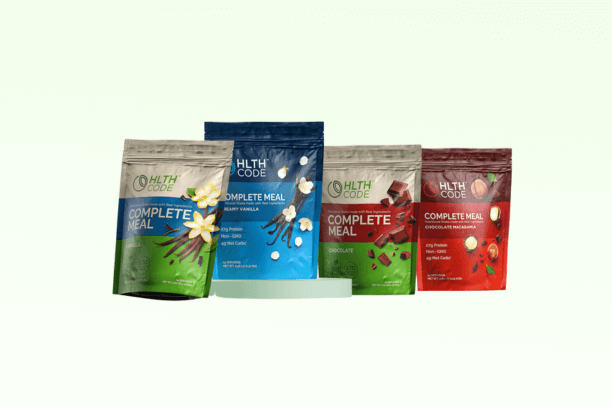
HLTH Code is centered on providing complete meal replacement options designed to simplify everyday nutrition. It offers both whey-based and plant-based versions in multiple flavors, along with complementary add-ons.
The brand states that its formulations are designed to address common challenges such as maintaining consistent energy, managing routines, and aiding in nutritional gaps that might happen due to busy schedules.
In this review, we will examine HLTH Code’s product range, assess the brand’s key advantages, outline potential limitations, and consider consumer feedback to provide a balanced perspective on how the brand fits into the broader meal replacement category.
About HLTH Code
As per the official website, HLTH Code focuses on balanced macronutrition, with a strong emphasis on low net carbohydrates, high-quality fats, and complete protein intake. The brand’s primary category is its Complete Meal Replacement shakes, which are available in two main formats such as Original and Plant-Based. The Original line includes flavors such as Chocolate Macadamia and Creamy Vanilla and uses a blend of whey protein concentrate, egg whites, and collagen.
The Plant-Based line offers Chocolate and Vanilla options formulated without animal-derived ingredients. Across both versions, the shakes are said to be low-glycemic, contain no added sugars, and provide a controlled balance of fats, protein, fiber, vitamins, and minerals to support satiety and steady energy levels.
In addition to its core shakes, HLTH Code covers a limited set of supporting product categories. These include Flavor Fusions for added variety, Berberine as a standalone metabolic-support formula, and practical accessories such as standard and premium Blender Bottles.
The brand also offers food storage options, supporting its focus on convenience and structured meal preparation. The brand claims to manufacture its offerings in the United States at a CGMP-certified, FDA-registered facility.
HLTH Code Offerings
-
15 Complete Meals
HLTH Code offers 15 complete meals per bag, formulated to function as a structured meal option. Its flavor options vary by formulation, with the Original version available in Chocolate Macadamia and Creamy Vanilla, and the Plant-Based version available in Chocolate and Vanilla.
In the Original formulation, each 2-scoop(79.5 grams) serving provides around 27 grams of protein, which is sourced from whey, egg whites, and hydrolyzed grass-fed collagen.
Whey protein has a high biological value and supplies essential amino acids that support muscle protein synthesis. Egg whites contribute to protein utilization, allowing efficient absorption and use by the body. Collagen peptides in these shakes supply amino acids such as glycine and proline, which are structurally important for connective tissues and may support joints, cartilage, and skin.
As per the official website, protein is paired with a 1:1 ratio of fats to protein, a balance associated with steady energy availability and metabolic signaling rather than rapid fluctuations.
The Plant-Based formulation also delivers 15 complete meals per bag and provides 14-27 grams of protein, depending on the serving size, which may range between 42-84 grams.
A proprietary mushroom mycelial fermentation process reduces anti-nutrients and improves amino acid availability, supporting higher protein digestibility and potentially reducing bloating compared to non-fermented plant protein blends. As with the Original version, protein is paired with a 1:1 ratio of fats to protein to support metabolic efficiency.
Fats in the Plant-Based version come from coconut, olive oil, avocado, MCT oil, flaxseed, and vegan cocoa butter, supplying a broad spectrum of fatty acids that support cellular energy production. Its fiber content may help slow carbohydrate absorption, support gut microbiota, and contribute to satiety through mechanical and hormonal pathways.
-
Berberine
As per the official site, Berberine may support metabolic and cardiovascular processes by promoting glucose regulation, lipid metabolism, and cellular energy production. It might support healthy blood sugar and glucose metabolism by aiding in insulin sensitivity and promoting more efficient use of circulating glucose.
The makers also added broccoli seed extract, which is included as a natural source of glucoraphanin, a precursor to sulforaphane. It might support cellular defense mechanisms, which may contribute to immune function and overall metabolic resilience. Turmeric in this Berberine formula provides curcumin, which i nfluences signaling molecules involved in inflammation and vascular function.
-
Flavor Fusions Variety 3pk
Flavor Fusions Variety can add flavor variety to your existing HLTH Code shake routine without changing the base nutritional structure of the shake itself. The bundle includes Cookies & Cream, Strawberry, and Salted Caramel, each providing 30 servings, allowing you to rotate flavors while keeping the same core meal replacement formula. These flavor blends are intended to be used alongside HLTH Code shakes, with the Vanilla version offering the most neutral base for flavor integration.
Flavor Fusions function as an add-in, modifying taste and aroma while keeping macronutrient ratios, protein sources, and functional ingredients of the original shake consistent.
HLTH Code Advantages
-
Metabolic Research-Backed Meals
HLTH Code states that its products are formulated by Dr. Benjamin Bikman, a metabolic scientist known for research and public education focused on insulin resistance, blood sugar regulation, and fat metabolism.
The brand positions its formulations as being informed by metabolic science concepts that prioritize how the body responds to macronutrients rather than relying on calorie restriction as the primary framework. According to the brand, a core formulation principle is supporting blood sugar management through macronutrient balance.
The brand highlights that its complete meal products contain approximately 27 grams of fats per serving, described as “healthy fats” sourced from ingredients such as coconut, olive, and flaxseed oils. This fat-based structure is presented as aligning with Dr. Bikman’s research emphasis on insulin signaling, glucose response, and metabolic flexibility, with benefits framed in neutral terms such as “supports” or “is designed to align with” metabolic health.
This metabolic science orientation is applied consistently across the product lineup. The 15 Complete Meals are described as following the same macronutrient logic to help moderate sugar impact. The Berberine supplement is positioned within a metabolic context, as berberine is commonly studied for its relationship to glucose metabolism and insulin sensitivity. Products such as Flavor Fusions Variety 3pk extend this formulation approach into multiple flavor options while maintaining the same underlying metabolic design principles.
-
Modern Nutrition Science Orientation
HLTH Code claims that its formulations reflect current research themes related to metabolism, protein utilization, and nutrient timing, with an emphasis on supporting everyday functions such as muscle maintenance, cognitive focus, and skin health.
According to the brand, this approach includes the use of protein and collagen blends designed to align with research on muscle protein support and connective tissue structure.
HLTH Code positions collagen as a functional component for skin and joint-related needs, while pairing it with complete proteins to address broader nutritional requirements. These choices are described as reflecting modern views on combining structural proteins with macronutrient balance rather than isolating single nutrients.
This nutrition science orientation appears across the product lineup. Its 15 Complete Meals are formulated using the same protein-forward and low sugar structure discussed in metabolic research contexts.
Flavor Fusions Variety 3pk maintains the same nutritional framework while offering different flavor options without changing the underlying formulation logic. The Berberine supplement is presented within a metabolic science context, as berberine is frequently discussed in research related to glucose metabolism and insulin signaling.
HLTH Code Limitations
-
Few Retail Distribution Channels
HLTH Code operates primarily as an online, direct-to-consumer brand, with product sales concentrated through its own website and subscription-based ordering. There is no clear evidence of distribution through major grocery chains, pharmacies, or large-scale health retail partnerships, which limits the brand’s physical presence in traditional shopping environments.
This distribution model applies across offerings such as 15 Complete Meals, Berberine, and Flavor Fusions Variety 3pk, all of which are marketed for purchase directly through HLTH Code’s digital storefront rather than through brick-and-mortar outlets.
The absence of retail placement reduces opportunities for in-store discovery, product comparison, or impulse purchasing. Retail availability often enhances trust and familiarity by allowing you to evaluate products physically and associate them with established retail standards.
-
Minimal Independent Scientific Evidence
HLTH Code’s educational materials and product positioning draw heavily on the research and perspectives of Dr. Bret Bikman, including concepts from his work on insulin resistance and metabolic health.
While Dr. Bikman is a published scientist in his field, the brand’s own site does not present third-party clinical trials, peer-reviewed studies, or independent research validating the effectiveness of its specific products or personalized protocols.
Instead, product pages and marketing content reference broad nutrition science and Dr. Bikman’s general frameworks without linking to externally conducted trials demonstrating measurable outcomes tied directly to HLTH Code’s formulations.
This limitation affects products such as 15 Complete Meals, Berberine, and Flavor Fusions Variety 3pk, which are promoted to support metabolic and nutritional goals. Although individual ingredients like berberine have been studied in peer-reviewed research for effects on glucose metabolism or lipid profiles, HLTH Code does not provide publicly accessible, product-specific clinical evidence showing how its combination of ingredients performs in controlled settings.
There are no documented independent trials that compare HLTH Code interventions with placebo or standard care, nor are there clearly detailed methodologies, endpoints, or statistical analyses linked to the brand’s personalized protocols.
-
Limited Personalized Nutrition Options
HLTH Code presents its nutrition products with a largely standardized formulation approach rather than highly individualized customization. Core offerings, including complete meal shakes in flavors such as Chocolate, are designed as “one-size-fits-most” products with fixed ingredient compositions, calorie counts, and macronutrient ratios. While this supports consistency and simplifies ordering, it limits flexibility if you have specific nutritional requirements.
Personalization often involves adjusting macronutrient ratios, micronutrient levels, or ingredient selection based on factors such as metabolic health, allergies, intolerances, or activity level. The brand does not offer options to modify formulas for common dietary needs such as allergen exclusion, customized protein or carbohydrate levels, or targeted nutrient emphasis. Its product selection focuses on pre-defined blends rather than modular or adaptive nutrition plans.
Pros
- Focuses on complete meal replacement shakes rather than single-purpose protein powders.
- Emphasizes low-carb, keto-leaning macro profiles across its core products.
- Highlights that its products are manufactured in the United States, ensuring quality.
Cons
- Limited retail or in-store availability outside the brand website.
- Some users may find the price per serving of the brand’s offerings relatively high for a powdered meal format.
HLTH Code Alternatives
-
Garden Of Life
Garden of Life is grounded in organic, whole-food–based nutrition. The brand emphasizes USDA Organic sourcing, non-GMO verification, and extensive third-party certifications, with offerings designed to support everyday nutritional needs across protein, vitamins, minerals, probiotics, herbals, collagen, omega-3s, and functional foods.
Within its protein portfolio, examples include Raw Organic Protein Powder in Vanilla, Chocolate, and Unflavored, Organic Creamy Protein with Oatmilk in Vanilla Cookie and Chocolate Brownie, Raw Organic Meal Replacement Protein in vanilla and chocolate, and SPORT Certified Grass Fed Whey Protein.
HLTH Code follows a more concentrated and outcome-specific model. The brand centers on metabolic nutrition through complete meal replacement shakes formulated to support blood sugar stability, satiety, and sustained energy.
The brand’s core products include HLTH Code Original Complete Meal, along with HLTH Code Plant-Based Complete Meal, reinforcing the brand’s emphasis on replacing one full meal rather than supplementing an existing diet.
From a product range perspective, Garden of Life offers a significant variety, particularly within protein. Options extend to fitness-oriented blends such as Raw Organic Fit Protein, greens-enhanced formulas like Raw Protein & Greens, and more specialized products such as Sport Grass Fed Whey + Skin Protein and Sport Grass Fed Whey + Weight Management Protein. Pricing generally ranges from $29.59 to $47.99, providing flexibility based on dietary preferences, activity level, and intended use.
HLTH Code maintains a limited and tightly defined lineup. Beyond its Complete Meal shakes, the brand offers select supporting options such as Berberine and basic accessories like BlenderBottle® shakers. Its Complete Meal products are priced higher, typically around $59.95 for Original and $64.95 for Plant-Based.
Certification and transparency further distinguish the two brands. Garden of Life places strong emphasis on external verification, including USDA Organic, Non-GMO Project Verified, Certified B-Corp, NSF Gluten-Free, Informed-Choice, Upcycled Certified, and sustainability partnerships such as 4ocean. These elements strengthen the brand’s focus on sourcing standards and environmental responsibility.
HLTH Code instead highlights ingredient exclusions and formulation principles, including non-GMO ingredients, gluten-free formulations, no soy, no artificial sweeteners, and no added sugars. The brand’s credibility is primarily built around its science-led positioning and focused nutritional intent. Garden of Life focuses on flexible, modular nutrition while HLTH Code offers a structured, simplified approach with a clear emphasis on macronutrient balance and metabolic support.
-
Ka’Chava
Ka’Chava and HLTH Code both operate in the all-in-one nutrition shake category, yet they differ in formulation priorities, nutritional focus, and overall positioning. As per its official website, Ka’Chava frames its product as a whole-body nutrition option, offering a single core shake in multiple flavors such as chocolate, vanilla, strawberry, matcha, chai, coconut açaí, and chocolate mint. Individual bags are typically priced at $59.95, with bundles like the Five Flavor Bundle available at $139.96.
HLTH Code positions its product as a meal replacement informed by metabolic science, offering Original flavors such as chocolate macadamia and creamy vanilla at $59.95, along with Plant-Based chocolate and vanilla at $64.95, and optional additions like Berberine and Flavor Fusions.
Ingredient composition represents a primary point of distinction. Ka’Chava emphasizes formulation breadth, highlighting over 85 plant-based ingredients. Its blend combines multiple plant protein sources, including organic sacha inchi, yellow pea, brown rice, amaranth, and quinoa, supported by oat and coconut milk.
The formula further combines adaptogens, mushrooms, superfruits, greens, omega-rich seeds, prebiotic fiber, probiotics, digestive enzymes, and a comprehensive vitamin and mineral blend.
HLTH Code follows a more concentrated formulation strategy, prioritizing macronutrient structure over ingredient count. It emphasizes low net carbohydrates, zero added sugars, and a high healthy-fat content, delivering 27 grams of dietary fat per serving, alongside absorbable protein sources and added collagen.
Dietary positioning also differs between the brands. Ka’Chava offers shakes that are fully plant-based and marketed as non-GMO, gluten-free, dairy-free, soy-free, stevia-free, and free from preservatives and artificial flavors or sweeteners. Its offerings center on general goals such as digestion, energy support, strength, and daily nutritional coverage.
HLTH Code also highlights that its products are non-GMO, gluten-free, soy-free, and free from artificial sweeteners and added sugars, and focuses more narrowly on metabolic considerations, including blood sugar stability, satiety, lean muscle support, and sustained energy, supported by its association with metabolic researcher Dr. Ben Bikman.
Quality and production transparency further differentiate the two. Ka’Chava places visible emphasis on sourcing and testing, noting U.S.-based production and multi-stage testing for allergens, heavy metals, pesticides, microbial safety, potency, and purity. HLTH Code highlights expert-led formulation, with less detailed public emphasis on ingredient-level testing protocols.
Ka’Chava highlights a broad, plant-based nutritional profile with extensive ingredient diversity and general coverage in its offerings. HLTH Code, in comparison, prioritizes macronutrient balance, low carbohydrate intake, and metabolic support within a simplified formulation framework.
How Did We Evaluate?
-
Brand Credibility
To evaluate HLTH Code, we reviewed the brand’s market presence, background, and available credibility indicators. It operates in the nutrition and meal-replacement space, focusing on metabolically balanced, low-carbohydrate formulations. Its primary product is a powdered meal replacement designed to deliver a defined balance of protein, fats, fiber, and essential micronutrients.
The brand currently holds a 4.1 out of 5 rating on Tenereteam based on 12+ reviews, indicating generally favorable user experiences within a limited sample. Given the relatively small number of reviews and the nature of the platform, this feedback offers a preliminary view of customer sentiment.
HLTH Code does not currently have a profile with the Better Business Bureau. While this is common among newer brands, it limits access to formal records related to complaint handling and customer service patterns.
Our evaluation indicates that the brand has a clearly defined product focus and limited but generally positive third-party feedback. The Tenereteam rating suggests satisfactory user experiences among a small group of reviewers, while the absence of a BBB profile limits insight into long-term customer service and complaint trends.
-
Real User Experiences
While evaluating user experiences, we looked for the brand’s key offerings and what people shared on Amazon. Its Complete Meal Replacement Shake holds a 4.3-star rating based on 494+ reviews.
Across this period, users consistently highlight the product’s ability to function as a true meal replacement rather than a light protein supplement.
Customers frequently point to prolonged fullness, steady energy levels, and reduced snacking when the shake replaces a full meal. Flavor feedback is positive overall, particularly for the chocolate option, which many describe as avoiding the artificial or medicinal taste common in competing products. Pricing, however, is a recurring concern, with several users noting that while the cost feels high, they continue using the product because it replaces full meals rather than serving as an add-on.
Some users even mention stomach discomfort at full servings, lingering aftertastes, or texture issues when using shaker bottles. These concerns are often managed by adjusting portion size, blending instead of shaking, or using milk instead of water, suggesting the formula may require individual customization rather than strict preparation guidelines.
We also reviewed Reddit discussions from late 2024 through mid-2025, where the brand offerings, the plant-based ones, are positioned as a more filling, lower-carb, non-whey alternative. Users aligned with low-carb or fat-forward nutrition models often describe the product as effective at reducing cravings and maintaining satiety, while noting its mild flavor profile and perceived ingredient quality.
Reddit conversations also surface the most debated aspect of HLTH Code’s formulation, as its higher saturated fat content is derived largely from coconut oil. Some users reference the brand’s published rationale and cited research to support this design choice, while others question whether the macro balance aligns with broader dietary guidelines. This contrast helps frame HLTH Code as a brand with a clearly defined nutritional philosophy, one that resonates strongly with certain users while remaining a point of hesitation for others.
The ratings and feedback suggest that the brand is generally well-received by users seeking a structured, filling meal replacement, as reflected in its Amazon rating and largely constructive discussions on Reddit. While not without trade-offs in cost and formulation preferences, the brand’s reception indicates consistent satisfaction among users who understand and align with its nutritional approach.
Frequently Asked Questions
- Does HLTH Code offer travel-friendly or single-serve packaging?
No. The brand sells its Complete Meal Replacement Shake in large, resealable bags that contain multiple servings, typically around 15 meals per bag. The brand does not offer individual sachets or pre-portioned single-serve packets, so you must scoop and transfer powder into smaller containers yourself. While the powder format mixes easily in a shaker, travel convenience relies on manual portioning rather than dedicated travel packaging. - Does HLTH Code support customization of macronutrient ratios?
No. The brand uses a fixed, pre-formulated macronutrient profile and does not allow customization of ratios within the product itself. The shake is designed with a specific 1:1 ratio of healthy fats to protein, positioned as an “optimal balance” by the brand. Any macronutrient adjustments must be made externally by adding other ingredients or by following guidance from a qualified nutrition professional. - Does HLTH Code offer a caffeine-free energy alternative for morning use?
Yes. All the brand’s Complete Meal Replacement Shakes are caffeine-free and do not rely on stimulants for energy. Instead, energy is intended to come from a balanced blend of healthy fats, protein, fiber, vitamins, and minerals. Both the Original whey-based version (such as Chocolate Macadamia and Creamy Vanilla) and the Plant-Based option follow this caffeine-free formulation.
Conclusion
HLTH Code focuses on structured macronutrient design rather than broad positioning, emphasizing low-glycemic, low-sugar formulations built around fats, protein, fiber, and essential micronutrients. The brand maintains a narrow scope, favoring consistency and repeatability over variety, with products designed to function as routine nutrition.
However, the scientific support is mostly based on general concepts. While individual ingredients commonly used in metabolic nutrition, such as protein sources, dietary fats, fiber, and glucose-modulating compounds, have been studied independently, the brand does not provide publicly available, product-specific clinical trials evaluating its complete formulations. As a result, performance claims rely on broader metabolic frameworks rather than direct outcome data tied to the products themselves.
The brand offers fixed formulations that provide little personalization for allergies, medical conditions, or personalized macronutrient needs. HLTH Code may suit you if you are seeking structured, low-sugar nutrition, but its narrow flexibility, limited validation, and accessibility constraints remain key trade-offs.

Rachel has been a freelance medical writer for more than 18 years. She graduated from the University of Tennessee at Knoxville in 2005 and is currently practicing as a Certified Registered Nurse Anesthetist at a Level I trauma center.
Leave a Reply