

No products in the cart.
Contents
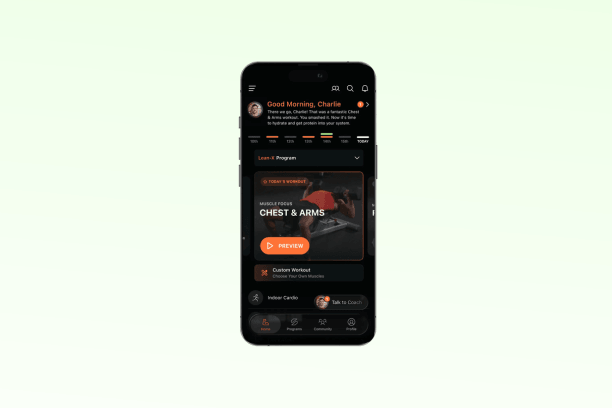
Shred is an AI-powered fitness app that makes strength training and workout planning more personalized, structured, and easier to follow. It may help you build muscle, improve strength, and stay consistent through customized workout plans that adapt to your goals, available equipment, and progress.
The app also provides guided coaching, progress tracking, and AI-driven insights to reduce the guesswork involved in creating an effective fitness routine. In this review, we will explore how the app works, its features, workout customization options, pricing, and user experiences.
How Shred Works?
Shred is said to work by creating a personalized training plan. After a brief fitness assessment, the app matches you with a coach-designed program. Your workouts are organized into progressive training cycles that automatically become more challenging as you improve. It adjusts your program over time using your workout history and logged performance.
During each session, the app’s AI acts as a virtual training assistant by recommending appropriate weights, rest periods, and workout tempo. As you record your sets and reps, the app adapts future workouts to match your progress, helping you continue building strength, endurance, or muscle without constantly redesigning your training plan. It can also adapt your workouts to changes in the training environment, such as when you are at a commercial gym, a home gym, a hotel gym, or using only bodyweight exercises.
Key Features
-
Features A Range Of Workout Programs
According to the official website, the app offers a library of coach-designed workout programs for both men and women, each built around a specific fitness goal and training style. Programs focus on outcomes such as muscle growth, strength, functional fitness, conditioning, endurance, and fat loss. Examples include Spark and Strength for hypertrophy and lean muscle development, CrossTrain for functional training and high-intensity circuits, and Unleash for advanced strength, power, and endurance training.
Each program is matched to your experience level, training schedule, and available equipment, allowing you to train at a commercial gym, home gym, hotel gym, or with bodyweight only. It also supports two training formats within the same membership, including Guided Strength Training, which includes progressive overload tracking, weight and rep recommendations, rest timers, tempo guidance, and exercise substitutions. Other combines Studio Classes featuring live and on-demand HIIT, yoga, dance cardio, strength, and other instructor-led workouts.
-
Offers Performance Tracking
Shred includes built-in performance tracking to help you measure your training progress over time. The app records key workout metrics, including the weights you lift, the number of repetitions you complete, and your personal records, then displays them in easy-to-read progress charts. It also lets you compare your performance with other athletes through leaderboard-style rankings. These progress insights are designed to help you identify improvements, celebrate new personal bests, and stay motivated as you continue training.
Pros
- AI-personalized workout plans.
- Coach-built training programs.
- Adapts to your progress.
- Equipment-specific programming.
- AI weight recommendations.
Cons
- AI features require a paid plan.
- Limited wearable integrations.
- AI depends on recorded data.
Alternatives
-
FitnessAI
FitnessAI is centered on AI-driven strength programming, using data from completed workouts of real training sessions to determine sets, repetitions, and working weights. Its system continuously adjusts progressive overload based on your performance, aiming to keep training progressing while reducing the likelihood of overtraining. In comparison, Shred combines coach-built programming with adaptive AI. Its training plans are initially created by elite coaches, then personalized after a setup assessment that considers your goals, movement patterns, available equipment, training schedule, and experience level. As you continue training, the program evolves based on your progress.
Their training focus also differs. FitnessAI is designed primarily for structured strength training, with an emphasis on building muscle, increasing strength, and supporting fat loss through progressive overload. Every workout is programmed to recommend specific sets, repetitions, and weights using historical training data, reducing the need to manually plan sessions. Shred supports a broader range of training goals and workout styles. Its program library includes Spark for lean muscle development, Strength for hypertrophy-focused lifting, and Cardio-X for interval-based conditioning. The platform also offers separate program categories for men and women while adapting plans to different fitness levels.
The role of AI during workouts also reflects each platform’s priorities. FitnessAI primarily uses AI to automate progression. As your performance improves, the platform increases weights and adjusts future sessions, while adaptive recovery can reduce training intensity when performance indicates additional recovery may be needed. You can also view how the algorithm changes its programming over time. However, Shred uses AI as an ongoing coaching tool throughout each workout. It adjusts workout tempo, rest periods, and accessory exercises when progress slows, allowing future sessions to adapt to performance.
Workout scheduling is handled differently as well. FitnessAI emphasizes shorter, flexible training sessions, offering workouts ranging from 5 to 30 minutes and automatically adjusting training volume to fit available time. This allows workouts to be completed within shorter schedules without requiring manual planning. Shred focuses more on long-term program structure. After the initial assessment, it builds a personalized training plan around your weekly availability, whether you train several days at home or alternate between different training environments.
Both platforms adjust workouts based on available equipment, but the level of customization differs. FitnessAI automatically rebuilds workouts around the equipment you have available, whether you are training in a commercial gym, at home, or while traveling. Its Smart Progression system also supports automatic exercise substitutions without disrupting the program’s overall progression. Shred provides more detailed environment-based customization. You can select large gyms, medium gyms, small gyms, home gyms, hotel gyms, or bodyweight-only training, and the workout is rebuilt to match the selected environment.
Progress tracking is another area where the platforms take different approaches. FitnessAI focuses on strength progression and body composition tracking. Along with recording strength gains, it includes 3D BodyScan visualization to monitor muscle gain and fat loss beyond body weight, and to show how future programming changes in response to performance. Shred places greater emphasis on workout analytics. It also tracks weights lifted, repetitions completed, personal records, and long-term progress through visual charts.
As per their official website, FitnessAI uses performance data to automate progressive overload, weight selection, adaptive recovery, and body composition tracking. Shred combines coach-built training plans with adaptive AI, offering multiple program types and ongoing coaching adjustments throughout each workout.
-
Fitbod
Fitbod and Shred both use AI to personalize workouts, but they are built around different training philosophies. According to its official website, Fitbod primarily relies on its proprietary, science-backed algorithm to create strength-training workouts tailored to your fitness level, goals, available equipment, training history, and muscle recovery. Each completed workout provides new performance data that the app uses to refine future sessions through progressive overload and recovery tracking. In comparison, Shred combines coach-designed training plans with adaptive AI. Its programs are initially built by elite coaches, then adjusted over time as the AI modifies weight recommendations, rest periods, training tempo, and progression according to your performance, schedule, equipment, and goals.
The apps also differ in how they structure training. Fitbod creates a personalized workout every time you train. It analyzes your previous workouts, recovery status, and training volume to determine which muscle groups are ready for your next session, helping distribute workload across the week. Shred begins with an assessment that evaluates your goals, movement ability, available equipment, and preferred training schedule. Based on that information, it builds a structured program that ranges from three-day home workouts to full barbell training splits, and continues adjusting the plan as your fitness level changes. Workout variety is another area where the two platforms differ. Fitbod focuses almost entirely on resistance training using equipment such as barbells, dumbbells, landmines, benches, or bodyweight. Depending on your settings, it may also include warm-ups, mobility work, stretching, or conditioning exercises, but these primarily support the strength-focused program. However, Shred includes structured strength training alongside studio-style workouts such as HIIT, yoga, dance cardio, strength circuits, and both live and on-demand classes.
Their programming options reflect these differences. Fitbod generates workouts dynamically based on training goals such as building muscle, increasing strength, powerlifting, Olympic lifting, or fat loss. Shred offers dedicated coach-designed programs with different training objectives. Bulk emphasizes hypertrophy through compound lifts and progressive overload, while Define emphasizes higher repetitions and controlled tension. Other available programs include Spark, Strength, CrossTrain, Burn, Unleash, and Cardio-X, each using a different training approach. The role of AI also varies between the two apps. Fitbod uses AI primarily for workout generation and progression by analyzing training history, exercise performance, and muscle recovery to recommend exercises. In comparison, Shred’s Adaptive AI Engine is combined more directly into the workout experience. It recommends the next weight to lift, adjusts rest intervals, modifies lifting tempo, and updates future sessions based on recent performance so that the training plan evolves continuously.
Progress tracking is an important feature in both apps, although each emphasizes different aspects. Fitbod tracks workout history, exercise performance, strength improvements, and long-term progress to continually refine future recommendations through progressive overload. Shred records similar metrics, including weights, repetitions, completed workouts, and personal records. It also displays visual progress charts and allows you to compare performance with other members. Fitbod is more specialized, primarily on resistance training, while Shred provides a broader fitness platform that extends beyond strength training into instructor-led workouts and social engagement.
Who Is Shred Best For?
Shred works best when you want more structure than a workout library but do not necessarily need a personal trainer. The app is designed around guided training plans that adjust as your performance changes, making it a practical option for following a structured program.
The platform can also suit a range of training goals and experience levels. It offers separate programs for muscle building, strength training, functional fitness, conditioning, endurance, and body recomposition. As workouts are adjusted based on your schedule, available equipment, and training environment, it can also be useful when you alternate between commercial gyms, home gyms, hotel gyms, or bodyweight-only workouts.
The app can also help you mix different training styles. Alongside structured lifting plans, its membership includes instructor-led classes such as HIIT, yoga, dance cardio, and strength workouts, making it easier to switch between lifting sessions and class-based training.
Frequently Asked Questions
- Does Shred create a new workout every day?
Not necessarily. It follows structured training programs, and your sessions are adjusted over time based on your progress, available equipment, and logged performance. - Does Shred provide a meal tracking feature?
No. It does not include a built-in meal-tracking or food-logging feature. It focuses on personalized workout plans, AI-powered training progression, studio classes, and progress monitoring. While it publishes nutrition articles, it does not offer calorie, macro, or nutrition diary tracking. - Does Shred include live workout classes?
Yes. The app offers live and on-demand studio classes across multiple workout styles, including HIIT, yoga, dance cardio, and strength training. - Can multiple people use the same Shred account?
No. It is intended for individual use, as workout recommendations, training history, and progress are tied to a single user’s profile and activity.
Conclusion
Shred guides you through structured, coach-designed workout plans instead of requiring you to build your own routine. However, long-term progress will still depend on factors such as proper exercise technique, progressive training, adequate nutrition, recovery, and regular adherence to your routine.
Before using the app, keep in mind that its recommendations rely on the accuracy of the workout data you log, so skipped sessions or inconsistent tracking may reduce the quality of future suggestions. The app also cannot assess factors such as fatigue, poor sleep, pain, or underlying injury when generating workout recommendations, so it’s important to adjust or skip sessions when needed.
Some advanced AI features require a paid subscription, wearable integrations remain relatively limited, and the app does not provide the real-time feedback or exercise form correction that an experienced coach can offer.

Rachel has been a freelance medical writer for more than 18 years. She graduated from the University of Tennessee at Knoxville in 2005 and is currently practicing as a Certified Registered Nurse Anesthetist at a Level I trauma center.
Leave a Reply