

No products in the cart.
Contents
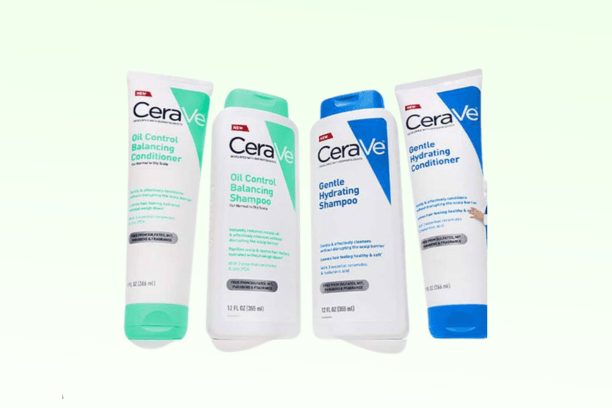
CeraVe offers skincare and haircare products that are formulated with barrier-supporting ingredients to target various skin and scalp concerns. The brand’s offerings feature a mix of beneficial ingredients such as niacinamide, lactic acid, and salicylic acid.
Such offerings are based around essential ceramides and support gentle daily care while targeting concerns like dryness, acne, sensitivity, scalp imbalance, dandruff, sun protection, and hydration.
This review will examine the breadth of the brand’s offerings, formulation standards, core positioning, and quality control standards. It also compares the brand with other personal care brands operating within a similar skincare space.
About CeraVe
Launched in 2005, CeraVe is a dermatologist-developed brand built around products supported by ceramides and controlled-release hydration technology. The brand has expanded beyond facial moisturizers into broader formats, including cleansers, serums, sunscreens, baby care, anti-dandruff products, scalp care, and body moisturizers. A few core offerings include AM Facial Moisturizing Lotion SPF 50, PM Facial Moisturizing Lotion, and Acne Control Cleanser.
According to its official website, the brand keeps its formulations around ceramides such as 1, 3, and 6-II. The brand also highlights its patented MultiVesicular Emulsion technology, which is intended to gradually release moisturizing ingredients over time for extended hydration support.
The manufacturer claims that most products from the brand are fragrance-free, non-irritating, and non-comedogenic. CeraVe also states that its products are not tested on animals and provides ingredient disclosures, educational content, and dermatologist-focused guidance through its platform.
Bestsellers
-
Facial Moisturizing Lotion (AM/PM)
The Facial Moisturizing Lotion lineup includes the AM Facial Moisturizing Lotion SPF 30, AM Facial Moisturizing Lotion SPF 50, and PM Facial Moisturizing Lotion. The AM version is offered in two SPF strengths for different levels of sun protection depending on skin type, daily sun exposure, and personal preference.
Across the lineup, the formulations center around ceramides, niacinamide, and hyaluronic acid. Ceramides are lipid molecules that are present in the skin barrier and may help reduce moisture loss, reinforce the skin’s protective barrier, and support skin softness.
The makers have added hyaluronic acid as it attracts and retains water on the skin surface, potentially helping maintain hydration and improving the appearance of skin smoothness and suppleness. According to the official website, niacinamide is added to the lotions to help calm visible redness, support barrier function, improve uneven texture, and assist with oil balance.
-
Acne Control Cleanser
Acne Control Cleanser is formulated for acne-prone and oily skin. The formula centers around 2% salicylic acid, a beta-hydroxy acid that might support acne care, exfoliation, oil control, and smoother-looking skin because of its desmolytic and comedolytic properties.
The cleanser also contains hectorite clay and oil-absorbing ingredients such as silica, which are intended to help reduce visible shine by binding excess surface oil. Clay-based ingredients can help remove buildup from the skin’s surface while providing a more mattified appearance. To help balance the exfoliating components, the formula also includes niacinamide and ceramides.
-
Moisturizing Cream
Moisturizing Cream is made for normal to dry skin, with the formulation centered around barrier support and hydration. It contains ceramides to help support the skin barrier by replenishing lipids naturally found in the outer layer of skin. The makers also pair the ceramides with hyaluronic acid, helping improve softness and hydration levels.
Petrolatum serves as one of the primary ingredients in the formula. It forms a protective layer over your skin surface that helps reduce transepidermal water loss (TEWL), which is particularly relevant for very dry, flaky, or compromised skin.
The cream also consists of dimethicone, which contributes to a smoother skin feel while also helping reduce roughness and friction on the skin surface. It can help improve spreadability and create a softer finish while supporting moisture retention.
-
Hydrating Facial Cleanser
Facial Cleanser may help remove dirt, excess oil, and makeup while helping skin retain hydration during and after cleansing. The formula centers around three essential ceramides and hyaluronic acid. Ceramides are included to help counteract the lipid loss that can occur when cleansing normal to oily skin, where surfactants are used to lift away excess sebum, dirt, and buildup. Since foaming systems can also remove some of the skin’s natural surface lipids in the process, ceramides help replenish what may be temporarily diminished during washing.
Hyaluronic acid is included to help address the dryness or tight feeling that can sometimes follow the use of foaming cleansers designed for oil control. It helps retain moisture on the skin during cleansing and contributes to a more comfortable feel immediately after rinsing.
-
Resurfacing Retinol Serum
Resurfacing Retinol Serum is designed to address uneven skin texture, post-acne marks, discoloration, and visible signs of skin aging while maintaining attention toward barrier support and hydration.
The serum contains retinol, which is used to support skin cell turnover and surface renewal. Retinol can improve the appearance of wrinkles, uneven tone, rough texture, and post-inflammatory marks left after acne. Ceramides are included to support the skin barrier alongside the retinol component.
The makers have also added dimethicone to provide slip and surface conditioning while forming a lightweight protective layer over the skin. It helps reduce rough texture, soften the skin’s feel, and minimize moisture loss.
-
Foaming Facial Cleanser
Foaming Facial Cleanser potentially targets excess oil, dirt, and everyday buildup. Ceramides are included to help replace some of the lipids that can be washed away when oil is removed from the skin surface.
The cleanser contains hyaluronic acid, as it can hold onto moisture during and after rinsing, which helps soften the feeling that can sometimes follow a deeper cleanse. Glycerin in the product works by attracting water into the outer layers of skin.
CeraVe Advantages
-
Dermatologist Development Network
CeraVe structures around a formal dermatologist network tied directly to formulation design, category expansion, and barrier-focused skincare standards across the portfolio. It mentions multiple board-certified dermatologists within its broader development ecosystem, including Heather Woolery-Lloyd, Alecia Folkes, Omar A. Ibrahimi, Julie C. Harper, Ted Lain, and Hope Mitchell. According to the official site, they contribute to identifying product categories, selecting active ingredients, refining tolerability standards, and maintaining non-comedogenic and barrier-supportive formulation priorities. The lineup maintains a more unified development philosophy across cleansers, moisturizers, acne treatments, eczema-care products, and sun-care categories.
You may find this useful as the brand specifies practicing dermatologists and medically trained professionals who back the ingredient formulations. The brand structure is built around clinician involvement, which can matter when you want mainstream products that stay close to standard dermatology use cases.
-
Barrier-Care Technology Platform
CeraVe traces its origin to a barrier-repair concept built around skin-identical ceramides and MultiVesicular Emulsion technology. Its products combine ceramides 1, 3, and 6-II with patented MVE technology. The brand states that many of its products feature three essential ceramides, and many use MVE to release moisturizing ingredients over 24 hours. It has also extended that barrier-centered architecture into face care, body care, baby care, sunscreens, acne products, itch-relief products, and newer hair and scalp lines. This means you can build a complete skincare routine within one system focused on barrier support.
CeraVe Limitation
-
Focus On Lab-Developed Ingredients
CeraVe heavily relies on dermatologist-developed formulations, clinical skincare actives, and laboratory-driven ingredient systems, with far less emphasis on botanical ingredients or natural skincare positioning. The brand consistently promotes ceramides, hyaluronic acid, salicylic acid, niacinamide, retinol, and its MVE Delivery Technology across much of the lineup. It focuses on barrier repair, controlled hydration, fragrance-free formulations, non-comedogenic claims, and dermatologist recommendations. The lineup also depends heavily on recurring ingredient systems across cleansers, moisturizers, acne treatments, sunscreens, and anti-aging products. As a result, many products can feel operationally similar and less differentiated from one another. The lineup may feel overly clinical, repetitive, and heavily standardized around science-focused formulations, especially if you prefer skincare with more natural ingredient diversity, botanical positioning, or emotionally engaging product experiences.
Pros
- Minimalist formulation approach reduces unnecessary ingredient overload.
- Diverse product catalog, including shampoos, cleansers, serums, and eye creams.
- Maintains omnichannel accessibility across both online and retail platforms.
- Barrier-focused philosophy supports long-term skincare maintenance routines.
Cons
- Users mention quality issues such as dried product lumps, faulty pumps, and a lack of a safety seal on some offerings.
- Ceramide concentration transparency remains limited across formulations.
CeraVe Alternatives
-
Cetaphil
Cetaphil maintains a narrower concentration on gentle skincare maintenance, hydration support, and sensitive-skin compatibility across cleansers, moisturizers, and barrier-focused products. In contrast, CeraVe presents a broader dermatological-care portfolio with a stronger emphasis on ceramide-based barrier repair, clinically established actives, acne-focused products, anti-aging categories, scalp-care systems, and concern-specific formulations.
As per the official site, Cetaphil primarily centers its identity around sensitive-skin care and everyday skin maintenance. The brand focuses on dryness, irritation, roughness, tightness, and weakened skin barrier as major concerns addressed across its product lines. It offers facial cleansers, body cleansers, moisturizers, serums, sunscreens, eczema-related care, and baby skincare. CeraVe extends beyond standard skincare into acne-focused products, scalp care, anti-dandruff systems, and haircare. It emphasizes dermatologist-developed formulations, fragrance-free positioning, and the inclusion of essential ceramides across its products.
Cetaphil highlights a large mix of hydrating, soothing, and barrier-support ingredients, including niacinamide, shea butter, hyaluronic acid, ceramides, sweet almond oil, avocado oil, centella asiatica, and bakuchiol. Its exfoliating range uses salicylic acid, mandelic acid, gluconolactone, urea, and a triple acid combination positioned for gentler exfoliation. CeraVe leans more heavily into clinically established ingredients such as benzoyl peroxide, glycolic acid, lactic acid, petrolatum, retinol, zinc oxide, titanium dioxide, dimethicone, and glycolysine. Ceramides remain the central ingredient in nearly all of its formulations, with the brand placing significant focus on barrier-repair mechanisms and moisture retention.
The two brands also differ in how they structure skincare guidance and tools. Cetaphil integrates AI Skin Analysis, digital skincare assistance, MySkin by Cetaphil, and product finder tools that are primarily organized around sensitive-skin routines and hydration-focused care. CeraVe places greater emphasis on ingredient skincare quizzes, routine-building systems, and technologies such as MVE delivery technology and ceramide booster systems. It focuses on ingredient functions, exfoliation processes, acne management, oil control, and barrier-repair science.
-
Neutrogena
Neutrogena presents itself as a skincare and beauty brand centered on clinically tested formulations, ingredient-focused skincare, and category diversification across both skincare and cosmetics. Its portfolio extends beyond basic skincare into cleansers, moisturizers, anti-aging products, acne care, makeup removers, sunscreen, haircare, and makeup products. The brand highlights ingredients such as hyaluronic acid, salicylic acid, retinol, and patented micro-peptides across multiple product categories. Product sections prominently feature Hydro Boost hydration products, Oil-Free Acne Wash variants, micellar cleansing wipes, anti-aging skincare, and Ultra Sheer sunscreen products. In comparison, CeraVe maintains a more routine-oriented skincare identity focused primarily on barrier-supportive skincare and essential daily-use products.
The difference between the two brands is visible in their hydration and texture-focused product lines. Neutrogena places strong emphasis on lightweight gel-based textures and cosmetic-friendly formulations through the Hydro Boost Hyaluronic Acid Water Gel, Hydro Boost Daily Gel Cream Exfoliating Cleanse, and Hydro Boost Ultra-Soft Micellar Cleansing Wipes. Its product range also includes hydration products, such as Hydro Boost Lip Oil and Healthy Glow Blush Sticks. Several products are positioned around lightweight application, glossy finish, invisible wear, and water-gel consistency. CeraVe generally focuses more on fragrance-free moisturizers, creams, lotions, and cleansers. Its offerings are formulated to support hydration and maintain the skin barrier without emphasizing cosmetic finish, glossy textures, or makeup integration.
The acne-care positioning between the two brands also differs in formulation emphasis and product direction. Neutrogena heavily features active acne-care products, including Oil-Free Acne Wash with Salicylic Acid, Oil-Free Acne Wash Pink Grapefruit Foaming Scrub, and Stubborn Acne Ultra-Thin Blemish Patches. The acne lineup repeatedly emphasizes exfoliation, oil reduction, and blemish options. CeraVe’s acne-focused skincare is generally more associated with maintaining hydration and reducing irritation while supporting the skin barrier. Its formulations appear more routine-oriented and less centered on intensive exfoliation or oil-control positioning. Neutrogena highlights a hybrid cosmetic-skincare chemistry and aggressive acne product formulas, contrasting it against CeraVe’s strict adherence to barrier-repair routines.
How Did We Evaluate?
-
Brand Credibility
To evaluate CeraVe, we looked at the brand’s operational history, mass-market skincare positioning, and reputation across independent review platforms.
On ThingTesting, the brand carries a 4.5 out of 5 rating based on more than 280 reviews, where most reviews described the brand’s offerings, such as Daily Moisturizing Lotion and Hydrating Foaming Oil Cleanser, as minimalistic, gentle, and easy to include in daily skincare routines, especially for dry or sensitive skin. However, a few reviews noted that some products from the brand triggered breakouts on sensitive skin.
However, the brand’s reputation appeared more divided on Trustpilot, where it currently maintains a 2.7 out of 5 rating based on more than 200 reviews shared between 2025 and 2026. Positive feedback focused on hydration support, smoother skin texture, and the practicality of the brand’s moisturizers and cleansers for dry skin conditions. However, commonly highlighted concerns included reports of skin irritation, redness, burning sensations, breakouts, and inconsistent performance across different products. The brand’s profile also indicates issues around packaging complaints, customer service issues, and concerns over missing product seals.
Based on the available data, we found CeraVe to maintain visibility and recognition within the mainstream skincare space, supported by its long-standing market presence and widespread retail accessibility. However, the divided reputation across review sources suggests that the brand’s credibility is not entirely unquestioned, particularly around product consistency, packaging standards, and post-purchase experience.
-
Real User Feedback
As part of evaluating CeraVe, we reviewed extensive real-world feedback discussions across Reddit forums to understand how the brand’s products perform in everyday routines across different skin types and sensitivities.
Feedback surrounding products such as the Foaming Facial Cleanser, PM Facial Moisturizing Lotion, and Moisturizing Cream reflected divided experiences. Several users described positive results with hydration support, barrier maintenance, and affordability, while some users with rosacea or dry skin stated that the products helped reduce irritation and simplified their skincare routines.
However, a portion of user feedback experienced issues like cystic acne, clogged pores, burning sensations, itching, or increased skin sensitivity after using certain cleansers and moisturizers from the brand. Across the discussions, some users suspected ingredients like niacinamide, ceramides, dimethicone, and phenoxyethanol as possible triggers for breakouts or irritation, although reactions varied widely depending on individual skin tolerance.
Based on the broader feedback patterns we reviewed, CeraVe appears to deliver more consistent results when approached as a basic maintenance-focused skincare brand instead of a universally suitable option for every skin concern. From our evaluation, approaching the brand with realistic expectations and a gradual trial-based approach may help determine whether particular products align well with your skincare needs.
Conclusion
CeraVe relies heavily on barrier-supportive maintenance skincare, which makes its products generally more aligned with routine hydration, cleansing, and long-term skin-barrier support. However, product compatibility can still vary considerably depending on your skin sensitivity, acne triggers, active-ingredient tolerance, and individual barrier conditions. Some may experience irritation, clogged pores, burning sensations, dryness, or breakouts.
When committing to the brand’s offerings, careful product selection remains important, especially if your skin reacts easily to occlusive or emollient-heavy formulas. Starting with one product at a time might help reduce the risk of unexpected congestion or irritation. Reviewing ingredient lists carefully is equally important, particularly if your skin is sensitive to fatty alcohols, silicones, or heavier moisturizing agents.

Rachel has been a freelance medical writer for more than 18 years. She graduated from the University of Tennessee at Knoxville in 2005 and is currently practicing as a Certified Registered Nurse Anesthetist at a Level I trauma center.
Leave a Reply