

No products in the cart.
Contents
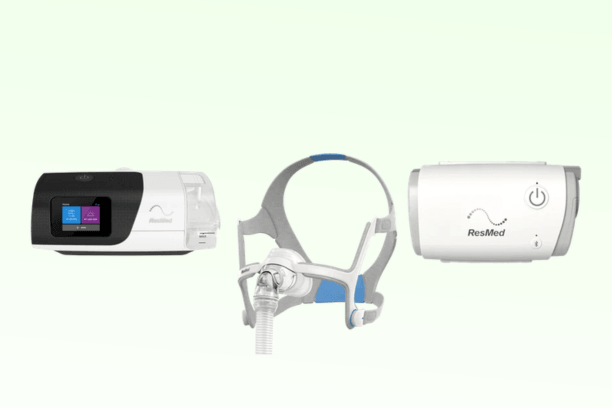
CPAP.com is an online platform focused on sleep apnea care, offering a range of products to support CPAP therapy at home. Its core lineup includes machines, masks in different styles, and essential accessories such as tubing, filters, and humidifiers. The brand’s offerings are built around obstructive sleep apnea, in which disrupted breathing can affect sleep quality and daily functioning.
In this review, we will discuss the brand’s product range and service offerings, along with its approach. We will also examine areas where the experience may fall short, supported by real user feedback, so you can understand what to expect before choosing this platform.
About CPAP
CPAP.com offers a combination of diagnostic tools, equipment, and ongoing support. Established in 1999, it combines different stages of your sleep apnea journey, from identifying symptoms to maintaining therapy, within one platform supported by expert guidance and customer service.
You can explore multiple product categories centered around CPAP therapy. The brand offers travel-sized machines designed for portability, and BiPAP systems that provide separate inhale and exhale pressures for more personalized support.
Alongside these, you can choose from a wide range of CPAP masks, such as full face, nasal, and nasal pillow styles, depending on your breathing patterns, comfort preferences, and sleep habits.
To help you maintain therapy, CPAP.com also provides an extensive selection of supplies and replacement parts, including hoses, filters, humidifier chambers, mask cushions, and headgear. These options address ongoing concerns like air leaks, dryness, and equipment wear. You will also find accessories and comfort solutions, such as cleaning machines, mask liners, and chinstraps, which can improve usability and reduce issues like skin irritation or dry mouth.
Offerings
-
Home Sleep Test
Home Sleep Test by CPAP.com offers a structured means to check for sleep apnea from home using a sensor-based system. As per its official site, the test uses small wireless sensors and a finger monitor connected to a mobile app to track breathing patterns, oxygen saturation (SpO₂), heart rate, snoring, body position, and general sleep quality signals. These measurements allow identification of breathing interruptions, oxygen drops, and sleep disturbances. Collected data is used to generate a clinical sleep report that includes the Apnea-Hypopnea Index (AHI) and classification of sleep apnea severity.
The process to access the test follows a sequence without requiring a prescription. After placing an order, the test kit is delivered to your address. Setup involves connecting the sensors to the app and applying them before sleep. The test is usually completed over two nights to capture more consistent sleep patterns. Once the test is complete, the data is reviewed by a board-certified sleep doctor, and a report with findings and next steps is shared.
Home Sleep Test works by collecting real-time physiological signals during normal sleep in your own bed instead of a lab setting. This helps reflect typical sleep behavior without external disturbances. Multi-night tracking improves reliability by capturing variations in sleep.
-
CPAP Machines
CPAP.com maintains a structured range of CPAP machines that focus on different therapy needs, machine sizes, and ease of setup. The collection includes home-use machines, compact travel devices, and bundled options that combine machines with compatible masks. Brands such as ResMed, Transcend, and React Health appear across the range, with variations in features and pressure delivery. Examples include models like the ResMed AirSense 11 AutoSet, ResMed AirSense 10 AutoSet, and travel-focused options such as the AirMini AutoSet Travel CPAP Machine and Transcend Micro 510 Travel CPAP Machine.
The range is divided into machine types based on how airflow pressure is delivered. Fixed-pressure machines maintain a constant level of air throughout the night. Auto-adjusting machines change pressure based on breathing patterns, which allows more flexibility during sleep. BiPAP or bilevel machines provide two pressure levels, one for inhalation and a lower one for exhalation, which can make breathing feel less restrictive.
The CPAP machines work by maintaining open airways during sleep through controlled airflow. A built-in motor draws in air, filters it, and delivers it through tubing into a mask. This steady flow of air helps avoid airway collapse and supports more stable breathing patterns. Heated humidification features add moisture to the airflow, which may reduce dryness in the nose and throat.
-
CPAP Masks
CPAP masks are available in different styles, sizes, and fit preferences. The collection includes options from brands like ResMed, Fisher & Paykel, and Philips Respironics, with filters based on sleep position, facial features, and comfort needs. Its range is divided into full face, nasal, and nasal pillow masks, each handling airflow in a slightly different way.
Options such as the AirFit F20 Full Face Mask and AirTouch F20 Full Face CPAP Mask focus on wider coverage and a secure seal. Nasal options like the AirFit N20 Nasal Mask and AirFit N30 Nasal CPAP Mask use softer cushions and a more compact shape. Lighter designs like the ResMed AirFit P10 Nasal Pillow CPAP Mask and AirFit P30i Nasal Pillow CPAP Mask could reduce facial contact and allow a more open field of vision.
These CPAP masks work by forming a sealed connection that allows pressurized air to move from the machine into the airway in a steady flow. Most masks connect through a standard hose, which supports compatibility with many CPAP machines.
-
Accessories
CPAP.com offers a range of accessories focused on keeping CPAP equipment working as expected. The range includes filters, hoses, humidifier chambers, and mask components that support consistent air pressure and reduce common issues like dryness, leaks, and condensation.
The brand offers essential machine accessories such as filters and water chambers that help maintain clean airflow and stable humidity levels. For example, it offers the AirSense 10 Filter Pack and AirSense 11 Filters – 6 Pack that support basic air filtration, while the AirSense 10 Water Chamber and ResMed AirSense 11 Water Chamber Replacement help manage moisture in the airflow. Tubing options such as ClimateLineAir Heated Tubing and ResMed SlimLine Tubing focus on delivering air smoothly while limiting water buildup inside the hose.
Mask-related accessories form a major part of the range, with options like the AirTouch F20 Cushion, Cushion for AirFit N20, and Nasal Pillows for AirFit P10. Other accessories may address cleaning, comfort, and setup flexibility. Products like the SUNSET Bacteria Filter Single may help reduce buildup inside the airflow path, while connectors such as the AirMini Universal Hose Adapter and ResMed AirMini Mask Connector support compatibility between different components.
CPAP Advantage
-
Long-standing Market Presence
CPAP.com has operated since 1999, which gives it over 25 years in the sleep apnea equipment market. The company maintains relationships with manufacturers such as ResMed and Fisher & Paykel. This reduces the risk of counterfeit equipment and helps ensure machines and components meet regulatory standards.
Its long operating history also supports continuity over time. CPAP devices are typically used for several years, and warranties can extend across that period. A brand with a multi-decade presence is more likely to remain available for warranty claims, replacement parts, and support during the lifespan of the equipment.
The company also runs CPAPtalk.com, which contains years of user discussions about mask fit, leaks, and comfort issues. Its direct-to-consumer model has also been in place for many years. Prescription verification and order processing are structured for self-pay purchases, which can allow equipment to be shipped quickly once documentation is approved, often within a short turnaround window.
CPAP Limitations
-
Insurance Process Complexity
CPAP.com mainly uses an out‑of‑pocket sales model instead of directly billing insurance like many traditional DME providers. This means you often need to pay the full purchase price upfront and then manage reimbursement with your insurer yourself.
You may need to gather invoices, prescriptions, HCPCS billing codes, and other claim documents after checkout. This structure can make using insurance less convenient than buying through an in‑network supplier that handles billing for you.
The process can become more difficult when insurers request additional paperwork, deny certain claims, or apply plan‑specific reimbursement limits. Approval may take weeks or sometimes months.
Retail pricing at CPAP.com can also differ from insurer‑approved DME rates, which may reduce the amount you are reimbursed. This can affect you if you depend on insurance savings, since your final out‑of‑pocket cost may be less predictable and require more effort to manage.
-
Return Process Friction Risk
CPAP.com return processes often require more steps than a typical online purchase because sleep therapy products are subject to hygiene, warranty, and manufacturer rules. You may need to log in, request return approval, provide order details, and submit serial numbers or device information for review. Some cases may also require direct contact with customer support instead of using a quick self‑service return option.
Opened masks, machines, and certain accessories may be subject to stricter return rules based on item type, condition, and manufacturer policy. Used items may be charged shipping fees, restocking fees, or may not be eligible for return at all. Repeated returns, disputes, or policy issues can also lead to account review or limits on future purchases.
This can affect you if you are unsure about fit or product choice. Returns may take longer, require extra documentation, and involve more conditions than standard online retail. That can make trial purchases less convenient and more risky.
CPAP Alternatives
-
Sleep Doctor
Sleep Doctor guides you through a clinically oriented approach that starts with a sleep quiz or expert consultation, helping you identify issues like snoring, insomnia, or sleep apnea before moving forward. It emphasizes a four-step pathway that includes understanding your sleep, choosing the right next step, such as a home sleep study or coaching, receiving one-on-one guidance, and building lasting results. In comparison, CPAP.com positions you directly within a retail experience, where you can immediately explore CPAP machines, masks, and bundles, or use tools like Build Your CPAP Bundle to start therapy without a structured diagnostic pathway.
Sleep Doctor places strong emphasis on diagnosis and clarity through its at-home sleep study, priced at a flat $189. You receive a device within 2 to 4 business days, use a minimal setup with two wires and three sensors, and review with a licensed sleep therapist through a telehealth consultation. The process includes diagnosis, prescription, and a personalized care plan, supported by metrics collected from your own bed. CPAP.com also offers an FDA-cleared home sleep test delivered in a couple of days, with testing over 2 to 3 nights and doctor-reviewed results provided shortly after.
The level of clinical involvement further separates the two. Sleep Doctor highlights its in-house clinical care team, including registered respiratory therapists and polysomnographic technologists, who provide hands-on, human care and ongoing follow-up through programs like clinical support and coaching. You are guided based on your sleep history and test results, with structured plans aimed at long-term improvement. CPAP.com, in comparison, offers support through CPAP guides and expert assistance available via chat or phone. While knowledgeable, this support is centered on helping you select, set up, and optimize product use.
Product offerings also reflect this contrast in approach. As per their official website, Sleep Doctor provides a curated selection of CPAP machines, including AirSense 10 and AirSense 11 with full face or nasal masks, along with BiPAP options such as the AirCurve series. It also extends into bedding, sleep accessories, sleep coaching, and wellness products, keeping everything aligned with its care plans. On the other hand, CPAP.com offers a significantly broader catalog with auto CPAP, BiPAP, and travel machines, including compact TSA-approved options, alongside an extensive range of masks such as full face, nasal, and nasal pillow styles. You also get access to replacement parts like cushions, headgear, hoses, and filters, as well as accessories for cleaning, skin protection, and therapy optimization.
The scope of support is broader with Sleep Doctor, as it addresses multiple sleep concerns beyond sleep apnea, including insomnia and general sleep wellness. It provides evidence-based education, expert videos, sleep tips, and tools like chronotype assessments to help you understand your sleep patterns. On the other hand, CPAP.com maintains a narrower focus on sleep apnea, offering detailed guides on CPAP therapy, mask types, and equipment comparisons, along with blog content that explains setup, usage, and product performance.
Sleep Doctor delivers a more structured and clinically guided experience that prioritizes diagnosis, personalized procedure, and long-term care supported by licensed professionals. In comparison, CPAP.com aims to deliver a faster, product-focused path with extensive inventory.
-
Lofta
Lofta connects at-home sleep testing, physician diagnosis, and procedure into a single, continuous process. It lets you move from screening and testing to therapy setup, followed by ongoing support through LoftaCare, where respiratory therapists provide coaching, remote pressure adjustments, and regular check-ins. CPAP.com, in comparison, centers more on product access and flexible entry points. It supports you with CPAP Guides and customer service, while also giving you multiple ways to start or continue therapy, including uploading an existing prescription, renewing a prescription through a licensed physician, or beginning with a home sleep test.
The sleep testing experience reflects this difference in depth and specialization. Lofta offers multiple versions of its home sleep test as per specific needs, including tests for CPAP therapy, oral appliance therapy, eXciteOSA®, and DOT-certified testing. Each test is completed in your own bed in one night, with results typically delivered within 1–2 days and prescriptions included. CPAP.com provides a single FDA-cleared home sleep test priced around $149, often bundled with a $50 store credit. The device ships within 2–3 days, is used for one night, and results are reviewed by a licensed sleep doctor, usually within about a week, with a prescription issued if needed.
In terms of product ecosystem, Lofta offers a curated range of CPAP machines such as AirSense 11, AirCurve 10, and AirMini travel devices, along with masks across nasal, full face, and nasal pillow categories. It also includes supplies like hoses, filters, and connectors, CPAP batteries for travel and backup, cleaning devices, and accessories. Beyond CPAP, it includes alternatives like eXciteOSA, along with sleep supplements, biosensors, and comfort monitors. On the other hand, CPAP.com provides a broader marketplace with a larger inventory across machines, masks, and accessories from brands like ResMed, Philips Respironics, and Fisher & Paykel. It also features machine bundles and detailed filtering options based on sleep position, mask size, facial hair compatibility, and sensitivity.
Support and personalization further separate the two. Lofta includes personalized plans, free 15-minute mask consultations with sleep specialists, and ongoing coaching through LoftaCare to help you adapt to therapy. It also supports remote device tuning and continuous follow-ups. Meanwhile, CPAP.com guides CPAP Guides, blog content, and customer support through phone, chat, and email, along with step-by-step help for prescription uploads, renewals, and product selection. However, it does not emphasize structured, ongoing coaching or monitoring to the same extent.
Lofta focuses on a streamlined experience with fast testing, pre-configured devices, and continuous expert support built into the process. Meanwhile, CPAP.com offers flexibility in how you start, whether by uploading an existing prescription, renewing one, or purchasing a home sleep test, along with access to a wider product selection.
Pros
- Wide CPAP product selection.
- Offers machines, masks, and accessories.
- Dedicated to the sleep apnea niche.
Cons
- Limited emergency support.
- Over-reliance on digital tools.
How Did We Evaluate?
-
Brand Reputation
When evaluating CPAP.com, we looked at the brand’s business model, operating structure, and ratings across independent review forums. On the Better Business Bureau (BBB), the brand is accredited and carries an A+ rating. Feedback data shows reviews that highlight fast shipping, helpful staff, and smooth ordering. However, some concerns are expressed around subscription-based orders that continue unless manually canceled, delays due to prescription verification, and situations where returns or refunds require repeated follow-ups.
The brand reflects a stable credibility profile supported by its long history and strong BBB rating. However, repeated concerns around subscriptions, return handling, and communication delays suggest some inconsistency in execution.
-
Real User Feedback
To evaluate CPAP.com, we assessed the real user experiences of the brand and its services across Trustpilot, where it carries a 4.4 out of 5 score from over 1,100 reviews.
A noticeable portion of feedback reflects positive interactions with customer support, where most users described clear guidance during product selection, assistance with correcting orders, and relatively smooth refund handling. However, a few users experienced confusion around prescription requirements, where orders were placed but later delayed or halted due to missing documentation.
More critical experiences point to limitations in after-sales support, especially for faulty or non-functional devices. Some users described being directed to long repair processes without interim alternatives. Communication gaps, including delayed responses or unresolved follow-ups, are also noted. Trustpilot rating suggests generally positive sentiment, but recurring concerns around transparency, logistics, and post-purchase support indicate areas of improvement for the brand.
Frequently Asked Questions
- Does CPAP.com support prescription verification for CPAP devices?
Yes. The platform requires prescription verification for CPAP, APAP, and BiPAP devices due to federal regulations. You can upload documents, request a doctor’s contact, or use renewal services, but orders may be delayed until valid details are confirmed. - Does CPAP.com assist with therapy compliance tracking?
The brand supports user-driven compliance tracking through devices compatible with apps like ResMed myAir and Philips DreamMapper, along with SD card tools. However, tracking remains optional and is not actively monitored by the platform. - Does CPAP.com provide guidance for noise reduction?
Yes. The brand offers noise reduction guidance through troubleshooting guides and blogs. It covers filter maintenance, mask adjustments, vibration control, hose inspection, and humidifier care, along with suggesting quieter masks and optional sound-dampening accessories.
Conclusion
CPAP.com offers sleep apnea equipment, including machines, masks, and at-home testing. The platform’s role remains focused on product access and distribution. It means that the effectiveness of its offerings is closely tied to proper clinical input.
It is important to understand that CPAP therapy requires sleep study confirmation, accurate pressure calibration, and periodic adjustment based on response. Equipment alone does not ensure results, and incorrect settings or a lack of monitoring might reduce effectiveness.
The platform offers access to CPAP devices from multiple third-party manufacturers, which may introduce variability in design, compatibility, and availability. Practical use also presents some challenges. Mask fit and seal quality may directly affect comfort and airflow, while a poor fit may lead to leaks or disrupted sleep.
Some precautions are necessary to maintain the efficacy of CPAP therapy and the brand’s offerings. Ongoing therapy requires attention to pressure settings, mask compatibility, and routine maintenance. The absence of in-person fitting or calibration support places responsibility on self-management and external guidance.

Rachel has been a freelance medical writer for more than 18 years. She graduated from the University of Tennessee at Knoxville in 2005 and is currently practicing as a Certified Registered Nurse Anesthetist at a Level I trauma center.
Leave a Reply