

No products in the cart.
Contents
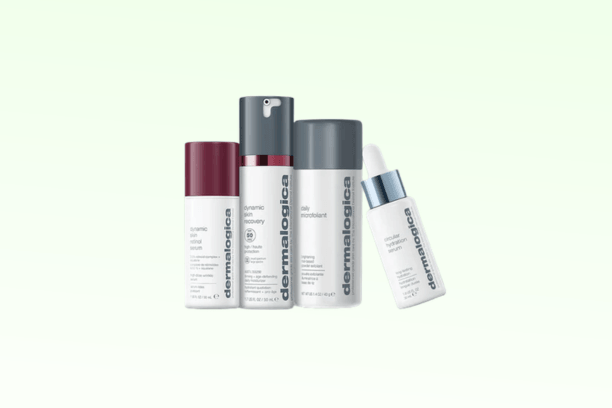 Dermalogica is a professional-grade skincare brand that focuses on personalized care, offering options that are commonly used in both clinical and at-home settings. Its approach is centered on understanding your skin’s condition and supporting it with targeted formulations.
The brand’s product range is extensive, covering daily essentials like cleansers, exfoliants, toners, moisturizers, and sunscreens. It also features targeted formulas such as serums, masks, and boosters.
In this review, we will explore Dermalogica’s product offerings in detail, along with its key advantages and potential limitations. We will also evaluate what real consumers have experienced when using the brand.
About Dermalogica
Founded by Jane Wurwand. Dermalogica features multiple skincare categories, allowing you to build a complete step-by-step routine. Its range includes cleansers that remove impurities and makeup, exfoliants, toners, hydrating mists, and moisturizers.
The brand also extends into body care with sculpting serums, along with kits and sets that combine multiple steps into a single routine. These categories are said to address a wide range of concerns, including breakouts, sensitivity, dehydration, uneven texture, dullness, and visible signs of aging.
Dermalogica also combines an AI-driven Face Mapping technology that analyzes your skin through a selfie or guided quiz, and provides access to expert consultations. The makers state that their offerings are cruelty-free and vegan, while avoiding ingredients such as artificial colors, synthetic fragrances, parabens, mineral oil, lanolin, and microplastics.
The brand also combines recyclable packaging innovations such as mono-material pumps, refill pouches that use significantly less plastic, and increased use of post-consumer recycled materials.
Bestsellers
-
Special Cleansing Gel
Special Cleansing Gel may help wash away impurities while maintaining the skin’s natural moisture balance. The product is described as suitable for normal, combination, and oily skin types, and may be used to address concerns such as oiliness, dullness, and visible pores.
The makers have added quillaja saponaria bark extract to the product, which supports the lathering action. The product also includes glycerin, which may help attract and retain water on the skin surface, reducing the drying effect associated with cleansing.
The formulators include plant-derived extracts and essential oils such as lavender oil, balm mint, lemon peel oil, bergamot fruit oil, and citronella oil that have calming and soothing properties. Citric Acid is also added and may help with mild exfoliation by supporting the removal of surface dead skin cells.
-
Daily Microfoliant Exfoliator
Daily Microfoliant Exfoliator may help smooth and brighten the skin by removing surface buildup and refining texture. The formulation includes oryza sativa (rice) bran extract, which may help condition the skin while providing protection from environmental stressors. It also has alpha hydroxy acids, which support exfoliation by loosening the bonds that are present between dead skin cells.
The makers have also added papain, an enzyme derived from papaya, which may contribute to enzymatic exfoliation by breaking down keratin proteins in the outer skin layer. Salicylic acid is also added to potentially help clear pores by penetrating into oil-rich areas.
-
Dynamic Skin Recovery SPF50
As per the official site, Dynamic Skin Recovery SPF50 hydrates the skin, supports firmness, and provides broad-spectrum sun protection. It is said to be made for normal, dry, and combination skin types, and is associated with concerns such as dryness, dehydration, fine lines, wrinkles, and reduced elasticity.
The product’s sun protection element is based on a combination of chemical UV filters, including avobenzone, homosalate, octisalate, and octocrylene. These ingredients function by absorbing ultraviolet radiation and converting it into less harmful energy, which helps reduce the impact of UV exposure on the skin.
The formulators also include a polypeptide blend that is described as helping improve the appearance of photoaged skin. Peptides support skin structure by interacting with collagen, which influences how firm or resilient the skin appears over time.
-
Precleanse Cleansing Oil
Precleanse Cleansing Oil may help melt away makeup, excess sebum, sunscreen, and environmental impurities from the skin. The formulation consists of caprylic/capric triglyceride as the primary base component, and it helps dissolve surface buildup while maintaining a smooth texture.
The makers have also added tocopherol and tocopheryl acetate to the product, which are forms of Vitamin E and may help limit oxidative stress on the skin surface caused by environmental exposure. It also includes orange peel oil, lavender oil, and rosemary leaf extract for their soothing properties.
-
Skin Smoothing Cream Moisturizer
Skin Smoothing Cream Moisturizer may help provide hydration while supporting the skin’s barrier against environmental stress. According to the brand, it may help reduce transepidermal water loss and maintain moisture levels over time.
The makers have added Sodium Hyaluronate and Hydrolyzed Sodium Hyaluronate, which may bind water within the skin and support hydration across different layers. The product also includes antioxidant components like grape seed extract and ascorbyl palmitate, which may help limit oxidative stress caused by environmental exposure.
-
Multi-active Toner
Multi-active Toner combines humectants, amino acids, and conditioning agents to support hydration and prepare the skin for better moisture uptake. It contains butylene glycol that draws water to the skin surface, potentially helping increase immediate hydration levels. It also includes aloe barbadensis leaf extract, which may help calm the skin while maintaining moisture. Amino acids, including glycine, alanine, and serine, are also added to contribute to the skin’s natural composition and support barrier function.
-
Antioxidant HydraMist
Antioxidant HydraMist supports hydration while helping address visible signs of environmental stress and reduced firmness. The makers have added amino acids such as glycine, alanine, and serine to support the hydration and barrier function of the skin layers.
The product also contains palmitoyl tripeptide-5, which may interact with the skin’s structural proteins and could help reduce the appearance of firmness over time. It also has pea extract, which is associated with skin-conditioning and may contribute to firming effects.
-
Active Moist Moisturizer
Active Moist Moisturizer could help with skin hydration while improving surface texture. The formulators include saccharide isomerate, which binds to the skin and may provide longer-lasting hydration by mimicking components of the skin’s natural moisturizing factor.
The product also includes hydrolyzed jojoba esters and coconut alkanes to provide emollient support while keeping the texture lightweight. Plant extracts such as lemon, cucumber, and mallow are also added. which may help condition the skin while contributing to a mild refining effect.
-
Biolumin-C Serum
As per the official site, Biolumin-C Serum supports skin brightening while helping address uneven tone and visible signs of aging. The formulation includes lactic acid, which may support gentle exfoliation by loosening dead skin cells and helping improve texture and tone. The makers have also added chia seed oil, sunflower seed oil, and sophora japonica flower extract, which may support the skin barrier while providing antioxidant benefits.
-
Phytonature Oxygen Cream
Phytonature Oxygen Cream may support skin hydration while helping improve the appearance of radiance and firmness. The formulation combines a combination of botanical extracts, lipids, and humectants to address visible signs of environmental stress.
The makers have added squalane, jojoba seed oil, and caprylic/capric triglyceride, which may help soften the skin and form a lightweight barrier to reduce transepidermal water loss. The product also contains propanediol that draws water to the skin surface and supports hydration levels.
The product formulation also includes antioxidant components like ubiquinone and tocopherol, which may help limit oxidative stress caused by environmental exposure. Botanical extracts such as astragalus root, spilanthes acmella, and nasturtium are also added for their skin-conditioning property.
Pros
- Professional-grade skincare formulations.
- Targets multiple skin concerns, including dehydration and dryness.
- Offers cleansers, serums, and moisturizers.
- Includes SPF and sun protection in its lineup.
Cons
- The brand’s product range requires layering multiple steps.
- Some users highlighted fragrance presence concerns.
Advantages
-
Integrated Service Product Ecosystem
As per the official site, Dermalogica shows a structural connection between tools, professional treatments, and at-home products, forming a continuous system. It’s Face Mapping and guided skin analysis lets you analyze your skin or find a skin therapist, establishing a professional-style assessment process that identifies specific skin concerns and supports subsequent steps. This layer is also supported by in-clinic professional options, including services such as LuminFusion (resurfacing), microneedling, dermaplaning, Pro Power Peel, and targeted options such as Pro Clear and Pro Calm.
The brand also offers at-home product integration, where you are directed toward formulations aligned with both your concerns and any support received. These products are described as maintaining and extending the outcomes of professional services. Core categories such as cleansers, exfoliants, moisturizers, SPF, and targeted options are positioned within this to support skin maintenance. The brand provides you with a structured, continuous skincare pathway within one system, reducing fragmentation and simplifying how you manage your skin over time.
-
Longstanding Industry Presence
Dermalogica highlights a multi-decade operational history, explicitly mentioning 40+ years of skin treatment expertise. This reflects sustained relevance across shifts in skincare trends, technologies, and consumer behavior. The brand’s presence is reinforced through ongoing professional adoption, demonstrating active integration within the global professional skincare industry.
Founded by Jane Wurwand, the brand established its foundation through professional training and education. It has maintained consistency through an education-led approach, professional-grade formulations, personalized skincare, and a defined clean formulation standard that has evolved since 1986.
The brand’s longevity is also supported by innovation layered onto an established system, such as the introduction of newer technologies like exosome-based options, while maintaining its existing product and skin support architecture. Its professional training systems, protocols, product lines, and consumer-facing tools ensure that its presence remains active and operationally embedded. This indicates consistent methodologies and long-term operational stability, reducing uncertainty when evaluating its products and systems.
Potential Limitation
-
Mid-Premium Pricing Access Constraint
The pricing structure of Dermalogica creates a practical barrier to entry and sustained use. While individual products are available for approximately $16–$25 at the entry level and $49–$83 for core options, with advanced serums reaching $168–$235, the concern emerges from how these prices compound within the brand’s system.
The brand’s model requires simultaneous use of multiple categories, meaning adoption is cumulative. Even a basic routine with cleanser, exfoliant, moisturizer, and SPF can reach approximately $250–$350, before adding targeted options or upgrades. Bundled kits priced around $148–$149 further highlight multi-product dependency. Processes ranging from approximately $35 to $75+ per session, with higher costs for advanced procedures such as microneedling or LuminFusion, are positioned as complementary and not optional, increasing the expected total cost over time. The ecosystem, therefore, introduces initial cost density and recurring cost accumulation. This can make you committed to an approach where effective use is tied to multi-product routines and, in some cases, recurring professional services. This can limit accessibility if you prefer lower-cost routines, gradual product adoption, or minimal ongoing financial commitment.
Alternatives to Dermalogica
-
PCA Skin
PCA Skin focuses on skincare supported by in-house PhD chemists and long-term research. It emphasizes professional formulas like chemical peels. On the other hand, Dermalogica claims to support a global network of over 100,000 skin therapists across more than 100 countries, combining product development with advanced training through institutions like the International Dermal Institute.
When compared to their core models, PCA Skin centers its identity on professional-grade chemical peels, like lactic acid, salicylic acid, TCA blends, retinoid peels, and boosters, administered by certified estheticians in a progressive, step-by-step treatment protocol, with daily care products as complementary support. Dermalogica, by contrast, integrates professional expertise into accessible daily routines via Face Mapping skin analysis and personalized Skin Fitness Plans, blending in-clinic services with high-performance at-home products for seamless engagement without mandatory clinical visits. This positions PCA Skin as clinic-led and intervention-focused, while Dermalogica emphasizes guided, routine-based personalization
Their formulation philosophies also highlight this contrast. PCA Skin emphasizes clinically backed research and ingredient compatibility, using both advanced actives and ingredients naturally found in the skin and body. It states that its formulation undergoes extensive testing, including trials in medical practices, before reaching the market. In comparison, Dermalogica approaches formulation through professional expertise and real-world application, creating results-driven products personalized to factors like your lifestyle, environment, and daily habits. Its formulas are designed to adapt to different skin conditions and routines.
PCA Skin provides a routine of cleanse, tone, correct, hydrate, and protect, supported by targeted options such as Hyaluronic Acid Boosting Serum, Vitamin B3 Brightening Serum, and Pigment Gel Pro. It also includes specialized products like HydraLuxe intensive hydration cream, Dual Action Redness Relief, and post-procedure kits. Meanwhile, Dermalogica offers a broader and more flexible range, including cleansers, exfoliants, toners, serums, moisturizers, eye care products, body care, and kits. Products like Special Cleansing Gel and Phyto Nature Oxygen Cream are designed to deliver exfoliation, hydration, brightening, and barrier support within simplified routines.
PCA Skin centers on structured, clinically guided skincare with a strong reliance on professional options, detailed protocols, and tested formulations. In comparison, Dermalogica focuses on flexibility, education, and personalization through tools like Face Mapping and routine-building products that bridge pro and at-home use.
-
Revision Skincare
As per its official website, Revision Skincare builds its philosophy around skin longevity, emphasizing that skincare should work with your skin’s natural regenerative ability. Its framework highlights restoring the skin ecosystem, maintaining skin-neutral pH, and reawakening cellular energy for visible transformation. In comparison, Dermalogica leans into a diagnostic, procedure-led approach where tools like Face Mapping analyze factors such as oiliness, dehydration, redness, dark circles, and breakout activity. It uses AI or a guided quiz for recommending targeted products and plans.
Revision Skincare focuses on addressing the root causes of aging by supporting the microbiome and improving how skin cells communicate and function together. Its messaging supports that skincare should not feel aggressive or disruptive, but instead support long-term skin performance. Dermalogica, on the other hand, organizes its approach around correcting visible concerns with clearly defined steps. You move through routines that cleanse, exfoliate, hydrate, and treat, using products designed to provide calming, sensitized skin, clearing breakouts, or improving hydration levels.
Their formulation strategies further highlight this contrast. Revision Skincare develops products that are optimized for layering or cocktailing, allowing you to combine multiple formulas without disrupting the skin barrier. This is reflected in formulations like D·E·J Daily Boosting Serum®, and HA HydraSerum+™, which provides weightless hydration through a blend of hyaluronic acid, peptides, and antioxidants. Even its Brightening Facial Wash uses an AHA/BHA exfoliating complex to lift dull cells while fitting into a broader layered routine. Meanwhile, Dermalogica structures its formulations differently, with each product designed to play a specific role in a step-by-step routine. For example, its PreCleanse melts makeup and impurities as a first step, Special Cleansing Gel follows to wash away residue, and Daily Microfoliant provides exfoliation to smooth and brighten.
Personalization is another area where the contrast becomes clear. Revision Skincare offers a product finder quiz and educational resources that help you build a routine based on how your skin functions and how products can be layered effectively. It also supports professional involvement through its Scientific Advisory Board and Revision Skincare Academy. Dermalogica takes personalization further with its Face Mapping tool, which can analyze your skin through a selfie or a detailed questionnaire, identifying concerns like pigmentation, sensitivity, or wrinkles and recommending specific products. It also connects you with skin therapists and professional programs like DermalogicaPRO, integrating both at-home and professional care.
Revision Skincare builds your routine around biological function, layering compatibility, and long-term skin longevity. On the other hand, Dermalogica structures your experience around professional guidance, diagnostic tools, and routines that address visible concerns through targeted, step-by-step options.
How Did We Evaluate?
-
Brand Reputation
We evaluated Dermalogica’s brand reputation using publicly available information from the Better Business Bureau and customer feedback on platforms such as Thingtesting.
Dermalogica, Inc. is not accredited by the BBB but holds an A rating with a limited number of complaints. However, the nature of these complaints highlights specific operational friction points, including delayed customer support responses, product dissatisfaction (such as adverse skin reactions or unmet expectations), and billing or order-related issues.
Feedback on Thingtesting reflects generally positive experiences, though based on a limited number of reviews. Customers often describe products such as cleansers and exfoliants as effective for regular use, particularly in maintaining skin texture and hydration. Some users also note that the formulations feel gentle and are compatible with sensitive skin.
At the same time, recurring concerns are evident. Some reviewers report that certain products may not deliver noticeable results, especially for more targeted concerns like acne or breakouts. Pricing is another commonly mentioned factor, with several users indicating that the products are relatively expensive compared to alternatives. There is limited publicly available information on how the company responds to BBB complaints, making it difficult to assess the consistency of its resolution practices. The brand’s relatively small presence on these third-party platforms can impact its overall credibility.
-
Real User Experiences
To evaluate real user experiences for Dermalogica, we reviewed customer feedback and ratings from Amazon. Many users report positive experiences with Dermalogica Daily Microfoliant, which holds a 4.6 out of 5 rating from over 12,400 reviews. It is frequently described as providing gentle exfoliation while improving skin texture, with users noting smoother and more refined skin after consistent use. One user highlights that it does not feel overly harsh, making it suitable for regular application. However, some mention that effects can be gradual, and a few report mild dryness or sensitivity when used too frequently.
Similar feedback is seen for the Dermalogica Skin Resurfacing Cleanser, rated 4.6 out of 5 from nearly 2,000 reviews. Users often describe it as leaving the skin feeling clean and polished, with some noting gradual improvements in clarity. While the texture and performance are generally viewed as effective for maintaining smooth skin, a portion of users feel the effects are subtle or comparable to other exfoliating cleansers. Occasional sensitivity is also noted, particularly among those with reactive skin.
The Dermalogica Multi-Active Toner, with a 4.7 out of 5 rating from more than 3,000 global reviews, is commonly praised for its lightweight and refreshing feel. Many describe it as hydrating and easy to layer within a routine.
Across these products, users consistently appreciate ease of use, gentle formulations, and compatibility with a variety of skincare routines. However, pricing remains a recurring concern, with some users viewing the products as expensive.
Frequently Asked Questions
- Does Dermalogica offer support for skin barrier repair?
The brand includes products like Ultracalming Barrier Repair that use lipids, ceramides, and soothing botanical actives. It also provides Face Mapping and consultations, but these may not fully address a severely compromised skin barrier without additional care. - Can Dermalogica products be used for hyperpigmentation concerns?
Yes. The brand offers the PowerBright line with serums, peels, and SPF moisturizers that use ingredients like niacinamide and hexylresorcinol to manage dark spots and uneven tone. However, results may vary, especially for deeper or persistent pigmentation concerns. - Does Dermalogica offer guidance for layering products?
Yes. The brand provides structured layering guidance, recommending application from thinnest to thickest textures across a five-step routine. However, combining multiple active ingredients may still require caution to avoid irritation.
Final Words
Dermalogica highlights personalization, structured routines, and offers in-clinic and at-home formulations. Its approach emphasizes moisture balance, natural cell turnover, and defense against external damage.
However, effective use of its formulations depends on combining multiple products, which can increase both complexity and cost. The addition of essential oils and fragrance components in some products also increases the risk of irritation or sensitization if you have reactive skin.
You should also consider a few precautions when using the brand. Layering multiple active ingredients too quickly may compromise the skin barrier, potentially leading to irritation or increased transepidermal water loss. Overuse of exfoliating products or overly complex routines may further disrupt the skin’s natural balance, especially for sensitive skin.
Dermalogica may be a good fit for a professional, system-based approach to skincare. However, it’s important to weigh the higher cumulative cost and the potential for sensitivity when deciding if it aligns with your needs.

Rachel has been a freelance medical writer for more than 18 years. She graduated from the University of Tennessee at Knoxville in 2005 and is currently practicing as a Certified Registered Nurse Anesthetist at a Level I trauma center.
Leave a Reply