

No products in the cart.
Contents
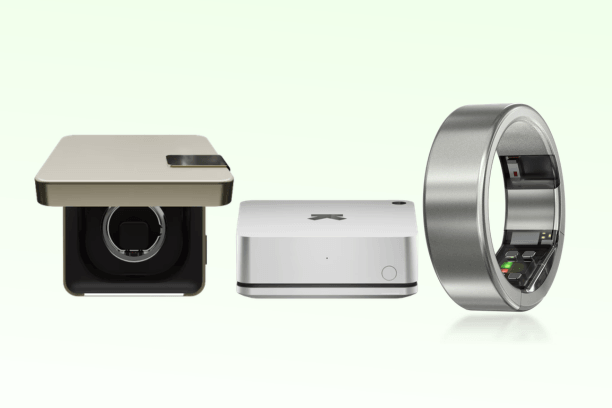 Ultrahuman offers wearable devices and app-based platforms focused on tracking and interpreting physiological data. Its lineup includes smart rings for sleep and recovery tracking, continuous glucose monitoring devices, and at-home health-monitoring systems.
The brand emphasizes real-time health tracking, metabolic monitoring, and performance optimization through continuous data collection.
In this review, we examine the brand’s product ecosystem, including its wearable devices, diagnostic tools, and app-based integration. The review also evaluates real user feedback, data accuracy considerations, and how its multi-device approach functions in daily use.
About Ultrahuman
Ultrahuman is a technology platform that pairs diagnostic testing, wearable devices, and software tools to track sleep, metabolism, recovery, and broader health markers. You interact with the system through a connected app that integrates data across multiple products.
Its product ecosystem includes Ring PRO, a wearable device with a titanium build, temperature and movement sensors, and Bluetooth connectivity, intended to track sleep and recovery with up to 15 days of battery life. Ultrahuman Home, another device, could help monitor environmental factors such as air quality, temperature, humidity, light exposure, and noise, and connect these inputs with sleep-related data.
Blood Vision is a diagnostic service from the platform that could measure over 100 biomarkers across categories such as metabolic health, cardiovascular health, immunity, and hormone health. The platform also supports ovulation tracking through cycle-based analysis using biometric signals such as temperature, heart rate variability, and resting heart rate.
According to its official website, the brand operates under Ultrahuman Healthcare Pvt Ltd and states compliance with ISO27001, GDPR, and HIPAA standards for data protection. The brand also offers UltrahumanX membership, which provides coverage options for devices, including accidental damage protection, replacements, and priority support.
Core Product Line
-
Ring Pro
Ultrahuman Ring PRO is designed as a wearable health-tracking device that combines continuous sensing, local data processing, and long-lasting battery life in a compact form. Its unibody titanium build uses a fighter-jet-grade material known for being lightweight, corrosion-resistant, and durable.The ring’s on-chip machine learning supports faster processing of health data directly on the device. This means the ring can detect patterns from signals like movement, temperature changes, or sleep-related metrics more efficiently without relying entirely on your phone. Local processing can also help reduce lag in syncing and improve battery efficiency because less raw data needs to be transmitted constantly.
Its BLE 5.3 connectivity is designed for stable wireless data transfer. A stronger Bluetooth connection can help maintain consistent syncing during daily wear, including sleep or workouts, while using less power than older wireless standards. This supports smoother access to health trends without frequent reconnection issues.
The Ring PRO also includes ProRelease Technology, which is designed to make the ring easier to cut apart in case of finger swelling or injury. This feature addresses a practical safety concern with smart rings, especially for people who wear them continuously.
-
Ultrahuman M1
As per the official website, Ultrahuman M1 helps you track how your body responds to food, exercise, sleep, and daily routines through real-time glucose data. It focuses on showing how your blood sugar changes throughout the day so you can make more informed decisions based on your own patterns.Its core feature is continuous glucose monitoring, which lets you scan and view glucose changes in near real time. Glucose is your body’s main energy source, and your blood sugar levels can shift depending on meals, physical activity, stress, and sleep. Tracking these changes can help you notice when certain foods lead to faster spikes or sharper drops.
The makers state that the device provides a Food Score feature that looks at how specific meals affect your glucose levels and rates foods on a scale from 1 to 10. This can help you identify which foods digest more smoothly for you.
Its Fuelling Score is aimed at workouts and physical performance. During exercise, your muscles use glucose as a major fuel source, especially during higher-intensity activity. This feature may help you understand when you feel more energized by tracking how meals and timing affect your glucose availability. App integrations with Apple Health, Google Fit, Strava, MyFitnessPal, and Clue also make it easier to compare glucose data with sleep, exercise, and recovery trends for a broader view of how your lifestyle affects your metabolism.
-
Ultrahuman Home
Ultrahuman Home is designed to monitor the conditions in your bedroom and living space that can affect sleep quality, breathing comfort, and overnight recovery. It works in the background by tracking environmental changes such as air quality, temperature, humidity, light, and noise, then turning those readings into insights you can use to adjust your space.As per the official website, the Ambient Sleep Score in this device brings together multiple environmental signals into a single overview of your sleep setting. Your sleep is closely linked to your surroundings because light, noise, temperature, and air quality can impact how you fall asleep and how often you wake up. The device can help you spot patterns that may be affecting deep sleep, recovery, or morning alertness by showing how these factors change overnight.
Its air quality sensors track pollutants such as VOCs, carbon monoxide, carbon dioxide, formaldehyde, smoke, and fine particles like PM1.0, PM2.5, and PM10. These environmental irritants can affect breathing comfort, especially during sleep. Its light exposure sensors monitor red, blue, green, infrared, and UV light.
Ultrahuman Advantages
-
Performance Optimization Brand Focus
Ultrahuman claims to structure its entire product ecosystem around continuous tracking of key physiological systems rather than isolated fitness metrics. The brand integrates multiple data streams, such as sleep, recovery, movement, and metabolic health, through devices like the Ultrahuman Ring (tracking HRV, temperature, sleep stages, and activity) and the M1 system (tracking real-time glucose responses via continuous glucose monitoring).The brand’s approach emphasis on metabolic fitness, where it translates raw data into frameworks like a Metabolic Score to reflect how food intake, exercise, and sleep impact internal biological responses. You can get a more detailed view of how your body responds to everyday habits, rather than just tracking surface-level activity. This can help you make more informed decisions about diet, exercise, and rest based on actual physiological feedback.
-
Integrated Wellness Ecosystem Vision
As per the official site, Ultrahuman operates with an integrated ecosystem that connects multiple health data sources into a single, continuous feedback loop rather than isolated tools. It combines Ring AIR/PRO, M1 continuous glucose monitoring, Blood Vision service with UltraTrace™, and Ultrahuman Home. All of these are consolidated into a single app dashboard, where data streams are layered and analyzed together. This architecture enables cross-domain correlation, for example, linking poor sleep to environmental conditions, or connecting glucose variability to recovery and dietary timing. You can see how different aspects of your lifestyle interact rather than analyzing each metric in isolation. This can help you make more precise, data-informed adjustments to your habits, such as optimizing meal timing, improving your sleep environment, or managing stress and recovery more effectively.
Ultrahuman Limitation
-
Dependence on Continuous Data Commitment
Ultrahuman exhibits high engagement dependency, where the effectiveness of its offerings relies on consistent, multi-device data input. The brand’s core value depends on continuous, longitudinal data streams. If data is incomplete due to irregular device wear, sync gaps, sensor interruptions, or inconsistent usage, the system’s ability to generate precise, personalized insights degrades significantly. Instead of delivering cross-domain correlations, outputs revert toward more generalized interpretations. This makes the ecosystem structurally dependent on high-frequency, uninterrupted engagement to function as intended.This means if your usage is inconsistent, the insights from the brand’s devices become less personalized and less actionable, reducing the overall benefit of the ecosystem. This works well if you are highly engaged and data-driven, but it can feel impractical and highly demanding if you prefer a lower-effort approach to fitness tracking.
Pros
- Provides detailed sleep, recovery, and health tracking insights.
- Devices feature a lightweight, compact, and comfortable wearable design.
- AI-driven real-time health insights ecosystem.
- The devices track multiple aspects, including HRV, temperature, movement, and sleep.
- Offers ovulation and fertility tracking modules.
Cons
- Workout tracking accuracy remains comparatively limited.
- Ring form factor may limit real-time interaction features.
- Some advanced features require paid subscription add-ons.
Ultrahuman Alternatives
-
Oura Ring
Oura and Ultrahuman differ in how they structure their core product experience. As per its official website, Oura keeps its lineup focused around the Oura Ring 4, with six standard finishes. It offers Silver and Black starting around $349, Stealth and Brushed Silver are priced at $399, while Gold and Rose Gold reach $499. The Ceramic range is also priced at $499 and comes in Midnight, Cloud, Petal, and Tide. On the other hand, Ultrahuman currently positions the pre-order Ultrahuman Ring PRO as its newest recovery-focused launch, which makes Ultrahuman’s lineup feel more dynamic but less straightforward than Oura’s established ring-first setup.
The two brands also differ in ecosystem breadth. Oura mainly supports its ring through practical accessories such as the Oura Ring 4 Charger and Gen3 Charger, both priced at $59 and bundled with USB cables. Its store experience stays centered on the wearable rather than expanding into multiple health hardware categories. In comparison, Ultrahuman has built a wider health platform that includes Ultrahuman Home for sleep environment monitoring, Ultrahuman M1 for continuous glucose tracking, and Ultrahuman Blood Vision for testing more than 100 biomarkers. This gives Ultrahuman more depth if you want multiple layers of health data, while Oura remains more focused on refining one core wearable experience.
Oura also extends to highlight curated partnerships rather than more hardware. Its integration with Natural Cycles uses overnight temperature trends captured by the ring to support cycle tracking and FDA-cleared contraception support. On the other hand, Ultrahuman takes a more in-house approach by offering ovulation tracking and broader women’s health monitoring directly within its app. Its app also brings together Ring, Metabolism, Home, and Vision features in one interface. Ultrahuman feels more combined if you want multiple health categories available in a single platform.
On trust and data protection, both brands present strong compliance credentials, but their positioning reflects their product scope. According to their official website, Oura emphasizes strict GDPR compliance under European privacy standards, de-identified data handling, and support from its medical advisory board. In comparison, Ultrahuman highlights ISO27001, GDPR, and HIPAA compliance, which aligns with the larger volume of health data it collects across its ring, glucose monitor, blood testing, and home sleep monitoring tools. Oura focuses on a polished and simplified smart ring experience, while Ultrahuman offers a broader preventive health platform that extends beyond one wearable.
-
Whoop
Whoop is built around a membership-led system that combines a screen-free wearable with continuous coaching. The platform focuses on helping you improve sleep, strain, recovery, stress, and heart health through daily recommendations. On the other hand, Ultrahuman takes a wider preventive health approach. Instead of centering everything around one wearable and a coaching subscription, it offers a connected ecosystem that includes the Ring PRO, M1 glucose monitor, Home ambient sleep monitor, Blood Vision blood testing, Vision Cloud report interpretation, and women’s health tools. This makes Ultrahuman feel broader in scope, while Whoop feels more focused on performance optimization.
The hardware experience reflects that difference. Whoop offers devices that are designed as a dedicated wrist-based tracker that you wear around the clock. Its Whoop 5.0 and Whoop MG devices offer 14+ day battery life, always-on sensors, and a screen-free design that avoids notifications and distractions. The brand also gives you multiple ways to wear the device through interchangeable bands like LeatherLuxe, SportFlex, SuperKnit, and Whoop Body apparel integrations. Ultrahuman, in comparison, leans into ring-based wearables. The brand offers Ring PRO, which is positioned as a real-time sleep and recovery tracker with a more refined design aesthetic. Ultrahuman also extends beyond wearables with devices like Ultrahuman Home, which tracks sleep and environmental factors without requiring anything to be worn overnight.
The brands also differ in how far they go with advanced health metrics. Whoop offers a tiered annual membership model that bundles hardware and software together. The $199/year Whoop One plan includes sleep, strain, recovery, personalized coaching, VO2 max, heart rate zones, and women’s hormonal insights. Meanwhile, the $239/year Peak plan adds Healthspan, pace of aging, health alerts, and real-time stress monitoring. The brand also offers Advanced Labs in the U.S., which combines 65+ biomarker tests with clinician-reviewed guidance and links lab data to daily wearable trends. On the other hand, Ultrahuman builds this broader health picture directly into its ecosystem. Its Blood Vision offers testing for 100+ biomarkers, while M1 gives you real-time glucose tracking for metabolic health. Vision Cloud adds health report interpretation, and Ultrahuman Home brings in sleep environment analysis.
-
RingConn
RingConn keeps its product range tightly focused on smart rings and app-based wellness tracking. Meanwhile, Ultrahuman has built a wider ecosystem that stretches beyond wearables. As per its official website, RingConn’s lineup centers on the Gen 2 and Gen 2 Air, both designed to give you continuous insights through a lightweight ring form factor. The Gen 2 starts at $299 and emphasizes automatic sleep apnea monitoring, while the Gen 2 Air starts at $199 and focuses on AI-powered guidance and essential wellness tracking. Ultrahuman, in comparison, positions itself as a broader health platform with Ring PRO, supported by additional products such as M1 continuous glucose monitoring, Blood Vision for testing 100+ biomarkers, Ultrahuman Home for ambient sleep monitoring, and women’s health tools. This makes RingConn more focused on streamlined ring-based tracking, while Ultrahuman offers a more layered ecosystem for people who want multiple health inputs in one place.
RingConn is built around making core health tracking accessible without extra complexity. The brand offers RingConn rings, which include app access with no subscription fee, and the brand highlights multi-dimensional health monitoring as part of the upfront purchase. Its Gen 2 also supports HSA/FSA payments, includes a charging case in the box, and offers optional Care+ protection for accidental damage, theft, or loss. Meanwhile, Ultrahuman also avoids locking core ring features behind a subscription, but its broader ecosystem involves more services, products, and optional memberships like UltrahumanX.
Sleep and recovery tracking is where both brands are strong, but their priorities differ. RingConn puts more emphasis on practical sleep health and early issue detection. It offers Gen 2, which is marketed as the ultra-thin smart ring with sleep apnea monitoring, tracking apnea index, breathing quality, SpO2, and sleep stages to help you spot risks early. On the other hand, Ultrahuman focuses more on recovery optimization and long-term performance, using ring data to help you understand sleep quality, readiness, and recovery while also offering Ultrahuman Home for ambient sleep environment monitoring. RingConn is more focused on sleep problem detection, while Ultrahuman is built to connect sleep with overall performance and lifestyle optimization.
How Did We Evaluate?
-
Brand Reputation
To evaluate Ultrahuman, we analyzed the brand’s core positioning, business model, and ratings across independent review forums. The brand operates as a relatively young entrant in the wearable health-tech space, with a focus on metabolic tracking and smart ring devices. Its positioning reflects a technology-first approach, though not yet supported by a long-standing track record.On Trustpilot, the brand carries a 3.7 out of 5 score based on 530+ reviews, indicating a mixed perception. Positive feedback revolves around responsive support interactions, including replacements and issue handling, once communication is established. However, some reviews highlight recurring concerns around battery performance, connectivity issues, and repeated device failures within relatively short timeframes.
Ultrahuman’s reputation reflects a brand still stabilizing its product and service consistency. Customer support is often viewed as responsive, but repeated hardware concerns may impact long-term confidence in its offerings.
-
Real User Feedback
While evaluating Ultrahuman, we looked at the real user experiences of the brand and its offerings across multiple Reddit threads and discussions in 2026.Feedback around the brand’s devices, such as Ring AIR and Ring PRO, indicates recurring concerns related to device reliability, with some users describing rings failing within months or requiring multiple replacements within a relatively short ownership period. Commonly reported issues included loss of core tracking functions such as sleep and step data despite partial sensor activity, along with inconsistent battery performance where devices either drain quickly or display irregular charging behavior. However, some user experiences indicated that some units continued to function consistently for over a year, suggesting that performance might vary depending on the specific device and usage conditions.
Customer support interactions appear uneven across cases. Some users expressed receiving replacements or refunds after repeated follow-ups, while others described denied claims despite extended warranties or confusion around membership-based coverage timelines. Instances of multiple replacements before resolution, as well as differences in responsiveness across support channels, are also noted.
The available feedback reflects a mixed but largely inconsistent experience. While the products are considered functional when operating as intended, repeated hardware issues and varying support outcomes influence long-term satisfaction.
Frequently Asked Questions
- Does Ultrahuman provide a fully subscription-free ecosystem?
The brand offers subscription-free access to core features of products like the Ring AIR, including sleep, recovery, and activity insights. However, other parts of its ecosystem, such as the M1 glucose monitoring program and some advanced features or services, require recurring payments. - Are readings from Ultrahuman devices accurate during high-intensity workouts?
No. Devices like the Ring AIR and Ring PRO may show reduced accuracy during high-intensity workouts. Factors like hand movement, gripping, and muscle tension may impact the readings from finger-based optical sensors, leading to less reliable heart rate tracking. Accuracy is generally better during steady-state activities. - Do Ultrahuman devices integrate nutrition tracking features?
Yes. The brand integrates nutrition tracking through its app ecosystem, particularly when paired with the M1 continuous glucose monitor. You can log meals and view macro breakdowns, while the system analyzes glucose responses to generate food scores and metabolic insights.
Conclusion
Ultrahuman provides a data-driven wearable ecosystem built around continuous biometric monitoring, with a focus on sleep, recovery, and metabolic patterns. The system pairs a ring-based device, app analytics, and optional add-ons to track long-term physiological trends rather than short-term activity metrics.
However, the tracking system maintains a strong reliance on the mobile app. Most insights, interpretations, and actionable outputs are delivered through the interface, while the hardware primarily functions as a data collection tool. This creates dependence on app usability, data clarity, and syncing performance.
The brand’s dependence on the ring form factor may limit battery size, sensor capacity, and processing power compared to larger wearables, which might impact battery life and responsiveness. When considering Ultrahuman, it is essential to account for variability in tracking accuracy during movement-heavy activities, potential surface wear over time, and a learning curve associated with interpreting dense data outputs.

Rachel has been a freelance medical writer for more than 18 years. She graduated from the University of Tennessee at Knoxville in 2005 and is currently practicing as a Certified Registered Nurse Anesthetist at a Level I trauma center.
Leave a Reply