

No products in the cart.
Contents
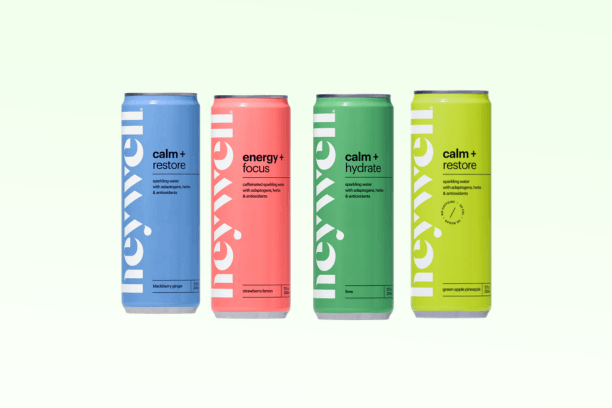 Heywell offers functional sparkling water designed to support everyday support through convenient, ready-to-drink options. It states that its offerings include adaptogens, antioxidants, electrolytes, and organic caffeine.
The brand claims to support specific functional goals such as energy, hydration, focus, immunity, and stress support. It offers multiple formulations and flavor options aligned with these needs.
In this review, we will explore what Heywell offers and how it compares with similar functional drink brands in the market. We will also analyze consumer reviews to understand how its offerings perform and their usability.
About Heywell
As per the official website, Heywell operates within the functional category, with drinks powered by a mix of adaptogens, antioxidants, electrolytes, herbs, and organic caffeine. Its product lineup is structured around targeted benefits, including calm + hydrate, calm + restore, energy + focus, energy + hydrate, energy + immunity, and energy + lift.
The brand states that its products are widely available across the United States through both online and offline channels. You can find the brand in select grocery stores, natural food markets, and specialty retailers such as Target, Whole Foods, Bristol Farms, Central Market, and Foxtrot, along with various independent stores and co-ops.
Offerings
-
Calm Collection
Heywell’s Calm Collection may support hydration, stress response, mood balance, and electrolyte replenishment. It includes a range of sparkling functional drinks that combine carbonated water with adaptogens, amino acids, minerals, and botanical extracts. The category includes multiple variants such as energy + focus sparkling strawberry lemon, energy + hydrate sparkling lemon fizz, and energy + immunity sparkling grapefruit.
The products contain lemon balm extract, which may cause calming effects on the nervous system, potentially influencing stress and mild anxiety pathways. Schisandra fruit extract is also included as an adaptogenic component, typically linked to stress adaptation and antioxidant activity.
These drinks also contain l-theanine, which could promote relaxation without sedation and may influence neurotransmitters involved in stress and attention. The formulation also includes magnesium chloride and potassium citrate as mineral sources, which are generally involved in muscle function, nerve signaling, and fluid balance, while Himalayan pink salt contributes sodium that may support electrolyte balance.
-
Energy Collection
Heywell Energy Collection may support energy, focus, hydration, and stress response. The drinks combine caffeine, amino acids, adaptogens, and fruit-derived components. The formulators have included caffeine, which may support alertness and cognitive activity depending on tolerance. L-theanine has also been added, which may influence focus and relaxation.
The makers have also added amla extract for vitamin C, especially in the energy + immunity sparkling grapefruit, which may contribute to immune function and oxidative stress management.
Advantages
-
Stress Support Ingredient Framework
Heywell builds its product portfolio around an adaptogen-centric formulation strategy, with ingredients such as ashwagandha and schisandra serving as core components across most offerings. This consistent use of adaptogens supports the brand’s positioning around stress response and resilience. The brand offers a more uniform experience focused on stress support and hydration by maintaining a similar ingredient framework across its lineup. This makes it easier to approach the brand, as you do not need to compare multiple formulations to understand what each option is designed to support.
-
Omnichannel Retail Distribution Presence
Heywell supports accessibility through a mix of physical retail, e-commerce, and specialty channels. The brand’s products are available across major national retailers such as Target and Walmart, along with regional grocery chains like Wegmans and Mariano’s, and specialty outlets including Erewhon and Foxtrot.
This reach is further supported by distribution partnerships with networks such as UNFI, KeHE, and Pod Foods, which help extend its presence across grocery and wellness-focused channels nationwide. In addition to in-store availability, Heywell also sells through Amazon and its direct online platform.
This broad distribution allows Heywell to remain widely accessible, giving you the flexibility to find its products both in local stores and through online platforms without relying on a single purchase channel.
Potential Limitation
-
Emerging Category Credibility Gaps
Heywell faces credibility limitations due to limited scientific validation, regulatory constraints, and evolving consumer understanding. Its products include adaptogens such as ashwagandha and schisandra, ingredients that have shown some short-term benefits in smaller studies but lack large-scale, long-term randomized controlled trial evidence, especially in drink formats.
The category itself is still developing, which can lead to differences in how products are understood and evaluated. This makes it harder to clearly determine the impact of these formulations. While Heywell highlights benefits like stress support or balance, the actual effects can vary and are not guaranteed.
Pros
- Functional sparkling water positioning.
- Includes adaptogens for stress support.
- Uses antioxidants in formulations.
- Gluten-free product formulation.
Cons
- Relies on functional ingredient claims.
- Benefits not clinically substantiated publicly.
Alternatives To Heywell
-
Hopwtr
Hopwtr uses a brewer-approved blend of Citra, Amarillo, Mosaic, and Azacca hops, which resembles a hop-infused drinking experience. This hop base is paired with a consistent mix of adaptogens and nootropics, including L-theanine, Reishi mushroom extract, and Vitamin C for general wellness support. On the other hand, Heywell builds its drinks around a broader functional system that combines antioxidants, adaptogens, minerals, herbs, and organic caffeine. It positions every product to support specific outcomes like energy, hydration, immunity, focus, and stress management, depending on the variant. A clear distinction appears in how both brands handle stimulation. Hopwtr does not contain any caffeine, which allows you to consume it freely at any time, including evenings, without affecting sleep or overstimulation. Its calming approach relies on L-theanine and adaptogens rather than stimulants. Heywell, however, highlights adding 75 mg of organic caffeine sourced from green coffee beans in its offerings. This caffeine is intentionally paired with L-theanine to balance stimulation with focus and reduce jitteriness.The ingredient strategy further separates the two brands in terms of consistency versus variability. Hopwtr maintains a stable functional base across all its products, meaning each flavor contains the same core ingredients like Reishi extract, L-theanine, and Vitamin C, with the variation mainly coming from flavor additions such as blood orange, mango, lime, peach, ruby red grapefruit, and newer options like raspberry iced tea and iced tea lemonade. Heywell, on the other hand, adjusts its ingredient combinations depending on the function of each drink. Its formulations may include schisandra as an antioxidant that supports energy, ashwagandha for restorative stress support, ginseng for fatigue, and electrolytes to support hydration and fluid absorption.
Their taste profiles also support these formulation differences. Hopwtr is built around its hop blend, delivering a distinct flavor characterized by aromatic citrus notes and a balanced bitterness. This gives it a more niche taste experience compared to typical sparkling drinks. On the other hand, Heywell avoids any hop-based influence and instead focuses on familiar, fruit-forward sparkling flavors such as strawberry lemon, blackberry ginger, green apple pineapple, and grapefruit, which align more closely with traditional flavored sparkling water.
When it comes to product structure and purchasing options, Hopwtr highlights more variation in both format and pricing. You can choose from 12-packs, typically priced at $24.05 (discounted from $36.99), along with larger bundles like 24-packs and 36-packs priced between approximately $38.93 and $55.25. It also provides themed bundles such as Ultimate Flavor Bundle, Hopped Up Bundle, Summer Sippers, along with options like a Month Supply, giving you flexibility in both quantity and flavor combinations. In comparison, Heywell keeps its structure more streamlined, offering individual functional variants like calm + hydrate sparkling lime or energy + focus sparkling strawberry lemon, along with a mixed pack, all priced consistently at $41.99, indicating less emphasis on bulk pricing or bundle customization.
Hopwtr offers steady, non-stimulating options that appear to support calmness, balance, and daily wellness without requiring you to time your intake. Its caffeine-free formulation and consistent ingredient profile make it suitable for repeated use throughout the day. Heywell, by comparison, is designed more around situational use, where you select a drink based on your immediate need, whether that is energy, hydration, immunity, or focus.
-
Takerecess
According to their official website, Recess and Heywell both operate in the functional sparkling drink space, but they differ in how they structure their offerings and the type of support they prioritize. Recess organizes its portfolio into multiple categories. These include Recess Mood sparkling water with magnesium and adaptogens, hemp-infused sparkling water, Zero Proof mocktails, and Mood Powders. Heywell, on the other hand, focuses on a single category of functional sparkling water, offering variants like energy + focus, calm + hydrate, and energy + immunity, without extending into mocktails or powdered formats.The ingredient approach further separates the two. Recess centers its formulations on magnesium L-threonate, L-theanine, lemon balm, and passion flower, along with broad-spectrum hemp and American ginseng in certain variants. These ingredients are positioned to ease tension, support equilibrium, and help you unwind. Meanwhile, Heywell uses a broader mix that includes adaptogens, antioxidants, and minerals, combining amla berry for vitamin C, schisandra for sustained energy, ashwagandha for stress support, and electrolytes for hydration. It also includes L-theanine and lemon balm, but pairs them with additional functional inputs rather than focusing primarily on calming effects.
Recess claims to target relaxation, offering options like Mood drinks to help you unwind and Zero Proof mocktails positioned as alcohol-free alternatives for social occasions. Heywell, on the other hand, is designed to support energy, focus, hydration, immunity, and stress support. It allows you to select a product based on a specific functional need rather than a single mood state.
Recess emphasizes a calm-focused, unwind-driven experience supported by magnesium, hemp, and adaptogens across multiple formats. In comparison, Heywell positions itself around multi-functional performance with caffeine, antioxidants, and electrolytes, delivered through a more streamlined sparkling water lineup.
How Did We Evaluate?
-
Brand Reputation
We evaluated Heywell’s brand reputation using data from platforms such as BBB, ConsumerAffairs, Tenereteam, and Reviews.io, where we found little independent coverage or verifiable listings under the brand’s name. This limited presence across established consumer feedback channels restricts access to aggregated ratings, complaint histories, or formally documented customer experiences, making third-party validation difficult.
However, on Thingtesting, Heywell holds a 4.5 out of 5 rating based on 10+ reviews. Feedback generally highlights favorable taste, light carbonation, and perceived energy support. At the same time, some users question the functional benefits related to focus, immunity, or stress, noting minimal noticeable effects. The relatively small size and limited information across these platforms make it difficult to understand the brand’s reputation.
-
Real User Experiences
The evaluation of Heywell’s real user experiences is based on publicly available Amazon customer feedback. It indicates that taste is one of the more consistently appreciated aspects of the drinks. The Strawberry Lemon flavor, which holds a rating of 4.4 out of 5 from 60+ global reviews, is often described as balanced and easy to drink. The Energy and Immunity variant, rated 4.4 out of 5 from 30+ global reviews, is frequently noted for its crisp and slightly tart profile.
Some users highlight functional benefits, though results appear mixed. The Calm and Sleep Drink, which has a rating of 4.2 out of 5 from about 40+ global reviews, is often associated with mild relaxation effects, with some reviewers describing it as helpful for unwinding after work or as part of an evening routine.
The brand’s Energy and Immunity option, several users report a steady energy boost without jitters or crashes, which they find preferable to stronger caffeinated drinks. At the same time, other customers across these products mention that they did not notice significant changes in mood, energy, or sleep quality, suggesting that the impact of adaptogens and functional ingredients may vary by individual.
However, pricing emerges as a consistent concern across these products. Several users describe the drinks as relatively expensive. This appears across feedback for the Calm and Sleep Drink, Energy and Immunity, and Strawberry Lemon variants. There are also occasional mentions of packaging issues, such as damaged cans during delivery. Customer feedback suggests that the brand performs well in taste and formulation, but variability in outcomes and cost considerations remain areas for improvement.
Frequently Asked Questions
- Does Heywell support specific goals like stress or focus?
The brand states that it provides additional support for managing stress and focus through functional sparkling waters formulated with adaptogens, botanicals, and organic caffeine. Specific blends include ingredients like L-theanine, ashwagandha, lemon balm, and 75 mg caffeine, though effects may vary by individual. - Are Heywell products used during workouts?
The brand states that some of its drinks, like Calm + Hydrate Sparkling Lime, could be suitable after workouts, with electrolytes such as pink Himalayan salt, potassium, and magnesium. Variants with 75 mg organic caffeine may support light energy, though they are not specialized sports drinks. - Does Heywell offer packaging suitable for on-the-go use?
The brand states that its drinks come in 12-oz slim cans designed for portability, fitting easily into bags or cup holders. Options like Discovery Packs and bulk cases allow you to grab single cans for on-the-go use throughout the day.
Final Words
Heywell organizes its offerings around specific needs such as energy, hydration, focus, and relaxation. It uses ingredients such as caffeine and electrolytes, which have established roles in supporting alertness and fluid balance. However, most of this evidence comes from ingredient research, and the effects in ready-to-drink formats with lower dosages may be less pronounced.
The brand’s structured approach allows for easy selection based on intended benefits, but the broader functional category still lacks strong long-term clinical validation. The flavored, carbonated format may not align with all preferences, and cumulative intake of caffeine or botanicals across multiple servings may require attention.
A few precautions are also worth keeping in mind when using Heywell and its products. Monitoring total caffeine intake across sources can help avoid unintended overstimulation. Awareness of potential interactions between adaptogens and medications or existing conditions is also important. Heywell offers convenient functional drinks, though its reliance on emerging ingredients and variable dosing remains a notable constraint.

Rachel has been a freelance medical writer for more than 18 years. She graduated from the University of Tennessee at Knoxville in 2005 and is currently practicing as a Certified Registered Nurse Anesthetist at a Level I trauma center.
Leave a Reply