

No products in the cart.
Contents
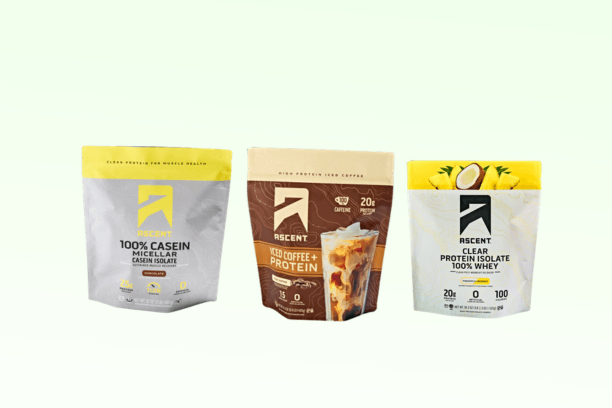 Ascent Protein focuses on products designed to support workout recovery, muscle maintenance, and everyday nutrition. Its range features whey protein powders, clear whey isolate drinks, micellar casein protein, creatine, and ready-to-drink protein options.
The brand positions its products as convenient ways to help support muscle recovery after exercise, maintain daily protein intake, and provide accessible nutrition.
In this review, we will take a closer look at the brand by examining its product offerings, key brand advantages, and potential limitations. We will also evaluate feedback from consumers to provide a clearer understanding of how the brand positions itself within the sports nutrition market.
About Ascent Protein
Founded in the year 2016 and based in Denver, Colorado, Ascent Protein claims to support athletic performance, strength, and post-workout recovery. The brand primarily operates within the sports nutrition and performance category. It also highlights that its products are Informed Sport Certified, meaning they undergo third-party testing for banned substances.
The brand’s product lineup covers several protein-based and performance support categories. These include whey protein powders, Clear Whey Isolate, Micellar Casein, and Iced Coffee + Protein products. The brand’s website also features a Protein Calculator, which is a digital tool designed to help you estimate your daily protein requirements based on body weight, activity level, and training goals.
Ascent Protein Offerings
-
Protein Powders
Ascent Protein offers various protein offerings that include whey protein powders and clear whey protein isolate formulas. Whey protein may help repair and rebuild muscle fibers that experience stress during physical activity. It allows amino acids to enter circulation faster, which may support muscle recovery and help maintain muscle mass after exercise. Options such as Chocolate Protein Powder, Vanilla Protein Powder, Mint Chocolate Chip Whey Protein Powder, Fruity Cereal Protein Powder, and Lemon Sorbet Protein Powder use whey protein as the primary ingredient.Products such as Orange Mango Clear Whey Protein Isolate and Pineapple Coconut Clear Whey Protein Isolate rely on whey protein isolate. The amino acids released from whey isolate contribute to muscle protein synthesis, a process where cells assemble amino acids into new muscle proteins.
-
Iced Coffee With Protein
Iced Coffee With Protein could help address both protein intake and natural energy support. It contains whey protein concentrate, which breaks down into amino acids that enter the bloodstream and support processes such as muscle recovery, enzyme activity, and the maintenance of body tissues. The addition of Colombian coffee contributes caffeine that acts on the central nervous system. Caffeine blocks adenosine receptors, which can reduce the sensation of fatigue and promote temporary alertness. This effect may help support focus and energy levels, particularly during early hours of the day or before physical activity.
-
Micellar Casein
Micellar Casein protein powders are available in flavors like Chocolate, Chocolate Peanut Butter, and Vanilla Bean. These formulas primarily use micellar casein isolate, which forms a gel-like structure in the stomach that potentially slows the release of amino acids into the bloodstream. This may support muscle maintenance and help reduce muscle protein breakdown during longer periods without food.Cocoa (processed with alkali) is included in flavored versions such as chocolate-based variants. Cocoa can help neutralize free radicals generated during normal metabolic activity. It also contributes flavor while adding small amounts of minerals such as magnesium and iron, which might support energy metabolism and oxygen transport in the body.
-
Creatine
As per the official website, the Creatine formula is formulated with 100% Creapure® creatine monohydrate. It may support cellular energy production during short bursts of high-intensity activity.Creatine contributes to the regeneration of adenosine triphosphate, which may help muscle cells to generate force. It also helps replenish ATP stores by donating a phosphate group, which allows muscles to continue producing energy for repeated high-intensity efforts. This may support improvements in strength, power output, and workout performance when combined with regular training. Creatine may also support lean muscle development and exercise endurance. The makers highlight that the formula may contribute to improved cellular hydration and support the environment needed for muscle protein synthesis.
-
Hydration + Energy
As per the official website, Hydration + Energy could support hydration and short-term energy. It is available in flavors such as raspberry lemonade, orange mango, and citrus. The electrolyte portion in this formula comes from sodium citrate and potassium citrate, while caffeine is sourced from coffee fruit extract.Sodium citrate helps regulate the movement of water across cell membranes and supports nerve signaling and muscle contraction. Meanwhile, Potassium citrate provides potassium, which may support muscle contraction, nerve transmission, and maintain normal electrical activity in muscle cells.The makers added coffee fruit extract, which can temporarily stimulate the central nervous system by blocking adenosine receptors in the brain. This may reduce the sensation of fatigue and support increased alertness and focus during physical or mental activity.
Ascent Protein Advantages
-
Established Brand Heritage Backing
Ascent Protein states that it developed from the dairy and protein manufacturing background of its parent company, Leprino Foods. The company describes Leprino Foods as a family-owned business headquartered in Denver, with origins dating back to 1950 when the Leprino family began producing cheese for a local market.Over time, Leprino Foods expanded into large-scale dairy processing and ingredient manufacturing. The company is widely recognized as one of the world’s largest producers of mozzarella cheese and also supplies dairy-derived ingredients used across the food and nutrition industries. According to the official website, the brand was launched in 2016 as Leprino Foods’ consumer-focused sports nutrition line. The brand claims it draws on the parent company’s existing infrastructure in dairy science, milk processing, and protein production. This background suggests that Ascent may benefit from decades of experience in handling dairy proteins and large-scale manufacturing systems. This heritage may indicate that the brand’s protein products are developed within an established dairy production environment, which could support more consistent sourcing, processing standards, and overall product reliability.
-
Elite Athlete Partnership Network
Ascent Protein states that it collaborates with athletes across several high-performance sports, including professional football, CrossFit, Olympic weightlifting, soccer, and obstacle course racing. Through these partnerships, the brand positions itself within communities that emphasize strength training, endurance performance, and competitive athletics. The brand highlights several athlete partners from different disciplines. These include Fred Warner, who joined the Ascent athlete roster in 2024, and Jourdan Delacruz, who competes internationally in Olympic weightlifting, and Ali Riley. The brand further partners with obstacle course racing athletes such as Rea Kolbl and Robert Killian, who compete in endurance events including the Spartan Race. This athlete partnership network may indicate that the brand aims to align its products with people who train and compete at high performance levels, which could suggest a focus on formulations designed for demanding training routines and recovery needs.
Ascent Protein Limitation
-
Certification Coverage Constraints
Ascent Protein does not broadly carry widely recognized verification programs such as NSF Certified for Sport or Clean Label Project certification. While it holds certification from the Informed-Sport program, the absence of these additional certifications creates a narrower level of external verification compared with brands that maintain multiple certification frameworks. This may influence the level of independently verified assurance you receive about product quality. The Informed-Sport certification still indicates that the product is screened for banned substances, which may be important for drug-tested athletes. However, you may not receive the same level of third-party confirmation for areas such as contaminant testing or protein label accuracy that some competing protein powders provide.
Ascent Protein Alternatives
-
Momentous
Momentous maintains a wide product ecosystem designed to support athletic performance, recovery, and fitness. Its catalog includes products such as Fuel for sustained energy, Vital Aminos for muscle and metabolic support, and Recovery formulas for post-workout fatigue and inflammation. The brand also offers Whey Protein Isolate made with European grass-fed whey, plant-based protein powders providing 20 g of protein per serving, L-Glutamine for gut and immune support, and bundles such as The Momentous Three, which combines protein, creatine, and omega-3 for foundational support. In comparison, Ascent Protein focuses primarily on protein-based products rather than a full sports nutrition system. Its lineup centers on whey protein powders and related products such as clear whey protein isolate, micellar casein protein, iced coffee with protein, and flavored whey blends. The brand also offers products such as Pineapple Coconut Clear Whey Protein Isolate and Mocha Cold Brew Protein Powder. While creatine and hydration products are listed in its navigation categories, the main emphasis across the catalog remains protein powders formulated to support muscle recovery and daily protein intake.The brands also differ in how they position product quality and validation. Momentous highlights that its products are NSF Certified for Sport®. The brand states that its products meet the standards required by organizations such as the NFL, NBA, MLB, WNBA, and the Olympic Committee. It also emphasizes transparent labeling, stating that its formulas do not contain proprietary blends and that all ingredients are fully disclosed on product labels. Meanwhile, Ascent Protein focuses more on ingredient simplicity and formulation clarity. The brand highlights that its products are made with clean whey protein and contain no added sugar, zero artificial flavors, and no artificial sweeteners. Its messaging focuses on creating protein powders that support muscle recovery.
The formats and innovation within the product lines also show clear differences. Momentous offers multiple delivery formats, including travel packs for whey protein isolate, creatine, and collagen peptides. It also introduces specialized products such as PR Lotion®, which delivers sodium bicarbonate through the skin to help buffer lactic acid during training. These formats reflect a performance-focused approach designed for training environments and athletic recovery routines. On the other hand, Ascent Protein mainly provides its products in traditional powder formats packaged in protein bags. These powders are designed to be mixed into shakes or drinks, with flavor variety and protein type being the primary differences across the product line.
Pricing structures also reflect the broader product range offered by Momentous. Single products, such as whey protein isolate, are listed at around $59.95, while formulas like Recovery or Vital Aminos range roughly between $45 and $54. Smaller travel packs and creatine options start around $17, while bundled products such as The Momentous Three are priced around $124.85. Meanwhile, Ascent Protein’s products generally fall within a narrower range, with protein powders starting around $22.97 and several flavored whey products priced around $39.99 to $45.94, depending on the formula and flavor.
Momentous offers products that address endurance, recovery, cognitive support, and foundational health for athletes and training programs. Ascent Protein takes a more focused approach centered on whey and casein protein powders designed to support muscle recovery and daily protein intake, with an emphasis on clean ingredients and flavor variety.
-
Thorne
Thorne addresses a wide range of fitness categories such as sports performance, gut health, immune support, sleep, metabolism, hormone balance, cognition, and multivitamins. Its catalog includes formulas designed for cardiovascular health, joint support, energy production, and digestive balance. Ascent Protein, in comparison, maintains a much narrower focus on sports nutrition, with its offerings centered primarily on protein powders, casein products, creatine, hydration formulas, and protein-based drinks intended to support muscle recovery and athletic training.Protein formulation also highlights a difference in positioning between the two companies. Thorne includes whey protein isolate formulas that provide 21 grams of bioavailable protein in one scoop. However, protein powders represent only one segment of Thorne’s larger product ecosystem. Ascent Protein, on the other hand, builds its brand mainly around protein products, offered in numerous flavor variations. The brand markets these products primarily as recovery-focused formulas that support muscle growth after workouts and athletic training.
Ingredient philosophy is another area where the brands present different priorities. Thorne emphasizes strict ingredient control through its internal No List, which excludes more than 60 substances the company refuses to include in its products. This approach aims to eliminate unnecessary fillers, additives, and allergens that may interfere with product purity or nutrient absorption. Ascent Protein focuses on a clean-label formulation strategy, promoting products made with zero artificial flavors or sweeteners and ingredients that are recognizable and sourced from real food.
Quality control and testing procedures further differentiate the two companies. Thorne outlines a highly structured manufacturing process involving four rounds of testing, beginning with raw material screening for contaminants, followed by in-process testing to verify ingredient quantities, finished product testing for potency and purity, and stability testing to ensure formulas maintain their label claims throughout shelf life. The company reports conducting more than 100,000 tests annually in its quality control laboratories. Ascent Protein emphasizes third-party verification rather than internal laboratory infrastructure, noting that its products are Informed Sport Certified, meaning they are independently tested for banned substances that are commonly screened in competitive sports.
Thorne offers extensive testing protocols, clinical collaborations, and products covering multiple fitness categories. Meanwhile, Ascent Protein remains more specialized in protein-based sports nutrition, focusing on clean whey formulations and recovery products.
Pros
- Uses native whey protein source.
- Includes hydration and recovery products.
- Offers both unflavored and flavoured protein options.
Cons
- Taste inconsistencies across batches are reported.
- No public Certificate of Analysis available.
How Did We Evaluate?
-
Brand Credibility
We examined the Ascent Protein’s presence on major consumer review and complaint platforms to assess its brand reputation. The brand does not currently appear to have listings or publicly available reviews on platforms such as Yelp, Better Business Bureau, ConsumerAffairs, or Trustpilot. The absence of details on these platforms limits the availability of independent consumer feedback that limits understanding of the customer service experiences, complaint patterns, or overall satisfaction. The evaluation indicates that while Ascent Protein has been operating for several years, there is limited third-party consumer feedback available on independent review platforms.
-
Real User Experiences
To evaluate Ascent Protein, we examined customer feedback from Amazon across some of the brand’s commonly purchased products. Its 100% Whey, Native Whey Protein Blend holds a 4.7 rating based on 1,211+ reviews. Many users highlight the powder’s smooth taste and mention that the vanilla flavor is not overly sweet or artificial. Customers often note that the powder mixes well with water or milk and does not produce the chalky texture that some protein powders are known for. However, a few customers mention minor issues such as dissatisfaction with the zip-lock packaging.On the other hand, Creatine Monohydrate Powder has received a 4.7 rating based on 617+ reviews. Users frequently describe the product as a simple, unflavored creatine that can be mixed into different drinks without affecting taste or texture. Several also mention that the powder dissolves easily in drinks like water, coffee, or smoothies, making it convenient to combine into daily routines. Some users report noticing improvements in workout endurance, strength, or recovery after using the product regularly. However, a few note that the powder may dissolve more slowly in very cold liquids.
Based on this customer feedback, Ascent Protein appears to receive consistently strong ratings across its key products, with many highlighting taste, mixability, and relatively simple ingredient formulations. While minor concerns such as packaging or dissolution are occasionally mentioned, the overall sentiment for these offerings appears favorable.
Frequently Asked Questions
- Does Ascent Protein offer its products in travel-friendly single-serve packets?
No. The brand mainly highlights protein powders sold in tubs or bulk sizes, such as Chocolate and Vanilla flavors. The site does not highlight travel-friendly single-serve packets or on-the-go sachets within its main product listings. - Are all Ascent Protein products third-party certified for sports use?
Yes. The brand states that its products are third-party certified through the Informed Sport program, which tests each batch for more than 280 substances banned by the World Anti-Doping Agency (WADA). However, the website does not mention NSF Certified for Sport or confirm certification for every product category. - Does Ascent Protein provide detailed allergen explanations for each product?
No. The brand’s product pages, including Chocolate Protein Powder and Vanilla Protein Powder, list basic allergen declarations such as contains milk and soy under the ingredient section. However, the website does not provide detailed explanations about allergen risks, processing exposure, or cross-contamination guidance.
Conclusion
Ascent Protein operates within the sports nutrition category and positions its products around post-workout recovery and daily protein intake. At the same time, its certification coverage remains narrower as it does not broadly display additional certifications that verify factors such as contaminant screening, ingredient purity, or protein label accuracy. This may leave fewer layers of independent validation across the product range.
The brand’s strong reliance on dairy-derived proteins may also limit suitability for some people. Whey and casein originate from milk, and people with dairy intolerance, lactose sensitivity, or milk protein allergies may not tolerate these products well. Although whey isolate typically contains reduced lactose levels, small amounts may remain depending on processing methods.
When considering the brand’s products, it may help to review your tolerance to dairy-based proteins and evaluate whether the brand’s current level of third-party testing meets your expectations for verification and transparency.

Rachel has been a freelance medical writer for more than 18 years. She graduated from the University of Tennessee at Knoxville in 2005 and is currently practicing as a Certified Registered Nurse Anesthetist at a Level I trauma center.
Leave a Reply