

No products in the cart.
Contents
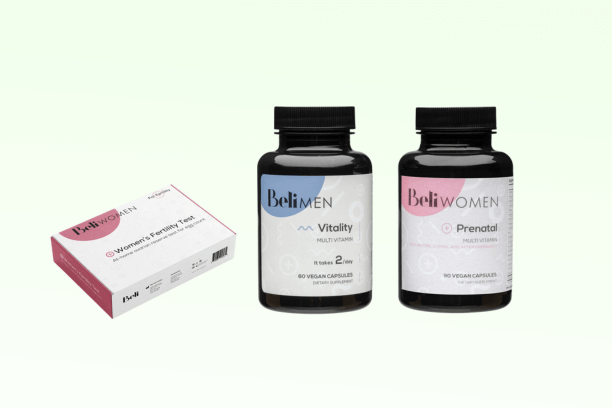 Beli is a fertility- and prenatal-focused brand that offers targeted products. Its range includes fertility formulas, preconception blends, prenatal vitamins, postpartum support, and couple-focused bundles.
The brand claims that its offerings may help address specific concerns related to conception and pregnancy. It aims to promote egg quality, hormone balance, cycle regularity, and nutritional needs through its product line.
In this review, we will explore the brand’s full product lineup, its advantages, and potential limitations. We will also analyse what real users say about their experience with Beli.
About Beli
As per the official website, Beli offers science-backed nutrition for every stage of your reproductive journey. The brand claims its products are designed to support hormonal balance, fertility, pregnancy, postpartum recovery, and breastfeeding.
Beli also highlights its use of non-GMO ingredients, vegan-friendly options in key formulas, third-party testing, and recognition from the Clean Label Project Purity Award.
The brand claims that all its products are made in an FDA-registered facility and follow cGMP guidelines, giving you a clearer view of product safety and transparency.
Beli covers several categories that address reproductive health. For women, its lineup includes Women’s Prenatal, Women’s Preconception Boost, and the Breastfeeding Lactation Boost. The Women’s Prenatal focuses on supporting fetal brain and spine development, energy, comfort during pregnancy, and postnatal recovery.
On the other hand, the Women’s Preconception Boost promotes better egg quality, cycle regularity, PCOS-related concerns, and ovulation. The Breastfeeding Lactation Boost expands the brand’s coverage into postpartum nutrition by supporting milk supply and overall recovery.
Beli also offers Beli Vitality for Men, which may support sperm count, motility, shape, quality, and DNA integrity throughout the 72-day sperm regeneration cycle. It also offers bundles that combine both partners’ products to support fertility from both sides.
The brand also expands into diagnostics with at-home fertility tests for men and women. These lab-certified tests measure ovarian reserve, egg-health markers, PCOS-related hormones, and male fertility indicators such as testosterone, FSH, and LH.
Beli Offerings
-
Beli Vitality for Men
Beli Vitality for Men might support sperm health during the 72-day sperm development cycle. The formula focuses on sperm quality, motility, morphology, maturation, DNA integrity, and hormonal balance, factors that influence how efficiently sperm cells develop and function. It also supports your daily nutrient intake, which can shape your wellness and reproductive biology during the preconception stage, especially because sperm production relies heavily on consistent nutrient availability.
As per the official website, Beli Vitality for Men includes CoQ10, a naturally occurring coenzyme, which supports mitochondrial energy production inside sperm cells. As sperm mainly rely on mitochondria to power movement, CoQ10’s role in ATP generation and antioxidative activity may help sperm maintain motility and reduce oxidative stress.
The makers also added zinc to this formula, which may contribute to normal testosterone levels and is used by Sertoli cells in the testes to support spermatogenesis, the process by which immature germ cells differentiate into mature sperm.
Beli Vitality for Men also combines folate, which supports one-carbon metabolism and DNA synthesis, two pathways essential for accurate DNA replication as sperm cells divide and mature. This formula also combines vitamin C and vitamin E, which helps regenerate vitamin E and protects the sperm membrane from oxidative damage.
Vitamin E integrates into cell membranes and helps stabilize them under oxidative conditions, which is relevant because developing sperm are particularly sensitive to free-radical exposure. Vitamin D interacts with reproductive tissues through vitamin D receptors and supports hormone regulation and sperm function.
According to the official website, N-acetyl-l-cysteine (NAC) in Vitality for Men acts as a precursor to glutathione, one of the body’s primary intracellular antioxidants. It may help protect sperm DNA from oxidative changes that can occur during the maturation process by supporting glutathione levels. The makers also added shilajit, which contains fulvic acids that may influence mitochondrial function and vitality.
-
Prenatal for Women
As per the official website, Beli Prenatal for Women supports your nutritional needs from preconception through pregnancy and into early motherhood. It aims to fill common nutrient gaps that influence egg quality, fetal development, maternal energy levels, and postpartum recovery. The formula addresses areas such as neural tube support, bone health, balanced energy, breastfeeding nourishment, and postnatal depletion that shift as your body adapts to hormonal changes, increased metabolic demands, and rapid fetal growth throughout the reproductive journey.
Beli Prenatal for Women combines methylfolate, which supports early neural tube formation through its role in DNA synthesis and methylation. The formula also includes B vitamins, including B6, B12, riboflavin, and others, which might support cellular energy production by helping convert dietary macronutrients into ATP.
Prenatal for Women also has vitamin D, which contributes to calcium absorption and bone health for both mother and baby, and it interacts with vitamin D receptors in the placenta that play roles in immune balance and fetal development.
Vitamin K2 in this formula might help direct calcium into bones rather than soft tissues by activating proteins involved in calcium transport.
The makers also added choline in Beli Prenatal for Women, which is critical for fetal brain and nervous system development because it supports cell membrane structure, neurotransmitter production, and methylation during periods of rapid fetal growth.
Iron in this formula might support red blood cell formation and oxygen transport, which become especially important as blood volume expands during pregnancy. The formula uses a gentler form paired with TRAACS™ chelated minerals to support bioavailability and reduce digestive discomfort, which is common with certain iron forms.
-
Preconception Boost
Beli Preconception Boost might support the nutritional and hormonal processes that influence ovulation, egg maturation, and monthly cycle balance. As per the official website, Beli Preconception Boost helps create the internal biochemical conditions needed for conception by supporting pathways tied to egg quality, ovulation timing, and reproductive function.
The formula contains myo-Inositol and d-chiro inositol, two molecular forms of inositol involved in insulin signaling and ovarian hormone regulation. These compounds act as secondary messengers in cells, helping improve insulin sensitivity and downstream hormonal activity in the ovaries.
The makers also added coenzyme Q10 in Beli Preconception Boost, which could support mitochondrial energy production inside developing egg cells. As oocytes rely heavily on mitochondrial ATP generation as they mature, CoQ10’s antioxidant and bioenergetic roles may help protect them from oxidative stress and age-related mitochondrial decline.
Beli Preconception Boost aims to support your body’s ability to develop and release healthy eggs, regulate hormone patterns, and maintain reproductive balance. The formulation focuses on preparing the body during the preconception stage by supporting metabolic, oxidative, and hormonal pathways.
Beli Advantages
-
Established Prenatal Wellness Identity
Founded in 2018, Beli presents itself as focused on the full reproductive timeline, beginning before conception and continuing through pregnancy and postpartum recovery. Its messaging consistently centers on women’s reproductive health, such as egg development, maternal nutrient status, fetal growth, trimester-specific needs, and recovery after childbirth. This consistent focus sets the foundation for how the company describes its purpose and expertise.
The brand also claims to structure its guidance and educational materials around pregnancy readiness. The brand provides timelines for when to begin preparing for pregnancy, explanations of nutrient needs for each trimester, and information about how early nutrient status can influence fetal development. Its digital resources break down topics such as preconception planning, early pregnancy changes, and postpartum nutritional support, keeping the emphasis tightly connected to the prenatal stage.
The company strengthens this identity by presenting prenatal wellness as an ongoing journey rather than a single phase. Its communications highlight the importance of preparing the body before conception, maintaining consistent nutrient intake throughout pregnancy, and continuing support after birth. The brand also claims to prioritize gentle formulations, allergen-conscious choices, and easy-to-digest formats to align with what many expectant mothers look for in prenatal support.
-
Strong Digital Presence
Beli claims to maintain a strong digital presence by actively using its website, educational resources, and social platforms to reach people preparing for pregnancy. The brand regularly publishes articles on fertility, prenatal nutrition, men’s reproductive health, trimester guidance, and postpartum wellness. These articles are organized into clear learning sections that help users understand when and how to begin supplementation. The website also includes product quizzes, routine recommendations that guide through the preconception process.
On social platforms, Beli claims to share expert commentary, fertility tips, nutrient education, and community stories from couples who use the products. The brand frequently posts about topics such as egg and sperm health, nutrient timing, conception planning, and prenatal readiness. This ongoing activity helps keep the brand visible in online fertility and wellness discussions.
Beli also uses email programs that provide step-by-step guidance for new customers. These messages include reminders about when to begin prenatal products, explanations of key nutrients in each product, and suggestions for building a couple-centered routine. The brand’s digital presence is further supported by targeted online campaigns and collaborations with wellness experts who discuss reproductive health education.
-
Couples-Centered Brand
Beli claims to support both partners through a coordinated system of fertility and prenatal products. The brand’s two central products, Women Prenatal and Men Vitality, are presented as formulas designed to work together during the months leading up to conception. Beli Women Prenatal is positioned for preconception, pregnancy, and postpartum, while Beli Men Vitality is positioned to support sperm formation, motility, and overall reproductive function. Both products are offered as monthly supplies with clear daily serving instructions, which encourages couples to follow a synchronized routine.
The brand strengthens this couples-centered approach through bundles such as the Beli Preconception Bundle and the Beli Pregnancy Bundle. These bundles contain both the men’s and women’s formulas, allowing partners to use aligned products with matching timelines. The bundles are promoted as systems designed for the full fertility window, which includes the three months needed for egg maturation and the roughly three-month cycle for sperm development. This structure encourages both partners to begin supplementation at the same time, supporting the idea of shared responsibility in preparing for pregnancy.
Beli also maintains this approach through its educational content. The brand provides guidance that explains how nutrient status in both partners can influence conception and early pregnancy outcomes. Topics include sperm development cycles, timing for when to begin prenatal supplements, and how joint preparation may support healthier conception attempts. This combined structure gives a more coordinated way to prepare, making the fertility and prenatal process feel shared, intentional, and easier to follow together.
Beli Limitation
-
Subscription Only Model
Beli encourages people to use a subscription for both Beli for Women Prenatal and Beli for Men Vitality, with the most competitive pricing available only through automatic monthly shipments. The brand places the subscription option more prominently than the one-time purchase button, and the discount applies solely to recurring deliveries. Since each bottle provides a 30-day supply, the system is structured for continuous monthly use, meaning you must remain subscribed to maintain the lower cost.
This model can feel restrictive, especially if you prefer buying products only when needed. Fertility and prenatal needs often shift based on cycle changes, pregnancy stages, or medical adjustments, yet the brand does not offer flexible refill timelines or multi-month dosing options. The subscription-first structure can feel limiting for people who need more control over timing, dosage pace, or month-to-month adjustments.
Pros
- Covers multiple fertility and prenatal categories.
- Uses bioavailable ingredient forms designed for better absorption.
- States non-GMO, third-party tested, and cGMP manufacturing.
Cons
- Some users find that the price point is premium compared to basic prenatal brands.
- The brand offers fertility tests, which require an additional purchase beyond supplements.
- Scientific claims rely more on general research than brand-specific studies.
Beli Alternatives
-
Perelel
Perelel and Beli both operate in the fertility and prenatal wellness space, but they differ significantly in their structure, product depth, and overall brand focus.
As per its official website, Perelel focuses on a stage-specific model that guides people through every phase of the reproductive journey. It offers highly segmented multivitamin packs for Trying to Conceive, all three pregnancy trimesters, Postpartum, Motherhood, Perimenopause, Cycle Support, and IVF/Egg Freezing. These packs, such as the Conception Support Pack, 1st Trimester Prenatal Pack, 2nd Trimester Prenatal Pack, and Postpartum Mom Multi, are coordinated routines that include multiple capsules per day. The catalog extends further into daily powders like Synbiotic Greens, Cellular Hydration, Triple-Support Protein, and targeted formulas for areas such as hormonal balance, sleep, stress, libido, iron intake, and gut support. This creates a comprehensive system built to match shifting nutritional needs throughout different life stages.
Beli maintains a more streamlined product range focused primarily on fertility, preconception, and essential prenatal support. Its core offerings, such as Beli Vitality for Men, Beli Prenatal for Women, and the Women’s Preconception Boost, center on nutrients linked to egg quality, ovulation, sperm function, and early pregnancy health.
The brand uses ingredients such as methylated folate, coenzyme Q10, acetyl l-carnitine, and choline, which may help promote reproductive wellness. Unlike Perelel, Beli does not segment its formulas by trimester or life phase beyond conception, pregnancy, and postpartum. Instead, it presents a consistent daily routine designed to support the broader fertility-to-pregnancy pathway for both partners.
Quality assurance also differs between the two brands. Perelel emphasizes a high testing and safety standard, including manufacturing in FDA-registered and inspected facilities, adherence to cGMP, use of ISO-accredited labs, and Clean Label Project certification.
The brand highlights that its testing covers over 100 contaminants, including heavy metals, pesticides, plasticizers, BPA, and other environmental toxins. On the other hand, Beli also manufactures in an FDA-registered facility and follows Good Manufacturing Practice guidelines, but the shared information does not indicate the same level of third-party contaminant screening or independent certification.
The structure of the products further sets the brands apart. Perelel relies on curated vitamin packs with multiple coordinated capsules, often varying by stage, and extends into bundle systems that align with pregnancy progression, such as the Early Pregnancy Support Bundle, Birth Prep Bundle, and Postpartum Care Bundle.
Beli’s approach is more simplified, offering once-daily capsules for male and female reproductive health and a specific preconception formula for women intended to support hormonal balance and ovulation.
Perelel functions as a comprehensive women’s health brand with a strong emphasis on personalization and life-stage alignment. Beli focuses more narrowly on fertility optimization and shared reproductive health, giving equal attention to male and female needs.
While both aim to support conception and pregnancy, Perelel offers broader lifecycle coverage, whereas Beli concentrates on the early stages of preparing the body and sustaining essential nutrient levels throughout pregnancy.
-
FullWell
FullWell is a broad reproductive-health brand designed to support people through every major stage, from trying to conceive to pregnancy, postpartum recovery, breastfeeding, and general hormone balance. Its portfolio is extensive, including women’s and men’s daily essentials, prenatal multivitamins, fertility trios, hormone-balance bundles, probiotics, omega formulas, collagen peptides, and at-home fertility tests. The brand highlights its use of evidence-based dosing and bioavailable nutrient forms, and places strong emphasis on quality by conducting third-party testing on every product lot for potency, allergens, and contaminants. As per its official website, FullWell offers a personalized recommendation quiz, helping people identify which supplements, whether prenatal essentials, omega-3s, inositols, or postpartum recovery formulas, fit their current needs.
Beli, on the other hand, focuses more on fertility preparation and prenatal nutrition for both men and women. Its product range includes Beli Vitality for Men, Prenatal for Women, Women’s Preconception Boost, collagen for pregnancy, and at-home fertility tests that measure key hormones for both partners. The brand highlights that its formulations prioritize modern nutrient standards such as methylated folate, bioavailable minerals, and a full 400 mg of choline to support fetal brain and spine development. Beli’s men’s product differentiates itself further, offering a targeted blend featuring Shilajit to support sperm count, motility, shape, testosterone levels, and DNA integrity throughout the sperm regeneration cycle. The brand’s fertility tests offer support by helping people understand ovarian reserve, PCOS-related markers, and hormone patterns such as testosterone, FSH, and LH. Beli also underscores its quality standards through third-party testing, non-GMO manufacturing, adherence to cGMP guidelines, and recognition through the Clean Label Project Purity Award.
When comparing the two, FullWell offers a wider category span, covering daily wellness, fertility, pregnancy, postpartum, and breastfeeding with a variety of supplement formats and bundle options. Its modular approach, such as an iron-free prenatal and separate omega-3 product, allows for more personalized dosing. Beli, meanwhile, centers its efforts around fertility health and prenatal optimization with a streamlined set of targeted products, placing equal weight on men’s and women’s roles in conception. Its strong nutritional emphasis on choline, methylated folate, and specific fertility-support blends, paired with at-home testing, creates a more integrated preconception pathway.
FullWell offers a comprehensive reproductive and wellness coverage across multiple life stages, while Beli focuses on people or couples seeking focused fertility and prenatal support with an emphasis on hormone balance, egg and sperm quality, and science-guided formulation.
How Did We Evaluate?
-
Brand Reputation
To evaluate Beli, we began by reviewing the brand’s core focus and available background. The brand works within the reproductive and prenatal nutrition space, offering formulations for women, men, and couples through preconception, pregnancy, and postpartum stages.
On Tenereteam, it currently holds a 4.5-star rating based on 14+ reviews, reflecting generally positive experiences among a small group of customers. While encouraging, this sample size is modest and may not fully represent broader user outcomes. We also found that the brand is not listed on the Better Business Bureau, which makes it difficult to evaluate complaint patterns and customer service responsiveness.
The combination of limited external reviews and the absence of a BBB profile suggests that additional verification may help create a more complete understanding of the brand. Beli shows encouraging early signals, yet a broader and more established public track record would provide better confidence in its long-term reliability.
-
Real User Experiences
When evaluating Beli, the customer reviews published between 2023 and 2025 from Amazon offer an overview of how the brand performs across its core products. Its Women’s Prenatal Multivitamin holds a 4.2 rating based on 14+ reviews, and is frequently appreciated for its gentler experience compared to other prenatal options. Several users highlight its light mint scent, better stomach tolerance, and the use of folate instead of folic acid, which appears to reduce nausea and improve overall comfort during early pregnancy.
The brand’s Men’s Prenatal Multivitamin, with a 4.4 rating from 44+ reviews, receives steady positive feedback from users who report improved energy levels, better sperm quality. The Beli Preconception Supplement for Fertility, carrying a 4.2 rating based on 23 reviews, is often praised for its pleasant flavor, easy mixing, and, in some cases, positive outcomes following previous conception challenges.
Our evaluation also considers the recurring drawbacks reflected in these user reviews. Some report strong or unpleasant odors, which can be particularly difficult to manage during pregnancy. A few users describe gastrointestinal discomfort or intolerance, suggesting that the formula may not be suitable for everyone despite its overall positive rating.
These user experiences indicate that Beli provides fertility-focused products that many users find effective and easy to combine into their routines. At the same time, factors such as sensory sensitivities and occasional adverse reactions highlight areas where the overall experience may vary.
Frequently Asked Questions
- Does Beli clarify how long someone should use a product before reassessing their needs?
The brand typically frames usage in 3-monthly usage cycles, before reassessment, since sperm and nutrient status take about that long to respond. Preconception users should take formulas for 3–6 months, and prenatal products should continue through pregnancy and postpartum. They encourage users to consult a doctor if their needs or circumstances change. - Does Beli offer options for people who prefer single-ingredient supplements?
No. The brand focuses on multi-nutrient formulas rather than standalone ingredients. People who prefer isolating specific nutrients won’t find single-ingredient choices within the brand. - Can Beli products be used while someone is shifting between fertility goals?
The brand claims that its products, such as Preconception Boost, are formulated for use across preconception, conception efforts, pregnancy, and postpartum, allowing them to fit different fertility stages.
Conclusion
Beli focuses on targeted reproductive and prenatal nutrition, offering formulations across the preconception, pregnancy, and postpartum stages. The brand uses nutrients commonly cited in reproductive research, such as methylated B vitamins, choline, antioxidants, and inositols, to support hormone balance and early fetal development. Its streamlined product lineup, partner-oriented structure, and educational resources strengthen its positioning as a focused fertility-support system.
However, its subscription-first purchasing model may feel restrictive for people who prefer more flexible buying options. The formulations provide broad reproductive support rather than individualized, phase-specific plans, which may require you to determine on your own when to transition between products. Because the brand concentrates primarily on fertility and prenatal needs, it may not appeal to people seeking more comprehensive wellness coverage.
Make sure to review ingredient amounts if you already take multivitamins or iron-containing products to avoid unnecessary overlap. People undergoing fertility support should also confirm compatibility with their clinical protocol to ensure timing, dosing, and nutrient interactions align with medical guidance.

Rachel has been a freelance medical writer for more than 18 years. She graduated from the University of Tennessee at Knoxville in 2005 and is currently practicing as a Certified Registered Nurse Anesthetist at a Level I trauma center.
Leave a Reply