

No products in the cart.
Contents
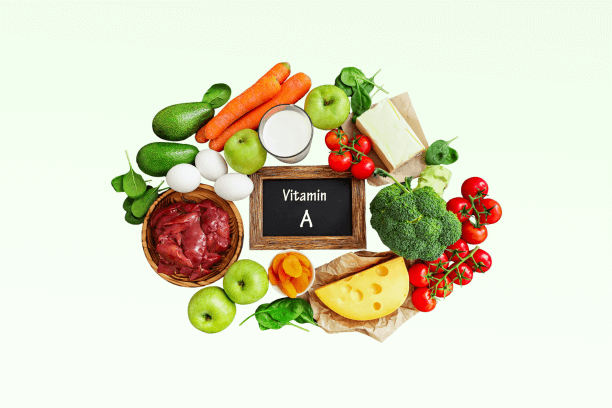
Vitamin A supplements may support vision, provide antioxidant support, and support immunity. Your diet may lack carotenoid‑rich foods such as carrots, sweet potatoes, and leafy greens, in which case taking vitamin A supplements may be helpful.
Adding vitamin A supplements to your routine might also support skin integrity and cell turnover, which may help a radiant complexion and minimize concerns like dryness or irritation.
This article discusses different types of vitamin A supplements, their associated benefits, and possible side effects. It also highlights the specific factors you need to consider before committing to a purchase.
What Are Vitamin A Supplements?
Vitamin A supplements contain concentrated doses of vitamin A, which might support cellular health, promote retinal health, and support reproductive function. These formulations are typically available as preformed vitamin A or provitamin A carotenoids. Dosage for these supplements is usually measured in micrograms of retinol activity equivalents (RAE), which could make it easier to understand how much usable vitamin A you are getting in each dose.
These formulations come in several forms, including softgels, tablets, capsules, liquids, and even chewable gummies. Oil-based softgels may contain retinyl palmitate or retinyl acetate, which might be absorbed better when taken with foods containing fat. Beta-carotene variants are often available in water-dispersible powders or emulsified liquids, making them easier for your body to process.
Forms of Vitamin A Supplements
-
Preformed Vitamin A (Retinol and Retinyl Esters)
Preformed vitamin A represents the biologically active form of the nutrient, which your body can metabolize immediately. These supplements feature retinol and retinyl esters, such as retinyl palmitate and retinyl acetate. Such forms of vitamin A are fat-soluble, meaning they are best absorbed when taken with foods that contain dietary fats such as avocado, eggs, or olive oil.
The Preformed vitamin A formulations are available in both animal-derived and synthetic forms. Such formulations provide higher vitamin A doses, aid in keratinization disorders, or possibly help meet dietary vitamin A needs in cases of liver issues or malabsorption conditions.
-
Provitamin A Carotenoids
Supplements with Provitamin A carotenoids contain plant-based compounds, which your body converts into active vitamin A as needed. Beta-carotene is a natural carotenoid present in these formulations, which is derived from foods like carrots, sweet potatoes, or spinach. Unlike preformed vitamin A, the body regulates the conversion of carotenoids into vitamin A, thereby minimizing the risk of excessive intake and toxicity.
Provitamin A carotenoids may provide a gentler and more controlled approach to increasing vitamin A levels, while contributing to antioxidant effects that may protect cells from oxidative stress. Some supplements also feature added carotenoids, such as alpha-carotene or beta-cryptoxanthin, to provide a broader spectrum of provitamin A compounds.
-
Combination Supplements
Combination vitamin A supplements combine preformed vitamin A with provitamin A carotenoids to provide both immediate and gradual support. The dual approach may ensure your body receives an instantly available form of vitamin A while also benefiting from the regulated conversion of carotenoids over time.
Some combination supplements are integrated with vitamins D or E, which could support fat-soluble vitamin absorption and enhance stability. The combination forms may provide flexibility and broader nutritional coverage, accommodating diverse preferences and absorption needs.
How Do Vitamin A Supplements Work?
Vitamin A supplements may function by increasing the amount of retinol in your body. Post-ingestion, the small intestines help absorb vitamin A with the assistance of bile salts and dietary fats. It is then packaged into micelles, which could help vitamin A pass through the intestinal lining into your cells.
In the liver, vitamin A is stored as retinyl esters in specialized cells named hepatic stellate cells. When your body requires vitamin A, retinol is released into the bloodstream bound to retinol-binding protein (RBP). The controlled transport may help deliver vitamin A safely to bodily tissues while minimizing the risk of toxicity.
For vision support, the eye tissues may convert retinol into retinal, which further pairs with opsin proteins in photoreceptor cells to form visual pigments called rhodopsin. These pigments may change shape in response to light, triggering nerve signals that could help you see in dim light environments and perceive colors accurately.
Your body may also convert vitamin A from supplements into retinoic acid, which may serve as a signal to regulate gene expression. Retinoic acid may bind to nuclear receptors in cells and may influence cell growth, differentiation, and turnover. Such effects may support radiant skin, repair epithelial tissues, and boost immune cell function.
Benefits of Vitamin A Supplements
-
Could Support Healthy Vision
Vitamin A supplements contain retinol, which gets converted into retinal by your retina. Retinal compounds may support the formation of visual pigments like rhodopsin, which may help improve visibility in dim light settings. Vitamin A formulations may also support the health of the cornea and conjunctival membranes, which may help minimize concerns like dryness, irritation, and thickening that may otherwise reduce vision clarity. Such benefits may support healthy color perception, lower the chance of age-related macular degeneration, and support visual clarity.
-
May Promote Immunity
Vitamin A supplements may aid in the growth and functioning of T cells, B cells, and natural killer cells. These cells are essential for identifying harmful pathogens and assisting in their elimination. Vitamin A may also help maintain the integrity of protective barriers in your skin, lungs, and gut, which often serve as the body’s first shield against infections.
These supplements may support both innate and adaptive immunity, which might lower your chances of catching infections and seasonal issues like colds or flu. You might also notice fewer instances of respiratory problems, faster recovery when you do get sick, and better vitality.
-
Could Support Skin Health
Vitamin A supplements may support the production of proteins and natural oils that could help protect your skin barrier. They may also support the integrity of the lining in areas like your nose and respiratory tract, which might act as protective surfaces against dryness and irritation. Such benefits may help support the skin’s natural repair processes, promote a radiant complexion, and minimize the risk of experiencing rough or flaky skin.
Potential Side Effects of Vitamin A Supplements
-
May Cause Nausea
Nausea could be a possible side effect of taking vitamin A supplements, especially if overconsumed or taken on an empty stomach. Formulations with preformed vitamin A may irritate the delicate lining of your stomach and intestines. Such irritation might interfere with normal digestion and trigger queasiness, stomach cramps, or an uneasy feeling in the gut.
-
Could Trigger Headaches
Headaches are another concern that you might face when using vitamin A supplements in excessive amounts. As vitamin A is fat-soluble, your body stores the excess amount in the liver instead of flushing it out. When these stores build up, it may contribute to a rise in intracranial pressure that may strain your nerves and blood vessels and lead to headaches. You might experience headaches as a heavy pressure in your temples, behind your eyes, or across your forehead. In some cases, the discomfort may worsen into dizziness, blurred vision, or sensitivity to light.
-
Might Contribute to Hair Loss
Excessive intake or unregulated use of vitamin A supplements may lead to hair loss. When excess vitamin A builds up in your bloodstream, the active form known as retinoic acid might interfere with the natural growth cycle of your hair follicles. Such disruption may cause the follicles to enter a resting phase too early, leading to excessive shedding and thinning strands. As a result, you might notice more hair on your pillow, in your brush, or clogging your shower drain.
Natural Sources of Vitamin A
-
Carrots
Carrots contain natural vitamin A, primarily in the form of beta-carotene. According to NIH data, a half-cup serving of raw carrots provides 459mcg of vitamin A, contributing to 51% of the daily recommended intake of vitamin A. Carrots are potentially a potent source of potassium, vitamin C, and fiber, and may support eye health, maintain healthy skin, and contribute to immune system function. You may consume carrots raw as a crunchy snack, add them to salads, or dip them in hummus or low-fat dressing. Cooking methods like steaming, roasting, or boiling may further enhance their natural sweetness.
-
Sweet Potatoes
Sweet potatoes have a nutrient-dense profile that includes carotenoids like lutein and zeaxanthin, phenolic acids like chlorogenic and caffeic acid, alongside phytochemicals like tannins and saponins. Their vivid orange color may reflect a high concentration of provitamin A carotenoids, which may contribute to their antioxidant and anti-inflammatory benefits. You may bake, boil, or roast sweet potatoes, which may preserve most of their nutrient content. They can also be consumed as a side dish, mashed, or added to soups and stews.
-
Spinach
Spinach provides several compounds that your body can convert into vitamin A, mainly beta-carotene, alpha-carotene, and beta-cryptoxanthin. These carotenoids are absorbed in your small intestine, transported to the liver, where they are converted into retinol to support vision, immunity, and cell growth.
Spinach also contains lutein, which does not turn into vitamin A but concentrates in your retina and macula, protecting your eyes from oxidative damage and improving visual performance. It may also support your cellular function and metabolism. Regularly eating spinach may help maintain healthy vision, strengthen your immune system, and support tissue repair.
-
Kale
Kale contains beta-carotene, making it a potent plant-based source of vitamin A. The body converts this carotenoid into retinol to meet physiological needs. Kale also has antioxidants, fiber, and minerals, which might support cellular function and well-being. It may support eye health, promote healthy skin, and aid in maintaining immune system efficiency. Its raw or lightly steamed forms preserve the majority of its carotenoid content.
-
Butternut Squash
The bright orange flesh of butternut squash contains compounds like carotenoids and beta-carotene, which may support your immunity. Beta-carotene also acts as an antioxidant, protecting your cells and vitamin A molecules from oxidative damage during digestion and circulation.
Butternut squash also has fiber, potassium, and vitamins C and E, which might enhance nutrient absorption and support your fitness goals. It may help maintain healthy vision and aid tissue repair. The natural sweetness and versatility of butternut squash could also make it easy to include in your meals, providing flavor and a steady source of vitamin A.
How To Select the Best Vitamin A Supplements?
-
Dosage Strength
When looking for vitamin A supplements, it’s essential to pay attention to the dosage strength, which is said to be measured in micrograms of retinol activity equivalents (mcg RAE) or International Units (IU). For general health support, you may want to look for formulations that provide 300–900 mcg RAE (1,000–3,000 IU). When searching for carotenoid-based supplements, you should look for formulas that feature higher IU amounts around 5,000–10,000 IU daily, as your body converts these compounds gradually into active vitamin A.
It’s essential to match the dosage with your specific health goals. For instance, if your focus is on eye health or skin maintenance, you should look for vitamin A supplements that provide around 500–900 mcg RAE daily. Higher doses, up to 10,000 IU (3,000 mcg RAE) per day, may be used short-term under medical supervision to manage clinically diagnosed deficiencies or conditions like night blindness.
As vitamin A is stored in the liver, exceeding the tolerable upper limit of 3,000 mcg RAE (10,000 IU) per day without guidance might contribute to liver damage, headaches, hair loss, and joint pain. Preformed vitamin A supplements (retinol or retinyl esters) may require closer monitoring because chronic high intake may accumulate quickly in the body.
-
Bioavailability and Absorption
Vitamin A is a fat-soluble nutrient, which means your body can absorb it more efficiently when taken with sources of dietary fat. If you take supplements on an empty stomach or with low-fat meals, absorption may drop notably. To improve vitamin A uptake, you should opt for formulations that are oil-based or available in softgel or liquid forms, as these typically offer higher bioavailability than dry tablets or powders.
You may want to look for softgels containing fish oil, sunflower oil, or medium-chain triglycerides (MCT), which may enhance vitamin A absorption even further. To maximize vitamin A uptake, it is beneficial to pair your vitamin A formulation with healthy dietary fats, such as avocado, olive oil, nuts, or fatty fish. Your health status may also impact how well your body may absorb vitamin A. Conditions such as bile deficiency, pancreatic insufficiency, celiac disease, inflammatory bowel disease, or liver disorders may reduce absorption.
Choosing a vitamin A supplement with high bioavailability may ensure your body receives the full intended dose without wasting nutrients or risking unnecessary accumulation.
-
Quality Standards and Certifications
When selecting vitamin A supplements, it’s important to cross-check the labels to ensure they remain free from harmful fillers, binders, and additives. Common fillers and additives to look out for may include magnesium stearate, silicon dioxide, talc, maltodextrin, or artificial coloring agents.
To ensure you are selecting a reliable product, you should look for supplements from reputable brands that conduct third-party testing and provide Certificate of Analysis (COAs), which may indicate the formulation’s purity, potency, and quality standards.
You should look for vitamin A formulations that hold certifications such as USP, NSF, or GMP-certified, which may indicate that the formulation is free from harmful substances and contains only the listed ingredients.
Frequently Asked Questions
- Can Vitamin A Supplements Trigger Toxicity?
Yes, taking high doses of vitamin A supplements, especially over extended periods, may lead to hypervitaminosis A. The condition may result in the development of adverse toxicity reactions, such as nausea, fatigue, and potential liver damage. - Are There Differences Between Synthetic and Natural Vitamin A Supplements?
Yes, natural vitamin A formulations are derived from whole food sources like cod liver oil or beta-carotene, while synthetic forms are chemically produced from retinyl esters. Natural sources may offer better bioavailability, but both forms may be effective. - Do Vitamin A Supplements Affect the Absorption of Other Vitamins?
Yes, excessive vitamin A intake may interfere with the absorption or metabolism of other fat-soluble vitamins like D, E, and K. Maintaining balanced intake may help avoid competitive interactions and reduce toxicity risks.
Conclusion
Vitamin A supplements might offer antioxidant protection, support retinal health, and promote cellular health. The benefits you might experience may depend on the form, dosage, and bioavailability of the supplement. Preformed vitamin A formulations may provide faster absorption of vitamin A in your body, while provitamin A carotenoids may offer a gentler effect with added antioxidant protection.
Although well-tolerated, overconsuming vitamin A formulations over extended periods may pose an increased risk of experiencing adverse reactions. These adverse side effects may include nausea, headaches, dizziness, and the potential for hair loss. While vitamin A formulations may provide valuable support, they are not necessary for everyone. Including foods like carrots, sweet potatoes, spinach, kale, and butternut squash as part of a nutritious diet may support the maintenance of natural vitamin A levels.

Rachel has been a freelance medical writer for more than 18 years. She graduated from the University of Tennessee at Knoxville in 2005 and is currently practicing as a Certified Registered Nurse Anesthetist at a Level I trauma center.
Leave a Reply