

No products in the cart.
Contents
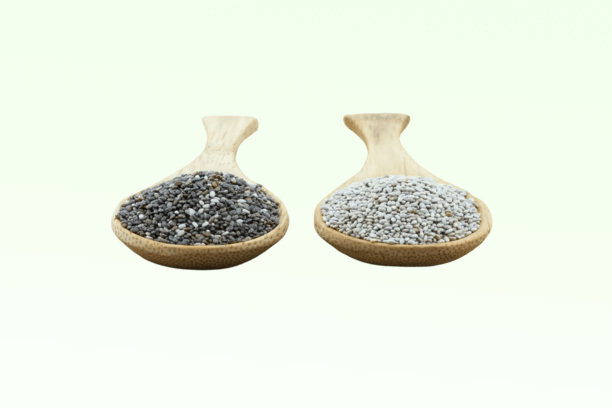
Chia seeds contain fiber, complex carbohydrates, and omega-3s, which may support digestion, cardiovascular health, and satiety. Among the different variants of chia seeds available, white and black variants are especially popular for their benefits and culinary appeal.
While both types come from the same plant, black and white chia seeds may differ in aspects like their phenotypes, visual appeal, and potential uses. However, can the color of chia seeds make a notable difference in their nutrient profile and uses?
In this article, you’ll find a clear breakdown of how white and black chia seeds compare in terms of nutrition, health benefits, appearance, and usage. The article includes the potential side effects of chia seeds and proper storage guidelines.
What Are Chia Seeds?
Chia seeds are tiny edible seeds from the Salvia hispanica plant, primarily available in white and black variants. Both color variants comprise omega-3 fatty acids, plant-based protein, soluble/insoluble fiber, and essential nutrients like phosphorus, calcium, potassium, niacin, thiamine, and biotin. These nutrients may support heart health, metabolism, digestive health, and cellular function.
The differences between white and black chia seeds are mostly visual rather than nutritional. You can use both varieties similarly by soaking in water to form a gel, mixing into yogurt or oatmeal, adding to baked goods, or using as a thickener in recipes.
The Genetic Link: Same Species, Different Phenotypes
Chia seeds, whether white or black, both originate from the same species of the Salvia hispanica plant. Since they share the same genetic background, their core biological structures, growth habits, and reproductive traits are mostly identical.
Research has identified a single recessive gene, called scc, that is responsible for producing the white seed coat when present in both copies of the chia plant’s chromosomes. When at least one dominant allele is present, the seed coat develops a black color, which may explain why the black variant is more commonly observed.
Such findings may confirm that the gene trait in chia seeds follows a Mendelian inheritance pattern, where the presence of the dominant allele can result in dark pigmentation and the recessive allele, when homozygous, produces white seeds.
Nutritional Comparison
| Nutrient (per 1 oz / 28 g) | White Chia Seeds (Approximate Value) | Black Chia Seeds (Approximate Value) |
|---|---|---|
| Calories | ~138 kcal | ~140 kcal |
| Protein | ~4.7 g | ~5.0 g |
| Total fat | ~8.5 g | ~9.0 g |
| ALA (omega-3) | ~4.6 g | ~4.9 g |
| Total carbohydrate | ~11 g | ~12 g |
| Dietary fiber | ~9 g | ~10 g |
Does Color Affect Nutritional Value?
Irrespective of color variations, there are negligible differences in the nutritional composition of white and black chia seeds. Instead, factors like soil composition, climate, agricultural practices, and seed maturity may be responsible for the minor variations in their nutrient density rather than pigmentation.
Research has found nearly overlapping values in the nutritional composition of white and black chia seeds. Studies indicate a protein content averaging 16.9% in black chia seeds versus 16.5% in white variant, and fiber at roughly 32.6% in black chia seeds versus 32.4% in white chia seeds.
However, there is a minor difference in morphology between the two variants, as white chia seeds are typically larger, thicker, and broader in dimensions than the black varieties.
Taste And Uses
Flavor differences between white and black chia seeds are minimal, with both varieties carrying a mild, neutral base that leans slightly nutty or earthy in taste. However, subtle distinctions in the taste profile may be possible between the variants.
Typically, you may find that black chia seeds could have a slightly stronger, earthier undertone. Meanwhile, white chia seeds might be a bit milder and softer in taste than their black counterparts. Such differences are usually only noticeable when both varieties are consumed plain or in very lightly flavored preparations. When blended into smoothies or liquids, the taste differences are not usually noticeable.
In terms of culinary uses, the two chia seed varieties often behave identically, as they swell when hydrated and act as natural binders or thickeners in recipes. However, white chia seeds are often used in lighter-colored foods such as chia puddings, overnight oats, yogurt bowls, or pale baked goods, where their light color may blend smoothly without creating a speckled appearance.
On the other hand, black chia seeds are commonly used in darker-colored preparations like whole-grain breads, granola bars, smoothies with berries or cacao, and cereals, where their black-and-gray flecks may add a rustic texture.
Beyond the aesthetic and faint taste nuances, the versatility of white and black chia seeds typically remains the same. Both varieties can be sprinkled on salads, blended into protein shakes, or used as an egg substitute in vegan baking.
Benefits of Chia Seeds: White vs. Black
-
May Support Heart Health
Both white and black chia seeds contain omega-3s, particularly alpha-linolenic acid (ALA), which may help lower inflammation and support vascular function. The soluble fiber in both chia seed varieties might also help reduce LDL cholesterol while maintaining HDL cholesterol levels. Such a balance could help lower the risk of plaque buildup in the arteries while supporting cardiovascular health. Including either black or white chia seeds in your diet may support heart health by improving blood circulation and potentially supporting healthy blood pressure levels.
-
Could Promote Digestive Health
Chia seeds, either black or white variants, may support digestion as they contain soluble and insoluble fiber. Both variants may form a gel-like substance when mixed with liquids that could help slow digestion and improve nutrient absorption. The fiber in chia seeds might also work as a natural prebiotic, which may feed beneficial gut bacteria and support a balanced gut microbiome. Including either chia seed varieties in your daily routine might help support bowel regularity and minimize digestive discomfort, such as bloating or constipation. Better digestive health may also contribute to steadier energy levels and a stronger immune system.
-
Might Contribute to Healthy Blood Sugar Levels
Chia seeds, both white and black, contain soluble fiber, which may help slow down how quickly your body breaks down carbohydrates into glucose, thereby minimizing the spikes in blood sugar levels post-meals. The macronutrient profile in both varieties comprises protein, fiber, and healthy fats like ALA, which might support a more gradual release of glucose into your bloodstream. Such effects may contribute to steadier energy levels throughout the day. Improved blood sugar control may help suppress sugar cravings, improve satiety, and support metabolic health.
-
Could Support Skin and Hair Health
Chia seeds, either black or white, comprise antioxidants such as chlorogenic acid and quercetin, omega-3 fatty acids, and essential minerals such as calcium, zinc, and copper. Omega-3s may lower inflammation in the body, which may help calm skin irritation and support a clearer complexion. The antioxidants in chia seeds may lower oxidative stress, which may otherwise trigger premature skin aging. Essential minerals like zinc and copper are found in both white and black varieties, which may support hair strength and help maintain a healthy scalp.
Potential Side Effects of Chia Seeds
-
May Trigger Allergies
Both black and white chia seeds feature identical protein structures that include storage proteins such as albumins and globulins, lipid transfer proteins (LTPs), and seed reserve proteins like prolamins. These proteins may sometimes resemble those found in other allergenic seeds or nuts, which may cause your immune system to misidentify them as harmful. In such cases, your body’s immune system may release histamine and other chemicals that could trigger allergy symptoms. If you are sensitive or allergic to chia seeds, consuming either white or black variants may cause adverse effects. Common allergic reactions may include swelling of the lips, tongue, and throat, which may cause hives or itching. You might also experience respiratory allergic symptoms, such as nasal congestion, sneezing, or wheezing.
-
Potential for Choking Hazard
Chia seeds, either white or black, hold the ability to absorb liquid and create a gel-like coating around themselves. While the property could support hydration and digestion, it might also pose a choking risk if the chia seeds are eaten dry. When you swallow dry chia seeds, they may expand rapidly in your throat or esophagus, potentially causing a blockage. The choking potential may also contribute to coughing, gagging, or a feeling of tightness in the throat. In some cases, it may cause nausea or even breathing difficulty if the blockage is severe. Taking precautions, such as soaking the white or black chia seeds before consuming and eating them slowly, could help minimize the choking risks.
Guidelines for Storing Chia Seeds
Chia seeds, either black or white, share the same storage requirements. Due to their high omega-3 fatty acid content, they are typically sensitive to heat, light, and air exposure, which may speed up oxidation and contribute to rancidity.
To maintain freshness, you should store chia seeds in an airtight container and place them in a cool, dry, and dark environment, such as a pantry or cupboard.
Refrigeration or freezing is not strictly necessary but may extend the shelf life of both varieties. Irrespective of seed color, you should not store chia seeds in humid environments, as they may readily absorb moisture from the air, which might trigger clumping, mold growth, or changes in texture.
If purchased in bulk, dividing chia seeds into smaller airtight portions could help minimize repeated exposure to air whenever the container is opened. Following these simple practices may help retain the taste, texture, and nutritional value of both white and black chia seeds.
Frequently Asked Questions
- Do Black Chia Seeds Have More Antioxidants than White Ones?
Yes, black chia seeds tend to have slightly higher antioxidant content due to darker pigments like quercetin and kaempferol derivatives. These compounds might provide a modest difference in oxidative protection. - Can Chia Seeds Lose Nutrients When Cooked?
Yes, prolonged heat might reduce the stability of some antioxidants, such as polyphenols, in both color variants of chia seeds. However, minerals like calcium and magnesium may remain largely unaffected. - Do White Chia Seeds Offer Better Iron Absorption than Black Ones?
No, both varieties contain non-heme iron, which is less efficiently absorbed by your body than iron from animal-derived sources. Color differences do not affect bioavailability.
Conclusion
Chia seeds, either white or black, have negligible differences in their nutritional value, although black chia seeds may have a marginally higher antioxidant content than white ones. Both color variants may help support healthy blood sugar levels, improve vascular health, promote gut health, and provide antioxidant protection.
In terms of culinary use and personal preference, the choice between white and black chia seeds often depends on visual preference, taste subtlety, and recipe compatibility rather than health impact. White chia seeds are less commonly cultivated, making up a smaller proportion of chia harvests. The scarcity may influence price and availability. However, the limited supply does not necessarily indicate superior quality over black ones.
To ensure safe and effective use, you should store chia seeds in airtight containers, away from direct exposure to heat, light, and moisture. Consuming chia seeds after soaking in water, juice, or other liquids might reduce the potential risk of choking. Gradually introducing chia seeds, either white or black, in your diet and monitoring for any adverse reactions may be helpful, especially if you have known allergies to chia seeds.

Rachel has been a freelance medical writer for more than 18 years. She graduated from the University of Tennessee at Knoxville in 2005 and is currently practicing as a Certified Registered Nurse Anesthetist at a Level I trauma center.
Leave a Reply