

No products in the cart.
Contents
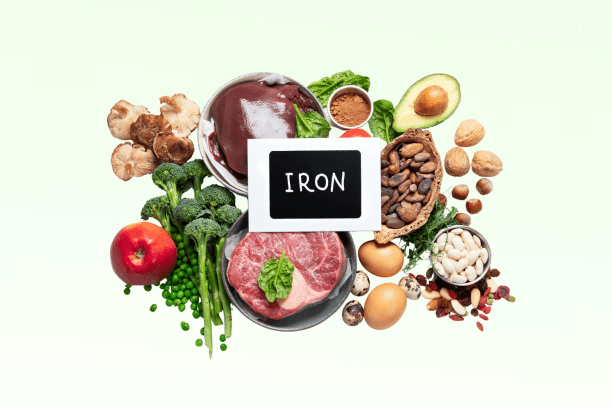
Deficiency in iron levels can cause fatigue, weakness, difficulty concentrating, or pale skin. Iron supplements may provide you with additional support to manage these concerns by supporting the body’s natural iron production.
Iron supplements come in tablet, capsule, liquid, and chewable forms. They could support your body’s natural hemoglobin and myoglobin synthesis, potentially helping your blood carry oxygen efficiently and supporting energy production.
This article discusses about iron supplements, covering their types, working mechanisms, potential benefits, and side effects. You will also learn critical factors that you should consider before buying iron supplements.
What Are Iron Supplements?
Iron supplements typically provide between 18mg–65mg of elemental iron per serving, depending on the form and brand. Factors like iron deficiency in the diet, blood loss, or increased physiological demands (such as during pregnancy or athletic training) may deplete your body’s natural iron stores. In these cases, these products may support optimal blood circulation, improve energy levels, and also support a healthy cognitive function.
They could help support hemoglobin synthesis, which may help promote a steady oxygen supply to your organs, muscles, and brain for optimal functioning. These supplements may also support cellular energy metabolism by promoting the release of enzymes that help convert nutrients into usable energy.
Forms of Iron Supplements
-
Ferrous Sulfate
Ferrous sulfate is an iron(II) salt that typically features around 20% elemental iron by weight. Once ingested, ferrous sulfate may dissolve in the acidic environment of the stomach, releasing ferrous ions (Fe²⁺) to support efficient iron replenishment. Ferrous sulfate is among the most commonly used iron supplements in both clinical practice and over-the-counter formulations.
-
Ferrous Gluconate
Ferrous gluconate is another common iron(II) salt, but provides a lower concentration of elemental iron, about 12% by weight. Such reduced iron density could make it gentler on your digestive system than ferrous sulfate, contributing to a reduced risk of experiencing concerns like bloating, nausea, or constipation.
-
Ferrous Fumarate
Ferrous fumarate is notable for its high elemental iron content, typically around 33% by weight. The higher density may allow smaller doses to replenish decreased iron stores more rapidly, which could make it beneficial in managing moderate to severe iron-deficiency anemia. However, the higher concentration may also raise the risks of experiencing potential digestive discomfort.
-
Heme Iron Polypeptide
Heme iron polypeptide (HIP) is derived from animal-derived hemoglobin (often bovine sources). Unlike non-heme iron salts, your body absorbs HIP through a separate pathway involving the heme carrier protein 1 (HCP1), which allows intact heme molecules to enter intestinal cells. The process may allow HIP to offer better iron absorption than plant-based or salt-based iron formulations. Due to its animal-derived sourcing, heme iron polypeptide may not be compatible if you follow a vegan or vegetarian lifestyle.
-
Iron Bisglycinate
Iron bisglycinate (also called ferrous bisglycinate) is a chelated form in which iron is bound to two glycine molecules. The chelation may stabilize the mineral, shielding it from binding with molecules like phytates or tannins that commonly reduce iron absorption. It may allow for smoother passage through the gastrointestinal tract, thereby lowering the risk of common gastrointestinal concerns, such as nausea or gastric irritation.
How Do Iron Supplements Work?
Iron supplements may work by providing bioavailable iron ions, often in the form of ferrous salts like ferrous sulfate or ferrous gluconate. Post-consumption, your stomach acid dissolves the iron compound to release iron in its usable ionic form, primarily ferrous iron. Special proteins like divalent metal transporter 1 (DMT1) may help transport these ions across the lining of the upper small intestine, especially the duodenum.
Once inside intestinal cells, iron may either be stored as ferritin or exported into the bloodstream through the ferroportin protein. Before entering circulation, enzymes like hephaestin may convert ferrous iron into ferric iron. Ferric iron may then bind to the transferrin protein to help deliver iron to your bodily tissues, including the bone marrow, where it becomes part of new red blood cells.
Iron supplements may further help support the formation of iron-sulfur clusters and heme groups, which may positively influence your body’s mitochondrial function and energy metabolism. Your immune cells, such as neutrophils and T-cells, also require iron to help combat invading pathogens and support the DNA synthesis of immune cells.
Benefits of Iron Supplements
-
Might Reduce the Risk of Iron Deficiency Anemia
A deficiency in serum iron levels may cause an increased iron deficiency anemia, a condition marked by symptoms like increased fatigue, dizziness, or shortness of breath. Iron supplements may help replenish circulating iron levels in the body and support hemoglobin synthesis. Such effects may improve how efficiently your blood delivers oxygen and reduce the chances of developing iron deficiency anemia. It could help you focus better and also boost your energy levels.
-
Could Boost Energy Levels
Iron supplements could support the production of hemoglobin and myoglobin proteins, which help carry oxygen to your tissues and muscles. With adequate oxygen supply, your cells may turn nutrients like glucose and fatty acids into usable energy (ATP). Iron formulations may assist enzymes that generate energy through a process called oxidative phosphorylation, implying that they could support cellular energy production. With better energy levels, you might experience improved focus, better exercise performance, and greater stamina for daily tasks.
-
Might Support Cognitive Health
Iron supplements may support the synthesis of essential brain neurotransmitters, such as serotonin, dopamine, and norepinephrine, which help influence physiological functions like mood, attention, and memory. These supplements may help ensure adequate oxygen delivery to the brain by supporting hemoglobin production, which is essential for supporting optimal neuronal metabolism and function. Over time, you might notice benefits like sharper memory, improved problem-solving skills, and clearer thinking.
-
Could Strengthen the Immune System
Iron supplements may support the production and function of WBCs, the body’s first line of defense against infections. They could also support the proper function of other immune cells like neutrophils, lymphocytes, and macrophages, thereby supporting both innate and adaptive immunity.
Research suggests that iron supplements may stimulate the activity of cytokine molecules, such as interleukin-2 and interferon-gamma. These cytokines may coordinate immune activity and improve your body’s ability to respond quickly and effectively to invading pathogens. Improved immunity might lead to fewer infections, faster recovery from illness, and improved resistance to seasonal colds and flu.
Potential Side Effects of Iron Supplements
-
Could Trigger Stomach Cramps
Iron supplements, especially those with conventional iron salts like ferrous sulfate, may cause stomach cramps as a gastrointestinal reaction. Cramps may occur because concentrated iron ions in the supplements may irritate your stomach and intestinal lining. These supplements might also increase gastric acid production, which may overstimulate the muscles in your digestive tract and lead to spasms or abdominal pain. The discomfort from stomach cramps may vary from mild, dull aching to sharper, more localized pain. In cases of pre-existing concerns like gastritis or irritable bowel syndrome, the risk of cramps may be more pronounced.
-
May Cause Heartburn
The ions from the iron supplements may remain in your stomach longer than other nutrients. It might increase the chance of stomach acid flowing back into the esophagus, which may produce an excessive burning sensation in the chest or throat. Heartburn may be more noticeable with slow-dissolving tablets or capsules, which keep iron in contact with the stomach lining for longer periods.
Chronic heartburn from iron formulations might worsen existing conditions, such as gastroesophageal reflux disease, or disrupt sleep or daily activities. Alongside heartburn, you might also experience other symptoms like bloating, nausea, or constipation.
-
Might Contribute to A Metallic Taste in the Mouth
The ions provided by iron supplements might interact with saliva and the lining of your mouth, stimulating taste receptors that sense metallic flavors. It is important to note that the metallic taste sensation may be stronger with liquid iron supplements or chewable tablets, as these forms typically stay in contact with your mouth tissues longer.
As a result, the metallic taste could make eating foods unpleasant or reduce appetite, which might negatively impact your dietary intake. The side effect may be more noticeable when iron formulations are taken on an empty stomach, as changes in saliva and mouth acidity may influence how iron interacts with taste receptors.
How To Select the Best Iron Supplements?
-
Format of Supplement
When choosing iron supplements, the format you select may have a notable impact on their effectiveness and comfort. For instance, immediate-release tablets like ferrous sulfate or ferrous gluconate may provide a reliable dose of iron, although they might also trigger the risk of potential digestive side effects, including constipation, nausea, or a metallic taste.
Slow-release or extended-release capsules, such as ferrous fumarate SR or ferrous bisglycinate chelate, may release iron gradually. These effects might help reduce the risk of adverse gastrointestinal reactions, but may offer slower absorption than immediate-release variants.
Liquid iron supplements (such as ferrous gluconate or ferrous sulfate drops) may be particularly compatible for children or anyone who finds it difficult to swallow pills. Powdered iron formulations, including iron-enriched drink mixes, may be dissolved in water or juice. These may offer flexibility in consumption, although careful measurement is essential to ensure the correct iron intake.
Your choice should consider factors such as age, ease of swallowing, lifestyle, and digestive tolerance. Matching the supplement format to your personal needs might help you make an informed purchase decision.
-
Presence of Co-nutrients or Enhancers
In selecting iron supplements, it’s important to check for co-nutrients or enhancers that may improve absorption and support red blood cell production. You should look out for enhancers like vitamin C, which may help convert iron into a form that your body can absorb more efficiently. Folate (vitamin B9) and vitamin B12 may support red blood cell synthesis and hematologic health.
Meanwhile, some formulations may also include riboflavin (vitamin B2) to support iron metabolism, while niacin (vitamin B3) could support healthy hemoglobin levels. Factoring these co-nutrients into your purchase may help lower the total iron dose you may need. It might also help minimize the risk of digestive concerns like constipation or nausea while maximizing effectiveness.
-
Quality Certifications
When choosing iron supplements, it’s important to prioritize recognized quality certifications that may verify both safety and efficacy. GMP (Good Manufacturing Practices) certification might indicate the formulation is manufactured under strict guidelines for quality control and safety.
USP (United States Pharmacopeia) verification may confirm that the supplement contains the exact amount of elemental iron listed on the label and is free from harmful levels of contaminants, including heavy metals. NSF International certification may indicate independent testing for purity, safety, and accurate labeling.
Other certifications to look out for may include ISO 22000 (food safety management) or Informed-Choice/Informed-Sport (for products tested for banned substances). Verified, high-quality formulations may help correct iron deficiency safely, maintain healthy hemoglobin levels, and minimize risks associated with contamination or inaccurate dosing.
Frequently Asked Questions
- Should I Take Iron Supplements With Meals?
Yes, taking iron formulations alongside meals might reduce stomach irritation, but high-calcium foods or tea may reduce absorption, so that timing may need adjustment. - Can Iron Supplements Stain Teeth?
Yes, liquid iron formulations may cause extrinsic staining of teeth. It may occur due to iron ions interacting with the enamel’s organic components, leading to discoloration. - Are Iron Supplements Compatible For Use Alongside Caffeine?
No, taking the iron supplements with caffeine-based foods/beverages may notably reduce iron absorption due to compounds like polyphenols binding to iron. It’s advisable to space out the intake of caffeine with the supplements.
Conclusion
Iron supplements may support your body’s natural iron levels, which are essential for healthy blood circulation, energy production, and cognitive health. However, their effectiveness might vary based on factors like the form of iron, dosage, timing of intake, and presence of absorption-enhancing co-nutrients, such as vitamin C, folate, or vitamin B12.
There is also a potential risk of experiencing side effects, including stomach cramps, heartburn, or a metallic taste in the mouth, particularly with higher doses. Paying attention to these considerations may help you make an informed purchase decision.
Iron supplements might help lower the risk of iron deficiency anemia, although they are not necessary for everyone. You can meet your dietary iron needs through a balanced diet rich in foods like chicken, eggs, oysters, legumes, spinach, kale, or apricots. However, if you are facing iron deficiency, carefully monitored supplementation, along with discussing it with your doctor, might be helpful.

Rachel has been a freelance medical writer for more than 18 years. She graduated from the University of Tennessee at Knoxville in 2005 and is currently practicing as a Certified Registered Nurse Anesthetist at a Level I trauma center.
Leave a Reply