

No products in the cart.
Contents
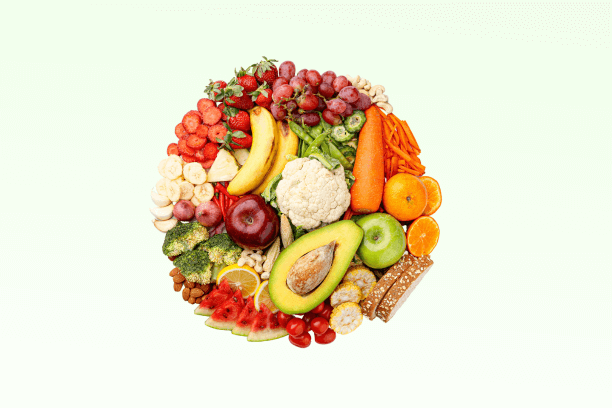
Digestive enzyme supplements may support nutrient absorption, promote gut barrier integrity, and support digestion. These supplements may support your body’s natural process of breaking down macronutrients, such as proteins, carbohydrates, and fats, into absorbable forms.
They might also help minimize common gastrointestinal symptoms, including bloating, gas, and irregular bowel movements, particularly after consuming dairy or high-fiber meals.
Some formulations also have added enzymes like lactase for lactose digestion or cellulase for plant fibers, potentially supporting gut microbiome balance.
In this article, we examine digestive enzyme supplements in detail, including their working mechanisms, associated benefits, and potential side effects. The article also discusses the specific factors you need to consider when selecting the best digestive enzyme supplements.
What Are Digestive Enzyme Supplements?
Digestive enzyme supplements might help break down food in your digestive system. Most formulas contain enzymes to support carbohydrate, fat, protein, and milk sugar metabolism. These supplements come in capsule, tablet, powder, and liquid blend forms.
Some formulations contain plant-derived enzymes like bromelain from pineapple or papain from papaya, which remain stable across a wide pH range and are especially useful if you prefer vegetarian options.
These digestive enzyme supplements could provide additional support in situations when your body goes through enzyme insufficiency. Even without a deficiency, these supplements may help ease common discomforts like bloating, gas, or sluggish digestion after heavy meals.
How Do Digestive Enzyme Supplements Work?
Digestive enzyme supplements introduce external enzymes into your digestive system to help break down food. These supplements contain enzymes like amylase, protease, and lipase, which could mimic the ones your body naturally produces in your saliva, stomach, and pancreas.
After you swallow the supplement, the enzymes may pass through your stomach, often protected by an enteric coating to avoid enzyme breakdown.
In your small intestine, these digestive enzymes may help split carbohydrates into simple sugars, fats into glycerol, and proteins into amino acids.
The supplemental enzymes could support digestion if your body doesn’t produce enough of its own, such as in conditions like lactose intolerance or pancreatic insufficiency.
For example, the lactase enzyme might help you digest milk sugar if you lack enough natural lactase. Lipase may act on fats, splitting triglycerides into glycerol and free fatty acids that your gut cells can absorb.
Digestive enzyme supplements may support your gut’s ability to process high-fiber or fatty meals by ensuring more complete digestion before food reaches your large intestine.
However, their effectiveness depends on the supplement’s formulation, your digestive health, and whether the enzymes target your specific needs.
Benefits of Digestive Enzyme Supplements
-
Could Support Digestion
Digestive enzyme supplements may break down large food molecules into smaller forms that your body can absorb more easily. For example, amylase could break down complex carbohydrates into simple sugars like glucose. Meanwhile, protease may help split proteins into amino acids and smaller peptides, which might reduce the chance of undigested proteins fermenting in your gut and causing discomfort. The extra support may help reduce strain on your gut and lower the risk of nutrient loss, which might help minimize bloating post-meals, support bowel regularity, and promote sustained energy levels.
-
May Enhance Nutrient Absorption
When food is not fully broken down, amino acids, fatty acids, and simple sugars may pass through your digestive tract without being absorbed. Such effects might cause nutrient loss and possible deficiencies. Digestive enzyme supplements might tackle such concerns by breaking food down into smaller, bioavailable molecules that your intestinal cells may take in more easily. Fat-soluble vitamins like A, D, E, and K need efficient fat digestion for proper uptake, which the lipase enzyme may support. Protease enzyme may support the absorption of minerals (such as zinc and iron) by digesting proteins. With better nutrient absorption, you might notice improved energy levels, faster recovery post-exercise, and stronger immunity.
-
Could Reduce Inflammation
Proteins and other food fragments, when left undigested, can cause bacterial fermentation and release byproducts like ammonia, phenols, and hydrogen sulfide. These compounds (along with undigested peptides) may irritate the gut lining and trigger inflammation. Digestive enzyme supplements may help suppress inflammation by improving the breakdown of food before it reaches the colon. Reduced inflammation may help protect the gut barrier, lower fatigue, and promote bowel regularity.
-
Might Improve Energy Levels
Your body produces energy by breaking down and absorbing nutrients, and digestive enzyme supplements may help make the process more efficient. Enzymes like amylase may break carbohydrates into glucose, which your cells use as their main fuel to create ATP. Lipase could break triglycerides into fatty acids and glycerol, which may further help support energy metabolism. As a result, you might notice a reduction in post-meal fatigue, better exercise performance, and improved mental focus with improved energy levels.
Potential Side Effects
-
May Contribute to Stomach Pain
An imbalance between the strength of the digestive enzyme supplements and the amount of food in your stomach may cause potential stomach pain. Some enzyme blends may not be stable in very acidic conditions. If they activate too early, they might irritate the stomach before reaching the small intestine. Such effects may contribute to concerns like abdominal cramping, sharp discomfort, or a burning sensation.
-
Potential For Allergic Reactions
Although rare, digestive enzyme supplements may trigger potential allergic reactions when your immune system mistakes some ingredients as harmful. For example, enzymes like bromelain from pineapple or papain from papaya are proteins that your body could mistakenly identify as pathogens. This may activate immune cells and trigger the release of histamine and other inflammatory chemicals. Some additives or fillers, such as dairy proteins or gluten in some formulas, may set off a similar allergic response if you are sensitive. Such allergic reactions could manifest as itching, rashes, or hives on your skin. You might also experience nasal congestion, watery eyes, or a feeling of chest tightness.
-
Might Cause Blood Sugar Fluctuations
Digestive enzyme products, such as those containing amylase, maltase, and lactase, sometimes trigger blood sugar fluctuations because they speed up the breakdown of carbohydrates into simple sugars, allowing for quicker absorption. However, if you have diabetes or are prediabetic, their supplementation may heighten sensitivity to these changes. Signs like shakiness, fatigue, thirst, or frequent urination might happen due to fluctuations in blood sugar. As the response to supplementation can vary based on individual health, it’s best to discuss digestive enzyme use with your doctor if you have concerns about blood sugar control.
How To Choose The Best Digestive Enzyme Supplements?
-
Source and Quality of Enzymes
The source of digestive enzymes is vital for both their effectiveness and compatibility with your dietary preferences. Enzymes are generally plant-based, animal-derived, or microbial, each offering distinct benefits.
Plant-based enzymes, such as papain from papaya or bromelain from pineapple, are typically vegan-friendly. They may remain stable across a wide pH range and might help break down proteins and plant matter.
Microbial enzymes (such as amylase, protease, and lipase) are produced by fungi or bacteria, which are resilient in both acidic and neutral environments, allowing them to remain active throughout the stomach and small intestine for efficient digestion.
Animal-derived enzymes (like pancreatin from porcine pancreas) are potent and may provide support for protein, fat, and carbohydrate digestion.
However, they may trigger sensitivities or conflict with dietary restrictions. Choosing digestive enzyme supplements from a reputable source may help ensure reliable digestive support, optimal nutrient breakdown, and a lower risk of adverse reactions or ineffective dosing.
-
Enzyme Potency
When choosing a digestive enzyme supplement, potency is a vital factor because it measures the actual digestive activity of the enzymes.
For lactase, potency is expressed in LU (Lactase Units), depending on your level of lactose intolerance and the amount of dairy consumed. Lipase (which breaks down dietary fats) is measured in FIP units.
Meanwhile, the potency of protease is quantified in HUT (Hemoglobin Units on a Tyrosine basis). High-activity enzymes are typically more resistant to stomach acid, allowing them to remain functional when they reach the small intestine.
Focusing on activity units rather than milligrams may help ensure that the supplements offer measurable digestive support and minimize digestive discomfort.
-
Potential Allergens or Additives
For choosing a digestive enzyme supplement, it’s essential to be aware of potential allergens and unnecessary additives that might trigger digestive issues or allergic reactions. Common allergens in supplements include gluten, soy, dairy, eggs, shellfish, and peanuts. Many formulations may also contain fillers, binders, artificial colors, synthetic preservatives, or sweeteners (such as sucralose or aspartame), which may aggravate digestive discomfort or contribute to unwanted side effects.
To ensure safety and compatibility with your diet, you should carefully read the ingredient label and select formulations that are explicitly free from these common allergens and unnecessary additives. Choosing supplements that are non-GMO, gluten-free, and vegan-certified may further minimize the risk of sensitivities.
Foods And Habits That Help Digestive Enzymes
-
Papaya
Papaya contains papain cysteine protease that may work similarly to pepsin by cleaving peptide bonds, especially those adjacent to basic amino acids. Papain complements gastric enzymes, aiding in breaking down dietary proteins into absorbable amino acids in the duodenum. This enzyme may help in digesting tough animal proteins, which would otherwise place strain on pancreatic proteases. Papain also exhibits anti-inflammatory and antimicrobial properties, reducing irritation in the gut lining. It may help in promoting gut health by reducing the buildup of undigested protein residues.
-
Kiwi
Kiwi is rich in actinidin, which accelerates protein hydrolysis by breaking peptide bonds in muscle fibers and dairy proteins. It might support gastric and pancreatic enzymes in breaking down large, complex protein structures into amino acids for absorption. Actinidin is also resilient in varying pH environments, which means it remains active in both the stomach and small intestine. This may prevent post-meal heaviness, enhance protein utilization in muscle synthesis, and ensure efficient nutrient bioavailability.
-
Banana
Bananas provide high levels of amylase and β-glucosidase enzymes that convert starch into simple sugars like maltose and glucose. When you eat a ripe banana, your digestive system receives additional enzymatic support in carbohydrate breakdown, complementing salivary and pancreatic amylase activity. The presence of brown spots indicates enzymatic conversion of starch is already underway, making the fruit more digestible. This reduces the glycemic load on your small intestine and accelerates nutrient absorption, providing immediate energy for cellular metabolism. Bananas also supply resistant starch when underripe, feeding beneficial gut bacteria and further optimizing digestive health.
-
Yogurt
Yogurt with live cultures may provide your gut with probiotics like Lactobacillus bulgaricus and Streptococcus thermophilus. These bacteria produce the lactase enzyme that might break down lactose into galactose and glucose, making dairy easier for you to digest. This might reduce the likelihood of bloating, cramps, and gas, especially if you have severe lactose intolerance. Its probiotic bacteria might enhance your intestinal environment, stimulating endogenous enzyme production and improving nutrient absorption. Yogurt might help in the optimal breakdown of proteins and fats as well by enhancing the bile metabolism and boosting the enzymatic activity in your gut.
-
Kefir
Kefir has a symbiotic mix of bacteria and yeasts such as Lactobacillus kefiri and Saccharomyces kefir. These microbes might help increase lactase activity, which helps you digest lactose more effectively than with yogurt alone. Kefir enhances the diversity of your intestinal microbiome, which in turn could stimulate broader enzyme production, including proteases and lipases.
Kefir might help improve the breakdown of proteins, fats, and sugars while also supporting your gut barrier function. This could lead to better digestion and can also improve nutrient absorption, potentially promoting enzymatic balance.
Frequently Asked Questions
- Can Digestive Enzyme Supplements Help With Gluten Intolerance?
No. Some supplements contain digestive enzymes like DPP-IV that may partially break down gluten proteins, but they cannot prevent immune reactions in celiac disease. - Do Digestive Enzyme Supplements Work Instantly After Ingestion?
No. They need time to mix with food in the stomach and small intestine, and efficacy might depend on factors like meal size, composition of digestive enzyme supplements, and stomach pH levels. - Can Digestive Enzyme Supplements Reduce Acid Reflux?
No. They may improve macronutrient breakdown in the stomach and small intestine, but they do not lower gastric acid production or strengthen the lower esophageal sphincter. Therefore, acid reflux or heartburn may still occur, especially after consuming large or fatty meals.
Conclusion
Digestive enzyme supplements may support your body’s natural ability to break down and optimally utilize nutrients, which may reduce common digestive issues like bloating, gas, and slow digestion. These supplements may be particularly helpful if you have enzyme insufficiency, lactose intolerance, or difficulty digesting high-fat or high-protein meals.
However, the effectiveness of digestive enzyme supplements may depend on factors such as enzyme type, potency, dosage, consumption timing, and formulation. Overuse or improper matching with meals may contribute to side effects like stomach discomfort, constipation, or blood sugar fluctuations.
You should also keep in mind that digestive enzyme supplements are not universally necessary. Most healthy people naturally produce enough enzymes. However, they may be especially beneficial if you experience enzyme insufficiency, lactose intolerance, or recurring digestive discomfort with certain foods. For others, the benefits may be more subtle and situational.

Rachel has been a freelance medical writer for more than 18 years. She graduated from the University of Tennessee at Knoxville in 2005 and is currently practicing as a Certified Registered Nurse Anesthetist at a Level I trauma center.
Leave a Reply