

No products in the cart.
Contents
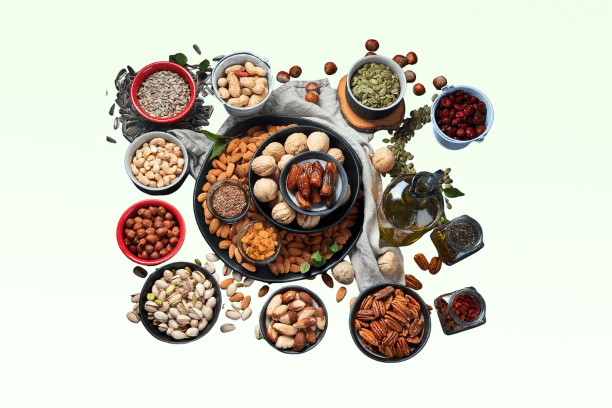
Phytosterols supplements may support cardiovascular health and cholesterol balance. They may suppress the absorption of cholesterol in the intestines, which might help minimize the risk of plaque buildup in arteries and improve blood circulation.
The phytosterols supplements are available in softgels, powders, liquids, and tablets. Some brands also use sunflower oil, vitamin E, or soybean oil in phytosterols supplements to improve absorption and nutrient diversity.
In this article, we provide a detailed breakdown of phytosterols supplements, including how they work, nutritional composition, benefits, and potential side effects. The article also discusses the primary factors to consider before selecting phytosterols supplements.
What Are Phytosterols Supplements?
Phytosterols supplements feature a concentrated mix of active plant compounds, such as beta-sitosterol, campesterol, and stigmasterol. These phytosterols are structurally similar to cholesterol in your body, which might help reduce low-density lipoprotein (LDL) cholesterol levels (often called bad cholesterol). Usually, the supplements provide a concentrated dose of phytosterols, typically ranging from 400mg–1,200mg per serving.
Natural food sources like sunflower seeds, almonds, pumpkin seeds, and vegetable oils, including corn oil and canola oil, contain trace amounts of phytosterols. However, supplementation may provide a consistent and measurable intake of phytosterols, which might be helpful if you have elevated cholesterol levels or seek to support heart health.
Benefits of Phytosterols Supplements
-
May Support Heart Health
An imbalance in cholesterol levels, such as an increase in LDL (low-density lipoprotein) and a decrease in HDL (high-density lipoprotein), may contribute to an increased risk of heart-related concerns, such as strokes. Phytosterols supplements may help lower LDL levels and improve blood vessel function, which could positively impact heart health. Cholesterol balance and improved vascular function may help reduce strain on heart muscles, improve energy levels, and decrease inflammation.
-
Could Help Support Healthy Blood Pressure Levels
Phytosterols supplements may increase the production of nitric oxide, which relaxes and widens blood vessels, thereby reducing vascular resistance. They might also lower inflammation and stiffness in arteries to improve blood circulation. Such effects could help reduce the pressure at which blood flows through your arterial walls, which may contribute to more stable blood pressure levels. Healthy blood pressure levels may help lower the risk of developing cardiovascular disease, support kidney health, and promote vitality.
-
May Promote Immunity
The plant sterols (such as β-sitosterol) in phytosterol supplements may encourage the growth and activation of T-lymphocytes, which are essential for adaptive immunity and responding to infections. Phytosterol may also stimulate the activity of natural killer (NK) cells, which could help identify and eliminate pathogens in the body. Better immunity may help you recover faster from illnesses, reduce the frequency of seasonal infections (like flu or colds), and support consistent energy levels.
-
Could Lower Inflammation
Chronic low-grade inflammation is a contributor to various concerns, such as diabetes, heart disease, arthritis, and skin issues (such as eczema and psoriasis). Phytosterols supplements might help minimize such risks by lowering the levels of pro-inflammatory molecules (such as IL-6 and TNF-α) and raising levels of anti-inflammatory molecules (like C-reactive protein). Reduction in inflammation may support your body’s natural antioxidant defenses, promote immunity, improve energy levels, and support faster wound healing.
How Do Phytosterols Supplements Work?
Phytosterols supplements work by affecting cholesterol absorption in the small intestine. They may compete with dietary and biliary cholesterol (in the liver) for integration into micelles, the tiny fat droplets that carry lipids across the intestinal lining. When phytosterols occupy space in these micelles, less cholesterol is absorbed into the bloodstream. The unabsorbed cholesterol may remain in the gut and is eventually excreted. Such a process may help lower LDL (bad) cholesterol, which may otherwise increase the risk of heart attacks or strokes.
A reduction in LDL cholesterol may also support vascular health. Excess LDL may build up in arterial walls, forming plaques that might contribute to atherosclerosis. Decreased LDL levels may slow the rate of plaque formation, support arterial flexibility, and improve endothelial function. These effects may help support blood circulation and vascular health.
Plant sterols like β-sitosterol, campesterol, and stigmasterol may help suppress inflammation and oxidative stress. They may reduce the levels of pro-inflammatory molecules like interleukin-6 (IL-6) and tumor necrosis factor-alpha (TNF-α) while supporting your body’s antioxidant defenses. Such effects may support immune function and minimize cellular damage triggered by free radicals.
Side Effects of Phytosterols Supplements
-
May Cause Gastrointestinal Issues
Phytosterols supplements may trigger digestive concerns, making you experience bloating, gas, diarrhea, and occasional stomach cramps. These side effects may occur because phytosterols compete with cholesterol for absorption in your intestines, which could disrupt fat digestion and alter gut balance.
You might also experience changes in bowel regularity, such as softer or more frequent stools, due to the excess sterols remaining in the digestive tract. In case of pre-existing digestive conditions, like irritable bowel syndrome or chronic constipation, the gastrointestinal issues may be more pronounced.
-
Could Trigger Nausea
Phytosterols supplements contain concentrated plant sterols that may temporarily irritate the stomach lining and delay digestive processes. Changes in bile flow caused by phytosterols may further trigger stomach upset and feelings of queasiness. Some formulations that include oils, emulsifiers, or sterol esters might worsen the discomfort from nausea by affecting gastric emptying.
Nausea may present as a general feeling of stomach discomfort, light queasiness, or an urge to vomit. In rare cases, persistent nausea might indicate potential sensitivity to a specific ingredient in the phytosterols supplement.
-
Potential For Adverse Skin Reactions
Although rare, phytosterol supplements may cause unfavorable skin reactions. Your immune system may sometimes mistakenly identify compounds like β-sitosterol or stigmasterol as potential allergens. This may cause the release of histamine and inflammatory molecules called cytokines, which may contribute to adverse skin reactions. Signs of adverse skin reactions may include itchy patches, red spots, mild rashes, or a stinging sensation. These side effects may be more pronounced if you have a history of skin allergies or sensitivity to plant-based compounds.
How To Choose The Best Phytosterols Supplements?
-
Type and Concentration of Phytosterols
When choosing phytosterol supplements, it is beneficial to assess the type of phytosterols they contain. Not all plant sterols are equally effective, so you should look for formulations with β-sitosterol, campesterol, and stigmasterol, the compounds most supported by research for lowering LDL cholesterol. Some products may also include sitostanol, a hydrogenated form of β-sitosterol, which might be slightly more potent in smaller doses.
You also need to check the total phytosterol content per serving, as supplementing with 2–3 grams of phytosterols daily may effectively support LDL reduction. Supplements with less than 1 gram of phytosterols per serving may be ineffective unless taken multiple times a day.
It is also important to consider the ratio of different phytosterols. For instance, a higher proportion of β-sitosterol is generally preferable, while campesterol and stigmasterol may complement its effects for overall cholesterol management.
-
Formulation And Delivery Method
Assessing the formulation and delivery format is important when it comes to choosing phytosterols supplements. These supplements are available as capsules, soft gels, powders, and in the form of fortified foods (such as margarine, yogurt, or spreads).
Capsules and soft gels are usually the most convenient for precise dosing and are easy to include in your daily routine. They often contain esterified or free-form phytosterols, which are more fat-soluble and better absorbed when taken alongside meals.
Powders and fortified foods may provide added nutrients (such as vitamin E or sunflower oil), which may be compatible if you prefer a functional supplement brand. However, these forms typically require consistent daily intake and careful portion control, which may be inconvenient.
-
Presence of Additives
Some phytosterol supplements may contain fillers, binders, flow agents, preservatives, or artificial flavors that might reduce the actual phytosterol content or trigger sensitivities. Therefore, it is important to review the ingredient label carefully beforehand. Common additives to watch for may include magnesium stearate, silicon dioxide, microcrystalline cellulose, artificial sweeteners, and synthetic dyes. If present, these additives may trigger digestive discomfort, allergic reactions, or reduced absorption.
You should look for formulations labeled “minimal additives,” “free from artificial colors and flavors,” or “non-GMO.” High-purity products ensure that the stated dose of phytosterols per serving is accurate and not diluted by inactive ingredients.
-
User Reviews and Feedback
Before choosing phytosterols supplements, it is beneficial to assess the user reviews and feedback for the formulation, which may provide valuable insights into its real-world effectiveness and tolerability. You should look out for both positive and negative reviews to gain a balanced perspective. Positive reviews may highlight consistent LDL cholesterol reductions, minimal side effects, and reliable product quality, while negative reviews may report bloating, diarrhea, difficulty swallowing capsules, or inconsistent dosing.
Focusing on feedback from reputable and independent sources, such as verified Amazon reviews, iHerb, Trustpilot, Better Business Bureau (BBB), or Reddit, might be helpful.
Frequently Asked Questions
- Are There Differences in Absorption Between Free and Esterified Phytosterols?
Yes. Free phytosterols are absorbed in the intestines at a slower rate, while esterified phytosterols are more stable in supplements and often integrated into fats or oils to improve uptake. The difference may influence their LDL-lowering effectiveness. - Do Phytosterols Supplements Help With Triglyceride Levels?
No. They primarily decrease cholesterol absorption in the intestines, which may lower LDL cholesterol. However, phytosterols have minimal to no impact on triglyceride levels. - Are Liquid Phytosterol Supplements More Stable Than Softgels or Tablets?
No. Liquid phytosterol supplements are more prone to air and light exposure, which may accelerate their oxidation and reduce potency after opening. Softgels or tablets typically provide better protection and maintain stability longer under normal storage conditions.
Conclusion
Phytosterols supplements often pair sterols with other heart-supporting nutrients like fiber, omega-3 fatty acids, or vitamins, which might offer cholesterol-lowering effects and cardiovascular benefits. However, the benefits of supplementation may vary depending on the type, concentration, and ratio of plant sterols in these formulations.
Moreover, phytosterols supplements may trigger gastrointestinal discomfort, such as bloating, gas, diarrhea, or stomach cramps, especially at higher doses. In rare instances, these supplements might trigger adverse skin reactions, such as itching, mild rashes, redness, or swelling.
Pairing phytosterols supplementation with a heart-healthy diet (such as whole grains, nuts, and healthy fats), regular physical activity (like running or strength training), and adequate sleep (at least 7-9 hours daily) might help complement the benefits of supplementation.

Rachel has been a freelance medical writer for more than 18 years. She graduated from the University of Tennessee at Knoxville in 2005 and is currently practicing as a Certified Registered Nurse Anesthetist at a Level I trauma center.
Leave a Reply