

No products in the cart.
Contents
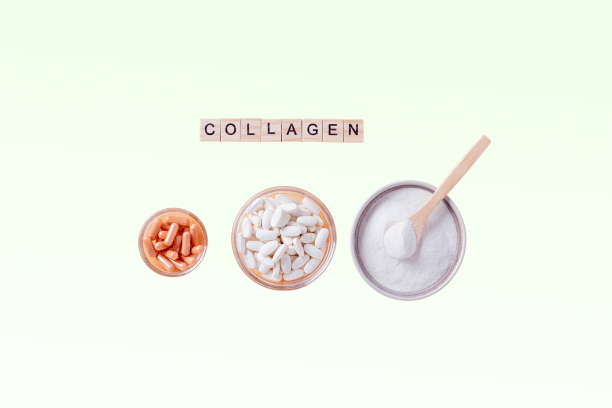
Collagen supplements could support healthy skin, joints, hair, and nails. They may help maintain elasticity, reduce signs of aging, and support your vitality.
Collagen supplements are typically available in powders, capsules, and liquid formats. These supplements might help improve skin hydration, joint comfort, and even hair and nail strength over time.
Choosing the right collagen supplement might feel overwhelming, as there are many options with different types, forms, and added ingredients.
This article will explore the key benefits, ingredients, and potential side effects of collagen supplements. Keep reading to know how Collagen supplements work and key factors you should consider while choosing the best supplement.
What Are Collagen Supplements?
Collagen supplements are specialized products created specifically to provide your body with additional collagen protein that is critical for the structure and health of skin, bones, joints, hair, and nails. Collagen makes up a significant part of your connective tissues, giving them strength, flexibility, and resilience.
These collagen supplements typically contain hydrolyzed collagen or collagen peptides. Some products also include supporting nutrients like vitamin C, hyaluronic acid, or minerals, which could further enhance collagen production, improve skin health, and strengthen joints, hair, and nails.
Collagen supplements could help improve skin elasticity, decrease the excessive appearance of fine lines and wrinkles, and maintain a more youthful appearance. They might also support joint comfort, aid cartilage repair, and contribute to stronger bones.
How Do Collagen Supplements Work?
Collagen supplements may work by providing your body with additional collagen in forms that are easier to digest and absorb. The most common types of collagen in supplements are hydrolyzed collagen or collagen peptides.
These forms are broken down into smaller chains of amino acids, primarily glycine, proline, and hydroxyproline, which are the building blocks of natural collagen in your body.
When you consume a collagen supplement, your digestive system breaks down these peptides further into amino acids, which enter your bloodstream and travel to different tissues that require repair or maintenance.
Once absorbed, these amino acids may stimulate your body’s fibroblasts, which encourages your body to synthesize new collagen naturally.
For example, in the skin, collagen supplements might help increase skin elasticity, support hydration, and reduce the appearance of fine lines and wrinkles.
In joints and cartilage, these amino acids could support tissue repair, reduce stiffness, and improve mobility over time. The effectiveness depends on consistent intake and the bioavailability of the collagen peptides.
Collagen supplements often work best when paired with other supportive nutrients. Many brands also include vitamin C, which plays a crucial role in collagen synthesis, or hyaluronic acid, known for supporting skin hydration and joint lubrication. These additions might ensure that your body not only receives the building blocks for collagen production but also the key cofactors needed to make the process more effective.
Benefits of Collagen Supplements
-
Could Help Improve Skin Elasticity
Taking collagen supplements may help with maintaining and improving skin appearance as your body’s natural collagen production declines with age. These supplements could give your skin the building blocks it needs to support firmness and resilience by providing collagen peptides. This can slow down the visible effects of aging, such as sagging and fine lines. Improved elasticity could make your skin appear smoother and more youthful, helping you feel more confident in your appearance. This benefit can mean enjoying skin that looks firmer and refreshed, which may make you feel more comfortable with or without makeup.
-
May Promote Skin Hydration
Collagen products could help strengthen the barrier that locks in moisture and work alongside natural molecules like hyaluronic acid. A stronger barrier allows your skin to retain water more effectively, which helps prevent dryness, roughness, or flakiness that often comes with aging or environmental factors like air conditioning or cold weather. This extra hydration may leave your skin feeling softer, looking plumper, and appearing more radiant throughout the day. You may notice makeup applying more smoothly, fewer instances of irritation, and less need for heavy creams to maintain moisture. Having consistently hydrated skin also helps your complexion look healthier with less effort.
-
Might Support Joint Health
Including collagen supplements in your daily routine could help with protecting and repairing cartilage, the cushioning tissue in your joints. As natural collagen declines, joints may feel stiff or sore, especially after activity. These supplements can support the integrity of cartilage and connective tissues by supplying your body with collagen peptides, promoting smoother joint movement, and reducing everyday discomfort. This could mean greater ease when walking, climbing stairs, or exercising, without the same level of stiffness holding you back. It may also allow you to stay more active, commit to fitness goals, and enjoy physical activities with less worry about joint strain.
-
Could Help Strengthen Bones
Collagen is known as a major structural protein in bones, forming the framework upon which calcium and other minerals are deposited to provide strength and rigidity. When you combine collagen supplements in your routine with a healthy diet, it may help strengthen your bone matrix and reduce susceptibility to fractures and osteoporosis.
Hydrolyzed collagen peptides used in these supplements can supply the amino acids necessary to support osteoblast activity and collagen synthesis within bone tissue, helping maintain bone density and structural integrity. Some of these products also contain calcium, vitamin D, and magnesium, which may further enhance bone health by improving mineralization of the bone matrix and optimizing skeletal strength.
Collagen supplements may contribute to long-term skeletal resilience, reduce the chance of developing age-related bone loss, and improve overall tolerance to mechanical stress, promoting healthier, stronger bones over time.
-
May Help Enhance muscle mass
Collagen supplements could contribute to increasing and preserving muscle mass, particularly when taken alongside resistance training. They provide amino acids like glycine and arginine that are important for muscle repair and strength. While collagen isn’t a complete protein, taking these products may help counteract age-related muscle loss and improve physical performance. This might make your routine tasks like lifting, bending, or carrying groceries easier and less tiring. Improved muscle tone can also support better posture and protect joints from excess strain. Over time, maintaining muscle mass with the help of collagen may lead to greater energy, stability, and overall physical resilience.
Side Effects of Collagen Supplements
-
Digestive discomfort
You might notice stomach aches or distress when you start taking collagen supplements. Since hydrolyzed collagen is made up of short peptides, your body needs to break them down further into amino acids before absorption. If you take a large dose or use collagen on an empty stomach, this breakdown process can temporarily strain your digestive system. The incomplete digestion of peptides may increase gas production in your intestines, which can lead to bloating, cramping, or flatulence.
If you already have a sensitive digestive system, these effects may feel stronger. Common symptoms include abdominal fullness, burping, gas, or occasional loose stools.
-
Skin rashes
Although collagen supplements are generally safe, you could experience skin irritation in some cases. This often happens because of added ingredients in the formula, such as flavorings, preservatives, or vitamin C, that may trigger sensitivities. In rare cases, your immune system may also react to the collagen source itself, especially if it comes from fish, bovine, or porcine proteins. If this happens, you might see redness, itching, or small raised bumps on your skin within hours or days of starting collagen. If you already have allergies, particularly to fish or beef, your chances of experiencing this are higher.
-
Heartburn
When you take collagen supplements, you may notice heartburn, especially if you’re already prone to acid reflux. Many collagen powders and liquid formulations are slightly acidic to keep the peptides soluble and stable, and this added acidity can lower the pH in your stomach. As your body digests collagen protein, gastric emptying slows, which increases pressure inside the stomach. If your lower esophageal sphincter (LES) is sensitive or weak, this pressure might cause the stomach acid to flow back into the esophagus. You may feel a burning sensation in your chest or throat, usually worsening after meals or when lying down. Other possible symptoms include regurgitation of sour or bitter liquid, a sensation of food moving back up, chronic coughing, or hoarseness if the acid reaches your vocal cords.
-
Nausea
Taking collagen supplements may sometimes cause nausea, especially when your body is still adjusting. Collagen peptides and amino acids increase protein load in your stomach, which can stimulate gastric activity and irritate the vagus nerve, leading to a queasy feeling. Certain formulations, particularly flavored or liquid types, often contain sweeteners, preservatives, or have a thick texture that can make your stomach more sensitive and raise the chance of nausea. You might feel queasy within an hour of taking collagen, sometimes along with reduced appetite, stomach gurgling, or mild dizziness. In rare cases, you may also notice excessive salivation, a sour aftertaste, or even a brief urge to vomit.
How To Choose The Best Collagen Supplements?
-
Type Of Collagen
When looking for the best collagen supplement, you can start by checking the type listed on the label. Types I and III could be a suitable approach if your focus is on beauty effects like smoother skin, stronger nails, or thicker hair. These types form the structure of your skin and connective tissues, so choosing a product with them could be suitable if you’re targeting skin support. If your concern is joint health or flexibility, you can look for those collagen products that contain Type II collagen form, since it supports cartilage and joint cushioning. Some products are also available as blends, offering a mix of Types I, II, and III, which may cover both skin and joint needs.
-
Source Of Collagen
You should also pay attention to where the collagen comes from, because it affects both results and compatibility with your diet. Bovine (cow) collagen usually contains Type I and III, making it a good fit if you want skin, hair, or bone benefits. Marine (fish) collagen is considered more bioavailable, meaning your body may absorb it better, and it’s often recommended if skin health is your main goal. Poultry collagen, typically from chicken, is high in Type II, which is ideal for supporting joints. If you have dietary restrictions, make sure the source of your collagen supplements works for you. For example, if you’re allergic to fish, marine collagen won’t be an option. Checking the source helps you avoid surprises and ensures the supplement aligns with your values and fitness needs.
-
Additional Ingredients
To choose the best collagen supplement, check if the collagen formula includes nutrients that actively support collagen synthesis and skin health. For example, some brands include vitamin C in these products, which is essential for your body to build collagen.
Many collagen powders and capsules also add hyaluronic acid, which may help your skin retain moisture and improve elasticity. If your main focus is beauty benefits, this pairing can deliver better results than collagen alone.
Some advanced collagen blends also include minerals like zinc and copper or amino acids such as proline and glycine, all of which contribute to collagen formation and tissue repair. These additions can be especially useful if your diet doesn’t consistently provide them.
-
Third-Party Testing and Transparency
To choose the best collagen supplement, look for brands that use third-party testing, which means an independent lab has verified the purity and potency of the product. This ensures the collagen content matches what’s on the label and that the supplement is free from contaminants like heavy metals or pesticides. You should also see how transparent the brand is about its sourcing and manufacturing practices. Reputable companies often share Certificates of Analysis (COAs), ingredient sourcing details, or at least clear explanations of how their collagen is produced. Choosing a collagen product with third-party testing and transparent labeling may help you avoid low-quality options and ensure that you’re taking a supplement that contains a safe formulation, backed by premium safety standards.
Frequently Asked Questions
- Should I combine vitamin C with a Collagen Supplement for stronger bone effects?
Yes, combining vitamin C with collagen supplements can boost bone strength, as vitamin C supports collagen formation and stability. - Can collagen supplements prevent wrinkles?
Collagen supplements might improve skin elasticity and reduce fine lines over time, though they cannot completely prevent wrinkles. - Can collagen supplements help with hair growth?
Collagen products provide amino acids that may help strengthen your hair follicles and reduce breakage, supporting healthier hair over time.
Conclusion
Collagen supplements may support your body’s natural collagen levels. These products may help stimulate fibroblasts that produce collagen, elastin, and other connective tissue proteins, supporting skin firmness, elasticity, and hydration.
Many high-quality collagen supplements also include vitamin C, hyaluronic acid, or minerals, which could enhance collagen synthesis and improve absorption for better results.
Choosing the right form of collagen can make supplementation easier and more effective. Powdered collagen offers flexibility for mixing into drinks or recipes and often delivers higher doses per serving, while capsules and tablets provide a convenient, pre-measured option for daily intake. You could also consider liquid collagen for faster absorption.
However, collagen supplementation may sometimes cause mild side effects such as digestive discomfort, skin irritation, heartburn, or nausea. These supplements may support structural health, appearance, and joint wellness, but it’s important to be cautious.
Check brand reputation, third-party testing, and ingredient transparency. Consider the collagen source if you have dietary restrictions or allergies, and avoid products with unnecessary fillers. For optimal results, pair collagen supplements with a balanced diet, exercise, and adequate hydration.

Rachel has been a freelance medical writer for more than 18 years. She graduated from the University of Tennessee at Knoxville in 2005 and is currently practicing as a Certified Registered Nurse Anesthetist at a Level I trauma center.
Leave a Reply