

No products in the cart.
Contents
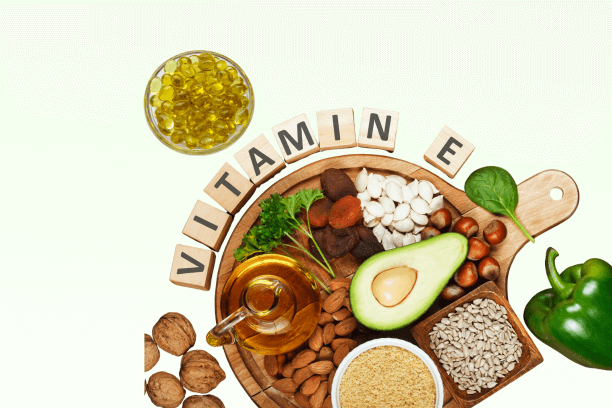
Vitamin E supplements have antioxidant properties, which may help protect cells from oxidative stress, support skin health, and promote immunity. These supplements may offer a standardized dose of vitamin E, which could make it easier to meet your dietary vitamin E requirements.
Supplementing with vitamin E may also support cellular metabolism, eye health, and cardiovascular function. This article explores how Vitamin E supplements work in the body, their health benefits, types, and potential side effects. It also provides guidance on the evaluation factors to consider when selecting a vitamin E supplement.
What Are Vitamin E Supplements?
Vitamin E supplements provide concentrated forms of vitamin E, a fat-soluble nutrient with anti-inflammatory and antioxidant effects. These supplements typically contain a mix of compounds like tocopherols and tocotrienols. Alpha-tocopherol in vitamin E formulations may support your body’s natural immune defense and lower inflammation. Tocotrienols may help support cardiovascular health and cognitive function.
Most vitamin E supplements are sourced either from natural oils (such as sunflower, wheat germ, or palm oil) or produced synthetically in a lab. Natural sources may often provide a mix of tocopherols and tocotrienols, while synthetic forms typically only contain alpha-tocopherol.
Supplementing with vitamin E could be useful if you have limited access or dietary sensitivities to vitamin E-rich foods, such as almonds, hazelnuts, sunflower seeds, spinach, and Swiss chard.
Types of Vitamin E Supplements
-
By Chemical Form
-
Tocopherols
Tocopherols are the most widely used form of vitamin E in supplements, which exist as alpha, beta, gamma, and delta tocopherols. Alpha-tocopherol is the most biologically active and studied form of tocopherols, which your body may utilize more effectively than tocotrienols. Meanwhile, gamma- and delta-tocopherols could offer complementary antioxidant protection, especially in lipid-rich tissues. Tocopherols may support vascular tone, nourish skin health, and help preserve cellular integrity against oxidative stress.
-
Tocotrienols
Tocotrienols are a less common but potent form of vitamin E, structurally different from tocopherols due to their unsaturated side chains. As a result of their unique structure, tocotrienols may penetrate hard-to-reach tissues more effectively, where tocopherols may not. The high potency and antioxidant content of tocotrienols could make them effective at protecting organs like the brain and liver from oxidative damage.
-
Mixed Tocopherols
Mixed variants often pair multiple tocopherols, and sometimes tocotrienols, to provide a broader antioxidant profile than single-form supplements. The full-spectrum approach may help lower oxidative stress and inflammation in different bodily tissues, potentially helpful in supporting skin, cardiovascular, and immune health simultaneously.
-
-
By Source
-
Natural
Natural vitamin E supplements are derived from plant oils such as soybean, sunflower, or safflower oil. They are often labeled as “d-alpha-tocopherol” or “d-alpha-tocopherol succinate.” When compared to synthetic variants, natural vitamin E supplements have a higher bioavailability and better absorption, which might deliver antioxidant benefits more effectively.
-
Synthetic
Synthetic vitamin E supplements are produced through chemical processes in a lab and often labeled as “dl-alpha-tocopherol.” The synthetic form contains a mixture of different stereoisomers, which could make it less potent than natural forms of vitamin E. Synthetic vitamin E supplements may offer a cost-effective option for general supplementation, providing a practical means to support antioxidant intake when natural forms may not be available.
-
How Do Vitamin E Supplements Work?
Vitamin E supplements may primarily work as antioxidants at the cellular level. Typically available as alpha-tocopherol, vitamin E formulations are absorbed in your small intestines alongside dietary fats. Once absorbed, lipoproteins such as LDL and HDL help transport vitamin E in the bloodstream and deliver it to bodily tissues, including skin cells, red blood cells, and neurons.
Inside the body, vitamin E supplements may help protect cell membranes from oxidative damage by suppressing reactive oxygen species (ROS) activity. Such protective effects might help decrease cellular damage in the body, which ROS often triggers, as they are responsible for damaging cells, proteins, and DNA through oxidative stress.
Vitamin E supplements may promote T-cell proliferation and activity, which is essential for supporting the body’s adaptive immunity. They might also help your body respond more effectively to infections and pathogens by preserving immune cell health and responsiveness.
For skin health, vitamin E supplements may function as a fat-soluble antioxidant in the outer layers of skin cell membranes. They may help protect essential skin cells (such as keratinocytes and fibroblasts) from sun exposure and environmental stress. Such effects may help support skin elasticity, hydration, and resilience.
Benefits of Vitamin E Supplements
-
May Support Skin Health
Vitamin E supplements may help decrease lipid damage in skin cell membranes and help strengthen your skin’s natural barrier, allowing it to hold moisture more effectively. Such effects might help delay signs of premature skin aging, such as wrinkles, dryness, fine lines, and uneven skin tone. Supplementing with vitamin E may also support wound healing by reducing inflammation, encouraging collagen production, and promoting faster tissue repair.
-
Could Promote Immune System Function
Your immune system relies on healthy, well-functioning cells to detect and respond to harmful pathogens. Vitamin E supplements may support immunity by protecting essential immune cells (such as T cells and natural killer cells) from oxidative damage.
With aging, your immune system undergoes a natural decline known as immunosenescence, which oxidative stress may further accelerate. Vitamin E supplements may help delay such a decline by helping preserve the structural integrity of immune cell membranes. Stronger immune support may help decrease the frequency of illnesses, support consistent energy levels, and potentially reduce the chance of developing seasonal illnesses, such as the flu or cold.
-
May Support Cardiovascular Health
Vitamin E supplements may help reduce the oxidation of LDL (bad) cholesterol, which may otherwise accumulate on artery walls and contribute to atherosclerosis (plaque buildup in your arteries). These supplements may also neutralize free radicals in the bloodstream, which could help maintain arterial flexibility and reduce the tendency of blood platelets to clump and form clots. Such effects might help minimize the narrowing and stiffening of arteries, a process that may raise the potential chance of heart attacks or stroke. You may also experience improved energy levels and endurance with increased blood circulation.
-
Might Support Eye Health
The eye tissues are sensitive to oxidative stress because they are constantly exposed to light and oxygen, which may produce free radicals that might damage retinal cells. Vitamin E supplements may help protect your eye tissues by reducing harmful free radicals and maintaining the health of photoreceptor cells. Such protection might help lower the risk of age-related macular degeneration (AMD), especially if you pair vitamin E supplements with other antioxidants like vitamin C, beta-carotene, and zinc. It might help support clearer vision, delay age-related vision decline, and support eye comfort and visual sharpness.
Side Effects of Vitamin E Supplements
-
Could Lead to Diarrhea and Stomach Cramps
Overuse of vitamin E supplements, particularly when your vitamin E intake exceeds the recommended daily allowance (RDA) of 15 mg (22.4 IU), may trigger gastrointestinal concerns like stomach cramps and diarrhea. Excessive intake of vitamin E may irritate your intestinal lining and impair fat absorption, which might contribute to loose, watery stools and more frequent bowel movements. It might also disrupt normal fat digestion, potentially increasing bile secretion or altering fat emulsification. These changes may trigger spasms in the smooth muscles of the stomach and intestines, causing stomach cramps (that may present with mild or severe pain).
Other gastrointestinal symptoms associated with vitamin E supplements may include bloating, indigestion, or a sense of fullness. These concerns may be related to changes in your gut motility and increased gas production from altered fat processing. Liquid or oil-based vitamin E supplements may intensify these effects if they are consumed without a meal.
-
May Cause Fatigue
Fatigue may occur if you take high doses of vitamin E supplements, as they might interfere with the balance of other fat-soluble vitamins, especially Vitamin K. Vitamin E supplements may reduce the activity of vitamin K-dependent clotting factors. This may affect blood clotting and circulation, which could lower the efficiency of oxygen delivery to your bodily tissues. When tissues receive less oxygen, you might feel persistent tiredness or a lack of energy.
Vitamin E supplements may affect deiodinase enzymes, which are responsible for converting thyroxine (T4) into the active hormone triiodothyronine (T3). The disruption may slow your metabolism and reduce cellular energy production, leaving you feeling sluggish or lethargic. You may notice fatigue alongside muscle weakness or reduced exercise tolerance.
How to Choose The Best Vitamin E Supplements?
-
Delivery Format
When selecting a vitamin E supplement, the delivery method is a vital factor to consider because it directly impacts absorption and convenience. You should look for vitamin E formulations as softgels, as they contain vitamin E dissolved in an oil base. The oil-based form may promote bioavailability, offer precise pre-measured doses, and may be easy to swallow.
Liquid vitamin E supplements, including oils and tinctures, may also provide a highly absorbable option. They may offer flexible dosing, which might be useful if you require a custom amount or prefer to mix the vitamin E supplement with food/beverages. Other forms, such as dry capsules, powders, or tablets, remain viable but need more attention. These forms often contain vitamin E in a powdered state, which is typically less bioavailable than oil-based options.
-
Presence of Fat-Soluble Co-Factors
Before opting for a vitamin E supplement, it’s important to consider whether the formulation contains any fat-soluble co-factors or not. Due to the fat-soluble profile of vitamin E supplements, pairing them with healthy fats might increase their uptake. You should look for vitamin E formulations that contain medium-chain triglycerides (MCT oil), sunflower oil, olive oil, or other plant-based oils, which could provide a natural fat base for efficient absorption.
Beyond fats, vitamin E supplements with complementary antioxidants such as vitamin C, selenium, or coenzyme Q10 may support better antioxidant effects. Some premium brands may integrate vitamin E with omega-3 fatty acids or lecithin, which may further improve absorption and antioxidant activity. Paying attention to these supporting nutrients in vitamin E formulations may help you make an informed purchase decision.
-
Consumer Reviews and Feedback
Examining user reviews and feedback from independent sources is essential before opting for a vitamin E supplement. You should pay attention to positive consumer experiences that may highlight noticeable benefits, such as improved skin texture, increased energy, or better immunity. It is also important to consider negative feedback, which may reveal potential concerns like allergic reactions, unpleasant aftertaste, or poor absorption that may be associated with vitamin E supplements.
You should focus on third-party review sources rather than solely relying on the brand’s website for reviews. Trusted platforms may include verified user feedback present on Amazon, Trustpilot, Better Business Bureau, and ConsumerLab. Consulting multiple review sources might help you spot consistent trends in both benefits and drawbacks, giving a clearer understanding of a supplement’s performance and reliability.
Frequently Asked Questions
- Are Gummy Vitamin E Supplements As Effective As Softgels?
No, gummy-based vitamin E formats may face potency and stability challenges and often include added sugars and excipients. Generally, softgels are more potent and offer more bioavailability than gummy formats. - Can Vitamin E Supplements Help Reduce Menstrual Cramps?
Yes. Vitamin E supplementation might help suppress menstrual cramps by lowering prostaglandin activity, which otherwise drives uterine contractions. However, results might vary based on dosage, medications taken, and individual tolerance. - Are Natural Vitamin E Supplements Safer Than Synthetic Ones?
No, it is not always true. The “Natural” vitamin E supplements refer to the RRR-alpha-tocopherol form, and “synthetic” commonly refers to all‑rac‑alpha‑tocopherol. Safety may depend more on dosage, duration of supplementation, and drug interactions than on source.
Conclusion
Vitamin E supplements might support your body’s antioxidant defenses, skin health, and cardiovascular health. These supplements may provide standardized doses of alpha-tocopherol, tocotrienols, or mixed tocopherols, which might help decrease oxidative stress in the body and suppress inflammation.
However, vitamin E supplementation may trigger gastrointestinal discomfort, fatigue, headaches, or temporary vision changes.
Choosing the more bioavailable supplement form, such as softgels over powders, paying attention to co-factors that improve vitamin E absorption, such as MCT oil or olive oil, and evaluating user reviews from multiple independent sources might help you make an informed purchase decision.
Ensuring hydration, engaging in regular physical activity, such as running or resistance training, and refraining from smoking and alcohol might help support the antioxidant benefits of vitamin E supplementation.

Rachel has been a freelance medical writer for more than 18 years. She graduated from the University of Tennessee at Knoxville in 2005 and is currently practicing as a Certified Registered Nurse Anesthetist at a Level I trauma center.
Leave a Reply